
TL;DR
Bomb fishing is causing extensive damage to Indonesia’s coral reefs, with authorities warning of long-term ecological impacts. The practice involves using explosives to catch fish, despite being illegal and highly destructive.
Indonesia’s coral reefs are suffering significant damage due to the widespread use of bomb fishing, a destructive illegal practice that involves detonating explosives underwater to catch fish. Authorities and environmental groups warn that this method is causing irreversible harm to marine ecosystems and threatens the livelihoods of local fishing communities.
Multiple reports from Indonesian marine conservation agencies confirm that bomb fishing is increasing across several regions, including Bali, North Sulawesi, and Maluku. The practice involves fishermen using homemade or commercially obtained explosives to stun or kill fish, making them easier to collect. This method is illegal under Indonesian law but persists due to economic pressures and lack of enforcement.
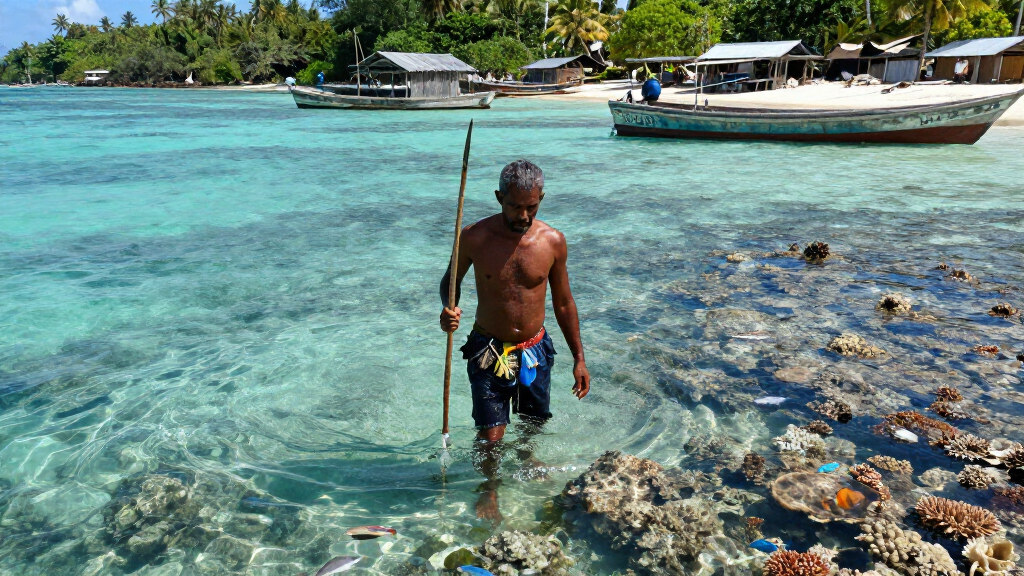
Environmental assessments indicate that the damage inflicted by bomb fishing extends beyond the targeted fish populations. The explosions destroy delicate coral structures, which serve as vital habitats for a diverse array of marine species. Satellite imagery and on-the-ground surveys reveal widespread coral bleaching and physical destruction in affected areas.
Officials from Indonesia’s Ministry of Marine Affairs and Fisheries have acknowledged the problem, with some regions reporting a doubling of illegal bomb fishing incidents in recent years. Despite patrols and crackdowns, enforcement remains inconsistent, and many fishermen continue the practice clandestinely.
Local communities and environmental groups warn that if unchecked, the continued destruction could lead to the collapse of local fisheries and the loss of biodiversity, with some experts comparing the damage to a form of underwater deforestation.
Why Coral Reef Damage from Bomb Fishing Matters
The destruction of coral reefs from bomb fishing has serious ecological and economic implications. Coral reefs support about 25% of all marine life and are crucial for maintaining healthy fish stocks, which millions of Indonesians depend on for their livelihoods. The damage accelerates the decline of biodiversity and threatens the sustainability of local fisheries.
Moreover, coral reefs provide natural protection against coastal erosion and storm surges. Their loss increases the vulnerability of coastal communities to climate change-related impacts. The long-term ecological costs could be irreversible, affecting Indonesia’s marine ecosystems for generations.
From a policy perspective, the continued illegal practice highlights gaps in enforcement and governance. Strengthening anti-poaching measures and community engagement are essential to combat this destructive activity, but challenges remain due to economic hardship and limited resources.
As an affiliate, we earn on qualifying purchases.
Recent Trends and Historical Background of Bomb Fishing in Indonesia
Bomb fishing has been a persistent issue in Indonesia for decades, often linked to poverty and the high demand for fish in local markets. Historically, the practice surged during times of economic hardship, with fishermen resorting to explosives as a quick and inexpensive method to maximize catches.
In recent years, increased awareness of environmental degradation has led to some government crackdowns, but enforcement remains weak in remote regions. The use of homemade explosives and the involvement of organized groups complicate efforts to curb the activity.
International organizations and local NGOs have documented the widespread impact of bomb fishing, emphasizing its role in accelerating coral reef degradation and biodiversity loss. Despite legal prohibitions, the practice continues to thrive in part due to the economic incentives and limited alternative livelihoods.
Recent satellite data and marine surveys indicate that affected areas are expanding, with some reefs showing signs of recovery only when fishing pressure decreases. This underscores the urgent need for effective intervention strategies.
“We are aware of the illegal activities and are increasing patrols, but the challenge is significant due to limited resources and remote locations.”
— Indonesian Fisheries Minister, Arif Wibowo
underwater coral reef cleaning tools
As an affiliate, we earn on qualifying purchases.
As an affiliate, we earn on qualifying purchases.
Unclear Extent of Long-Term Ecological Damage
While immediate damage to coral reefs from bomb fishing is well-documented, the full extent of long-term ecological impacts remains uncertain. Experts warn that some reefs may take decades to recover, if at all, but comprehensive studies are ongoing. It is also unclear how much of the damage is reversible and what specific recovery measures will be most effective.
marine ecosystem conservation equipment
As an affiliate, we earn on qualifying purchases.
As an affiliate, we earn on qualifying purchases.
Next Steps for Combating Bomb Fishing in Indonesia
Authorities are expected to increase patrols and enforcement efforts, including deploying surveillance technology such as drones and satellite monitoring. Additionally, there is a push to develop community-based conservation programs that provide alternative livelihoods for fishermen.
International aid and collaboration with NGOs are likely to play a role in funding and supporting these initiatives. Ongoing research aims to assess the full ecological impact and identify effective restoration strategies.
As an affiliate, we earn on qualifying purchases.
Key Questions
How does bomb fishing damage coral reefs?
Bomb fishing uses explosives that physically destroy coral structures and the habitat of many marine species, leading to long-term ecological damage and biodiversity loss.
Why do fishermen continue to use bombs despite being illegal?
Many fishermen rely on bomb fishing because it is a quick and inexpensive way to increase catches, especially in impoverished areas with limited alternative livelihoods.
What is being done to stop bomb fishing?
Authorities are increasing patrols, deploying surveillance technology, and promoting community-based conservation programs to reduce illegal activities and offer alternative income sources.
Can coral reefs recover from bomb fishing damage?
Recovery is possible but may take decades, depending on the extent of damage and the effectiveness of conservation and restoration efforts.
Source: hn