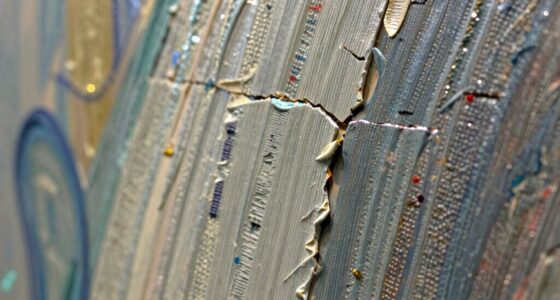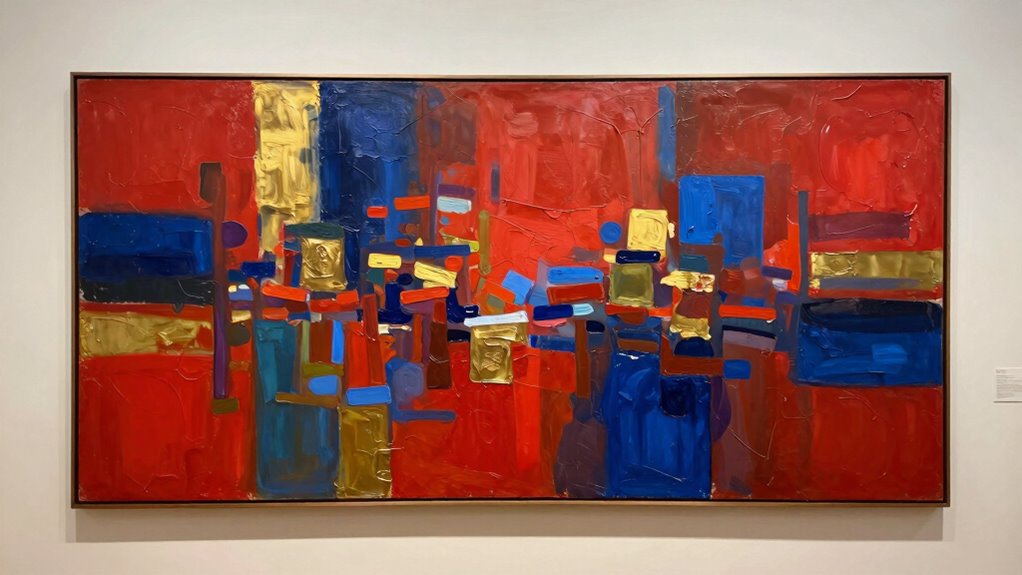

When you look at art from across the room, your brain processes it holistically, blending colors and shapes to create a stronger, more unified impression. Up close, tiny details and textures can distract or diminish the overall impact, while distant viewing emphasizes broader composition and harmony. Many artworks are designed to be appreciated from afar, where their mood and message come through most powerfully. Keep exploring, and you’ll discover how perception influences your art experience even more.
Listen free for 30 days with Audible
Thousands of audiobooks and originals — cancel anytime.
As an affiliate, we earn on qualifying purchases.
Key Takeaways
- Viewing from afar allows the brain to perceive the artwork’s overall composition, enhancing its visual impact.
- Distant viewing blends small details into harmonious color blocks, creating a more cohesive and vibrant appearance.
- Artistic intent often aims for emotional or aesthetic effects best appreciated from a distance.
- Close inspection reveals textures and imperfections that can distract from the artwork’s intended message.
- The holistic view from across the room emphasizes mood, tone, and balance, making the art more compelling.
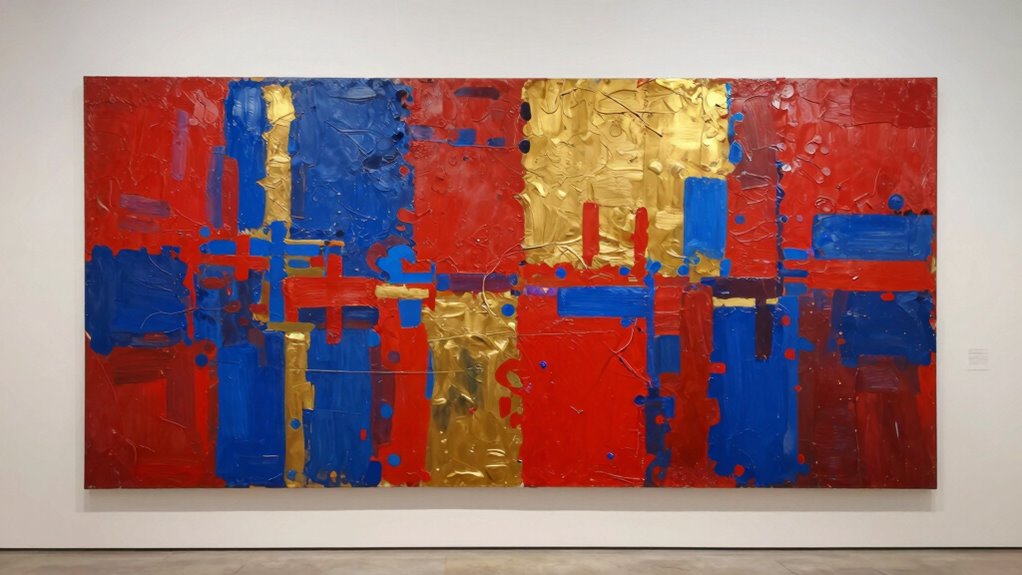
Have you ever noticed that artwork often seems more striking when viewed from across the room? It’s a common experience, and there’s a good reason behind it. When you stand back, your brain processes the piece differently than when you’re up close. This shift in perception is largely influenced by visual distance, which affects how you interpret colors and shapes. From afar, your eyes aren’t fixated on every tiny detail but instead focus on the overall composition. This holistic view allows your mind to synthesize color perception more effectively, making the artwork appear more vibrant and balanced.
As you step back, you’re not just seeing fewer details; you’re also experiencing a different relationship between colors. When you’re close, your eyes pick up subtle variations and textures—brushstrokes, tiny imperfections, or minute shifts in hue. These details can sometimes distract or even diminish the overall impact of the piece. But from across the room, your eyes blend these small variations into broader color blocks. Your brain interprets these blended colors as more harmonious, which often results in a more visually appealing experience. The concept of visual distance influences how your mind perceives color perception, smoothing out imperfections and emphasizing the artist’s intended mood or tone.
Your perception of a painting also depends on how your eyes and brain work together to interpret shapes and contrasts at different distances. Up close, you notice individual brushstrokes and minute textures, which can sometimes detract from the overall message or emotion the artist wants to convey. From across the room, however, your visual system integrates these details into a unified image. This integration enhances the overall aesthetic, making the artwork seem more powerful and cohesive. That’s why many masterpieces are designed to be appreciated from a distance—they’re meant to be experienced holistically, not just through minute inspection. Additionally, understanding the importance of visual perception can deepen your appreciation for how artists craft their work to communicate effectively from a distance.
Recognizing the role of perceptual processes in art appreciation can also help you develop a more mindful approach to viewing artwork, encouraging you to step back and see the entire composition rather than fixating on small details. So next time you find yourself captivated by a painting from across the room, remember that it’s your brain’s way of creating a more compelling, unified experience—one that often gets lost when you’re too close.
As an affiliate, we earn on qualifying purchases.
Frequently Asked Questions
How Does Distance Affect Our Perception of Art?
When you view art from a distance, you notice how perceptual illusions come into play, making shapes and colors blend seamlessly, which aligns with the artist’s intention. Up close, details may overwhelm or distort your perception, obscuring the overall message. Distance helps you appreciate the artistic intention behind the work, allowing your brain to interpret the composition holistically rather than fixating on individual elements.
Why Do Some Details Become Invisible up Close?
When you get close to art, tiny texture details and brushstrokes can blur together, making individual elements less noticeable. Your eyes focus on the overall composition, causing subtle texture details to fade. Additionally, color perception shifts up close, often revealing more muted or altered hues. This combination makes some details less visible, while from a distance, your brain blends these elements into a cohesive, striking image that’s more impactful.
Do Different Art Styles Influence Viewing Distance?
Yes, different art styles influence your viewing distance. For example, artworks with strong color harmony and bold shapes often look best from afar, where their visual impact is maximized. Conversely, pieces with high artistic complexity, intricate details, and subtle color shifts invite closer inspection. So, your distance depends on the style—simple, vibrant works suit viewing from across the room, while detailed, complex art rewards closer examination.
How Does Lighting Impact the Viewing Experience?
Lighting substantially impacts your viewing experience by creating an ambient glow that highlights artwork’s details and mood. Proper lighting minimizes harsh shadows and allows you to appreciate shadow play, adding depth and dimension. When the light is just right, it draws you in and enhances colors, textures, and contrasts. Conversely, poor lighting can obscure details or distort perception, making the art less engaging and harder to interpret up close.
Can Viewing Distance Change Our Emotional Response?
Imagine the distance as a bridge to emotional clarity. When you view art from afar, the broader strokes and overall symbolism resonate more deeply, shaping your emotional context. Closer, details demand your focus, inviting personal interpretation that might shift your feelings. So, yes, your viewing distance can change your emotional response—either amplifying the art’s message or offering a more intimate, nuanced connection based on how you interpret the visual story.
As an affiliate, we earn on qualifying purchases.
Conclusion
Next time you stand across the room, take a moment to really soak in the painting’s dance of colors and shapes. From afar, details blend into a harmonious symphony that your eye naturally seeks. Up close, those tiny brushstrokes can feel overwhelming, like a jumble of chaotic lines. So, step back and let the artwork breathe. You’ll find its true beauty unfolds, like a secret whisper, only visible when you view it from the perfect distance.
As an affiliate, we earn on qualifying purchases.
As an affiliate, we earn on qualifying purchases.
Flea & tick season Picks
flea and tick prevention
As an affiliate, we earn on qualifying purchases.