Using reference photos ethically and legally means always respecting privacy and obtaining permission, especially for images of people. Avoid using unlicensed photos, as this can lead to legal trouble, fines, or lawsuits. Be aware of copyright laws, licensing terms, and the importance of model releases. While fair use and Creative Commons can help, they come with specific rules and risks. Continuing to learn will help you navigate these boundaries confidently and responsibly.
Key Takeaways
- Always seek explicit permission or proper licensing before using or sharing copyrighted reference photos.
- Respect individuals’ privacy by anonymizing or obtaining consent when using photos of recognizable people.
- Be aware of copyright laws, licensing terms, and fair use policies to avoid legal infringement risks.
- Use reference photos ethically by crediting creators, adhering to license restrictions, and avoiding misrepresentation.
- Recognize potential legal and reputational risks from unauthorized use, and maintain documentation of permissions and licenses.
reference photo licensing and permissions
As an affiliate, we earn on qualifying purchases.
As an affiliate, we earn on qualifying purchases.
Why Are Reference Photos Important in Art and Photography
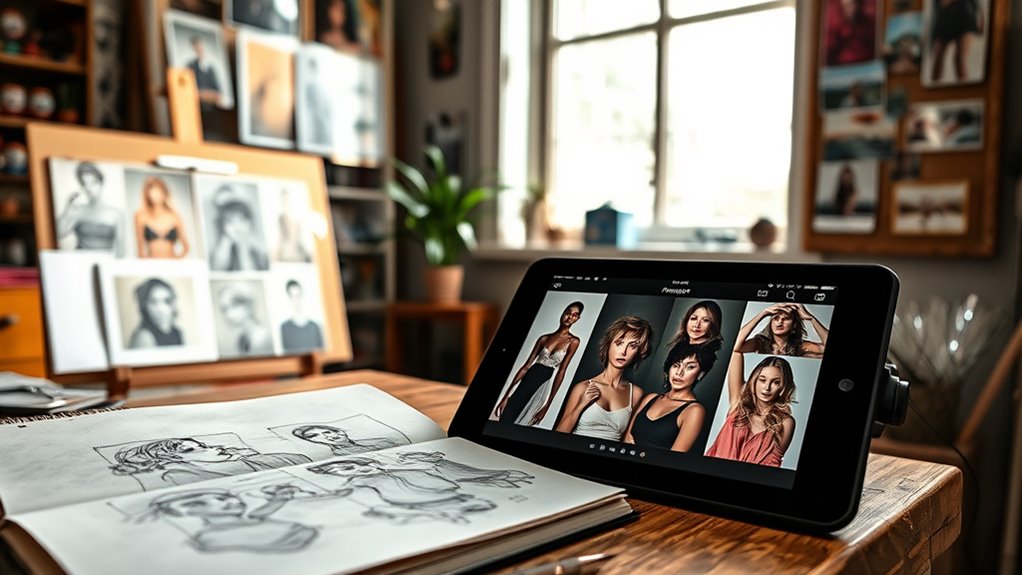
Have you ever struggled to capture the details or proportions of a complex subject? Reference photos are essential because they provide clear, accurate visual cues that help you achieve realism. They serve as a crucial tool for artistic inspiration, sparking ideas and guiding your creative process.
Additionally, reference images give you a reliable technical reference, ensuring correct anatomy, perspective, and lighting. Using photos allows you to study intricate details that might be difficult to observe directly, especially when working from imagination. Incorporating visual accuracy into your work enhances authenticity and helps you better understand how different elements interact in real life.
They help you maintain consistency and precision throughout your work. Ultimately, reference photos are invaluable in honing your skills, making your art or photography more believable and compelling. They bridge the gap between imagination and reality, elevating your craft. Color accuracy is also vital because it impacts the overall quality and realism of your work, helping you achieve more authentic results.

Model Media Photography Release Forms Lash Artist Intake Liability Sign | 100 Pack | Minor Photo Client Contract Agreement Microblading, Eyelash Extensions, Nail Tech 8.5 x 11” inches
100 TOTAL PAGES of Model Media Photography Release Forms
As an affiliate, we earn on qualifying purchases.
As an affiliate, we earn on qualifying purchases.
How Can I Respect Privacy and Personal Boundaries?
To respect privacy and personal boundaries, always ask for explicit consent before using someone’s photos as references. You should also anonymize sensitive details to protect identities and avoid sharing identifiable information. Remember to be considerate and respectful of personal boundaries to maintain trust and integrity in your work. Additionally, understanding the importance of privacy policies can help ensure that your practices align with legal and ethical standards. Being aware of potential risks involved in sharing images without permission can further safeguard both your reputation and the rights of others. Recognizing the influence of digital age distractions can also help you stay mindful of ethical boundaries when working with visual content.
Obtain Explicit Consent
Before using someone’s reference photos, you need to get clear, explicit consent. This process, known as consent acquisition, guarantees that the person understands how their image will be used and agrees to it. Be transparent about your intentions, whether for a project, artwork, or other purposes, and ask for their permission directly. Boundary setting is essential—respect their comfort levels and be prepared to honor any limits they specify. Avoid assuming consent and never pressure someone into agreement. Clear communication helps prevent misunderstandings and legal issues. Remember, obtaining explicit consent isn’t just about legality; it’s about respecting personal boundaries and fostering trust. Additionally, understanding privacy policies and cookie categories can help you navigate digital boundaries and ensure respectful interactions online. Always document the consent to protect both parties and maintain ethical standards. Being aware of the legal implications associated with using reference photos can further safeguard against potential disputes and violations. Moreover, understanding the ethical considerations involved can help ensure your practices align with moral standards and respect for individuals. Also, staying informed about potential scams related to photo usage can help you avoid unethical or fraudulent practices. Incorporating knowledge about Free Floating concepts can further guide ethical decision-making processes.
Anonymize Sensitive Details
Once you’ve obtained clear consent, it’s important to protect individuals’ privacy by anonymizing sensitive details in their reference photos. You can use pseudonymization techniques, such as blurring faces, removing identifiable features, or overlaying patterns to obscure personal identifiers. Incorporating sustainable practices into your editing process reflects a commitment to responsible content creation. Data anonymization helps guarantee that personal information can’t be traced back to someone. Implementing these methods reduces the risk of revealing private details while still allowing you to use the reference effectively. Remember, the goal is to respect privacy without compromising the usefulness of the photo. Always review the image carefully to ensure that no identifying features remain visible, and adapt your techniques as needed to maintain confidentiality. This approach helps you stay ethical and compliant with privacy standards.
Respect Personal Boundaries
Respecting personal boundaries is essential when using reference photos, as it demonstrates consideration for individuals’ comfort and privacy. You should always respect model boundaries by asking for permission before capturing or using their images. Recognize that cultural sensitivities vary; what’s acceptable in one culture may be intrusive in another. Be mindful of personal space and avoid sharing photos that could make someone uncomfortable or reveal private details. If someone sets limits, honor them without question. When working with diverse subjects, educate yourself about cultural norms to prevent unintentional offense. Understanding personal privacy is crucial in maintaining ethical standards in photography and image use. Showing respect fosters trust and ensures your use of reference photos remains ethical. By setting and honoring boundaries, you create a respectful environment that values individuals’ privacy and dignity. Additionally, being aware of sound healing science can help you approach sensitive topics with more cultural awareness and respect. Practicing active listening and being receptive to feedback can further help you navigate cultural norms effectively and ethically. Moreover, knowing the importance of ethical considerations in photography helps reinforce respectful interactions with subjects and viewers alike. Recognizing the potential for misuse of images underscores the importance of safeguarding personal and cultural sensitivities.
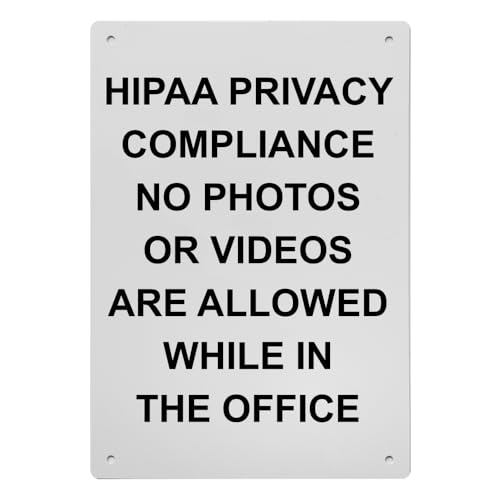
Hipaa Privacy Compliance No Photos Sign, 8.5 x 11 in" OSHA Compliant Policies Regulations Sign, Weatherproof Plastic, UV resistant & Easy-to-Read Signage
MESSAGE TEXT: Hipaa Privacy Compliance No Photos Or Videos Are Allowed While In The Office
As an affiliate, we earn on qualifying purchases.
As an affiliate, we earn on qualifying purchases.
What Are the Legal Rules for Using Photos?
When you use photos, you need to understand copyright laws and fair use policies to avoid legal trouble. You must also get proper permissions or licenses if the images aren’t in the public domain. Knowing these rules helps you use photos responsibly and legally. Additionally, understanding the transformative use doctrine can help determine whether your use qualifies as fair use. Being aware of content licensing options can also give you clarity on what is permissible. Recognizing toilet-related imagery and its appropriate application can further aid in ethical content usage. For example, understanding the net worth of public figures can influence how you represent them visually, ensuring respectful and lawful use of their images. It’s also important to consider image context to ensure that photos are used appropriately and ethically.
Copyright Laws and Fair Use
Understanding copyright laws is essential before using any photos, as these rules determine what’s legally allowed. Fair use can sometimes permit limited photo use for commentary, criticism, or education, but it’s tricky. You must consider model restrictions, which restrict using images of recognizable people without consent, and uphold ethical considerations to avoid misrepresentation. To clarify, here’s a quick overview:
| Condition | Allowed? | Notes |
|---|---|---|
| Using for commercial purposes | Usually not | Needs permission |
| Educational use | Often yes | Fair use might apply |
| Altering images | Sometimes, depends on extent | Fair use considerations |
| Recognizable individuals | Limited without consent | Model restrictions apply |
| Critique or commentary | Possibly, under fair use | Context matters |
Permissions and Licensing Requirements
Before using any photo, you need to guarantee you have the proper permissions and licensing. This means obtaining model releases if the image features identifiable people, giving you legal protection and clarity. Support Breakfast and related offerings can sometimes be featured in images, so verifying rights is essential. Licensing agreements specify how you can use the photo—whether for commercial, editorial, or personal purposes—and define any restrictions. Always review these agreements carefully to ensure compliance with copyright laws.
Without proper permissions or licensing, you risk legal action or fines. If you’re using stock photos, verify the licensing terms, and keep records of all agreements.
When photographing subjects, secure signed model releases to avoid future disputes. Understanding these legal requirements helps you use reference photos ethically and legally, reducing your risk of infringement.

Vintage Botanical Illustration: Copyright-Free Images for Artists, Designers and Plant Lovers (Image Archive Series by Vault Editions)
As an affiliate, we earn on qualifying purchases.
As an affiliate, we earn on qualifying purchases.
What Are the Risks of Using Unlicensed Images?
Have you ever considered the legal and financial consequences of using unlicensed images? When you use images without proper permissions, you risk being accused of image theft, which can lead to costly lawsuits. Unauthorized sharing of copyrighted photos can damage your reputation and result in hefty fines or even criminal charges. Even if you don’t intend to steal, unknowingly using unlicensed images puts you in legal jeopardy. Platforms and copyright holders actively monitor for violations and can take swift action against infringers. Beyond legal issues, your credibility may suffer if clients or audiences discover you’ve used images without proper licensing. Protect yourself by always verifying licenses and avoiding unlicensed photos, ensuring you stay clear of costly legal pitfalls. Additionally, using licensed content from reputable sources helps maintain your integrity and compliance with copyright laws. Recognizing the importance of digital content management can also assist you in staying organized and compliant with licensing requirements. Staying informed about copyright enforcement trends can further help you avoid unintentional violations and legal risks. Being aware of intellectual property rights can also guide you in respecting creators’ work and avoiding infringement claims.
How Can I Use Photos Responsibly and Creatively?

Using photos responsibly and creatively starts with respecting copyright laws and licensing agreements. Knowing ethical boundaries helps you avoid legal issues and shows respect for original creators.
To be creative, explore techniques like combining multiple reference photos or altering images to fit your vision, ensuring you add your unique touch. Use your skills to reinterpret photos, which enhances your work’s originality and adheres to ethical standards.
Experiment with different angles, lighting, and compositions to develop your style without infringing on someone’s rights. Remember, responsible use means giving credit when appropriate and staying within the scope of licenses.
What Should I Know About Photos of People?
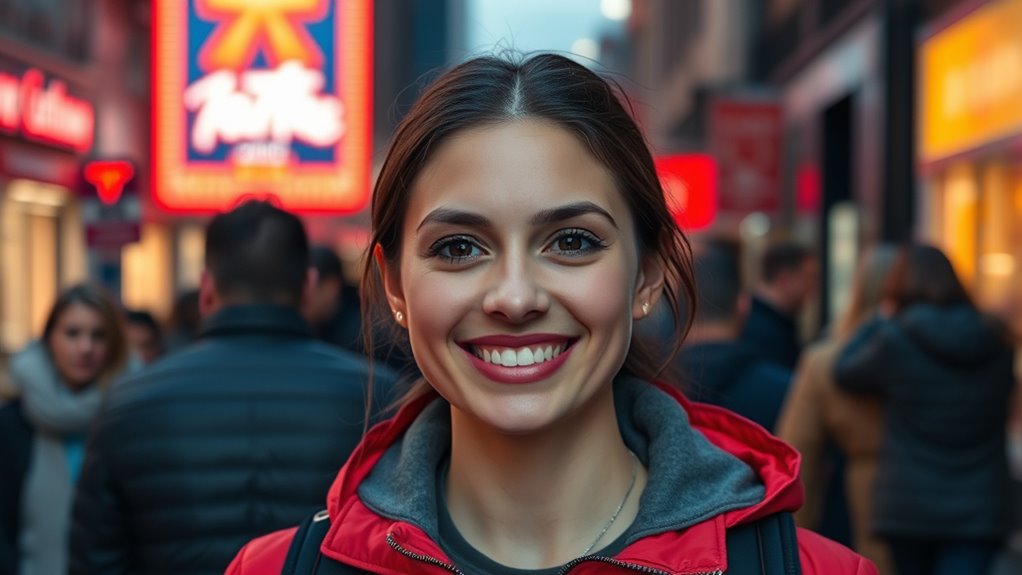
When working with photos of people, understanding the legal and ethical considerations is essential. You must respect model privacy by obtaining proper consent before using or sharing images of individuals, especially in sensitive or commercial contexts.
Be cautious with photo manipulation; altering images can misrepresent or harm a person’s reputation, raising ethical issues. Avoid deceptive edits that could infringe on someone’s rights or create false impressions.
Remember, even if a photo is publicly available, it doesn’t automatically mean you have permission to use or modify it. Always consider the context and potential impact on the person depicted.
Being transparent and respectful helps protect you legally and ethically, ensuring your work remains responsible and trustworthy.
How Do Fair Use and Creative Commons Work for Photos?
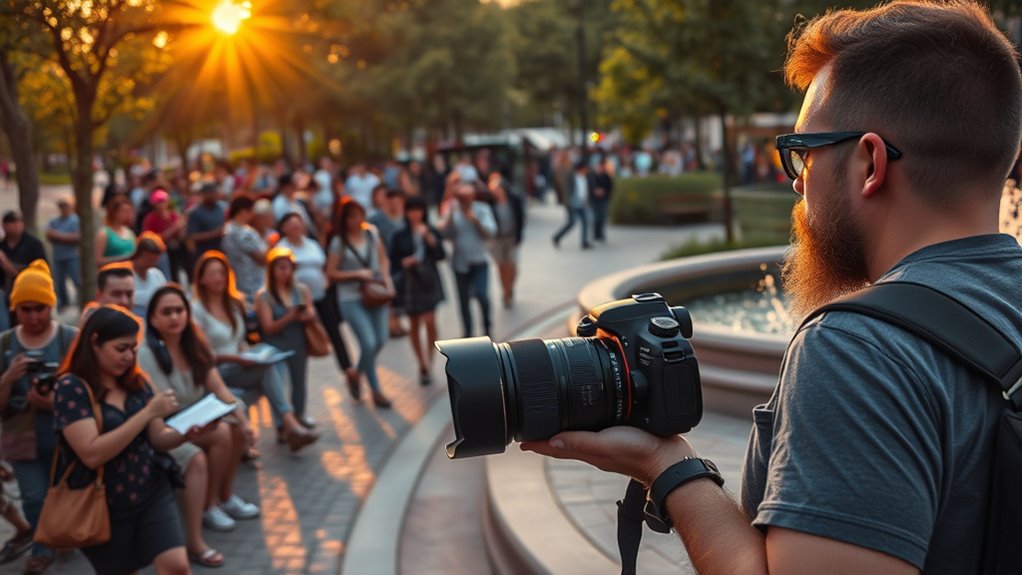
Understanding the legal frameworks that govern photo use can help you navigate your rights and responsibilities. Fair use allows limited use of copyrighted images without permission, typically for commentary, criticism, or education, but it’s risky and situational.
Creative Commons (CC) licenses offer clearer options—each license specifies how you can use the image, often requiring image attribution and adherence to licensing agreements. Some CC licenses permit commercial use, others don’t; some need you to share derivatives under the same terms.
Always check the licensing agreement attached to a photo, and give proper image attribution when required. Knowing these rules helps you stay legal and respectful, avoiding potential infringement issues while using reference photos responsibly.
Frequently Asked Questions
Can I Modify a Reference Photo Without Permission?
You can’t modify a reference photo without permission, especially if it involves the model’s rights. To stay safe, consider model permissions and conduct a fair use analysis.
If the modification is transformative or for commentary, it might qualify as fair use, but this isn’t guaranteed. Always seek permission or consult legal advice to avoid infringing on rights and facing potential legal issues.
Are There Specific Licenses That Restrict Photo Editing?
Yes, some photo licenses, like Creative Commons licenses with editing restrictions, explicitly limit how you can modify images. Always check the photo licensing terms before editing, as certain licenses prohibit alterations or commercial use. Ignoring these restrictions can lead to legal issues.
How Do I Credit Photographers Properly?
You should always provide proper model attribution and follow licensing requirements when crediting photographers.
Check the license details to see if attribution is needed and how to do it correctly. Typically, you’ll include the photographer’s name, the photo title, and the license type.
Giving credit clearly and accurately respects their work, avoids legal issues, and adheres to licensing terms, ensuring you’re ethically and legally using reference photos.
What Are the Consequences of Using Copyrighted Images?
Using copyrighted images without proper permission can lead to legal consequences like fines or lawsuits. You might also damage your reputation if you ignore image attribution rules.
While fair use can sometimes cover your use, it’s risky and often unclear. To stay safe, always seek permission or use images with clear licenses, and give proper image attribution to respect creators’ rights and avoid potential legal issues.
Is It Ethical to Use Photos of Minors?
Using photos of minors without proper consent considerations isn’t ethical, as it disregards their privacy and safety. You must respect age restrictions and obtain permission from guardians before sharing or using such images.
Failing to do so risks harm to minors and potential legal consequences. Always prioritize ethical standards by ensuring you have explicit consent and follow age-related guidelines to protect minors’ well-being and maintain integrity.
Conclusion
Understanding the ethics and laws around reference photos helps you create responsibly. Respect privacy, seek proper licenses, and consider fair use and Creative Commons options. By doing so, you protect yourself from legal issues and honor others’ boundaries. Use reference photos as tools for inspiration, not shortcuts, and always prioritize respectful, honest practices. This approach keeps your work authentic, lawful, and ethically sound, ensuring you build a positive reputation as an artist or photographer.