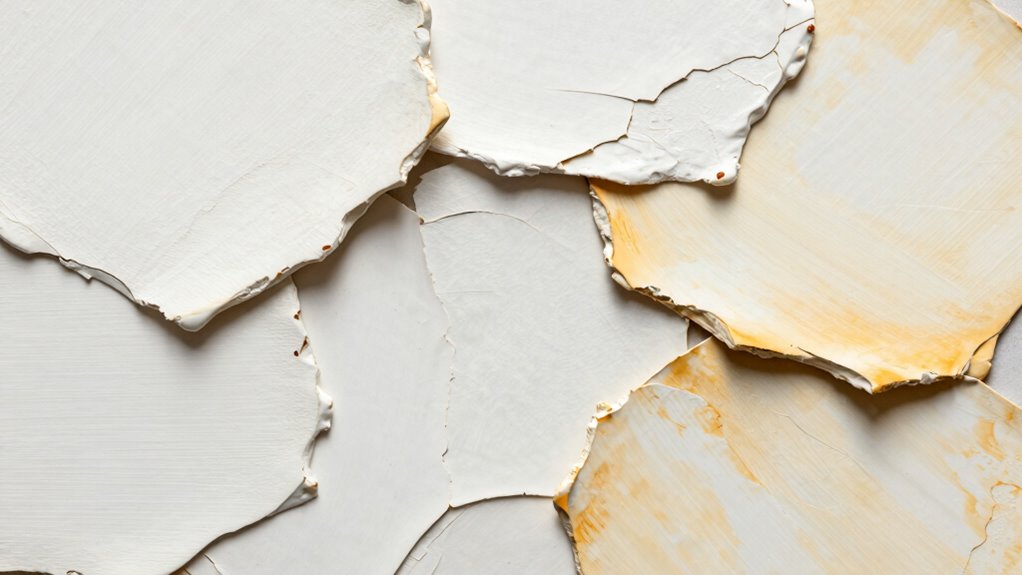
Not all whites stay bright; understanding binder chemistry reveals why some develop warm yellow tones over time.
Browsing Category
Materials & Craft Science
21 posts
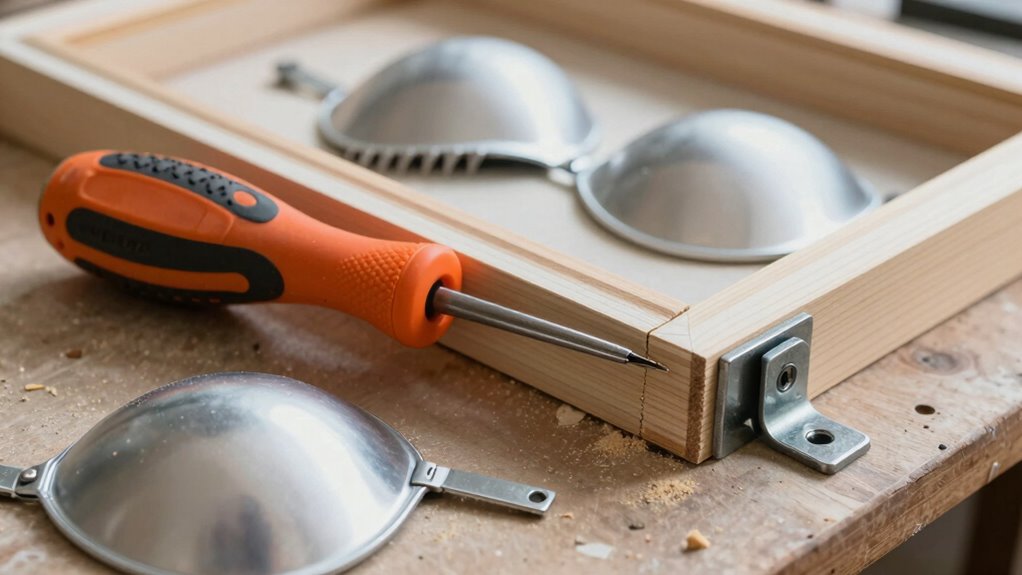
Glass Vs Acrylic Glazing: the Scratch Vs Shatter Tradeoff Explained
Finding the perfect glazing material involves weighing scratch resistance against shatter risk—discover which option suits your needs best.
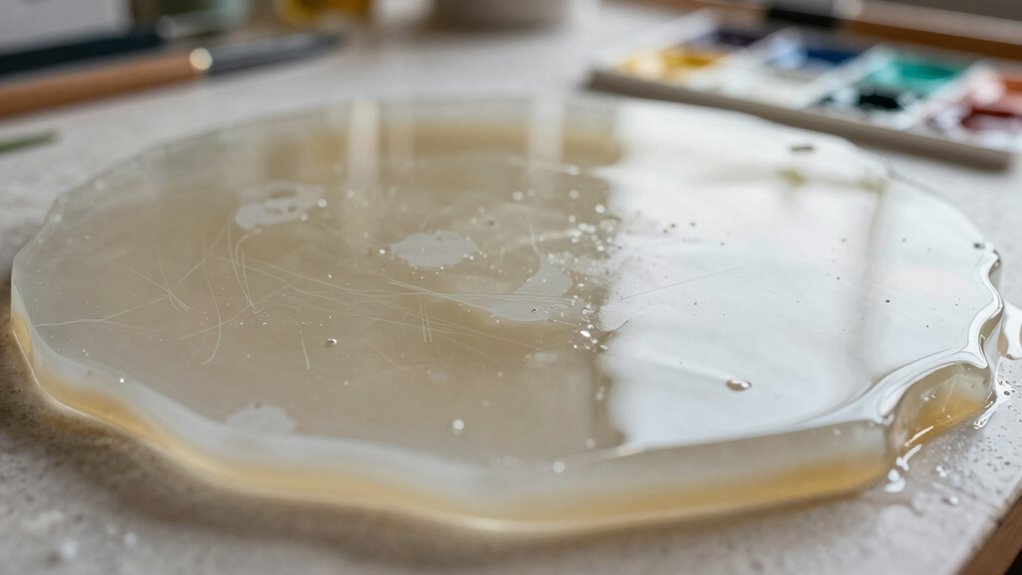
Resin Curing Explained: Why ‘Tacky’ Happens and How Artists Avoid It
Curing resin can be tricky; discover why it stays tacky and how artists can prevent this common issue to achieve flawless results.
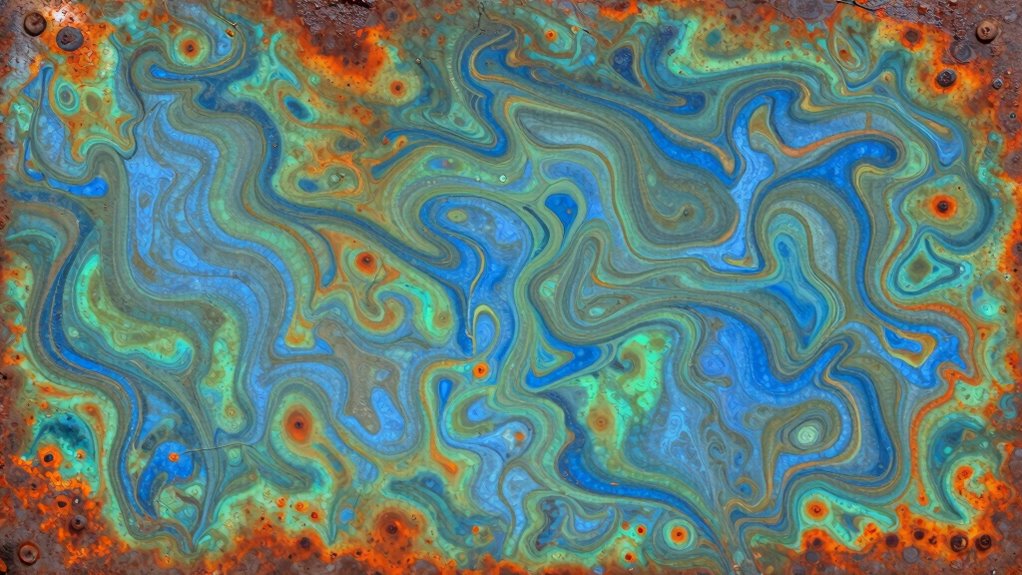
Patina on Metal: The Controlled Oxidation That Looks Like Magic
Patina on metal: the mesmerizing controlled oxidation process that transforms surfaces with vibrant colors and textures—discover how to create and preserve this magical finish.
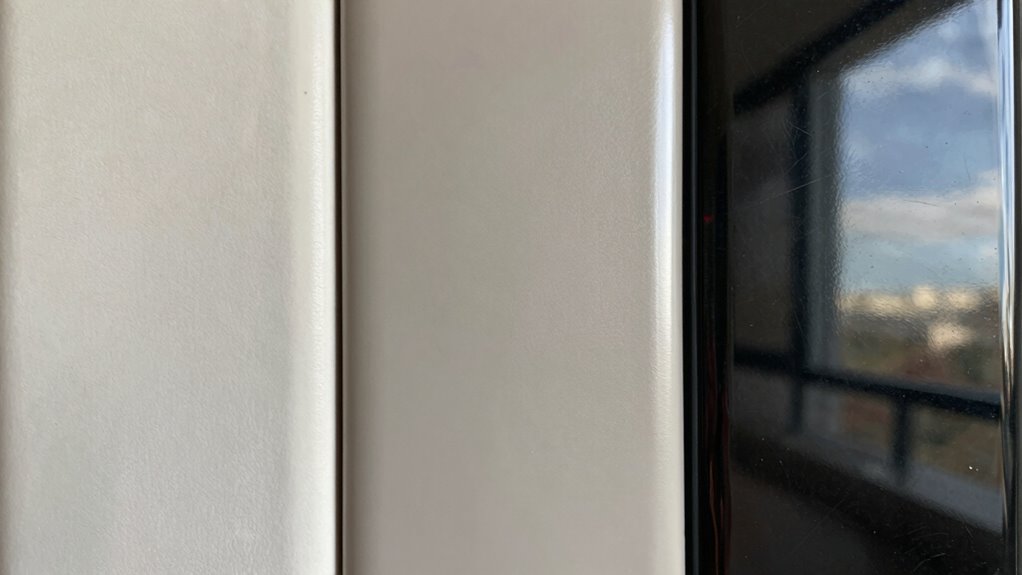
Metal Sculpture 101: Bronze Vs Steel Vs Aluminum-How They Age
When choosing metals for sculptures, understanding how bronze, steel, and aluminum age…
Why Some Prints Bronzing or Gloss Differential Happens
Many factors influence why some prints exhibit bronzing or gloss differences, and understanding them can help you prevent or manage these issues effectively.
Adhesives in Art: Which Glues Age Well (and Which Fail Fast)
How adhesives age in art depends on their chemical makeup and environment, and understanding this can help you choose the best glue for lasting creations.
Mounting Methods for Works on Paper: Hinge, Float, or Dry Mount?
Mounting methods for works on paper—hinge, float, or dry mount—offer unique benefits and drawbacks that can impact your artwork’s preservation and presentation; discover which is best for you.
Archival Inks Explained: Why Some Blacks Stay Black
Understanding why some black inks stay black longer involves key factors that influence their lasting vibrancy.
Paper Weight (GSM) for Art Prints: What the Numbers Mean
Sifting through GSM numbers helps you choose the perfect paper weight for your art prints—learn what these numbers really mean to make informed decisions.