“pH neutral” means the material’s pH level is around 7, indicating a balanced, non-reactive environment for your art. Unlike “acid-free,” which ensures materials won’t become acidic over time, pH neutrality helps prevent acids from damaging your artwork’s fibers and colors. Using pH-neutral supplies supports long-term preservation, maintaining the vibrancy and stability of your pieces. To protect your collection effectively, understanding these differences is key—you’ll discover more insights as you continue.

Prime made for students and young adults
- Fast, free delivery for dorm and study essentials
- Prime Video and Amazon Music included
- Member-only deals
Key Takeaways
- “pH neutral” indicates a material has a balanced pH close to 7, reducing acid-related deterioration in artworks.
- Unlike “acid-free,” which implies no acid presence, “pH neutral” emphasizes a stable, non-reactive environment.
- Both terms relate to preservation, but “pH neutral” specifically describes the pH level of storage or mounting materials.
- Maintaining pH neutrality helps prevent the acids that cause paper brittleness, discoloration, and long-term degradation.
- Choosing pH-neutral materials ensures consistent, long-lasting protection for artworks, beyond just being acid-free.
pH neutral acid-free archival storage paper
As an affiliate, we earn on qualifying purchases.
As an affiliate, we earn on qualifying purchases.
Understanding Ph Levels in Art Materials
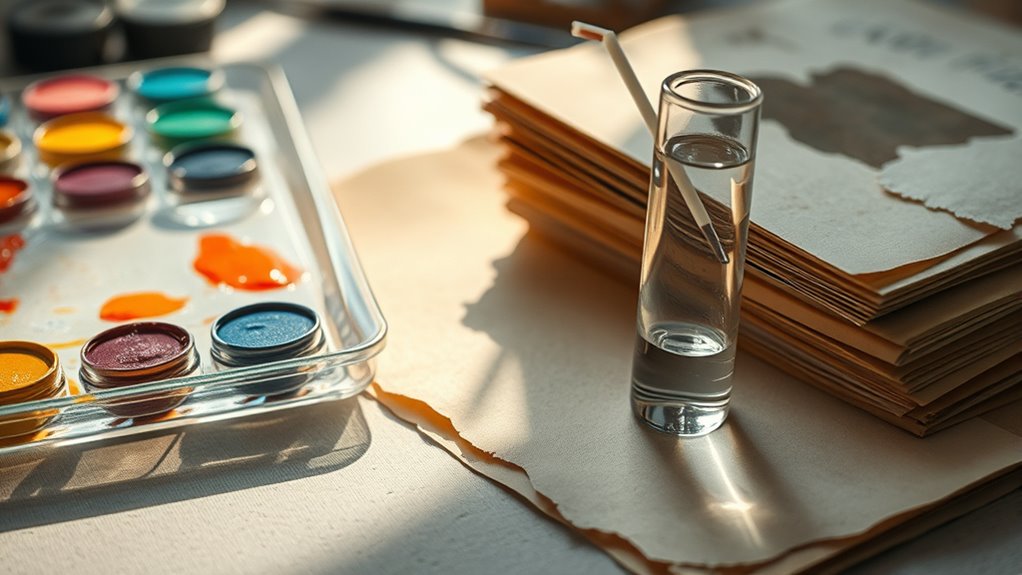
Understanding pH levels in art materials is essential because it directly affects the longevity and stability of your artwork. The pH scale measures how acidic or alkaline a substance is, ranging from 0 (most acidic) to 14 (most alkaline), with 7 being neutral. Knowing the pH helps you choose materials that won’t deteriorate over time. Some materials have a buffering capacity, meaning they resist changes in pH, helping maintain stability. For example, pH-neutral papers and paints are less likely to cause deterioration or discoloration. Being aware of these pH properties guarantees your artwork remains vibrant and intact for years. Properly understanding and managing pH levels is a key step in preserving your creative investments. Additionally, using acid-free and pH-neutral storage materials can significantly extend the lifespan of your artwork by preventing acid migration and deterioration over time. Recognizing buffering capacity in your materials can further protect your art from eventual degradation and material stability is crucial for long-term preservation. Incorporating pH testing can help artists monitor and ensure the continued neutrality of their materials over time.
pH neutral mounting board for artwork
As an affiliate, we earn on qualifying purchases.
As an affiliate, we earn on qualifying purchases.
The Difference Between Acid-Free and Ph Neutral
While both acid-free and pH-neutral materials are important for art preservation, they serve different purposes. Acid-free materials have a neutral or alkaline pH, preventing acid migration that can damage art over time. pH-neutral materials maintain a balanced pH, ensuring long-term stability. Understanding their differences is essential for selecting the right materials, especially considering historical significance and material composition. For example, some papers are inherently acid-free due to their manufacturing process, while others are treated to be pH-neutral. Here’s a quick comparison:
| Aspect | Acid-Free | pH-Neutral |
|---|---|---|
| Historical Significance | Often vintage or archival | Modern, engineered products |
| Material Composition | Usually lignin-free paper | Typically balanced buffering agents |
| Purpose | Prevents acid deterioration | Maintains stable environment |
| Usage | Archival storage | Framing, mounting |
Additionally, choosing the right material can significantly impact the material durability, making it crucial to understand these differences. Proper selection of archival-quality materials can help preserve art for generations to come. Moreover, understanding acid migration is vital when selecting storage and display options to prevent long-term damage. Being aware of the manufacturing process can also influence your choice of preservation materials, ensuring optimal protection for your artwork.
acid-free art preservation supplies
As an affiliate, we earn on qualifying purchases.
As an affiliate, we earn on qualifying purchases.
How Acidic Materials Can Damage Artwork Over Time
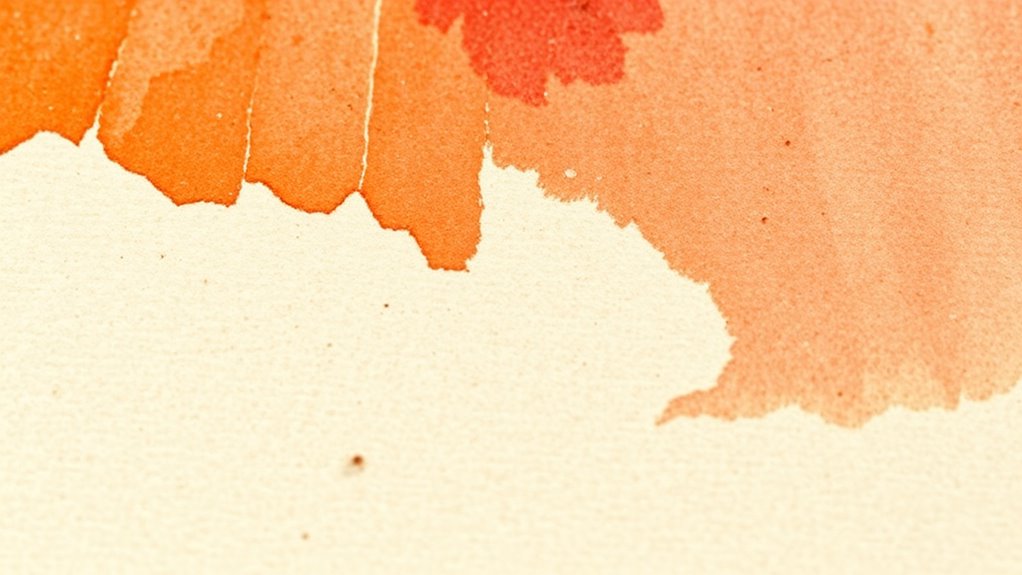
Even materials labeled as acid-free or pH-neutral can pose risks if their composition isn’t suitable for your artwork. Acidic degradation occurs when materials slowly release acids that break down paper fibers, causing brittleness and discoloration over time. These acids can also migrate to your artwork, accelerating deterioration. Poor material stability means that some products may become acidic or lose their pH balance as they age, undermining their protective qualities. If you use incompatible storage or framing materials, your artwork may suffer from long-term damage, even if initially safe. It’s essential to choose archival-quality materials with proven stability and neutral pH levels. Properly selected materials help maintain your artwork’s integrity and prevent the silent, ongoing damage caused by acidity. Additionally, understanding the importance of material stability can help you select options that won’t degrade or alter over time, ensuring lasting preservation. Regular testing of storage materials can also help detect pH fluctuations before they affect your artwork, and staying informed about archival standards can guide you in making better preservation choices. Being aware of material aging helps in planning how to replace or monitor storage solutions over the years. Incorporating pH testing into your preservation routine can provide early warnings of potential acidification issues.
pH testing kit for art materials
As an affiliate, we earn on qualifying purchases.
As an affiliate, we earn on qualifying purchases.
Choosing the Right Archival Products for Preservation
Choosing the right archival products is essential to guarantee your artwork’s long-term preservation. Start with pH testing to confirm materials are truly neutral or alkaline, preventing acid migration. When selecting adhesives, opt for archival adhesives specifically designed for art, which won’t yellow or degrade over time. Here are key considerations:
- Verify pH neutrality through testing before use.
- Choose acid-free, lignin-free storage materials.
- Use archival adhesives that are pH neutral and reversible.
- Avoid products containing plasticizers or harmful chemicals.
- Regularly monitor the pH stability of stored materials to ensure ongoing preservation quality. Additionally, understanding the cosmic connections between materials and their environmental context can provide insight into optimal preservation conditions. Maintaining proper environmental conditions is crucial for long-term preservation and can help mitigate unforeseen chemical interactions, especially when considering the chemical interactions that might occur over time in different storage environments.
The Long-Term Benefits of Using Ph Neutral Supplies

Using pH-neutral supplies offers significant long-term benefits for your artwork’s preservation. These supplies promote chemical stability, which helps prevent deterioration caused by acidity or alkalinity. Over time, non-neutral materials can accelerate aging effects, leading to yellowing, brittleness, and fading. By choosing pH-neutral options, you minimize these risks, ensuring your artwork remains vibrant and intact for decades. Neutral supplies act as a protective barrier, reducing the chances of chemical reactions that degrade paper, paint, or other media. This stability is especially critical for valuable or delicate pieces, as it prolongs their lifespan and maintains their original appearance. Investing in pH-neutral materials today means fewer conservation efforts later, preserving your art’s beauty and integrity for future generations. Additionally, understanding environmental considerations helps in selecting supplies that are sustainable and eco-friendly, further safeguarding your artwork and the planet. Selecting acid-free storage options can further enhance the longevity of your art collection. Incorporating pH-neutral materials into your conservation practices provides a reliable foundation for long-term preservation, especially for sensitive media. Implementing proper handling techniques is also essential to prevent accidental damage and ensure the longevity of your pieces. Adopting pH-neutral practices also supports long-term preservation, making it a smart choice for collectors and artists alike.
Frequently Asked Questions
Can Ph Neutral Materials Be Used on All Types of Artwork?
You can generally use pH neutral materials on most types of artwork, but it’s crucial to take into account specific conservation needs. pH neutral, archival quality materials help prevent deterioration and are suitable for art conservation. However, some delicate or unique pieces may require specialized treatments. Always assess each artwork’s individual requirements and consult conservation experts to ensure the safest, most appropriate preservation methods.
How Do I Test the Ph Level of My Art Supplies?
To test the pH level of your art supplies, you need pH testing strips or a digital pH meter. Dip the strip into the material or apply a small amount of liquid from it, then compare the color change to the provided chart. This helps guarantee material compatibility with your artwork. Regular testing maintains proper pH balance, protecting your art from deterioration caused by acidity or alkalinity.
Are Ph Neutral Products More Expensive Than Regular Materials?
Ph neutral products can be more expensive than regular materials due to pricing differences influenced by their material safety and production processes. These products often require higher-quality ingredients and strict manufacturing standards, which drive up costs. While the initial investment might be higher, they offer better long-term preservation for your artwork, reducing deterioration and ensuring your pieces stay vibrant over time. Prioritizing pH neutrality can be a wise choice for safeguarding your art.
Do All Brands Guarantee True Ph Neutrality or Acid-Free Status?
Not all brands guarantee true pH neutrality or acid-free status. You should check for official Brand Certification, which confirms the product meets industry standards. Keep in mind, Material Variability can affect pH levels, so some products labeled as pH neutral might not be consistent. Always research the brand’s certifications and reviews to make sure you’re getting genuine, high-quality materials that truly support your artwork’s longevity.
What Are the Signs That Artwork Has Been Damaged by Acidic Materials?
You’ll notice artwork damaged by acidic materials if you see color fading or paper deterioration. Acidic substances cause colors to fade unevenly and weaken the paper’s fibers, leading to brittleness or crumbling edges. Over time, these signs become more pronounced, making the artwork look aged or damaged prematurely. Regularly inspecting your art for these clues helps you catch acidic damage early and preserve its original beauty longer.
Conclusion
Now that you understand the importance of pH neutrality, you realize it’s more than just a buzzword. Using the right materials can mean the difference between your artwork thriving or fading with time. But what if the true impact lies in the unseen? As you choose your supplies carefully, remember—every decision shapes your art’s future. Don’t leave it to chance. The secret to lasting preservation might just depend on what you don’t see… yet.
Fall Picks
fall essentials
As an affiliate, we earn on qualifying purchases.