When choosing between cotton and linen canvases, consider how their material differences impact your artwork’s look, durability, and value. Linen offers a smoother, finer surface that’s more resistant to wear and lasts longer, making it ideal for detailed or professional work. Cotton is softer, more affordable, and easier to work with. Knowing these distinctions helps you pick the right fit for your style and future projects—continue exploring to discover which suits your needs best.
Key Takeaways
- Surface texture and finish influence suitability for detailed work (linen) versus expressive styles (cotton).
- Durability and resistance to wear vary, with linen generally more long-lasting due to fiber strength.
- Cost differences affect long-term value; linen’s durability may justify higher initial investment.
- Material properties impact dye absorption, affecting color vibrancy and surface appearance.
- Environmental impact and sustainability are considerations, with linen typically being more eco-friendly.
TSSART Linen Hinging Tape - Self-Adhesive Hinging Tape for Prints Matte Frames, Artwork Matting - Acid Free 1.25inch x 35ft
TSSART LINEN HINGING TAPE - Made of quality linen fabric, bendable and durable, help make fast work of...
As an affiliate, we earn on qualifying purchases.
Material Composition and Texture
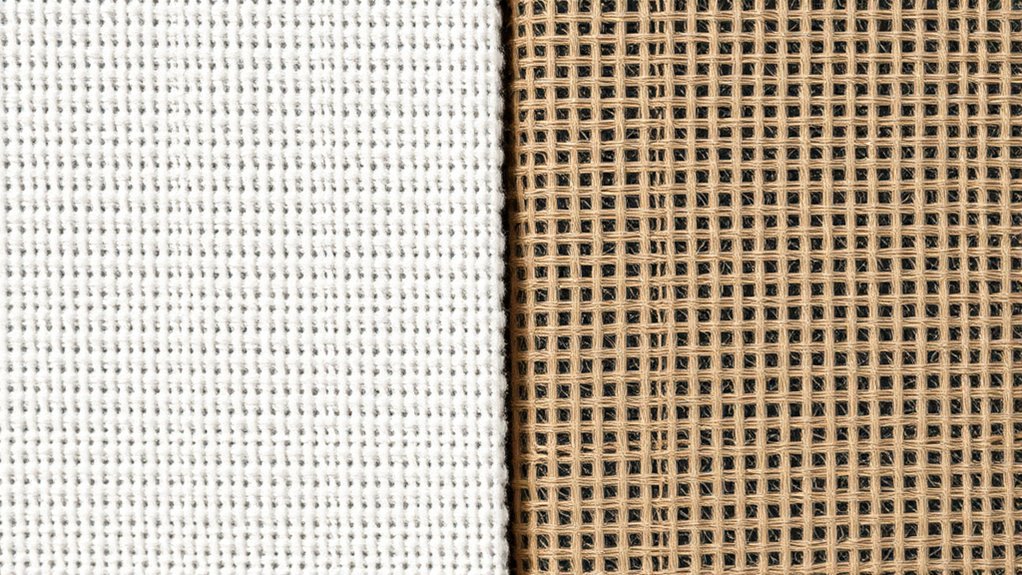
When comparing different canvas materials, understanding their composition and texture is essential. Cotton and linen have distinct weaving patterns that influence their overall feel. Cotton typically features a tighter weave, resulting in a smoother surface, while linen’s looser weave creates a more textured finish. These differences impact dye absorption; cotton tends to absorb dyes more evenly, producing vibrant colors, whereas linen’s irregular weave can lead to subtle variations in hue. The fibers also contribute to the canvas’s texture—cotton offers a softer touch, ideal for detailed work, while linen provides a sturdier, more textured surface suited for durability. Additionally, the choice between cotton and linen can affect how well the fabric withstands wear and tear, influencing its longevity and performance in various applications. Understanding the fiber properties can help you select the best material for your specific needs, whether for art, upholstery, or other uses. Recognizing these key differences helps you choose the right material based on how it’s woven and how well it absorbs dye, shaping your final artistic or practical result. A thorough understanding of material properties can help you make more informed decisions when selecting the ideal canvas for your projects. Furthermore, considering the environmental impact of each material may influence your choice depending on sustainability preferences.

Lineco 4 Inches See-Through Archival Polyester Mounting Strips. Acid-Free, Framing Photos, Hinge-Less, Sturdy, Safe, Conservation, Easy, Artwork, Craft, DIY. (Pack of 60)
HIGH QUALITY: Sturdy and safe, these mounting strips are made from conservation quality archival polyester (Melinex or equivalent)...
As an affiliate, we earn on qualifying purchases.
Durability and Wear Resistance

When choosing canvas, you want materials that can stand up to daily use. Material strength and resilience determine how well your canvas holds up over time. Resistance to wear and tear is key to ensuring your investment lasts. Additionally, selecting a fabric with durability factors can help you make a more informed decision. Considering abrasion resistance can further extend the lifespan of your canvas, especially in high-traffic or demanding environments. Understanding fabric composition can also influence how well your canvas resists physical damage over time, including its ability to withstand piercing and other stressors. Regular maintenance and inspections, as recommended in appliance maintenance plans, can help preserve your canvas’s integrity and prolong its lifespan.
Material Strength and Resilience
Have you ever wondered which canvas material stands up best to daily wear and tear? Material strength and resilience depend heavily on fiber flexibility and surface porosity. Cotton fibers are naturally flexible, allowing them to bend without breaking, which enhances resilience. Linen, while strong, tends to have higher surface porosity, making it more susceptible to surface damage over time. This difference impacts their material durability and suitability for various applications. Additionally, the fiber properties play a crucial role in determining how each fabric responds under different conditions. A better understanding of material composition can help in choosing the right canvas for specific needs. Recognizing the fabric characteristics can also aid in predicting how each material will perform during use. The visual and auditory cues can also aid in understanding these material differences and their practical implications. This table highlights key differences:
| Aspect | Cotton Canvas | Linen Canvas |
|---|---|---|
| Fiber Flexibility | High, bends easily | Moderate, stiffer |
| Surface Porosity | Lower, smooth surface | Higher, more porous surface |
| Resilience | Good, tolerates bending | Moderate, more prone to wear |
| Wear Resistance | Excellent with proper care | Slightly less durable |
| Overall Strength | Strong and flexible | Strong but less flexible |
Resistance to Wear and Tear
Cotton and linen canvases differ markedly in how they withstand daily wear and tear. Cotton’s fiber twist tends to be tighter, adding strength, but its weave density can vary, affecting durability over time. Linen, on the other hand, generally has a higher weave density, making it more resistant to abrasion and fraying. Linen fibers are stronger and less prone to breaking under stress, which enhances its wear resistance. Additionally, fiber strength plays a crucial role in a canvas’s longevity, with linen typically outperforming cotton in this aspect. Linen’s fiber resilience also allows it to recover better after bending or stretching, contributing to its durability. The inherent fiber durability of linen makes it especially suitable for artworks or items that require long-term use. Moreover, material composition influences how well a canvas endures environmental factors like humidity and sunlight, further affecting its lifespan. Proper care and handling still matter, regardless of the material, to ensure your canvas remains intact longer.

Lineco Self-Adhesive Linen Hinging Tape, 1.25 Inch x 35 Feet, Neutral pH Acrylic Adhesive, Acid-Free, Hinging Artwork, White
Linen tape is an acid free tape
As an affiliate, we earn on qualifying purchases.
Cost and Value for Money

When comparing canvas materials, you’ll want to take into account both price differences and overall affordability. While some options may cost less upfront, they might not offer the same long-term durability and value. Balancing initial costs with how well the material holds up over time helps you find the best value for your money. Considering Free Floating properties can also influence your decision, as they impact the longevity and maintenance requirements of the fabric. Additionally, evaluating the wear resistance of each fabric can help ensure you select a material that maintains its appearance and function over time. Incorporating connected fitness concepts into your choice—such as selecting durable, easy-to-maintain fabrics—can support long-term wellness and sustainability. Being aware of cost versus durability factors can further guide you toward a choice that balances affordability with lasting quality, especially as modern AI tools can assist in comparing material specifications and customer reviews efficiently.
Price Differences and Affordability
Are you trying to find the best value for your money when choosing a canvas material? Pricing variations between cotton and linen can be significant, affecting your budget considerations. Cotton canvases tend to be more affordable, making them a popular choice for beginners or those working with tight budgets. Linen canvases, on the other hand, generally come with a higher price tag due to their premium quality and production costs. While initial costs differ, it’s important to weigh the long-term value. Lower-priced cotton might seem appealing, but if durability or finish quality is vital, investing in linen could save you money in the long run. Ultimately, understanding the price differences helps you make an informed decision that balances affordability with the quality you need.
Durability and Long-Term Value
Although cotton canvases often come at a lower initial cost, their durability may not match that of linen, which is known for its strength and longevity. Linen’s fiber density and weaving pattern contribute to its superior resistance to wear and tear over time. Linen’s fiber density and weaving pattern are key factors in its durability. Cotton tends to have a looser weave, making it more susceptible to fraying and weakening with age. When evaluating long-term value, consider that linen’s durability can save you money in the long run by reducing the need for replacement or repairs. Additionally, material quality plays a significant role in how well a canvas ages and withstands use over time. Here’s a quick comparison:
| Feature | Cotton Canvas | Linen Canvas |
|---|---|---|
| Fiber Density | Lower, looser weave | Higher, tighter weave |
| Weaving Pattern | Less dense, more prone to fraying | Denser, more durable pattern |
| Longevity | Moderate | Long-lasting |
| Cost-Effectiveness | Lower initial cost, higher replacement | Higher initial cost, better value over time |

Canson Transparent Double Sided Adhesive Photo Box Tab
As an affiliate, we earn on qualifying purchases.
Environmental Impact and Sustainability
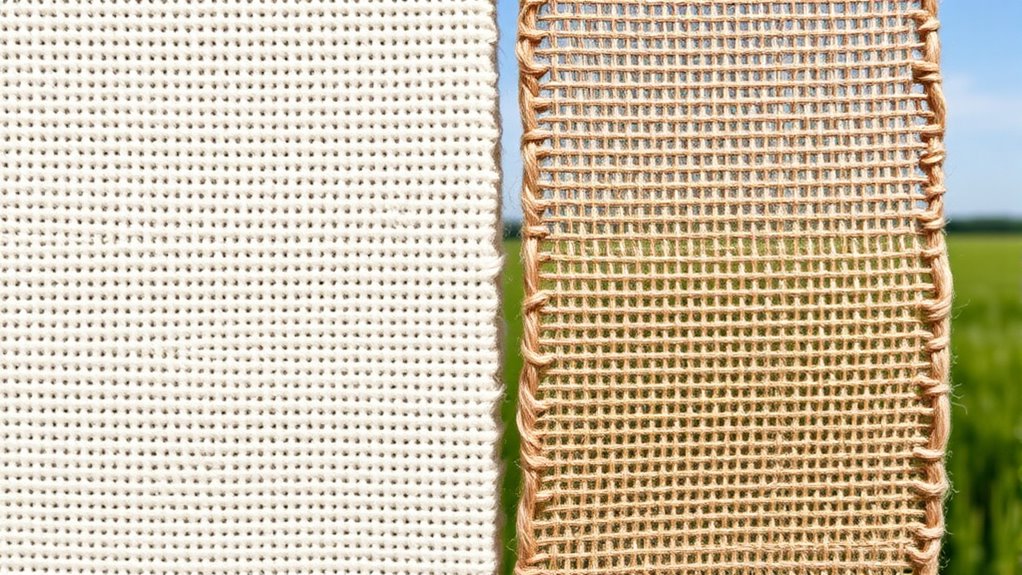
Have you ever wondered how different canvas materials impact the environment? Cotton and linen each have unique sustainability profiles. Cotton often requires large amounts of water and pesticides, but eco friendly sourcing options can reduce these impacts. Organic cotton, for example, is grown without harmful chemicals, making it a greener choice. Linen, made from flax, generally uses fewer resources and requires less water, making it more sustainable overall. Recycling options also matter; both canvases can be repurposed or recycled, but linen’s durability often extends its lifespan, reducing waste. Choosing eco-friendly sourcing and considering recycling options helps minimize environmental harm. Additionally, understanding the Gold IRA Markets can influence sustainable and ethical choices in food consumption, ensuring practices align with personal values. Your choices in canvas materials can make a real difference in promoting sustainability and reducing your ecological footprint.
Surface Preparation and Priming Needs
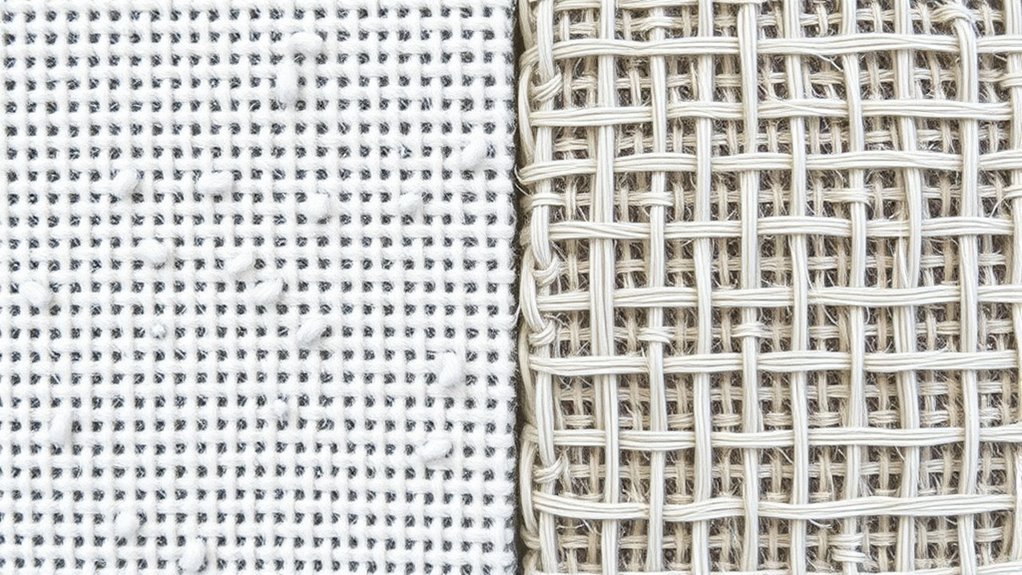
Surface preparation and priming are essential steps to guarantee your canvas material performs well and lasts longer. Proper preparation ensures good surface adhesion, preventing paint from peeling or cracking over time. Before priming, clean your canvas thoroughly to remove dust, oils, or residues. Choosing the right primer is vital; ensure it’s compatible with your canvas material—cotton or linen—to optimize adhesion and durability. For cotton canvases, a flexible acrylic primer often works best, while linen may require a more specialized primer to preserve its fine texture. Apply a thin, even coat and let it dry completely before painting. Skipping or rushing priming can compromise your artwork’s longevity, so invest time in this step for a smooth, lasting finish.
Suitability for Different Art Styles and Techniques
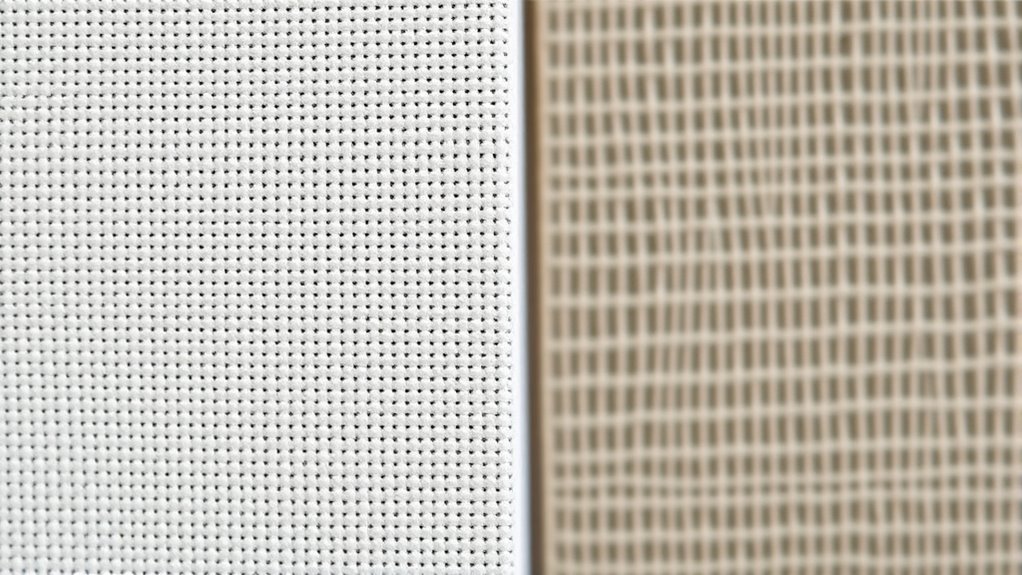
Are you wondering which canvas material best suits your artistic style and techniques? Both cotton and linen offer unique advantages in terms of texture variation and artistic versatility. Linen’s finer, more uniform surface supports detailed, precise work, making it ideal for realism and fine art techniques. Cotton, with its slightly coarser texture, lends itself well to expressive styles, bold brushwork, and abstract techniques. Your choice depends on your preferred approach and desired visual effect. Consider linen if you prioritize smoothness and durability for intricate detail. Opt for cotton if you want a more flexible, textured surface that enhances expressive strokes. Ultimately, understanding how each material interacts with different styles helps you select the canvas that elevates your artistic vision.
Aesthetic Appearance and Finish
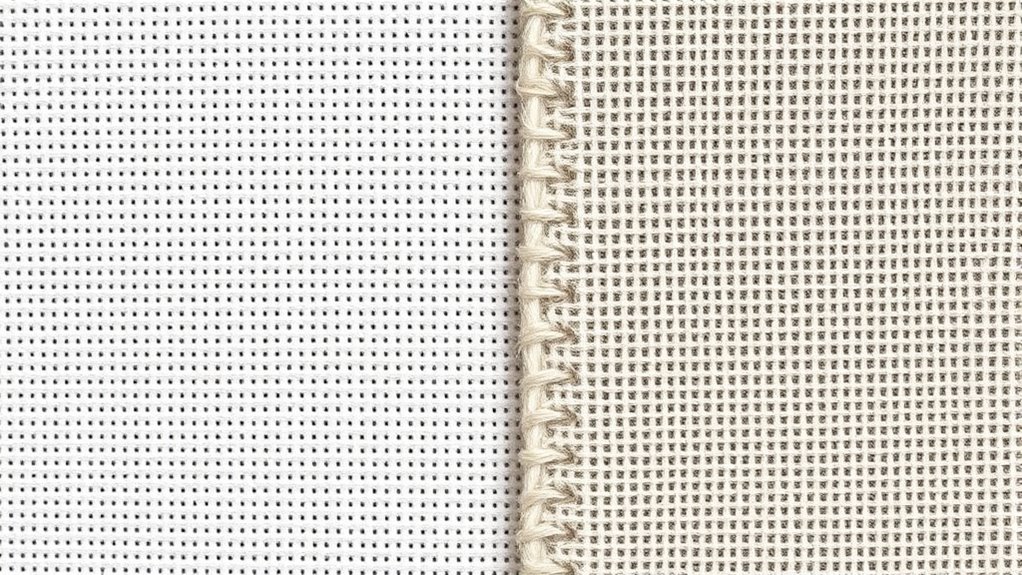
The choice of canvas material considerably influences the artwork’s visual appeal and overall finish. Cotton and linen differ in their canvas texture, which impacts how paint interacts with the surface. Linen typically has a finer, smoother surface sheen, resulting in a more refined finish. Cotton, with its slightly coarser texture, can produce a more matte appearance.
| Canvas Type | Texture | Surface Sheen |
|---|---|---|
| Cotton | Coarse, slightly rough | Matte to semi-matte |
| Linen | Fine, smooth | Glossy or satin |
| Cotton | Medium texture | Semi-gloss |
| Linen | Fine, uniform | Satin |
| Cotton | Coarse, absorbent | Dull |
Understanding these differences helps you choose the right canvas for your desired aesthetic.
Maintenance and Longevity

Proper maintenance is essential to guarantee your canvas artwork remains vibrant and intact over time. Regular cleaning routines help prevent dust, dirt, and grime from damaging the surface, extending its lifespan. Storage conditions also play a crucial role; keeping your canvas in a cool, dry, and dark environment minimizes exposure to moisture and sunlight, which can cause deterioration. To maximize longevity, avoid rolling or folding your canvas, and use acid-free materials if storing it for long periods. Additionally, inspect your artwork periodically for signs of wear or damage, addressing issues promptly. By following these simple steps, you’ll preserve your canvas’s quality and beauty for years to come. Remember, proper care makes all the difference in maintaining your investment.
Frequently Asked Questions
Which Fabric Is Better for Outdoor Artwork?
You should choose linen for outdoor artwork because it offers superior fabric durability, standing up better against weather elements like sun and moisture. While linen tends to be pricier, its longevity makes it a cost-effective option over time. Cotton may be cheaper initially, but it’s less resilient outdoors. So, if you want your outdoor art to last, prioritize durability and consider the long-term value over upfront costs.
Can Cotton or Linen Be Used for Mixed Media Art?
Yes, you can use both cotton and linen for mixed media art. Cotton offers good fabric durability and a smooth texture, making it versatile for layering different materials. Linen, with its textured surface and higher durability, adds a unique dimension to your work. Both fabrics hold various media well, so choose based on the texture you want and the durability needed for your mixed media projects.
How Do Fabric Options Affect Color Vibrancy?
Fabric options substantially impact color vibrancy because they affect dye absorption and color retention. You’ll find that cotton typically absorbs dyes more evenly, resulting in brighter, more vivid colors. Linen, with its tighter weave, can retain colors longer, preventing fading over time. Your choice of fabric influences how well the colors pop and last, so consider your desired vibrancy and longevity when selecting between cotton and linen.
Are There Health Considerations When Choosing Between Cotton and Linen?
You should consider allergy potential and chemical treatments when choosing between cotton and linen. Linen tends to cause fewer allergies because it’s naturally hypoallergenic and less likely to be chemically treated. Cotton, on the other hand, might be heavily processed with pesticides or dyes, which could trigger sensitivities. If you have allergies or sensitive skin, opt for untreated, organic linen to minimize health risks and enjoy a safer, more natural option.
Which Material Is More Suitable for Large-Scale Murals?
For large-scale murals, linen canvas often suits you better due to its superior fabric durability, ensuring it withstands weather and time. Its textured surface provides a unique visual appeal that enhances your artwork. Cotton canvas, while more affordable, tends to be less durable and has a smoother texture, which may affect detail work. Choose linen if longevity and texture differences matter most for your expansive mural project.
Conclusion
Choosing between cotton and linen canvas isn’t just about price or look—it’s about what suits your style and needs. Sure, linen might seem pricier, but its durability and timeless appeal can make it worth every penny. Don’t let initial costs scare you; investing in quality means your artwork stays vibrant longer. Ultimately, understanding their differences helps you select the perfect canvas to bring your creative vision to life.