If you’re choosing between glass and acrylic glazing, you’ll notice a key tradeoff: glass offers better scratch resistance and durability, but it shatters easily, risking safety. Acrylic is impact-resistant and won’t break, making it safer for high-traffic areas, though it scratches more easily. Both materials have their strengths, and understanding this balance can help you pick what fits your needs best. Keep exploring to discover which option suits your project perfectly.
Key Takeaways
- Glass offers high scratch resistance but is more prone to shattering upon impact.
- Acrylic provides superior impact resistance but scratches more easily, affecting clarity over time.
- Protective coatings can improve acrylic’s scratch resistance, while glass naturally resists scratches without additional treatment.
- Acrylic’s shatterproof nature enhances safety in impact-prone environments, unlike brittle glass.
- Choosing between them depends on whether scratch durability or shatter safety is the priority.

(2-Pack) Plexiglass Scoring Tool - Extra-Sharp Steel Blade for Clean Snap Lines - Suitable for Acrylic, Plastic, and Styrene Sheets
PLEXIGLASS SCRIBING TOOL - There’s a tool for scribing Plexiglass and generic acrylic sheets. Depending on thickness, Plexiglass...
As an affiliate, we earn on qualifying purchases.
How Do Glass and Acrylic Differ in Composition and Durability
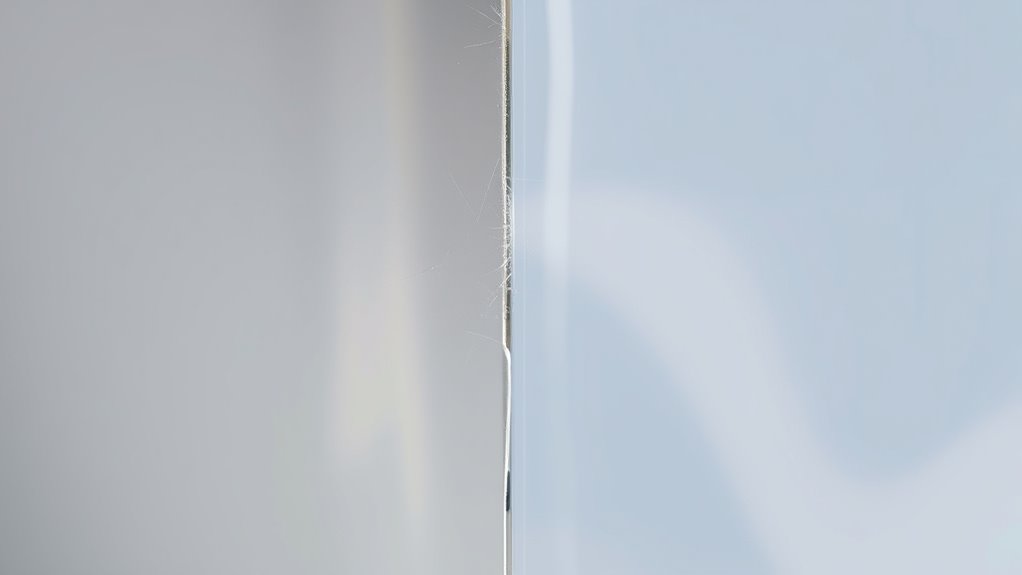
Have you ever wondered how glass and acrylic differ in their composition and durability? Glass is made primarily from silica, soda ash, and limestone, resulting in a rigid, brittle material. Acrylic, on the other hand, is a type of plastic—specifically, polymethyl methacrylate (PMMA)—created through specific manufacturing processes like polymerization. Coating technologies play a vital role in enhancing their durability; for example, glass can be treated with coatings to improve scratch resistance, while acrylic often receives impact-resistant coatings. The manufacturing processes influence their strength and flexibility: glass is more fragile but resistant to UV light, whereas acrylic offers greater flexibility and shatter resistance. Innovative coating technologies further enhance their durability and safety features. Additionally, advancements in material science have led to the development of hybrid materials that combine the best qualities of both glass and acrylic, offering tailored solutions for various applications. For instance, composite materials are being engineered to optimize both impact resistance and optical clarity. Understanding these differences helps you choose the right material based on your durability and safety needs, especially when considering material application in specific environments. Recognizing the manufacturing process is essential for assessing how each material performs under different conditions.

Hyde Tools 45730 Plastic Cutting Tool
This Product Is A Paint Rollers
As an affiliate, we earn on qualifying purchases.
Which Material Resists Scratches Better?
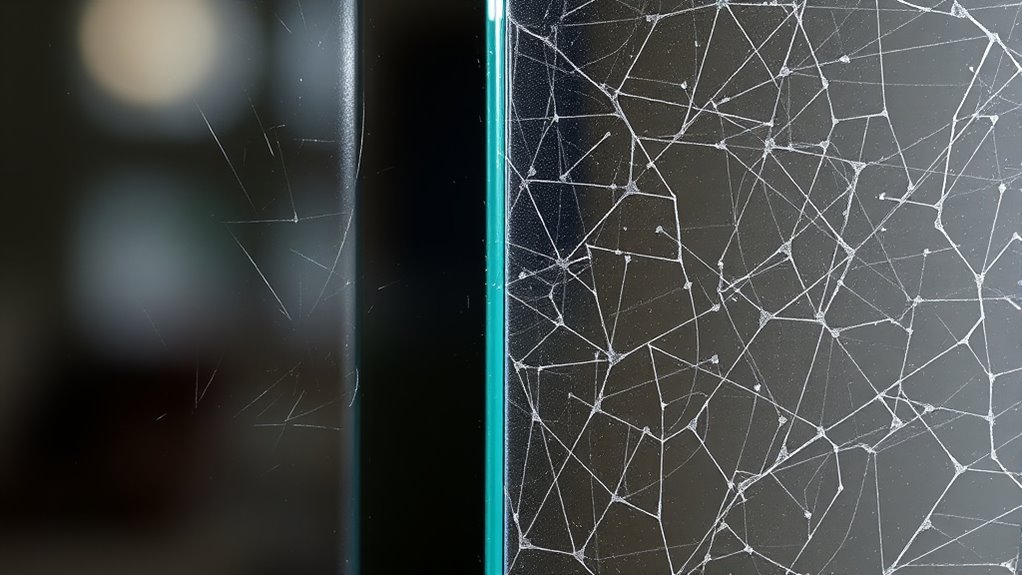
When it comes to resisting scratches, acrylic generally outperforms glass thanks to its softer surface and ability to absorb impacts without marking. Its scratch resistance stems from its material composition, which makes it less prone to surface damage from daily contact. Additionally, acrylic is often used in high-end applications like haute couture displays because of its lightweight and versatile properties. Acrylic’s softer nature means it can scratch more easily if you handle it roughly or use abrasive cleaners, but minor scratches are easier to polish out. Its impact resistance also means it is less likely to shatter compared to glass, making it a safer choice for many applications. Moreover, acrylic’s flexibility allows it to bend without breaking, adding another layer of durability in various settings. This flexibility also helps it withstand thermal expansion, reducing the risk of cracking under temperature changes. The cost differences between acrylic and glass can influence choices depending on project budgets and specific needs. In contrast, glass has a harder surface, making it more resistant to scratches initially, but once scratched, those marks tend to be more visible and difficult to repair.
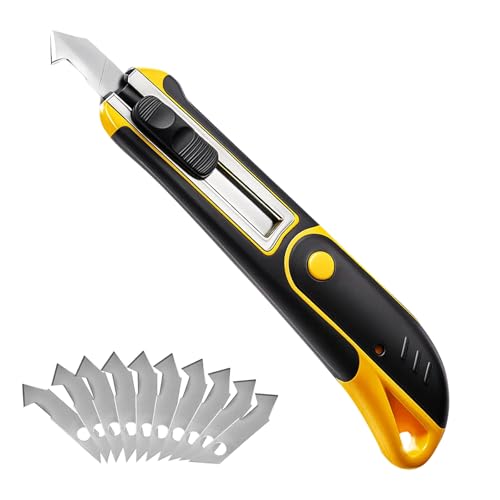
STEELITE Plexiglass Cutter Acrylic Cutting Knife and 13 Pcs Blade Set, Easy to Use Multi-Use Cutter with Cutting Blade
[High Quality] Crafted from SK5 steel, this acrylic knife delivers high-precision, smooth cuts, eliminating the need for post-sanding....
As an affiliate, we earn on qualifying purchases.
How Safe Are Glass and Acrylic When Impacted?

Acrylic and glass differ markedly in how they respond to impacts, affecting their safety in various settings. Acrylic boasts higher impact safety and break resistance, making it less likely to shatter when struck. Instead of breaking into sharp shards, it tends to flex or crack, reducing injury risk. Additionally, impact resistance transparency is key when selecting products like impact-resistant glazing materials. Glass, on the other hand, is more prone to shattering upon impact, which can produce dangerous shards. Its break resistance is lower, meaning it’s more likely to break into dangerous pieces if hit hard enough. If safety during impact is your priority, acrylic offers superior protection due to its flexibility and resilience. Furthermore, material properties such as toughness and elasticity contribute to its impact safety. Keep in mind that while acrylic resists breaking, it can scratch more easily, which may affect your long-term safety and appearance. Material durability is another important factor to consider when choosing between these glazing options. Moreover, understanding the safety features of each material can help inform better decisions for specific applications.

Acrylic Cutting Knife
This acrylic cutting knife can be used to cut acrylic sheets, including acrylic mirrors.
As an affiliate, we earn on qualifying purchases.
What’s the Best Way to Care for Your Glazing?

Proper care is essential to maintain the clarity and durability of your glazing, whether it’s glass or acrylic. Using proper cleaning techniques will prevent scratches and keep your panels looking new. Regular maintenance tips include wiping down your glazing to remove dirt and debris promptly, which helps prevent scratches and clouding. Avoid applying excessive pressure during cleaning, and never use rough scrubbers. Additionally, understanding the maintenance requirements of each material can extend the lifespan of your panels and preserve their appearance. Recognizing the importance of material-specific cleaning methods can help you choose the right products and techniques. Being aware of the market conditions and manufacturer guidelines can also help you choose the right cleaning products and methods, ensuring your glazing remains in optimal condition. Incorporating energetic alignment principles can also promote better care routines by fostering a mindful approach to maintenance. Furthermore, choosing the appropriate protective coatings can help reduce scratches and enhance durability over time.
Which Is More Cost-Effective and Looks Better?
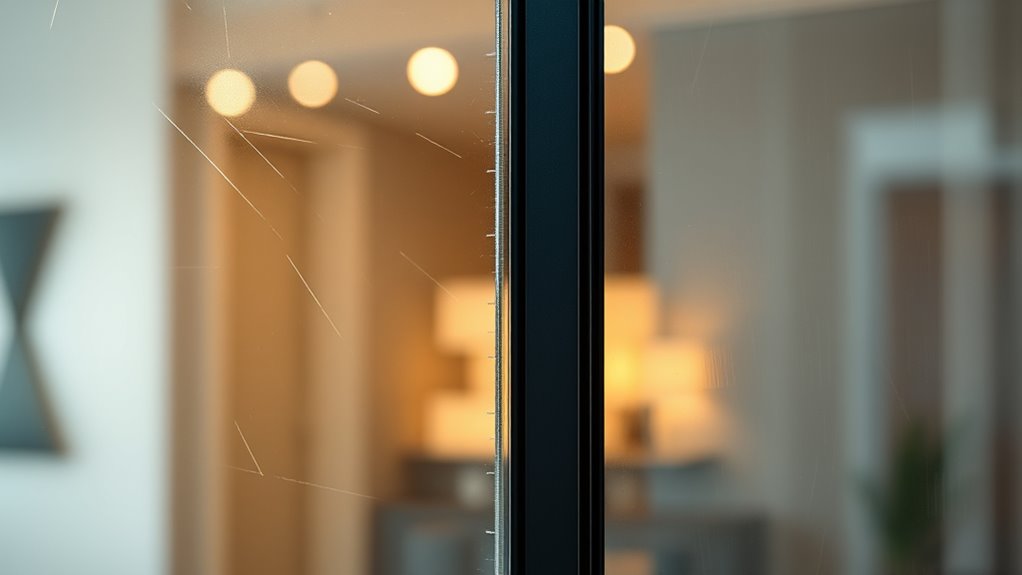
Choosing between glass and acrylic glazing often comes down to cost and appearance. When considering cost comparison, acrylic is generally more affordable upfront, making it a popular choice for budget-conscious projects. However, glass tends to hold its value longer and may require less maintenance over time. In terms of aesthetic appeal, glass offers a classic, sleek look that many find more elegant and transparent, enhancing natural light. Acrylic provides a modern, lightweight alternative that can be easier to install and shape creatively. While acrylic may scratch more easily, it can be a better option where shatter resistance is a priority. Additionally, understanding filtration and pump protection can help ensure optimal performance of glazing installation tools and maintenance. Moreover, considering modern kitchen technology can help you select materials that optimize both functionality and style. Incorporating durability considerations into your decision-making process is essential, especially when evaluating long-term value and maintenance needs. For instance, selecting materials with impact resistance can significantly influence the longevity and safety of your glazing choice. Furthermore, staying informed about AI ethicist jobs and related roles can provide insights into emerging technological advancements that may influence future glazing innovations. Ultimately, your decision depends on your budget, desired look, and how much you value durability versus aesthetics.
Frequently Asked Questions
How Do Environmental Factors Affect Glass and Acrylic Longevity?
Environmental factors considerably impact the longevity of glass and acrylic. You’ll find weather durability varies; glass generally withstands extreme weather better, while acrylic can warp or discolor in intense sunlight.
Chemical resistance also matters—acrylic is more vulnerable to cleaning chemicals, reducing its lifespan. To maximize durability, consider your local climate and choose materials that resist weather elements and chemicals, ensuring your glazing stays clear and intact longer.
Can Acrylic Glazing Be Recycled Like Glass?
Yes, acrylic glazing can be recycled, but the process differs from glass recycling. Recycling processes for acrylic often involve melting and reprocessing, which can be energy-intensive and impact the environment.
While recycling helps reduce waste, it’s vital to take into account the environmental impact, as acrylic’s recycling options are less widespread and more complex than glass.
Proper disposal and recycling ensure you minimize environmental harm and promote sustainability.
Which Material Offers Better UV Protection?
You’ll find that glass offers better UV protection due to its natural UV-blocking properties, helping to preserve your interiors longer.
Acrylic, while durable, typically requires additional UV coating to achieve comparable UV blocking.
When considering material durability, acrylic resists shattering but scratches more easily, whereas glass is more resistant to scratches but can shatter.
For maximum UV protection, choose glass or guarantee acrylic has a proper UV coating.
Are There Health Risks Associated With Acrylic Fumes During Fabrication?
You should be aware that acrylic fabrication can pose health risks if proper fume safety measures aren’t followed. Acrylic toxicity from fumes during cutting or welding can cause irritation or respiratory issues.
To protect yourself, always work in well-ventilated areas and wear appropriate protective gear. Ensuring proper fume extraction minimizes health risks, helping you avoid potential acrylic toxicity and maintain a safe working environment during fabrication.
How Do Different Coatings Influence Scratch and Shatter Resistance?
Different coatings markedly influence scratch and shatter resistance by enhancing coating durability and surface treatments. You’ll find that tougher coatings improve scratch resistance, making surfaces more resilient against everyday wear.
Meanwhile, specialized surface treatments can boost shatter resistance, helping acrylic or glass withstand impacts better. When selecting coatings, consider their durability and how they’re applied, as these factors determine how well they protect the glazing from scratches and shattering over time.
Conclusion
When choosing between glass and acrylic glazing, consider your priorities. If scratch resistance matters most, acrylic is your best bet. But if you want shatter resistance and a more traditional look, glass could be better. Both materials need proper care to stay in top shape. Weigh the cost and aesthetics to make the right choice. Ultimately, understanding these tradeoffs helps you select the perfect glazing for your needs.