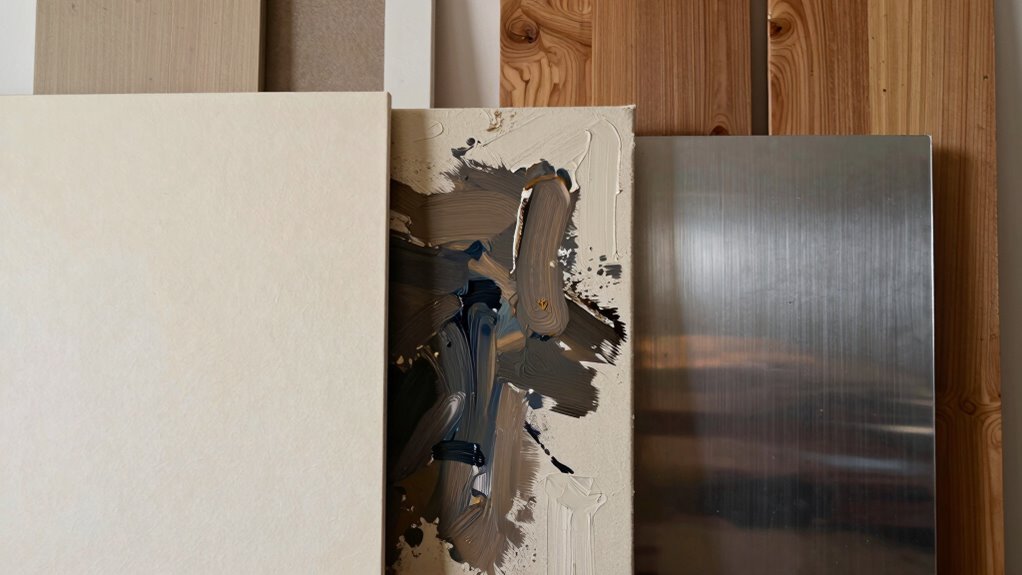

Choosing the right support is essential for preserving your artwork’s appearance and longevity. Paper offers delicate vulnerability but benefits from archival quality materials to reduce deterioration. Canvas provides flexibility but needs proper stretching and preparation for durability. Panel supports, like wood or MDF, offer stability, while metal surfaces resist corrosion and facilitate advanced conservation techniques. Understanding each support’s properties helps you guarantee your art stays vibrant over time—there’s much more to discover on how to make the best choice.

Prime made for students and young adults
- Fast, free delivery for dorm and study essentials
- Prime Video and Amazon Music included
- Member-only deals
Key Takeaways
- Different supports influence artwork durability, appearance, and aging, guiding collectors in preservation choices.
- Selecting archival-quality, acid-free materials minimizes deterioration over time.
- Support type affects restoration options and long-term stability of artworks.
- Proper preparation and material compatibility are crucial for maintaining artwork integrity.
- Understanding support properties helps collectors assess the condition and conservation needs of artworks.
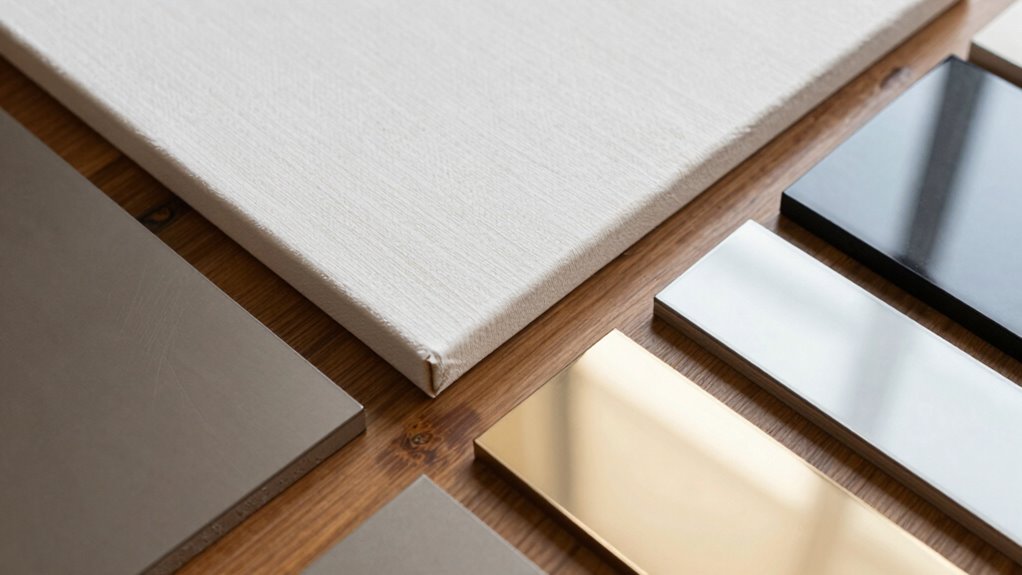
Have you ever wondered how the choice of support can influence your artwork? The support you select isn’t just a blank surface; it plays a vital role in how your piece looks, feels, and ages over time. Different materials offer distinct qualities, and understanding their properties helps you make better decisions for your creative process and long-term preservation. When it comes to paper, canvas, panel, and metal, each has unique advantages and challenges that can markedly impact your work’s durability and ease of restoration. Restoration techniques depend heavily on the support’s material durability. For example, paper is often more delicate and susceptible to environmental damage like humidity and light, which can cause warping, fading, or tearing over time. If you choose paper, you should consider acid-free options to minimize deterioration and guarantee your work remains stable. Canvas, on the other hand, offers more flexibility and resilience. It’s a popular choice for oil and acrylic paintings because of its durability, especially when properly prepared and stretched. Canvas can withstand some environmental fluctuations, but it can still develop cracks or loosen over decades if not properly maintained. Proper support preparation can significantly enhance its lifespan and ease of restoration. Panels—usually made from wood or MDF—are rigid and provide a solid, stable surface that’s less prone to warping. They’re often preferred for detailed work or pieces meant to last generations. However, wooden panels require careful sealing to prevent moisture absorption, which could lead to cracking or splitting. Metal supports, like aluminum or copper, are incredibly durable and resistant to many environmental factors. They’re ideal for mixed media or experimental art, as they won’t warp or degrade over time. Metal supports also open avenues for restoration techniques that might be impossible with traditional surfaces, making them attractive for conservation specialists. Additionally, understanding the support’s material properties can guide you in choosing appropriate adhesives or primers to further enhance longevity. Properly preparing your support—whether through priming, sealing, or reinforcing—can greatly enhance its durability and ease of restoration down the line. A thorough knowledge of archival quality materials can help prevent deterioration and extend your artwork’s lifespan. For example, a well-primed canvas or panel will resist cracking and protect your paint from deterioration. Selecting high-quality, archival paper minimizes the need for extensive restoration later. Moreover, the compatibility of materials is crucial in preventing chemical reactions that could compromise your artwork’s integrity over time. Understanding art conservation techniques can help you plan for long-term preservation and ensure your work remains vibrant. Ultimately, your decision influences not just the initial creation but also how your artwork ages and how easily it can be conserved or restored if needed. Being mindful of these factors guarantees your art remains vibrant and intact for years to come.
Popular right now

Ninja Foodi Air Fryer 10 Qt DualZone 6-in-1 Black DZ302

Sony WH-1000XM4C Wireless Noise-Cancelling Headphones, Black

Bose QuietComfort Ultra Earbuds (2nd Gen), Deep Plum
As an affiliate, we earn on qualifying purchases.
Frequently Asked Questions
How Do I Choose the Right Support for My Artwork?
To choose the right support for your artwork, consider its support texture—smooth for detailed work or textured for expressive strokes. Also, think about color compatibility; make certain the support’s color or surface enhances your palette. You should match the support to your medium and style, balancing durability and aesthetic appeal. Testing different options can help you find the perfect fit, ensuring your artwork looks its best on the chosen support.
What Are the Best Preservation Techniques for Different Supports?
Think of preservation as tending a delicate garden—you must handle each support with care. Use appropriate restoration techniques tailored to each material and guarantee material compatibility to prevent damage. Store artworks in stable environments, avoid direct sunlight, and use acid-free materials. Regularly inspect for deterioration. By respecting the unique needs of paper, canvas, panel, and metal, you keep your collection vibrant and alive for generations to come.
How Does Support Material Affect Paint Adhesion and Longevity?
Support material greatly affects paint adhesion and longevity through proper surface preparation and material compatibility. You should guarantee the support is clean, smooth, and appropriately primed to enhance adhesion. Different materials, like paper, canvas, or metal, require specific primers and preparation methods to prevent issues like cracking or peeling over time. By matching your paint medium with the support’s characteristics, you’ll improve durability and preserve your artwork’s vibrancy.
Can Supports Be Customized or Altered After Creation?
Did you know that over 60% of artists modify their supports after creation? Yes, supports can be customized or altered using various techniques like sanding, gesso layering, or adding textures. Support modifications allow you to enhance durability, change the surface feel, or match specific artistic visions. With proper tools and techniques, you can easily perform customization techniques, giving your artwork a unique finish and extending its longevity.
What Are the Environmental Impacts of Different Support Materials?
Different support materials have varying environmental impacts. For eco-friendly alternatives, you might choose recycled paper or sustainably sourced wood, which reduce deforestation and waste. Recyclable materials like metal or certain plastics help minimize landfill waste when properly recycled. By selecting supports made from these environmentally conscious options, you contribute to sustainability and reduce your artwork’s ecological footprint, making your creative process more eco-friendly and responsible.
Conclusion
So, now you’re armed with all the secrets of paper, canvas, panel, and metal supports—truly the superheroes of your artwork’s universe. But remember, choosing the right support isn’t just about aesthetics; it’s about making your masterpiece resilient enough to withstand the chaos of life. Think of supports as the loyal sidekicks—without them, your art might just fall apart at the slightest provocation. Happy collecting, and may your supports always support!