Archival materials are essential because they tell the stories behind history, shaping your understanding of culture and identity. Their preservation guarantees that these stories remain accessible for future generations. Without proper care, fragile items like letters, photographs, and documents can deteriorate and lose their significance. Digital preservation helps protect this important history, making it easier to access and share. Keep exploring to discover how safeguarding these materials impacts your connection to the past.
Key Takeaways
- Archival materials are essential for accurate historical understanding and cultural identity.
- Proper preservation ensures long-term accessibility for future research and education.
- Digital preservation protects fragile originals and enhances widespread access.
- Without conservation, irreplaceable items risk deterioration and loss over time.
- Combining physical and digital methods maintains authenticity and prolongs artifact lifespan.
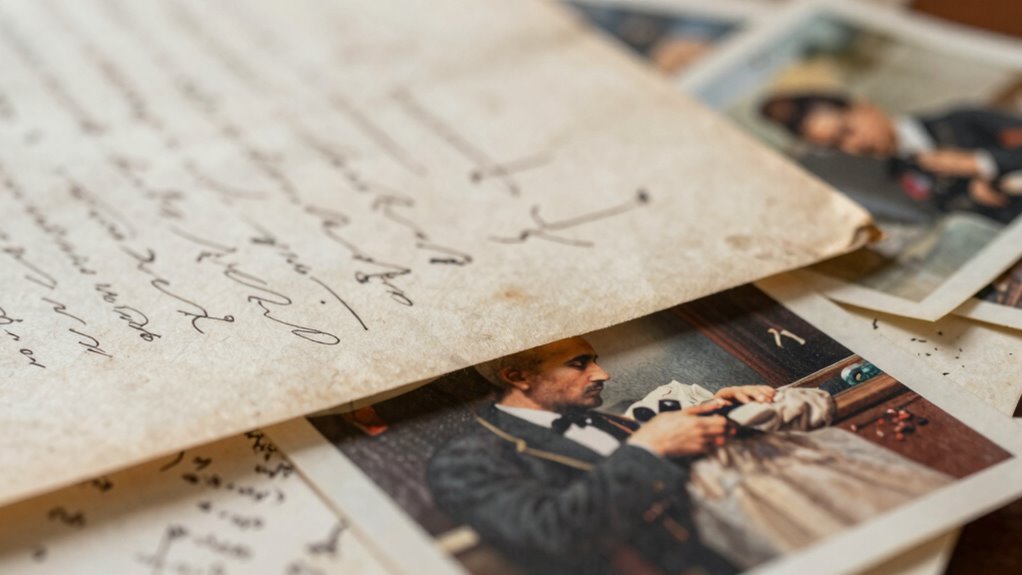
Have you ever considered how much our history depends on the materials we preserve? It’s easy to overlook how essential archival materials are to understanding our past, but they’re the foundation of history itself. When you think about it, every letter, photograph, or document tells a story, and these stories shape our identity and culture. Yet, preserving these materials isn’t just about storing them away; it’s about actively safeguarding their integrity for future generations. That’s where digital preservation and material conservation come into play, guaranteeing that these invaluable resources endure despite the passage of time and changing technology.
Digital preservation has revolutionized how we protect archival materials. Instead of relying solely on physical objects, which can decay or become damaged, you can create digital copies that are easier to store, access, and share. Digital files allow you to preserve the content without risking further deterioration of fragile originals. This process not only extends the lifespan of historical materials but also makes them more accessible to researchers, students, and the public worldwide. However, digital preservation isn’t just about making copies; it’s about maintaining those copies in formats that won’t become obsolete and safeguarding the integrity of the data over decades. Digital formats are essential to ensure long-term access and usability. Proper management of digital data is crucial to prevent the loss of information over time due to technological obsolescence or data corruption. Implementing reliable digital preservation strategies is key to addressing these challenges effectively. Additionally, understanding the importance of metadata management helps ensure that digital collections remain discoverable and meaningful over time.
Material conservation is equally essential. When you handle physical items, you must be mindful of environmental factors like light, humidity, and temperature, which can accelerate deterioration. Conservation techniques involve careful cleaning, repairing, and stabilizing materials to prevent loss. For instance, paper documents may be deacidified, and photographs might be stored in acid-free sleeves. These measures ensure that the original artifacts remain as close to their initial condition as possible, allowing future generations to experience them firsthand. The combination of material conservation and digital preservation creates a complete approach—physical artifacts are stabilized, and digital copies serve as backups and access points. Recognizing the importance of proper preservation techniques helps maintain the authenticity and integrity of these materials over time. Additionally, ongoing training and research into conservation methods are vital to adapt to new challenges and technologies in the field.

Lineco, Archival Storage Cartons, Ready-To-Assemble, for Documents or Photos, Acid-Free, Buffered Corrugated Board, 12 x 15 10 in, Tan, Pack of 5
Lineco is a leading manufacturer of archival storage for conservation of photos, documents, and artwork. Trusted by museums…
As an affiliate, we earn on qualifying purchases.
As an affiliate, we earn on qualifying purchases.
Frequently Asked Questions
How Do Archival Materials Differ From Regular Storage Materials?
Archival materials differ from regular storage materials because they’re specially designed for historical preservation, preventing material degradation over time. You should choose archival-quality storage options because they’re acid-free, stable, and won’t harm your artifacts or documents. Regular materials, like cardboard or plastic, can accelerate deterioration, risking the loss of valuable history. Using proper archival materials helps guarantee your collections remain intact and preserve their integrity for future generations.
What Are the Long-Term Benefits of Preserving Archival Quality?
Preserving archival quality is like safeguarding a family heirloom—you keep its value intact for generations. The long-term benefits include enhanced digital preservation, allowing you to access and share documents easily over time. Conservation techniques prevent deterioration, ensuring your materials stay vibrant and intact. By investing in proper archival preservation, you protect your valuable collections, maintaining their historical and cultural significance for the future.
Are Archival Materials Expensive Compared to Standard Storage Options?
Archival materials are typically more expensive than standard storage options, but the cost comparison shows they offer better long-term value. You might spend more upfront, but these materials protect your items from deterioration, saving you money on future restoration or replacement. When considering your budget, think about the importance of preservation; investing in archival quality guarantees your collection remains intact for years, making it a wise choice despite the higher initial cost.
How Can I Identify Authentic Archival-Quality Items?
Think of authentic archival-quality items as treasures guarded by careful craftsmanship. To identify them, look for labels indicating acid-free, pH-neutral materials, and verify provenance. Trust reputable sources and ask about digital preservation and conservation techniques used. Genuine archival items undergo strict conservation methods, ensuring longevity. By scrutinizing packaging, labels, and provenance, you’ll spot authentic materials that stand the test of time, preserving your collection’s integrity.
What Are Common Mistakes to Avoid When Handling Archival Materials?
When handling fragile documents, you wanna avoid touching them with bare hands to prevent damage. Use proper handling techniques like supporting the item fully and avoiding unnecessary movement. Also, make sure you use proper labeling techniques to keep track of each piece without damaging it. Never force open brittle pages or expose materials to direct sunlight or high humidity. These mistakes can permanently harm your archival materials, so handle them with care.
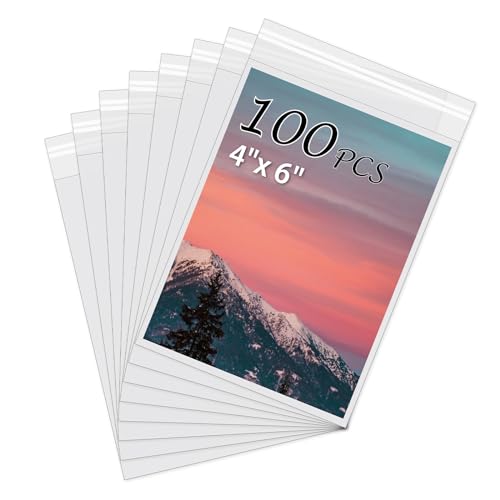
Somime Acid-Free Picture Sleeves, 100Pack Crystal Clear Storage Bags for 4×6 Art Prints, Pictures, Photos, Frame Mats (Bag Size: 4 7/8" x 6 1/2")
What You Can Get: The package contains 100pcs clear bags which can satisfy your daily needs. A flat…
As an affiliate, we earn on qualifying purchases.
As an affiliate, we earn on qualifying purchases.
Conclusion
You might not realize it, but archival materials are the backbone of history, holding stories that time can’t erase. They’re like threads weaving a rich tapestry of the past, connecting us to what came before. When you value and preserve these treasures, you’re safeguarding memories for future generations to explore and learn from. So, cherish these relics—because in the grand story of humanity, they’re the ink that keeps our history alive and vivid.

How to Achieve Digital Immortality: Digital Archiving and Preservation for Everyone
As an affiliate, we earn on qualifying purchases.
As an affiliate, we earn on qualifying purchases.

Lineco 4 Inches See-Through Archival Polyester Mounting Strips. Acid-Free, Framing Photos, Hinge-Less, Sturdy, Safe, Conservation, Easy, Artwork, Craft, DIY. (Pack of 60)
HIGH QUALITY: Sturdy and safe, these mounting strips are made from conservation quality archival polyester (Melinex or equivalent)…
As an affiliate, we earn on qualifying purchases.
As an affiliate, we earn on qualifying purchases.