TL;DR

Get school and study supplies delivered free — and shop member deals
- Fast, free delivery on millions of items
- Access to Prime Big Deal Days deals on October 6–7
- Prime Video, Amazon Music and more included
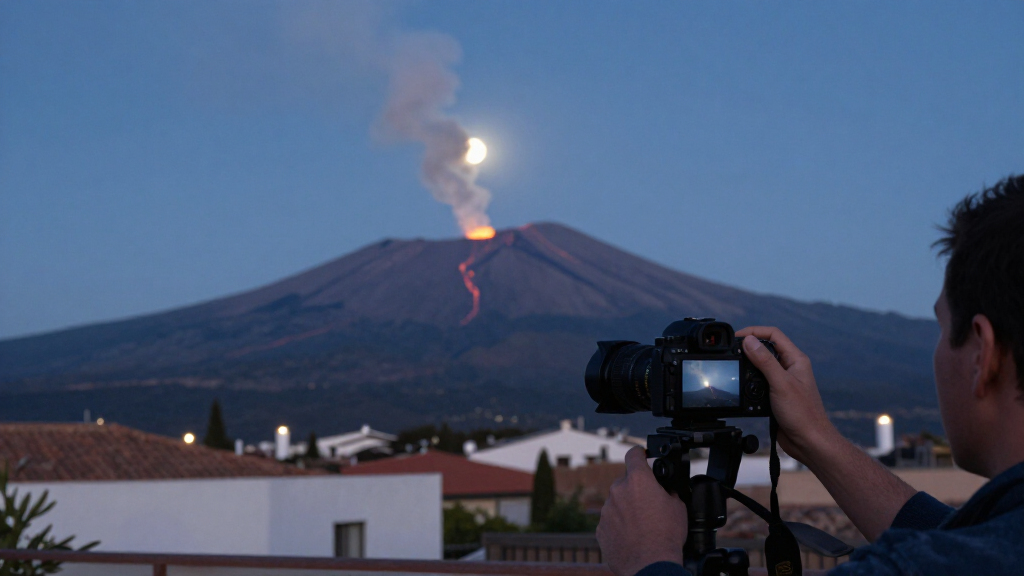
NASA’s October 1, 2026, Astronomy Picture of the Day features a composite photograph of the full Moon rising near Nicosia, Sicily, with Mount Etna’s ash and gas visible in the background. The image also shows colorful twilight clouds and the pink Belt of Venus; NASA’s description says it was photographed the previous weekend.
NASA’s Astronomy Picture of the Day on October 1, 2026, features a composite photograph of the full Moon rising near Nicosia, Sicily, with ash and gas from Mount Etna visible higher in the background. NASA’s accompanying description says the image was photographed the previous weekend as the sky darkened, bringing together the lunar rise, twilight colors and the volcanic plume in one scene.
The photograph is credited to Dario Giannobile. NASA describes it as a composite, rather than a single exposure, showing the Moon at different points as it rises and the sky grows darker. The agency places the scene just outside Nicosia, in Sicily, Italy, and says lower clouds reflected the colors of antitwilight while ash and gas from Etna appeared higher in the background.
A pink stripe near the horizon is identified in NASA’s explanation as the Belt of Venus, a band of color that can appear in the sky opposite the setting Sun. The image’s title calls the Moon a Harvest Moon. NASA explains that the name is used in some Northern Hemisphere cultures for the September full moon, while inviting readers to share whether their own cultures use a special name.
The astronomy picture page is a daily NASA feature that pairs an image or photograph of the cosmos with a brief explanation written by a professional astronomer. The October 1 entry’s credited authors and editors are Cecilia Chirenti, Robert Nemiroff, Jerry Bonnell and Keighley Rockcliffe. NASA also notes on the page that APOD’s main site has moved to its Science website and that its image-submission email has changed.
A Volcanic Scene Framed by Moonlight
The image brings together two visible events: a full Moon rising near Sicily and volcanic material from Mount Etna in the distance. Its significance is chiefly observational and visual: the composite lets viewers see how the Moon’s position, twilight and clouds can combine with a terrestrial landmark to produce a striking astronomical photograph. NASA’s description provides the location and explains the colors, helping distinguish the scene’s documented elements from the artistic effect of combining exposures.
The page is also a reminder that familiar lunar names can reflect cultural traditions as well as astronomical timing. NASA uses Harvest Moon for the September full Moon in some Northern Hemisphere cultures, not as a universal name. The image therefore links a recurring sky event to a specific place and to traditions that vary among communities.
As an affiliate, we earn on qualifying purchases.
How NASA Describes the Moonrise
NASA says the photograph was taken the weekend before its October 1 publication, outside Nicosia. It describes the Moon rising as the sky darkens. At full Moon, the Moon and Sun are opposite one another in the sky, so the Moon rises around the time the Sun sets; this timing helps explain the sequence shown in the composite.
The explanation distinguishes two lunar periods: the cycle of phases takes about 29.5 days, while the Moon takes about 27 days to orbit Earth. These periods differ because the phase cycle also reflects Earth’s changing position relative to the Sun. NASA’s page gives these figures as general astronomical context, rather than measurements specific to the photograph.
The pink Belt of Venus and the colors in the lower clouds are part of the twilight setting described by NASA. The agency identifies ash and gas from Etna in the higher background, but does not give measurements or a detailed account of the volcano’s activity for the night the image was made.
astrophotography camera for night sky
As an affiliate, we earn on qualifying purchases.
As an affiliate, we earn on qualifying purchases.
Details Beyond the Photograph
NASA’s entry does not state the exact date or time the exposures were made, provide the composite’s technical details, or quantify the amount of ash and gas visible. It also does not describe the intensity or duration of Etna’s activity at the time. The photograph and its caption show and identify material in the background, but they do not establish a broader update on the volcano’s status.
The date of the full Moon and the circumstances behind the Harvest Moon name are presented only in the page’s brief explanation. NASA does not specify which cultures use the name or suggest that every September full Moon is called a Harvest Moon worldwide. The exact appearance of the sky may also depend on the separate exposures combined in the image.
volcano eruption viewing binoculars
As an affiliate, we earn on qualifying purchases.
As an affiliate, we earn on qualifying purchases.
NASA’s Daily Picture Continues
NASA’s APOD service is scheduled to publish another image and explanation the following day, according to the October 1 page, which labels the next picture “sharpless.” No additional reporting on the Etna plume or the conditions during the photo session is announced in the entry. Readers seeking those details would need a separate source; the APOD post is presented as an astronomy image feature, not a volcano activity bulletin.
For readers interested in submitting images, NASA says the APOD submission email has changed and directs visitors to its submissions information. The agency also points readers to its current APOD page on the NASA Science website.
As an affiliate, we earn on qualifying purchases.
Key Questions
What does NASA’s October 1, 2026, Astronomy Picture of the Day show?
It shows a composite photograph of the full Moon rising near Nicosia, Sicily, with Mount Etna’s ash and gas visible in the background. NASA says the lower clouds reflect antitwilight colors and identifies a pink band as the Belt of Venus.
Who took the photograph?
NASA credits the image to Dario Giannobile. The APOD explanation says it was photographed the previous weekend outside Nicosia.
Why is it called a Harvest Moon?
NASA says that in some Northern Hemisphere cultures, the September full Moon is called the Harvest Moon. The name is not presented as universal.
Is the image a single photograph?
No. NASA describes it as a composite photograph showing the Moon rising as the sky darkens. The entry does not provide further technical details about how the exposures were combined.
Does the APOD entry report a new eruption at Mount Etna?
The entry identifies ash and gas from Mount Etna in the background, but it does not provide an eruption report, activity measurements or a volcano-status update. It is an astronomy picture feature.
Source: primary
Fall Picks
fall essentials
As an affiliate, we earn on qualifying purchases.