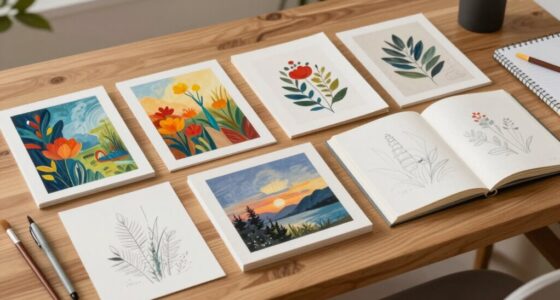

To protect your work’s quality, develop the habit of embracing risks and seeking feedback rather than chasing perfection. Taking bold steps beyond your comfort zone allows you to explore new ideas and learn from mistakes, while feedback from trusted peers highlights unseen opportunities and areas for growth. This approach fosters resilience, continuous improvement, and innovation—far more effective than over-polishing. Keep exploring how making these habits part of your routine can transform your creative process.
Key Takeaways
- Prioritize progress and iteration over endless perfection, allowing for continuous improvement without stalling.
- Embrace creative risk-taking to explore new ideas and learn from mistakes.
- Seek and incorporate collaborative feedback to gain fresh perspectives and refine work efficiently.
- Focus on essential elements, accepting imperfections as part of the growth process.
- Cultivate resilience and adaptability by valuing progress and learning over perfect outcomes.
Many artists and creators fall into the trap of perfectionism, believing that every detail must be flawless before they can consider their work finished. While aiming for high quality is admirable, perfectionism often stalls progress, leaves projects incomplete, or drains your creative energy. Instead, the habit that effectively guards your work’s quality is embracing a mindset rooted in creative risk-taking and open collaborative feedback. This approach encourages you to push boundaries without the fear of imperfections, knowing that growth comes through experimentation and honest input.
Perfectionism stalls progress; embrace creative risks and feedback to elevate your work and grow as an artist.
When you adopt creative risk-taking, you allow yourself to venture beyond your comfort zone. It’s about trusting that failure or mistakes aren’t setbacks but stepping stones toward refinement. Instead of obsessing over every minor detail, you focus on progress, understanding that some imperfections are inevitable and even beneficial. Taking risks fosters innovation, sharpens your skills, and prevents stagnation caused by over-polishing. It pushes you to explore new ideas, techniques, and perspectives, ultimately elevating the quality of your work. Recognizing the importance of continuous improvement helps you stay adaptable and resilient in your craft. Cultivating this mindset can also help you develop a growth-oriented approach that values learning from each experience.
Complementing this mindset is actively seeking collaborative feedback. When you share your work with trusted peers or mentors, you open yourself up to fresh insights. Constructive criticism can highlight areas for improvement you might overlook in your own eyes, and it often reveals new angles or ideas you hadn’t considered. The key is to view feedback as a valuable tool rather than a judgment. It’s a way to refine your work more efficiently, ensuring that you don’t get lost in endless revisions driven by perfectionist tendencies. Seeking diverse perspectives also broadens your understanding of biodiversity and how it can influence your creative process or thematic choices. Collaborative feedback accelerates your growth, offers accountability, and helps you maintain perspective on what truly matters in your project.
Together, creative risk-taking and collaborative feedback form a powerful duo that sustains high-quality work without the trap of perfectionism. Instead of obsessing over every pixel or brushstroke, you learn to differentiate what’s essential from what’s merely clutter. You accept that imperfections are part of the creative journey and use them as opportunities for learning and improvement. Incorporating a focus on continuous improvement helps you stay adaptable and resilient in your craft. Over time, this habit cultivates resilience, confidence, and a more dynamic approach to your craft. It’s a mindset that values progress over perfection and recognizes that sharing your work, embracing risks, and listening to others are the surest ways to protect and elevate your artistic quality.

Artist’s Sketchbook Hardcover – 200GSM Very Thick Paper – Spiral Sketch Book for Drawing and Mixed Media – Sketch Pad, Art Book – 5.8 x 8.5, 40 Sheets / 80 Pages
Elevate your Artwork – Take your art, sketching or drawing to the next level with your new sketchbook….
As an affiliate, we earn on qualifying purchases.
As an affiliate, we earn on qualifying purchases.
Frequently Asked Questions
How Can I Develop a Consistent Studio Habit?
To develop a consistent studio habit, start by establishing simple, daily creative routines that fit your schedule. Use focus strategies like timed sessions or setting specific goals to stay engaged. Keep your workspace organized, and commit to regular practice, even if it’s just for a few minutes. Over time, these habits become second nature, helping you produce quality work consistently without the pressure of perfectionism.
What Tools Support Maintaining Studio Discipline?
Did you know that artists who follow disciplined routines produce work 30% more consistently? To maintain studio discipline, leverage tools like timers for focused sessions, project trackers to monitor progress, and task lists to prioritize daily goals. Incorporate creative routines such as scheduled breaks and morning warm-ups, and use discipline strategies like setting clear deadlines and accountability partners. These tools help you stay committed, ensuring steady progress without sacrificing quality.
How Do I Handle Creative Burnout in the Studio?
When facing creative block or artistic fatigue, take a break to recharge. Step away from your work, explore new inspirations, or try different mediums to reignite your passion. Set small, achievable goals instead of pushing for perfection. Practice mindfulness or physical activity to clear your mind. Remember, rest is essential; giving yourself permission to pause helps prevent burnout and renews your creative energy.
Can This Habit Improve Collaboration With Others?
Yes, this habit can improve collaboration. By maintaining consistent team communication, you guarantee everyone stays aligned and understands project goals. Emphasizing feedback loops helps you gather input, address concerns early, and refine work collectively. When you foster an environment of open dialogue and iterative improvement, you build trust and streamline teamwork, ultimately enhancing the quality of your collective output and making collaboration more effective and enjoyable.
What Are Common Pitfalls When Adopting This Studio Habit?
Like walking a tightrope, adopting this habit can make you wobble if you’re not careful. Common pitfalls include overreaching artistic boundaries, which stifles creative confidence, or becoming overly cautious and blocking innovation. You might cling to familiar routines, fearing failure, instead of embracing growth. To succeed, find balance—trust your instincts and push boundaries thoughtfully. This way, you protect your work’s quality while allowing your creativity to flourish without fear.

Arts & Crafts Supplies Kits & Materials Set for Kids, Toddler – Carl & Kay
ALL INCLUSIVE CRAFT KIT: Looking for a fun one-stop, ready-for-anything craft supply bundle that covers all the basics?…
As an affiliate, we earn on qualifying purchases.
As an affiliate, we earn on qualifying purchases.
Conclusion
So, next time you’re obsessing over every tiny detail, remember: perfectionism is just a fancy way to stall, while consistent studio habits actually protect your quality. Embrace the chaos, trust your process, and let go of the myth that flawless equals finished. After all, in the grand gallery of life, nobody’s perfect—except maybe the guy who never left his studio. Keep creating, keep evolving, and laugh in the face of perfectionism’s empty promises.

Art Record Covers (Multilingual Edition)
As an affiliate, we earn on qualifying purchases.
As an affiliate, we earn on qualifying purchases.
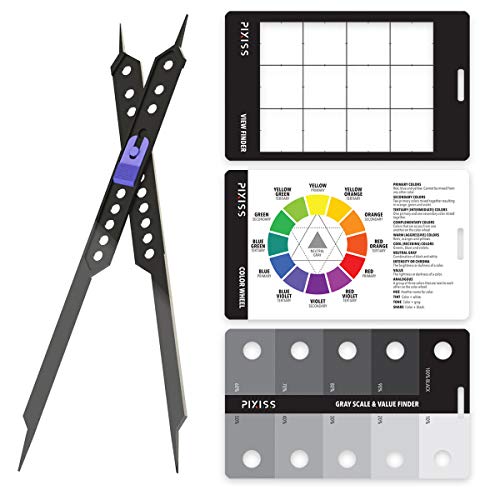
Pixiss Artist 10" Proportional Divider – Drawing Tool for Artists – Gray Scale Value Finder, Color Wheel and Artists View Catcher Finder – Drawing Supplies & Drafting Tools
Proportional Scale Divider – The Pixiss Proportional Scale Divider tool can be used to transfer subject matter onto…
As an affiliate, we earn on qualifying purchases.
As an affiliate, we earn on qualifying purchases.