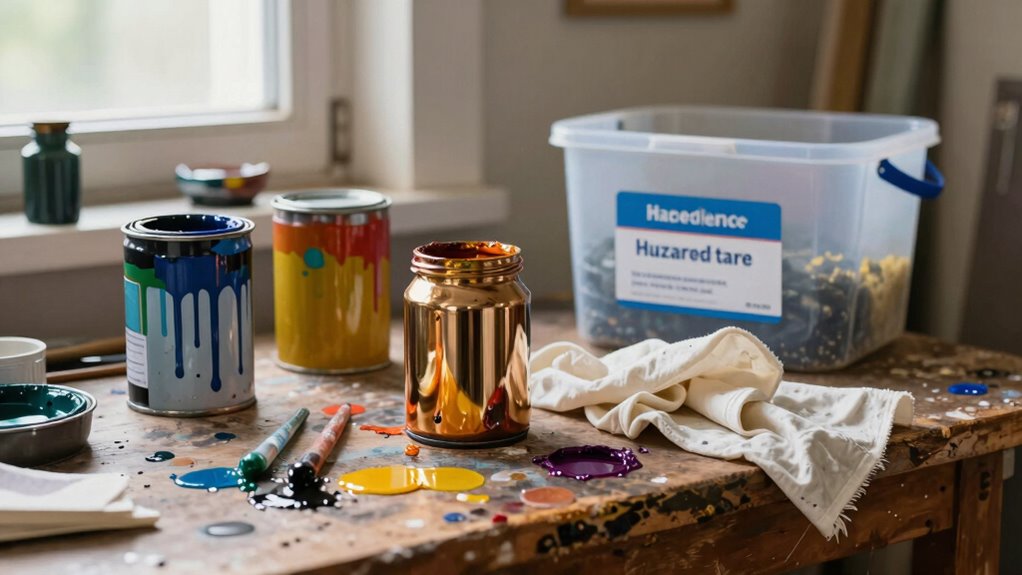

To dispose of paint, solvents, and resin properly, you should follow local regulations and avoid pouring them down drains or onto the ground. Store hazardous materials in labeled, sealed containers and contact certified waste disposal services or scheduled hazardous waste collection programs. Recycling centers and designated disposal sites are ideal options for environmentally safe waste handling. Ensuring proper disposal protects your health and the environment. Keep exploring to learn effective ways to manage studio waste responsibly.
Key Takeaways
- Dispose of water-based paints and media at designated recycling centers or through local curbside collection programs.
- Store solvents and resins in labeled, airtight containers and take them to certified hazardous waste disposal facilities.
- Never pour paint, solvents, or resin down drains, onto soil, or into regular trash to prevent environmental contamination.
- Follow local regulations and guidelines for hazardous waste collection, including scheduled pickups and special disposal sites.
- Seek professional waste management services that specialize in handling and recycling studio hazardous materials safely.

McKesson Prevent Biohazard Infectious Waste Sharps Container – Plastic, Horizontal Entry, Translucent Sliding Lid – Red, 2 gal, 7 in x 10 1/2 in x 10 1/4 in, 1 Count
As an affiliate, we earn on qualifying purchases.
As an affiliate, we earn on qualifying purchases.
Understand the Types and Risks of Studio Waste
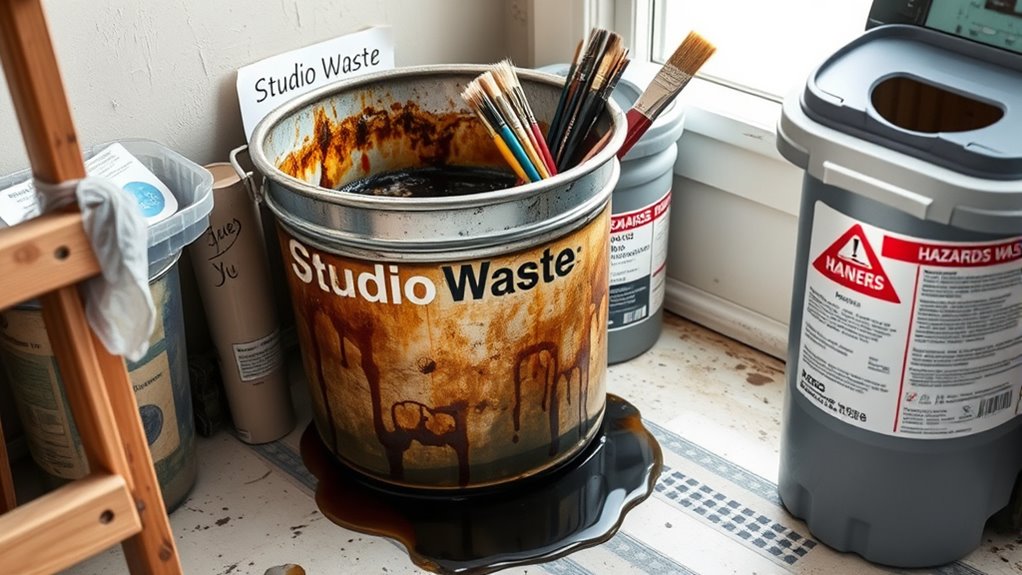
Have you ever considered what types of waste are generated in a studio and why they pose risks? Studio waste includes paints, solvents, resins, and other materials used during creative processes. These materials often contain hazardous chemicals that can harm both the environment and your health if not disposed of properly. Proper disposal methods are essential to prevent environmental hazards such as soil and water contamination, and can contribute to air pollution. Some waste, like solvent-soaked rags or leftover paint, can be flammable or toxic, increasing the risk of fires or health issues. Recognizing the types of studio waste helps you understand their potential dangers, emphasizing the importance of managing and disposing of these materials responsibly to protect yourself, others, and the environment. Additionally, proper waste management can help ensure compliance with local regulations and promote safer studio practices. Implementing safe disposal methods is crucial for minimizing environmental impact and safeguarding health. Being aware of hazardous chemical storage and disposal guidelines can further reduce risks associated with studio waste, especially considering the safety risks involved in handling and storing such materials.
![AccuformNMC NMC HW5W Non-Hazardous Waste Optional Information: Shipper, address, city, state, ZIP, contents Label - [Pack of 25]](https://m.media-amazon.com/images/I/51mFlxwgNyL._SL500_.jpg)
AccuformNMC NMC HW5W Non-Hazardous Waste Optional Information: Shipper, address, city, state, ZIP, contents Label – [Pack of 25]
Safety Label: such labels are often seen on drums or containers to identify non-hazardous waste that poses no…
As an affiliate, we earn on qualifying purchases.
As an affiliate, we earn on qualifying purchases.
Learn Local Rules for Waste Disposal
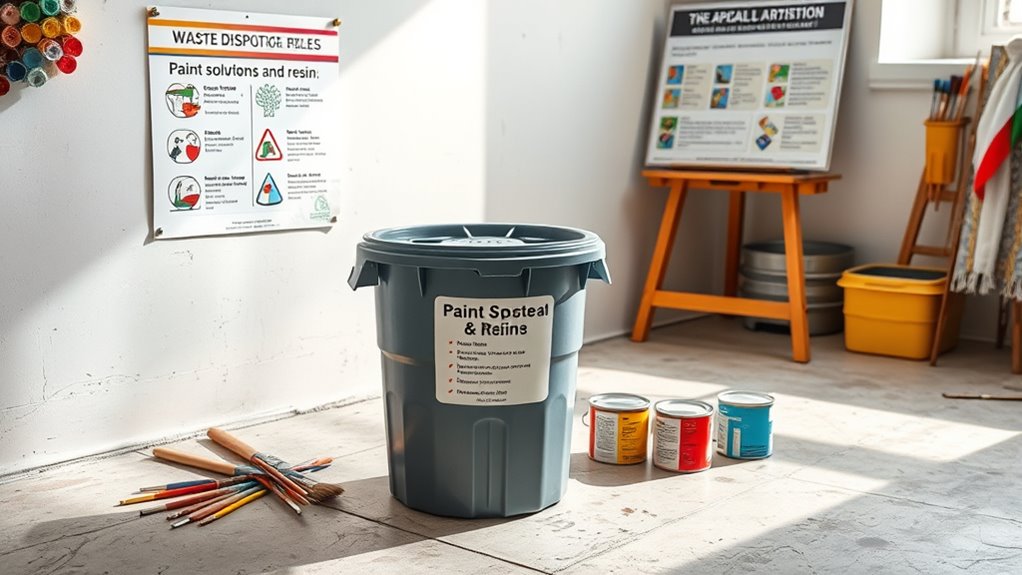
To manage studio waste effectively, you need to understand local disposal regulations and follow them carefully. Check with your community or waste collection services to learn about the proper procedures and available options. Staying informed guarantees you dispose of waste responsibly and avoid fines or environmental harm. Proper waste disposal methods are especially important when handling paints, solvents, and resins used in studio settings. Additionally, piercing aftercare products should be disposed of according to local hazardous waste guidelines to prevent contamination. Proper disposal of hazardous waste is crucial to protect both the environment and public health. Being aware of waste management policies can help ensure compliance and promote sustainable practices in your studio. Implementing safe disposal practices ensures hazardous materials are handled correctly and minimizes health risks.
Proper Disposal Regulations
Understanding and following local waste disposal regulations is essential to make certain you’re disposing of studio waste properly. Regulations often specify how to handle hazardous chemicals, including paints, solvents, and resins, to prevent environmental harm. Proper disposal methods may involve special collection sites or scheduled pickup services for hazardous waste. Ignoring these regulations can lead to fines or environmental damage. You must know the rules around waste storage, ensuring hazardous materials are kept in approved containers and labeled correctly. Always stay informed about your local laws and guidelines, and never dispose of hazardous chemicals in regular trash or drains. Proper waste management is crucial for minimizing environmental impact and ensuring safety in your workspace. Compliance protects both your studio and the environment. Additionally, understanding cybersecurity measures can help safeguard your digital records of waste disposal practices and ensure compliance with data protection standards. Utilizing digital tracking systems can improve waste documentation, help demonstrate compliance, and streamline reporting processes. Moreover, staying current with regulatory updates ensures that your disposal practices remain compliant as laws evolve.
Local Waste Collection Options
Are you aware of the waste collection services available in your area? Knowing your local options helps you handle studio waste responsibly. Many communities offer recycling centers for paints, solvents, and resins, ensuring hazardous waste is managed safely. Some areas have scheduled pick-up days for hazardous waste, while others require drop-offs at designated facilities. Check your local government’s website or call for specific rules. Here’s a quick overview:
| Service Type | How It Works | Contact Info |
|---|---|---|
| Recycling Centers | Drop off paint and solvents | Visit local.gov/recycling |
| Hazardous Waste Days | Scheduled collection events | Call your city office |
| Special Disposal Sites | Drop-off for resins and chemicals | Find nearby facilities |
| Curbside Pickup | Limited hazardous waste pickup | Check schedule with local waste services |
Additionally, some regions have specialized hazardous waste programs designed specifically for chemical and resin disposal. Understanding waste disposal regulations can help you stay compliant and environmentally responsible. Being aware of local waste management policies ensures proper disposal and helps prevent environmental contamination.

Rubbermaid Commercial RCP 2956-06 GRE Deskside Paper Recycling Container, Rectangular, Plastic, 7 gal, Green
Compact receptacle tucks in easily under desks and counters
As an affiliate, we earn on qualifying purchases.
As an affiliate, we earn on qualifying purchases.
How to Dispose of Paints and Water-Based Media
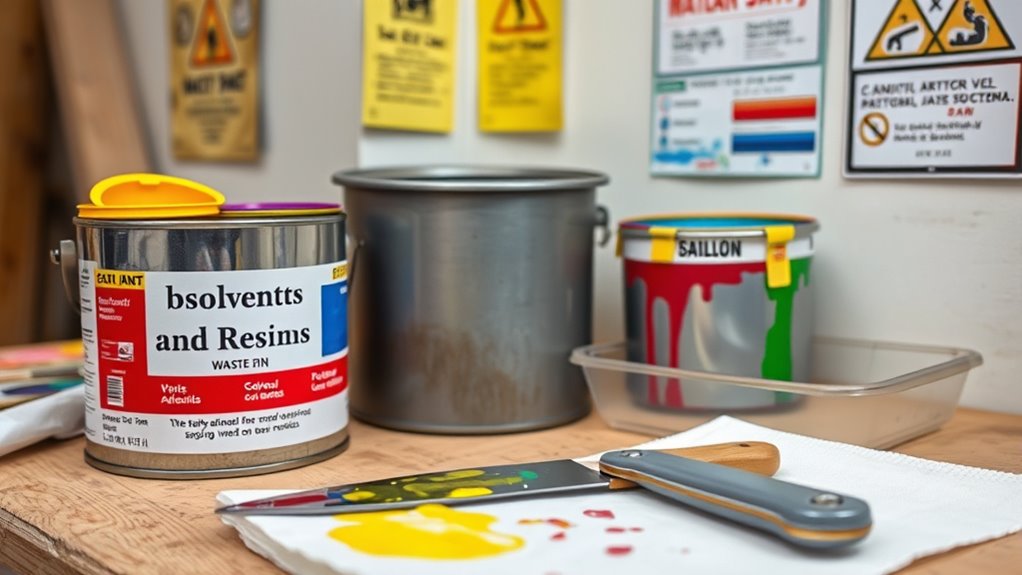
You need to understand the proper ways to dispose of paints and water-based media to keep your studio environmentally friendly. Local recycling programs can help you safely manage these materials and reduce waste.
Learning the right disposal methods guarantees you stay compliant and protect the environment.
Proper Disposal Methods
When it comes to disposing of water-based paints and media, doing so responsibly is essential for protecting the environment and preventing plumbing issues. Proper disposal methods help minimize studio waste and reduce the environmental impact of leftover materials. If you have small quantities, let the paint dry out completely and then dispose of it in regular trash, following local regulations. For larger amounts, contact local waste management services to find out if they accept dried paint or if you need to take it to a designated disposal site. Never pour water-based paints down drains or onto the ground, as this can contaminate water supplies. Additionally, considering the use of environmentally friendly water-based media can help reduce disposal concerns. Using appropriate essential oils can also be part of eco-conscious studio practices, especially when considering cleaning or maintenance routines.
Local Recycling Programs
Many communities offer recycling programs specifically designed for paints and water-based media, making it easier to dispose of these materials responsibly. Look for containers with recycling symbols that indicate they’re accepted for hazardous waste collection.
Before recycling, check if the paint or water-based media has hazardous labels; these labels help you identify whether special handling is required.
Local programs often have designated drop-off sites or scheduled collection days, ensuring safe disposal.
Never pour paints or water-based media down the drain or onto the ground, as they can harm the environment.
By following local guidelines and paying attention to recycling symbols and hazardous labels, you help prevent pollution and keep your community safe.
Always confirm specific disposal instructions with your local waste management authority.

Masterson Paint and Solvent Cups, Dripless Full Sealing Container with Lid, No Leak, Storage of Artist Paints, Oil Painting Mediums and Solvents, 10 Pack, Made in USA
Airtight containers designed for storing paints, oil painting mediums and solvents
As an affiliate, we earn on qualifying purchases.
As an affiliate, we earn on qualifying purchases.
Safely Handle and Dispose of Solvents and Thinners
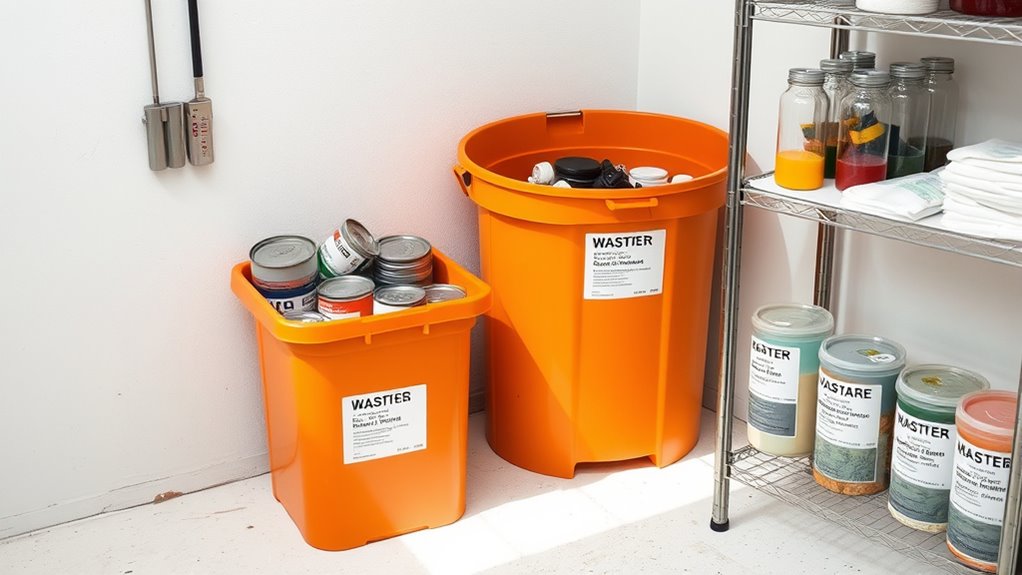
Handling and disposing of solvents and thinners safely is essential to prevent health hazards and environmental contamination. You should always store these materials in clearly labeled, airtight containers away from heat and flames.
Always store solvents and thinners in labeled, airtight containers away from heat to ensure safety.
When working with solvents, use proper ventilation to minimize inhalation risks. Follow disposal regulations strictly; never pour solvents down the drain or onto the ground. Instead, take them to authorized hazardous waste facilities.
Be aware of chemical hazards associated with different solvents, and always use personal protective equipment like gloves and goggles. Proper disposal not only protects your health but also ensures compliance with local laws and environmental standards.
Staying informed about disposal regulations helps you manage studio waste responsibly and avoid costly penalties.
Tips for Managing Resin Waste Responsibly
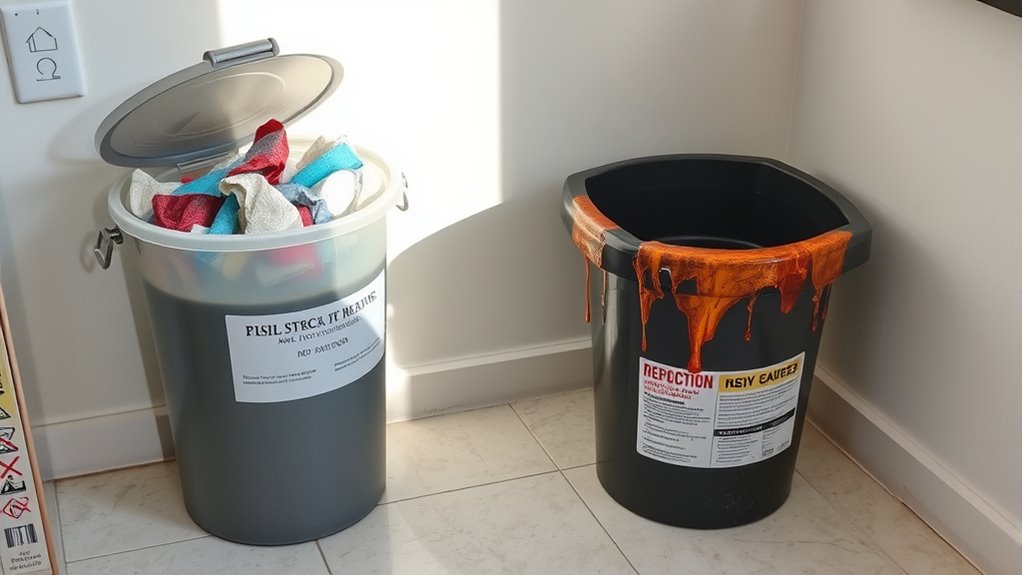
Managing resin waste responsibly is essential to protect your health and the environment. To prevent issues like oil spills or leaks, always store resin in hazardous containers designed for chemical storage. Proper containment minimizes the risk of spills, which can harm local ecosystems. Use the table below to guide your disposal process:
| Tip | Explanation |
|---|---|
| Use Hazardous Containers | Keep resin in sealed, labeled containers to avoid leaks. |
| Avoid Spills | Handle containers carefully, on stable surfaces. |
| Do Not Discard in Regular Trash | Resin can contaminate water and soil. |
| Seek Proper Disposal | Contact certified waste disposal services for recycling or disposal. |
Following these tips helps ensure responsible management of resin waste, preventing environmental hazards. Smart gear combined with proper handling techniques can significantly reduce risks during disposal. Additionally, understanding the importance of secure storage can further protect against accidental releases, especially in hazardous chemical environments. Proper waste management practices are crucial for minimizing environmental impact and ensuring safety, and adopting best disposal methods can make a substantial difference.
Find Certified Waste Disposal Services Near You
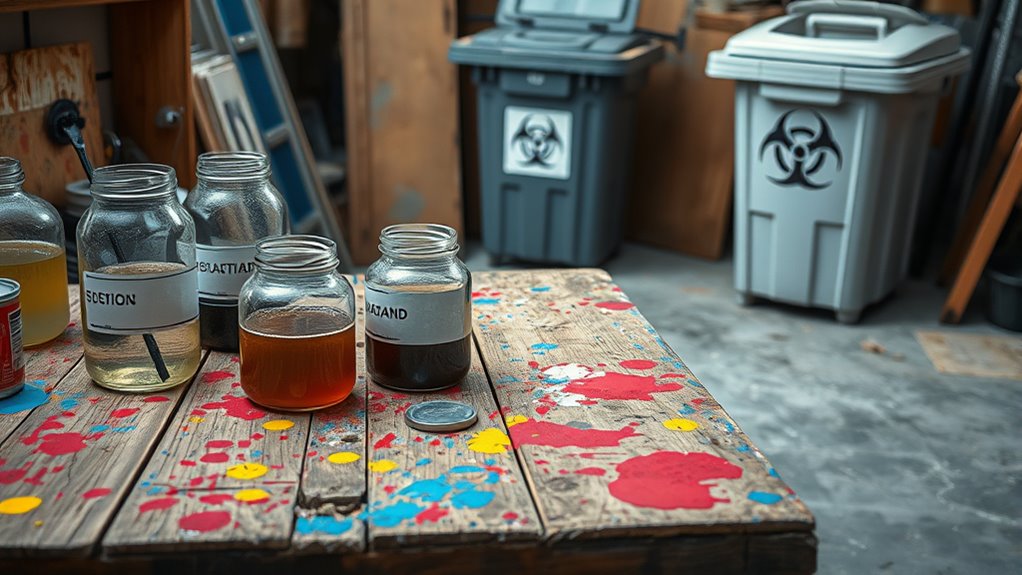
Finding certified waste disposal services near you is a crucial step in ensuring your resin waste is handled safely and responsibly. Look for providers that prioritize eco-friendly practices and have experience managing hazardous materials. Certified disposal services follow strict regulations, reducing risks of spills, contamination, or environmental harm. When selecting a service, verify their credentials and ask about their handling procedures for hazardous materials like solvents and resin residues. Proper disposal not only protects the environment but also keeps your studio compliant with local laws. Many certified providers offer specialized pickup and recycling options, making it easier to manage waste responsibly. Additionally, choosing a provider with proper licensing and insurance ensures that you are protected in case of accidents or violations. Ensuring that disposal practices align with environmental regulations is essential for sustainable operation and avoiding potential penalties.
Develop a Waste Management Plan for Your Studio
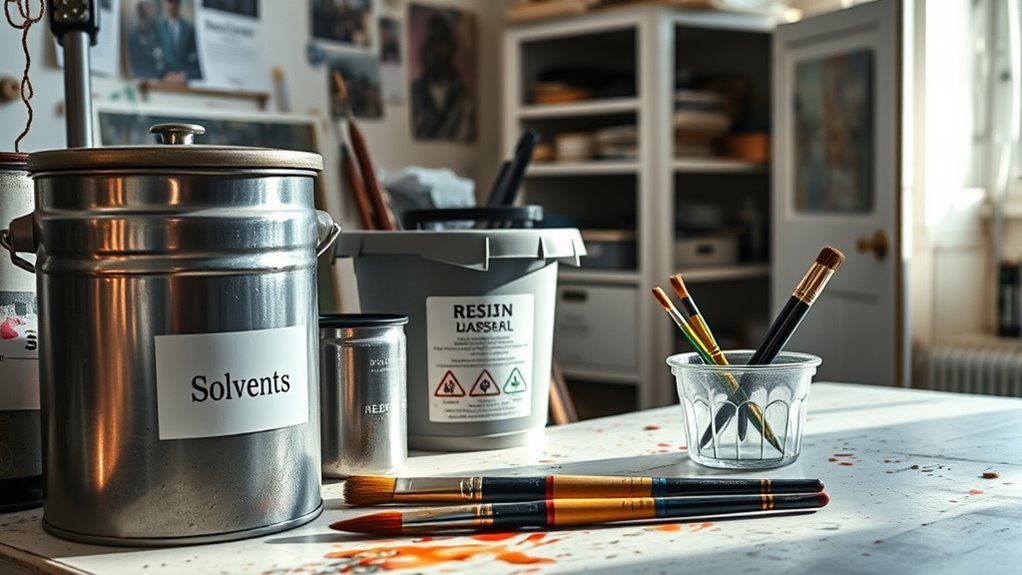
Creating a thorough waste management plan is essential to keep your studio safe, compliant, and environmentally responsible. Start by evaluating your studio cleanup routines and identifying where waste accumulates.
Establish clear procedures for separating paint, solvents, and resin waste, ensuring they go into proper containers. Prioritize waste reduction by limiting excess materials and choosing eco-friendly alternatives.
Designate specific areas for waste storage, making sure they’re well-ventilated and labeled. Regularly review your plan to adapt to changing materials or regulations.
Educate yourself on local disposal regulations to stay compliant. Implementing this plan helps prevent spills, reduces hazardous waste, and promotes a clean, safe working environment.
A proactive approach to waste management benefits both your studio and the environment.
Easy Ways to Reduce Studio Waste and Protect the Environment

Reducing studio waste doesn’t have to be complicated or costly. Adopting eco friendly studio practices makes a big difference. Start by using art supply recycling programs to repurpose materials like paper, canvas scraps, and unused paints.
When possible, buy in bulk to lessen packaging waste and choose eco-friendly products with minimal environmental impact. Implement simple habits, such as drying and reusing leftover paints or solvents when safe.
Properly storing and labeling materials prevents unnecessary disposal. Educate yourself on safe disposal methods for hazardous waste to avoid contamination.
Small changes, like switching to reusable palettes and containers, can considerably cut down on waste. By making these eco conscious choices, you protect the environment while maintaining a sustainable, responsible art practice.
Frequently Asked Questions
How Can I Identify Hazardous Studio Waste Materials?
You can identify hazardous studio waste materials by checking their material labeling and looking for hazardous signs. Labels often include specific symbols, warnings, or hazard codes indicating dangerous contents like solvents or resins.
Always read the labels carefully, as they provide vital safety information. If you’re unsure, consult safety data sheets or your studio’s waste disposal guidelines to make certain you’re handling and disposing of these materials properly.
What Are the Costs Associated With Professional Waste Disposal Services?
You’ll find that costs for professional waste disposal services vary depending on the service provider and your waste type. Typically, a cost comparison reveals fees ranging from $100 to $500 per pickup, with hazardous waste often costing more.
Factors like waste volume, disposal frequency, and local regulations influence pricing. To get the best deal, it’s smart to compare several service providers and ask about their pricing structures upfront.
Are There Eco-Friendly Alternatives to Traditional Solvents and Paints?
Yes, you can opt for eco-friendly paints and natural solvents, which reduce harmful emissions and environmental impact. These alternatives often use biodegradable ingredients and lower VOC levels, making them safer for you and the planet.
Switching to eco-friendly paints and natural solvents helps you create art sustainably, minimizes hazardous waste, and supports a healthier environment. It’s a smart choice for artists committed to reducing their ecological footprint.
How Often Should I Review and Update My Studio’s Waste Management Plan?
You should review and update your studio’s waste management plan at least every six months.
During waste inspections, identify new hazards or waste types, and make certain your safety training covers proper disposal procedures.
Regular updates help you stay compliant, prevent accidents, and minimize environmental impact.
Keep detailed records of inspections and updates, so you’re always prepared and your studio remains a safe, eco-friendly workspace.
What Community Resources Support Sustainable Art Studio Practices?
You can tap into local recycling initiatives and community recycling programs to support sustainable art practices. Many communities offer special drop-off sites for hazardous materials like paints, solvents, and resins, ensuring safe disposal.
Additionally, participating in events or collaborating with local environmental groups helps promote eco-friendly habits. These resources make it easier for you to manage waste responsibly and stay aligned with sustainability goals in your studio.
Conclusion
By understanding the types of studio waste and following local disposal rules, you can safeguard your health and the environment. Properly handling paints, solvents, and resins guarantees safe studio practices. Develop a waste management plan and seek certified disposal services to stay responsible. Small steps like reducing waste and recycling can make a big difference. Commit to these habits, and you’ll create a safer, cleaner studio for yourself and future artists.