
Charcoal drawings smudge because their powdery texture easily transfers when touched or handled, especially on smooth or absorbent surfaces. To prevent this, choose textured paper and use high-quality charcoals, handle your work carefully, and avoid excessive blending. Applying fixatives in light coats can seal in your artwork. Protect your drawings by storing them properly and using gentle cleaning tools if smudges occur. Keep exploring to learn more about maintaining your masterpiece’s clarity.

Prime made for students and young adults
- Fast, free delivery for dorm and study essentials
- Prime Video and Amazon Music included
- Member-only deals
Key Takeaways
- Charcoal smudges due to handling, blending, surface texture, and environmental factors like humidity and dust.
- Using proper tools, such as fixatives and soft brushes, helps lock in charcoal and prevent smudging.
- Choosing textured, absorbent paper and harder charcoal reduces dust and minimizes smudging risks.
- Applying fixatives in light, even coats stabilizes the drawing and preserves details.
- Handling artwork carefully, storing in protective covers, and controlling the environment prevent unwanted smudges over time.
As an affiliate, we earn on qualifying purchases.
The Composition and Texture of Charcoal
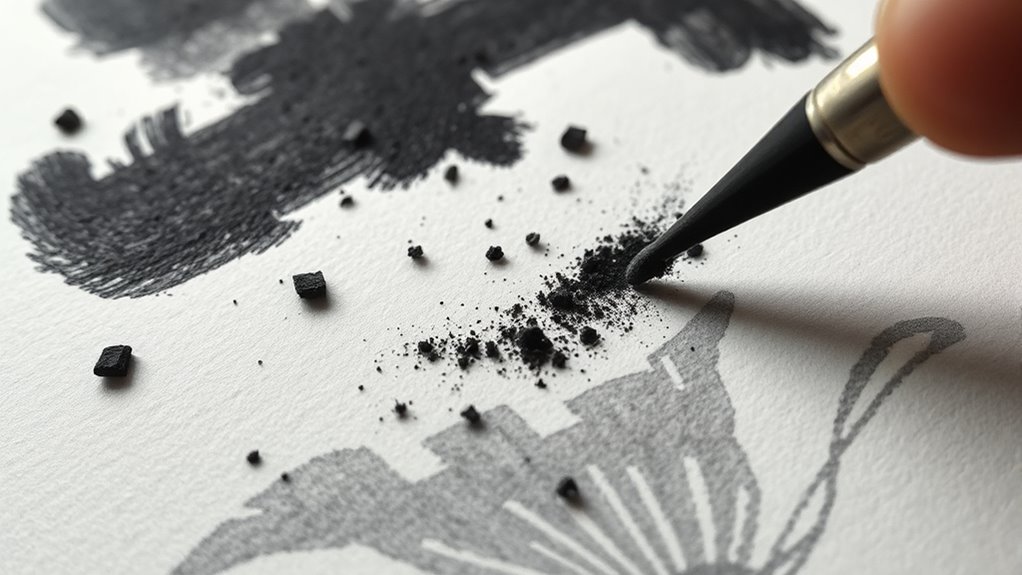
Charcoal is prized for its rich, deep blacks and versatile texture, making it a favorite among artists. Its composition allows for smooth blending techniques that create seamless progressions between tones, giving your work a dynamic depth. The surface texture of your drawing paper plays a vital role in how charcoal adheres and reacts, affecting both detail and overall feel. A rougher surface provides more grip, emphasizing bold strokes and textures, while a smoother surface enables finer lines and subtle shading. Understanding the interplay between these elements helps you control the intensity and softness of your charcoal marks. Mastering blending techniques and selecting the right surface texture will elevate your artwork, allowing you to exploit charcoal’s full expressive potential. Additionally, paying attention to charcoal composition can help you choose the best materials for your desired effects.
textured drawing paper for charcoal
As an affiliate, we earn on qualifying purchases.
As an affiliate, we earn on qualifying purchases.
Common Causes of Smudging in Charcoal Artwork
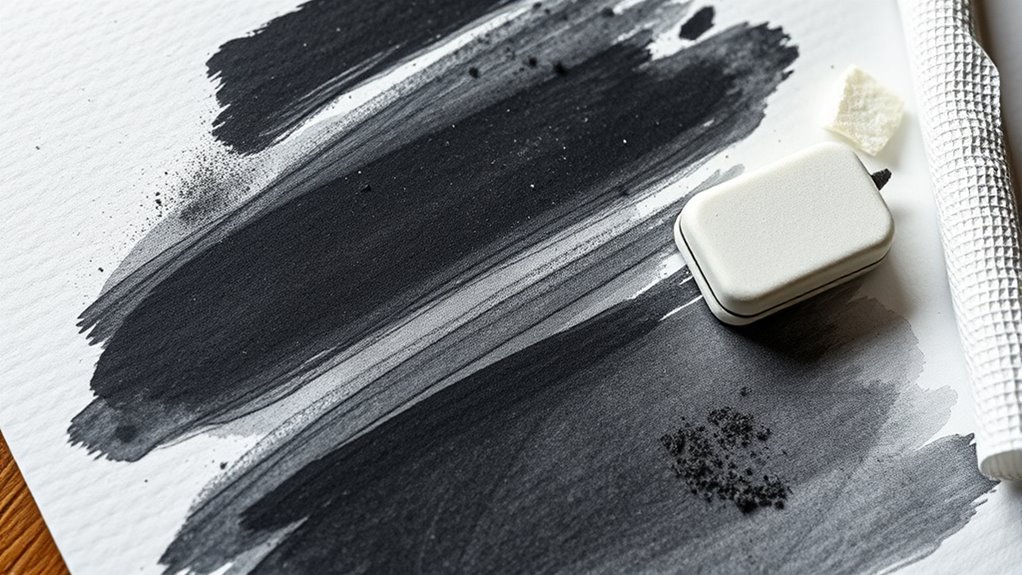
Smudging often occurs when the charcoal is not applied carefully or when handling the artwork prematurely. If you press too hard during charcoal blending, you can easily spread the particles beyond intended areas, causing unwanted smudges. Poor erasing techniques also contribute, especially if you use rough or aggressive erasers that disturb the surface. Additionally, touching the drawing with your fingers transfers oils and moisture, making smudging more likely. Inconsistent pressure during application can create uneven layers that are prone to smearing. To prevent this, use gentle blending tools and precise erasing methods, like kneaded erasers, to lift or lighten areas without spreading the charcoal unintentionally. Proper handling and technique are essential to keep your artwork clean and free of smudges. Using proper paper quality can also significantly reduce the likelihood of smudging, as it provides a smoother surface and better control over the charcoal. Being aware of artwork surface properties can help artists select the best paper to minimize smudging and improve their results. Additionally, selecting paper with appropriate texture can enhance control and reduce unintended smears during the drawing process. Moreover, understanding the surface properties of your chosen paper can further assist in preventing smudges and achieving cleaner work. Incorporating these quality assurance practices can help maintain the integrity of your charcoal drawings.
kneaded erasers for charcoal art
As an affiliate, we earn on qualifying purchases.
As an affiliate, we earn on qualifying purchases.
The Role of Tools and Materials in Smudge Prevention
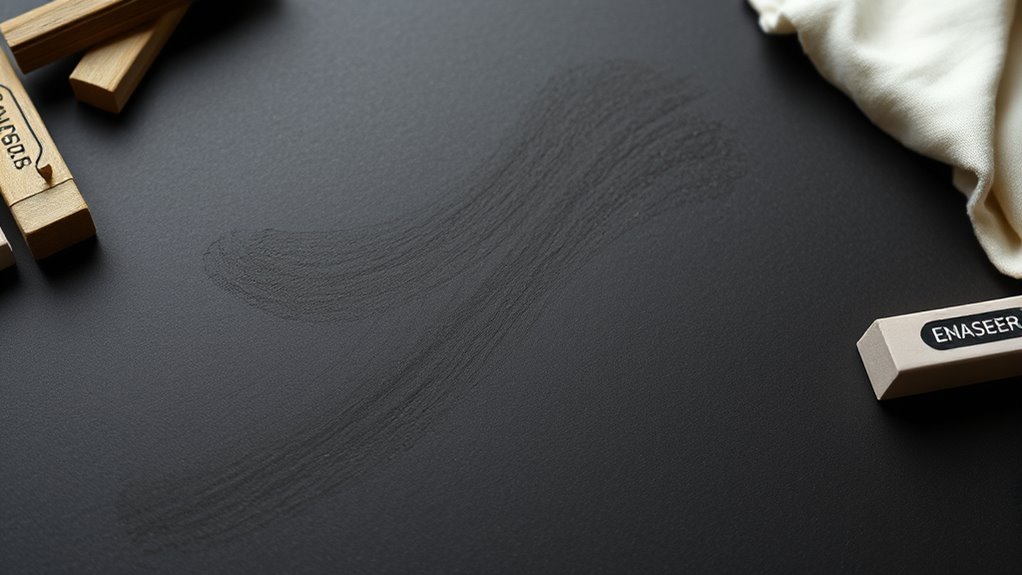
Using the right tools and materials can make a big difference in preventing smudges. Applying fixatives adds stability, while choosing textured paper and suitable charcoal types helps keep your work clean. These choices keep your drawing crisp and free from unwanted smudging. Additionally, understanding free floating techniques can help artists control the movement of charcoal and avoid accidental smears.
Fixatives for Stability
Applying a fixative is essential to keep your charcoal drawings stable and prevent unwanted smudging. It seals your work, protecting delicate charcoal layers during handling and display. When applying fixative, you can still achieve smooth charcoal blending by spraying lightly and evenly, avoiding over-application that could obscure details. It also helps preserve your artist signature placement, preventing smudges that might erase or distort your mark. Choose a fixative designed for charcoal to ensure compatibility and avoid yellowing or cracking over time. Always spray in a well-ventilated area and test on a scrap piece first. Proper use of fixatives maintains the integrity of your artwork, keeps your lines crisp, and helps your finished piece stay intact longer. Additionally, selecting a fixative with appropriate customer support and reputation can ensure you get guidance and quality assurance for your materials.
Choice of Paper Texture
Have you considered how your choice of paper texture impacts the stability of your charcoal drawings? A rough surface finish can trap more charcoal, creating a textured look but increasing smudging risk. Conversely, a smooth surface finish allows for cleaner lines and less accidental blending. The texture influences how easily charcoal adheres and how much it can be moved or smudged. Selecting the right paper texture depends on your desired effect and smudge control. Here’s a comparison:
| Paper Texture | Surface Finish |
|---|---|
| Rough | Creates texture, more smudging risk |
| Medium | Balanced, moderate smudging control |
| Smooth | Less smudging, cleaner lines |
| Very smooth | Minimal smudging, detailed work |
| Textured | Adds depth, requires careful handling |
Choosing the right surface finish enhances your control and minimizes unwanted smudging.
Selecting Appropriate Charcoal Types
Choosing the right type of charcoal considerably impacts your ability to control smudging and achieve the desired effect. You’ll want to contemplate charcoal hardness; soft charcoals create rich, dark lines but smudge easily, while harder charcoals offer cleaner lines with less smudging. For detailed work, medium or hard charcoals are preferable. When selecting brands, look for reputable options known for consistent quality and minimal excess dust, which can contribute to smudging. Premium brands often provide a better range of hardness levels, giving you more control over your technique. Experiment with different types to find what suits your style, but always keep in mind that the choice of charcoal directly influences how much you’ll need to work to prevent smudging and maintain clarity in your drawings. Additionally, understanding charcoal composition can help you select materials that produce less dust and reduce smudging during your work.
soft blending brushes for charcoal
As an affiliate, we earn on qualifying purchases.
As an affiliate, we earn on qualifying purchases.
Techniques for Safeguarding Your Charcoal Drawings
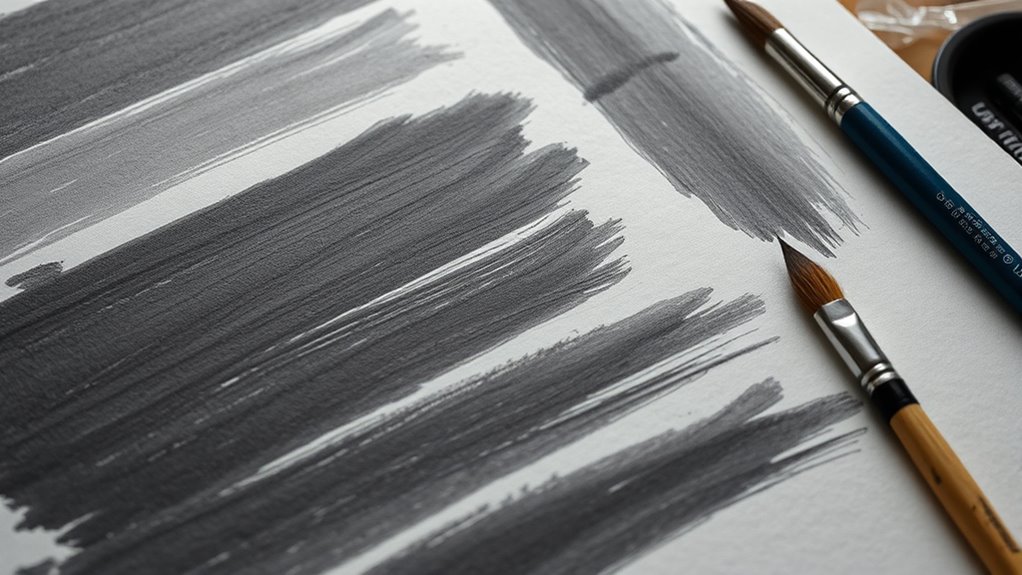
Protecting your charcoal drawings is essential to guarantee their longevity and preserve their detail. To prevent smudging, handle your artwork carefully and avoid unnecessary contact. Use fixatives designed for charcoal to set the shading and artistic layering, which stabilizes the surface and reduces smudge risk. When working on your piece, consider layering your charcoal gradually, building depth while keeping the surface stable. Keep your workspace dust-free to avoid accidental smudges, and store finished drawings flat or in protective sleeves. When transporting or displaying your artwork, frame it behind glass or acrylic to shield it from environmental damage. These techniques help maintain the integrity of your charcoal shading, ensuring your artwork remains vibrant and pristine over time.
Choosing the Right Surface for Charcoal Art
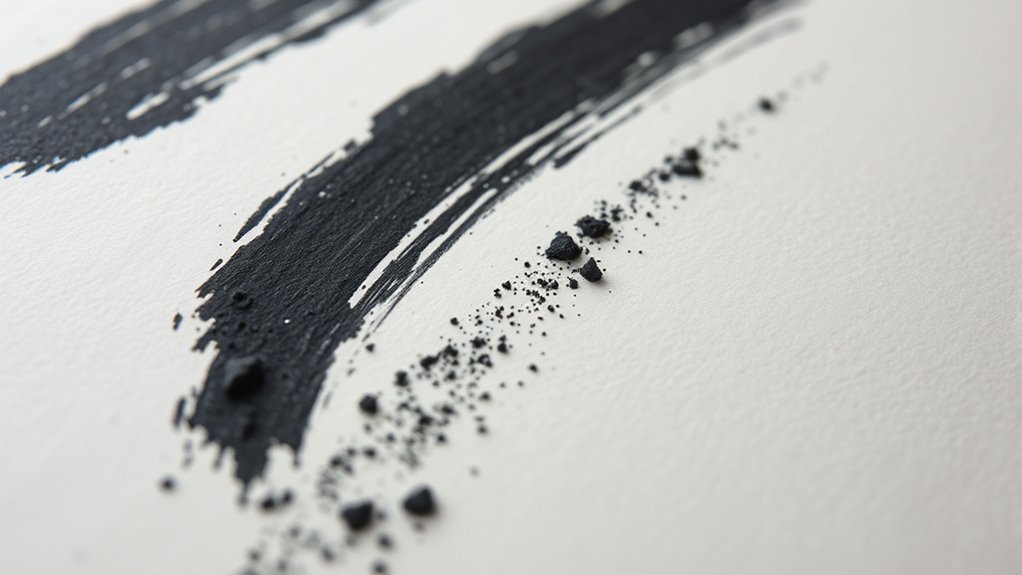
What makes a surface suitable for charcoal art? The right surface enhances your ability to achieve smooth charcoal blending and minimizes unwanted smudging. Look for surfaces with moderate surface absorption; too absorbent, and your charcoal may sink in, making blending difficult, too smooth or non-porous, and blending becomes challenging. Papers like textured drawing paper or toned paper with a slight tooth work well because they grip the charcoal without excessive absorption. These surfaces allow you to layer and blend effectively while reducing smudging. Smooth surfaces like Bristol board may limit blending but can be useful for detailed work. Ultimately, choose a surface that balances absorption and texture to give you control, improve blending, and keep your artwork clean. Using appropriate materials can also make a significant difference in achieving your desired results, especially when selecting surfaces with suitable porosity levels. Additionally, understanding halal standards can guide artists in choosing ethically sourced and safe materials for their work, ensuring their art practice aligns with their values.
The Importance of Proper Handling and Storage
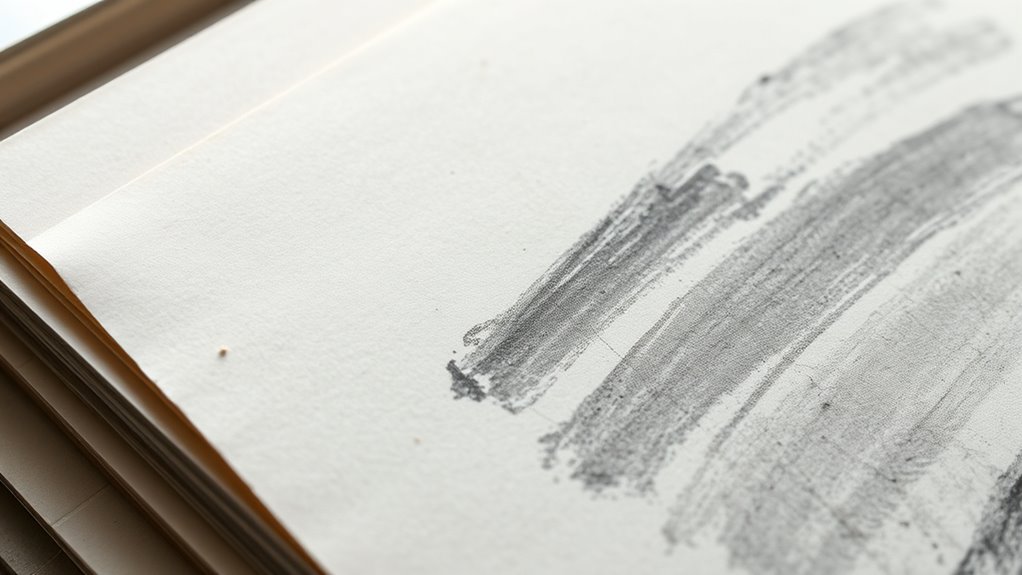
Proper handling and storage are essential to maintaining the quality of your charcoal drawings. Using proper handling techniques guarantees you avoid smudging or damaging your artwork. Equally important, choosing the right storage solutions safeguards your drawings from dust, light, and accidental spills. When handling your artwork, always hold it by the edges to prevent fingerprints or smudges. Store your drawings flat in acid-free folders or portfolios to prevent warping. Keep them in a cool, dry area away from direct sunlight to preserve the charcoal’s richness. Consider using sleeves or protective covers for added safety. Regularly check your storage conditions to ensure they remain ideal. Implementing these handling techniques and storage solutions keeps your artwork pristine and ready for display or framing. Proper handling techniques and storage methods are key to preventing smudging and ensuring longevity of your charcoal drawings. Additionally, using appropriate storage materials can significantly reduce the risk of accidental damage over time. Ensuring proper artwork preservation practices helps maintain the charcoal’s vibrancy and texture for years to come. Being aware of environmental factors can also help you create a stable condition for your artwork over time.
Using Fixatives to Protect Your Artwork
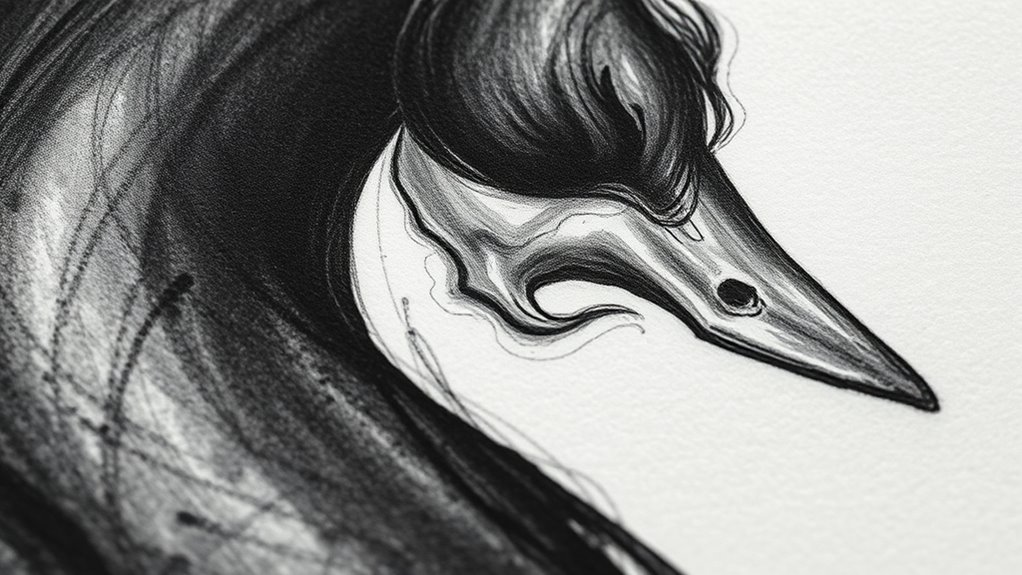
Using fixatives is an effective way to preserve your charcoal drawings and prevent smudging or fading over time. When you apply a fixative, it locks in the charcoal application, keeping your lines sharp and your shading intact. This helps maintain the integrity of your artistic expression, especially if you’ve spent hours developing detailed work. Spray the fixative evenly in a well-ventilated area, holding the can about 12 inches from your artwork. Use light, multiple coats rather than a heavy application to avoid altering your shading or creating uneven spots. Fixatives create a protective barrier, allowing you to handle your drawing without fear of smudging or accidental damage. Incorporating this step ensures your artwork stays vibrant and true to your original vision. Additionally, understanding the importance of proper preservation techniques can ensure your art remains in excellent condition for years to come. To further protect your work, consider environmental factors such as proper storage and display conditions that minimize exposure to dust and humidity. Being aware of art conservation methods can also help in maintaining your artwork’s longevity.
Tips for Cleaning and Restoring Smudged Drawings
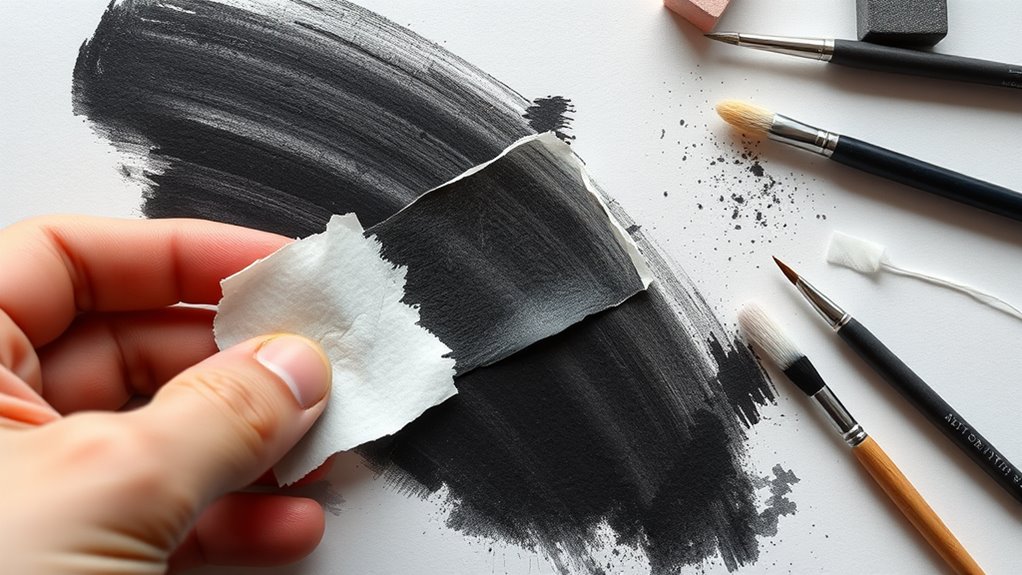
When your charcoal drawing gets smudged, it’s important to use gentle cleaning techniques to prevent damaging your work. You can fix minor smudges safely with careful tools and methods, but preservation tips are key to maintaining your artwork’s integrity. By following these guidelines, you’ll ensure your drawing stays clean and well-preserved over time. For additional protection, consider using fixatives designed specifically for charcoal drawings to minimize future smudging.
Gentle Cleaning Techniques
Smudges and dirt can easily diminish the beauty of charcoal drawings, but gentle cleaning techniques can help restore their original quality without causing damage. To protect your artwork’s artistic expression and highlight your charcoal techniques, use soft tools and careful methods.
- Use a clean, dry brush or soft brush to gently sweep away surface dust.
- Apply a gentle eraser, like a kneaded eraser, to lift smudges carefully.
- Dampen a cotton swab slightly with water for stubborn dirt, but test first.
- Avoid harsh chemicals or solvents that may damage the charcoal.
- Work in a well-lit area, and handle the drawing with clean hands to prevent further smudging.
These techniques help preserve your artwork while maintaining its expressive qualities.
Fixing Smudges Safely
Have you ever noticed how easily charcoal drawings can become blurred or damaged by smudges? When fixing smudges safely, start by gently using eraser techniques, like a kneaded eraser, to lift unwanted marks without disturbing the original artwork. Light, precise dabbing helps remove smudges without smearing further. To prevent accidental damage, consider framing your work with a mat or glass to minimize contact and protect it from accidental smudging. If you need to restore areas, work slowly and carefully, always testing your eraser on a scrap piece first. Avoid harsh rubbing, which can deepen smudges or damage the surface. These methods help restore your drawing while maintaining its integrity, ensuring your artwork stays sharp and clean.
Preservation Tips
Proper cleaning and restoration techniques can considerably extend the life of your charcoal drawings. To preserve your artwork, start with gentle brushing to remove surface dust without disturbing the charcoal blending. Use a soft, clean eraser to carefully lift smudges or accidental marks, always testing on a small area first. Fixative spray can help set the charcoal and prevent further smudging, but apply it in thin layers and outdoors. Keep your drawings away from direct sunlight and moisture to avoid deterioration. Consider framing your piece behind glass to protect it from handling and environmental damage. Remember, mastering artist techniques and proper preservation methods helps maintain your work’s integrity and beauty over time.
Frequently Asked Questions
How Does Humidity Affect Charcoal Smudging?
Humidity effects your charcoal drawings by increasing moisture impact, which makes the charcoal more prone to smudging. When the air is humid, moisture settles on your artwork, causing the charcoal to become softer and more likely to smudge easily. To prevent this, you should work in a controlled environment with low humidity, use fixing spray, and handle your drawings carefully. These steps help minimize moisture impact and keep your art intact.
Can Digital Tools Replicate the Smudging Effect Intentionally?
Yes, digital tools can replicate the smudging effect intentionally, creating stunning digital realism with virtual textures that mimic charcoal’s soft gradations. You’ll see artists blend shades seamlessly, adding depth and emotion to their work. With advanced brushes and layer manipulation, you can simulate the tactile feel of smudging precisely, drawing viewers into a scene that feels both authentic and immersive. The suspense lies in how convincingly these virtual textures deceive the eye.
Are There Eco-Friendly Fixatives Available for Charcoal Art?
Yes, eco-friendly sprays and biodegradable fixatives are available for your charcoal art. These products help preserve your work without harmful chemicals, making them a great choice for environmentally conscious artists. You simply spray a light, even coat over your drawing to protect it from smudging and damage. Using these eco-friendly options guarantees your artwork stays intact while minimizing your environmental impact.
How Do Different Lighting Conditions Influence the Appearance of Smudges?
Think of your artwork as a stage, where light angles shape the scene and shadow intensity reveals hidden depths. In bright, direct light, smudges become bold actors, easily visible and more pronounced. Under softer, angled lighting, they fade into the background, less noticeable. You can control smudge visibility by adjusting light angles; softer lighting minimizes shadows, making smudges less prominent and your drawing more polished.
What Are Some Common Mistakes Beginners Make That Cause Smudging?
You often cause smudging when you handle erasers improperly or use the wrong tools. For example, dragging your hand across the drawing without resting it or using a dirty eraser spreads charcoal unintentionally. To prevent this, handle erasers gently, use proper tools like blending stumps or frisket, and work from top to bottom. These habits help keep your work clean and free of unwanted smudges.
Conclusion
So, next time you marvel at a smudged masterpiece, remember—you’re just one misstep away from turning your pristine work into abstract chaos. Embrace the smudge, or better yet, use it as an excuse to learn the art of prevention. After all, who needs clean lines when you can have a charming, accidental mess? Keep your tools close, your fixatives closer, and turn that smudge into your signature style—because perfection is overrated anyway.
Halloween Picks
halloween
As an affiliate, we earn on qualifying purchases.





![Terence Tao: Math 2.0 [Pdf]](https://kellerkunst.com/wp-content/uploads/2026/10/terence-tao-math-2-0-pdf-featured-260x140.jpg)