
Impasto is a painting technique where you apply thick, textured layers of paint to make your art feel alive and vibrant. By using bold brushstrokes or palette knives, you create depths and movement that engage viewers both visually and tactilely. This technique has a rich history, from Old Masters to modern artists, and shapes how artworks express emotion and energy. Keep exploring to discover more about how impasto brings paintings to life.

Prime made for students and young adults
- Fast, free delivery for dorm and study essentials
- Prime Video and Amazon Music included
- Member-only deals
Key Takeaways
- Impasto involves applying thick layers of paint to create rich texture and depth in artworks.
- It emphasizes visible brushstrokes and paint texture, adding a three-dimensional, tactile quality.
- Historically used by artists like Van Gogh and Rembrandt to convey movement and emotion.
- Modern techniques include using heavy acrylics, palette knives, and digital planning for textured effects.
- Impasto enhances visual impact, making art feel vibrant, lively, and engaging beyond just visual perception.
As an affiliate, we earn on qualifying purchases.
What Is Impasto? Exploring the Thick Paint Technique
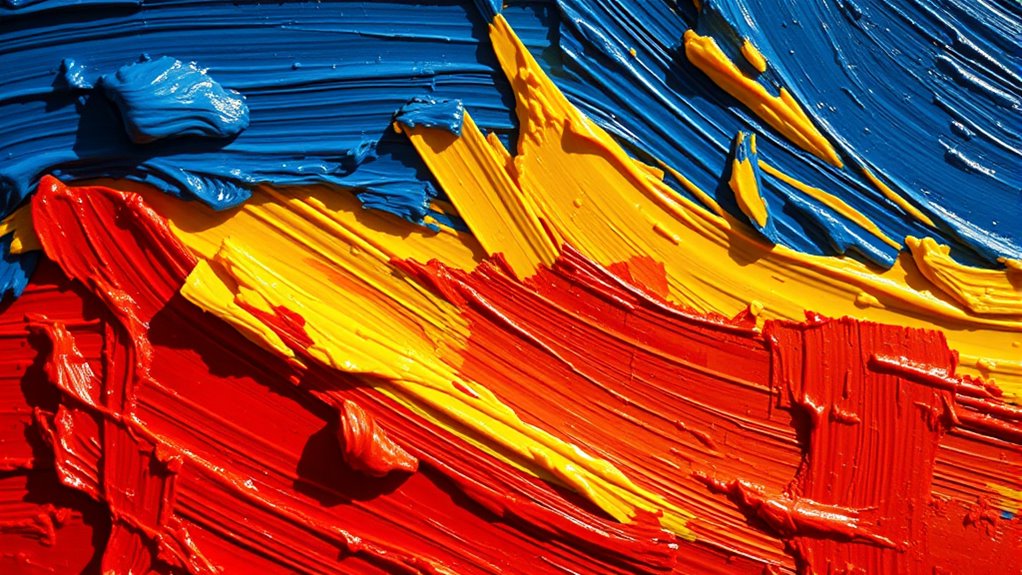
Have you ever wondered how artists create artworks with such striking texture and depth? It all comes down to brush stroke dynamics and paint texture manipulation. A key aspect of this technique is the use of free floating paint, which allows for the creation of spontaneous and lively textures. Impasto involves applying thick layers of paint that stand out from the canvas, giving a tactile quality that invites viewers to feel the artwork’s surface. Artists intentionally vary their brush strokes, using bold, energetic movements to build up texture and create movement within the piece. This technique allows for a rich interplay of light and shadow, enhancing the sense of volume and dimension. By manipulating paint texture, artists can evoke emotion and vibrancy, making the artwork feel alive. Surface texture is a fundamental element that influences how viewers perceive the energy and emotion in impasto works. Additionally, the choice of painting tools and the way artists manage paint consistency are crucial for achieving the desired textured effects. Achieving the right balance of paint consistency is essential for controlling the thickness and flow of the paint, impacting the overall texture. Moreover, understanding the cultural significance of traditional painting techniques can deepen an artist’s approach to impasto, connecting it to historical practices and regional styles. Impasto isn’t just about applying paint—it’s about controlling how that paint interacts with the surface to craft a powerful visual impact.
As an affiliate, we earn on qualifying purchases.
The History and Evolution of Impasto in Art
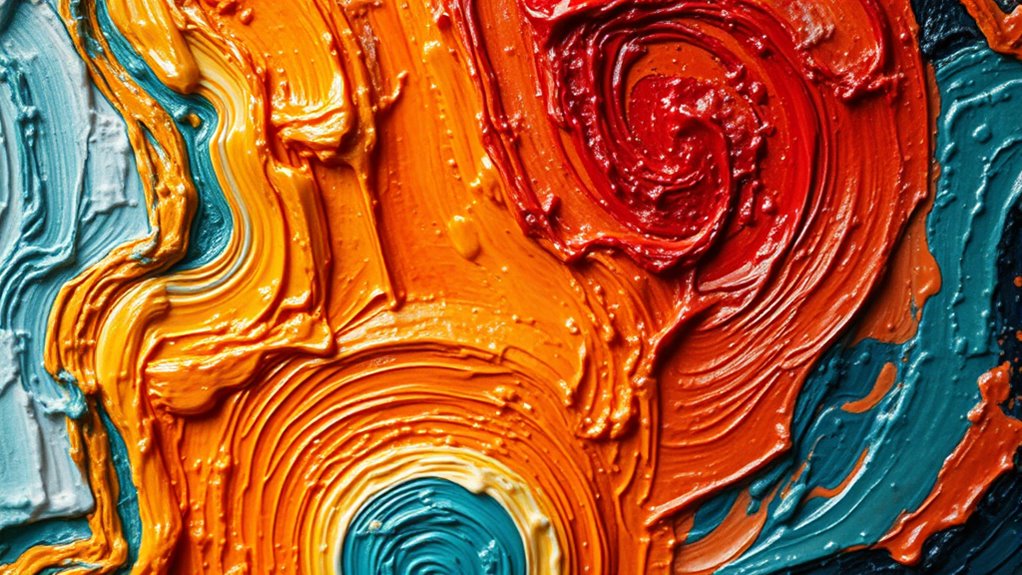
The use of impasto has a rich history that dates back centuries, reflecting its significance in shaping artistic expression. Early artists, like Rembrandt and Titian, used thick paint to create intense texture contrast, bringing their subjects to life. During the Impressionist era, painters like Van Gogh embraced impasto to add emotional depth and vibrancy to their work. Over time, artists experimented with different techniques to enhance the tactile quality of their paintings, making impasto a key element in conveying movement and energy. Its evolution demonstrates how artists continuously adapted impasto to suit their expressive needs, transforming it from a simple textural method into a powerful tool for visual storytelling. Today, impasto remains a crucial part of artistic innovation and personal style, with some modern artists incorporating appliance maintenance plans to preserve their work’s integrity over time. Additionally, contemporary advancements in AI-powered art analysis help in understanding and preserving impasto techniques for future generations. The ongoing development of restoration techniques also plays a vital role in maintaining the authenticity of impasto artworks during conservation efforts, with some experts exploring digital restoration methods to better replicate original textures.
As an affiliate, we earn on qualifying purchases.
Creating Impasto: Materials and Techniques Artists Use
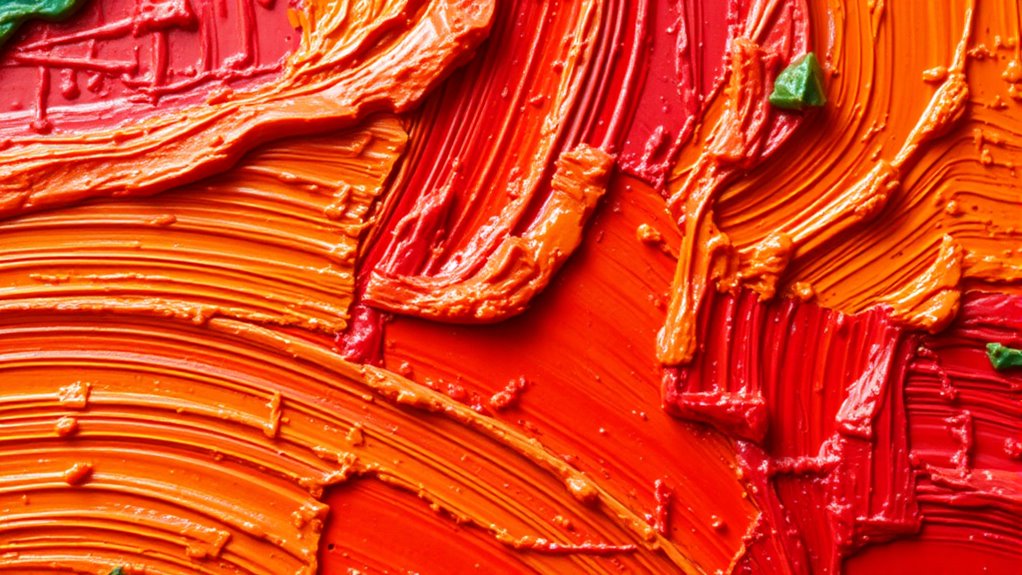
Creating impasto requires selecting the right materials and applying techniques that emphasize texture and thickness. You’ll want to use thick, high-viscosity paints like oil or heavy acrylics, which hold their shape on the canvas. Focus on brush stroke dynamics; bold, deliberate strokes help build the rich, textured surface characteristic of impasto. Experiment with palette knives to apply paint directly, creating physical layers that stand out. Mastering color blending techniques is key, as you can layer and manipulate colors to add depth and vibrancy to your work. By varying pressure and stroke direction, you enhance the three-dimensional quality of your painting. Incorporating innovative cloud computing solutions can also support artists in digital workflows, offering new ways to plan and visualize textures before applying physical paint. These methods allow you to craft tactile, expressive surfaces that bring your artwork to life with vibrant texture and movement.
As an affiliate, we earn on qualifying purchases.
Iconic Impasto Masterpieces Through the Ages
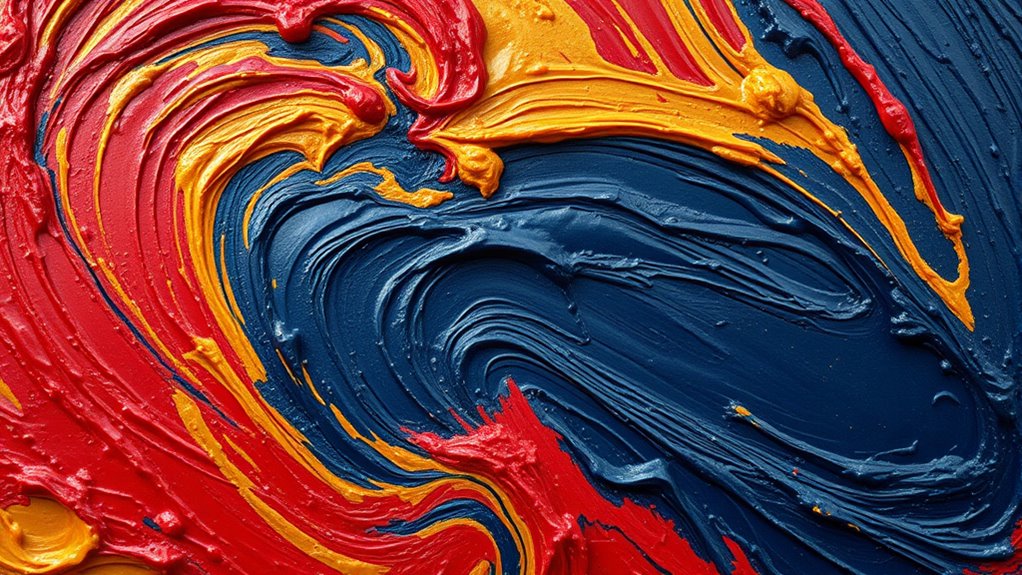
Why do certain impasto artworks stand out across history? It’s their bold texture contrast and dramatic visual depth that make them unforgettable. Artists like Van Gogh and Jackson Pollock used thick paint to create dynamic, tactile surfaces that draw you in. These masterpieces evoke emotion through their physicality, making you almost feel the strokes. To see the impact clearly, consider this table:
| Artist | Artwork | Key Feature |
|---|---|---|
| Vincent Van Gogh | Starry Night | Swirling, textured sky |
| Jackson Pollock | No. 5, 1948 | Layered, chaotic paint |
| Rembrandt | Self-Portrait with Two Circles | Rich, textured brushwork |
These works exemplify how impasto enhances visual depth and creates a visceral experience. Their textured surfaces make them timeless icons. Texture quality plays a crucial role in elevating the emotional impact of these artworks. Advances in nanotechnology are even beginning to influence how artists experiment with texture and material properties, opening new horizons for tactile art forms. Additionally, understanding air purifier maintenance can help preserve artworks by controlling environmental factors in galleries and studios. Furthermore, innovations in material science continue to expand the possibilities for creating and preserving impasto artworks, making them more durable and expressive. The integration of new materials into traditional techniques allows for even more innovative and resilient textured artworks.
How Impasto Shapes Modern and Contemporary Art
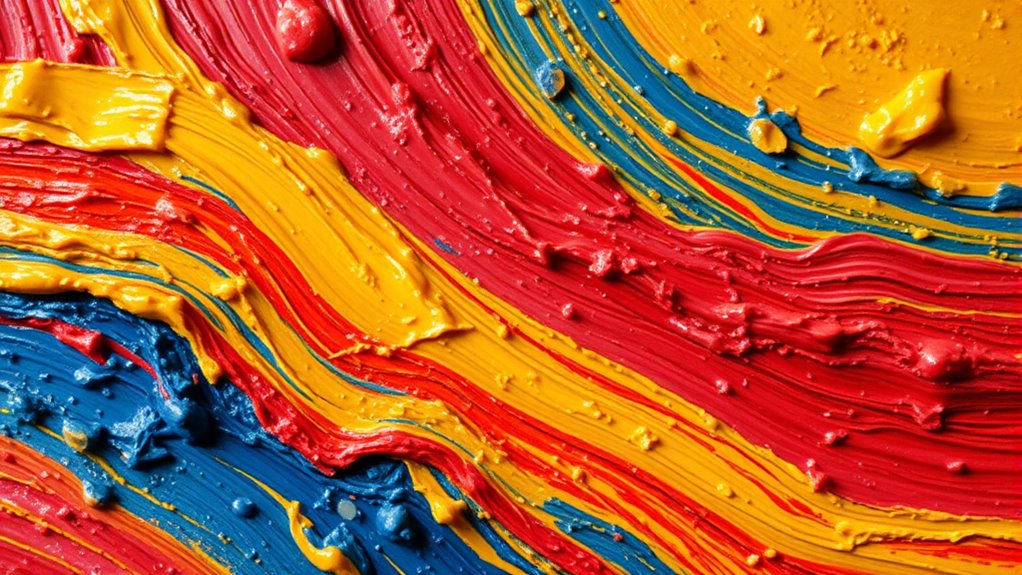
Impasto continues to influence modern and contemporary art by pushing artists to explore new textures and emotional expressions. You notice how artists use thick layers of paint to create remarkable texture depth, inviting viewers to experience the artwork’s physicality. Mastering firewood techniques reminds us that mastering fundamental skills can help artists better control their medium and achieve desired effects. This technique enhances visual movement, making each piece feel dynamic and alive. Modern artists experiment with impasto to evoke raw emotion or challenge traditional perspectives, emphasizing the tactile quality of their work. By emphasizing texture, they add a three-dimensional aspect that engages your senses beyond visual perception alone. Artistic texture allows for a richer sensory experience, encouraging viewers to connect more deeply with the artwork. Recognizing the significance of textural effects can help artists utilize impasto to enhance their expressive potential. Contemporary artists harness impasto’s potential to break boundaries, emphasizing the painting’s physical presence and emotional intensity. This ongoing evolution keeps impasto relevant, ensuring it remains a crucial tool for expressing complex feelings and innovative ideas in modern art. Additionally, the use of impasto can create a sense of immediacy, capturing the viewer’s attention through its visual impact and tactile richness. Recognizing the importance of interior design basics in art-making can inform how artists structure their compositions for maximum effect.
Frequently Asked Questions
How Does Impasto Affect the Viewer’s Emotional Response to Art?
Impasto heightens your emotional response by adding visual intensity and depth to the artwork. When you see thick, textured paint, it creates a sense of immediacy and energy, making the image feel alive.
This technique evokes emotional depth, drawing you closer and making you feel more connected to the artist’s passion and the scene. The tactile quality of impasto invites you to experience the art on a visceral level, amplifying your emotional engagement.
Can Impasto Be Used Effectively in Digital or Mixed Media Art?
Yes, you can effectively use impasto in digital adaptation and mixed media art.
In digital formats, you can simulate impasto’s thick textures with specialized brushes and layering techniques, creating a tactile feel.
In mixed media, combine physical thick paint with other materials like collage or fabric to enhance depth.
This approach adds richness and emotional intensity, making your artwork more dynamic and engaging for viewers.
What Are Common Mistakes Artists Make When Applying Impasto?
When applying impasto, you might struggle with brushstroke control or inconsistent paint consistency. To avoid this, keep your brushstrokes deliberate and steady, ensuring the paint isn’t too thick or thin.
Rushing can cause uneven textures, so take your time to layer and manipulate the paint carefully.
Practicing these techniques helps you master impasto, giving your artwork vibrant texture and depth that truly makes it come alive.
How Does Impasto Influence the Longevity and Preservation of Paintings?
Impasto can affect your painting’s longevity by increasing paint deterioration risk and creating preservation challenges.
The thick layers trap moisture and pollutants, which can cause cracking or peeling over time.
To protect your artwork, you need to make certain of proper drying, use suitable varnishes, and store it in controlled environments.
Are There Specific Lighting Techniques That Enhance Impasto’s Texture?
You can enhance impasto’s texture through strategic lighting techniques that focus on light enhancement and shadow play.
Position your light source at an angle to create highlights on the thick paint strokes, which emphasizes their three-dimensional quality.
Using directional lighting, such as side lighting, casts shadows that accentuate the texture, making the impasto appear more vivid and alive.
Adjusting light intensity and angle helps bring out every detail of the thick paint.
Conclusion
Understanding impasto lets you appreciate how artists bring their works to life with thick, textured paint. By exploring its history, techniques, and iconic masterpieces, you see how this bold style adds depth and emotion. Whether in classical or modern art, impasto invites you to experience the energy and vibrancy that only thick paint can deliver. Next time you view a painting, notice the texture — it’s what makes the art truly alive.
Fall Picks
fall essentials
As an affiliate, we earn on qualifying purchases.






![Terence Tao: Math 2.0 [Pdf]](https://kellerkunst.com/wp-content/uploads/2026/10/terence-tao-math-2-0-pdf-featured-260x140.jpg)