The best art and architecture books balance clear explanations, strong visual presentation, and a subject broad enough to match how you want to read. My best overall pick is Architecture: A Visual History, which makes architectural styles and landmarks approachable through a broad, image-led format. For readers who want a practical starting point, Drawing Architecture focuses on building sketching skills, while Art: The Definitive Visual Guide offers wider coverage across art history. The main tradeoff is between broad reference books and focused volumes that explore one movement, artist, or design tradition in greater depth. Read on for the full breakdown and guidance on choosing the right kind of book for your shelf.

Prime made for students and young adults
- Fast, free delivery for dorm and study essentials
- Prime Video and Amazon Music included
- Member-only deals
Key Takeaways
- Architecture: A Visual History is the strongest all-round architecture starting point in this lineup; its broad visual approach suits curious readers better than specialist titles.
- Drawing Architecture serves a different purpose from the reference books: it is for readers who want to practice sketching, not just learn about buildings.
- The two Definitive Visual Guide books offer broad reference coverage, while Arts & Architecture 1950–1954 and 1955–1959 focus on a narrower historical publication and period.
- The specialist books have clearer audiences: Anime Architecture connects design to imagined cities, Stillness explores Japanese aesthetics, and Cathedrals centers on religious architecture and engineering.
- Michelangelo and Case Study Houses reward readers seeking a concentrated subject, but are less suitable as a single, general introduction to art and architecture.
| Drawing Architecture: The Beginner’s Guide to Sketching Architecture |  | Best for Beginner Drawing Practice | ASIN: 1446309525 | Subject: Architectural sketching | Level: Beginner | VIEW LATEST PRICE | See Our Full Breakdown |
| Arts & Architecture 1950–1954 | 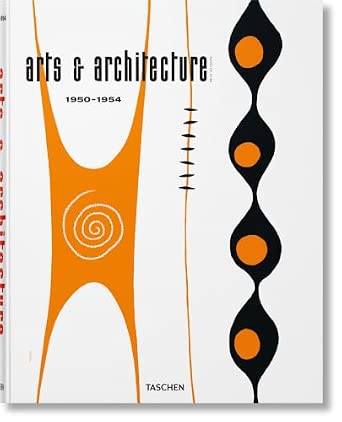 | Best for Mid-Century Period Research | ASIN: 3754400509 | Format: Book | Coverage period: 1950–1954 | VIEW LATEST PRICE | See Our Full Breakdown |
| Anime Architecture: Imagined Worlds and Endless Megacities |  | Best for Anime-Inspired Imagined Architecture | ASIN: 0500294526 | Subject: Architecture in anime | Stated themes: Imagined worlds and megacities | VIEW LATEST PRICE | See Our Full Breakdown |
| Architecture: A Visual History (DK Ultimate Guides) |  | Best for Broad Visual Orientation | ASIN: 1465464689 | Series: DK Ultimate Guides | Subject: Architecture | VIEW LATEST PRICE | See Our Full Breakdown |
| Knowledge Encyclopedia: Art & Architecture |  | Best for Young Learners | ASIN: 9354404030 | Format: Encyclopedia | Subjects: Art and architecture | VIEW LATEST PRICE | See Our Full Breakdown |
| Architectural Digest at 100: A Century of Celebrity Homes, Iconic Designers, and American Taste |  | Best for American Interior Design History | Format: Book | Subject: Architecture and interior design | Source material: Architectural Digest archives | VIEW LATEST PRICE | See Our Full Breakdown |
| Arts & Architecture 1955–1959 |  | Best for a Focused Midcentury Period | Title period: 1955–1959 | Subject: Arts and architecture | Format: Not specified | VIEW LATEST PRICE | See Our Full Breakdown |
| Stillness: An Exploration of Japanese Aesthetics in Architecture and Design |  | Best for Japanese Design and Aesthetics | Subject: Japanese aesthetics | Topics: Architecture and design | Format: Not specified | VIEW LATEST PRICE | See Our Full Breakdown |
| Architecture: The Definitive Visual Guide |  | Best Visual Reference | Subject: Architecture | Book type: Visual guide | Series: DK Definitive Cultural Histories | VIEW LATEST PRICE | See Our Full Breakdown |
| On Artistry: Architecture and Interiors |  | Best for Architecture-and-Interior Pairings | Subject: Artistry | Topics: Architecture and interiors | Format: Not specified | VIEW LATEST PRICE | See Our Full Breakdown |
| Case Study Houses (Basic Art) |  | Best for Modernist Homes | Subject: Case Study Houses | Series: Basic Art | Book type: Art and architecture book | VIEW LATEST PRICE | See Our Full Breakdown |
| Cathedrals: Masterpieces of Architecture, Feats of Engineering, Icons of Faith |  | Best for Architecture and Faith | Subject: Cathedrals | Coverage: Architecture, engineering, and religious significance | Book type: Art and architecture book | VIEW LATEST PRICE | See Our Full Breakdown |
| Michelangelo: The Complete Sculpture, Painting, and Architecture | 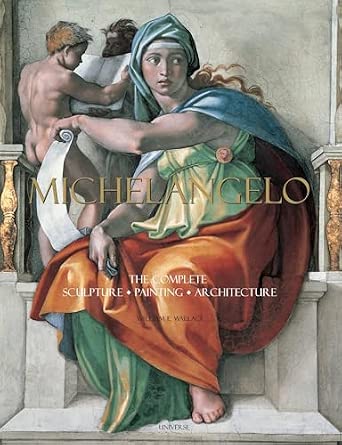 | Best for a Single Artist Across Disciplines | Subject: Michelangelo | Coverage: Sculpture, painting, and architecture | Book type: Artist-focused art and architecture book | VIEW LATEST PRICE | See Our Full Breakdown |
| Art: The Definitive Visual Guide |  | Best for a Broad Visual Survey | Subject: Art | Series: DK Definitive Cultural Histories | Book type: Visual guide | VIEW LATEST PRICE | See Our Full Breakdown |
| art and architecture book | ASIN | Subject | Format | Series |
|---|---|---|---|---|
| Drawing Architecture: The Begi | 1446309525 | Architectural sketching | Not specified | — |
| Arts & Architecture 1950–1954 | 3754400509 | Arts and architecture | Book | — |
| Anime Architecture: Imagined W | 0500294526 | Architecture in anime | Not specified | — |
| Architecture: A Visual History | 1465464689 | Architecture | Not specified | DK Ultimate Guides |
| Knowledge Encyclopedia: Art & | 9354404030 | — | Encyclopedia | — |
| Architectural Digest at 100: A | 1419733338 | Architecture and interior design | Book | — |
| Arts & Architecture 1955–1959 | 3754406027 | Arts and architecture | Not specified | Not specified |
| Stillness: An Exploration of J | 3967041581 | Japanese aesthetics | Not specified | Not specified |
| Architecture: The Definitive V | 0744084989 | Architecture | Not specified | DK Definitive Cultural Histories |
| On Artistry: Architecture and | 0847877353 | Artistry | Not specified | Not specified |
| Case Study Houses | 3836535602 | Case Study Houses | — | Basic Art |
| Cathedrals: Masterpieces of Ar | 0847871401 | Cathedrals | — | — |
| Michelangelo: The Complete Scu | 0789318873 | Michelangelo | — | — |
| Art: The Definitive Visual Gui | 1465474757 | Art | — | DK Definitive Cultural Histories |
More Details on Our Top Picks
Drawing Architecture: The Beginner’s Guide to Sketching Architecture
Drawing Architecture takes a practical route into the subject: rather than surveying buildings as history, it focuses on learning to sketch them. That makes it a more hands-on choice than Architecture: A Visual History (DK Ultimate Guides), which is better suited to browsing architectural eras and styles. The beginner-focused premise gives aspiring sketchers a clear reason to choose it, especially if they want to observe buildings by drawing them. The tradeoff is its narrower scope: it is not a broad reference to architecture, and the available product details do not confirm specific exercises, tools, or coverage. Readers seeking illustrated context across art and architecture may find Knowledge Encyclopedia: Art & Architecture a better fit, while this guide is the more direct pick for someone who wants to practice sketching.
Pros:- Beginner-focused subject makes it approachable for people starting architectural sketching
- Emphasizes active drawing rather than passive browsing
- A focused alternative to broad history guides such as Architecture: A Visual History (DK Ultimate Guides)
Cons:- The available description does not specify the book’s exercises, techniques, or drawing materials
- Its sketching focus offers less breadth than a general architecture history or encyclopedia
- No format or other edition details are provided
Best for: New sketchers who want a book centered on drawing buildings rather than surveying architecture history
Not ideal for: Readers seeking a broad visual reference, detailed architectural history, or confirmed information about specific lessons and materials
- ASIN:1446309525
- Subject:Architectural sketching
- Level:Beginner
- Stated focus:Sketching architecture
- Format:Not specified
- Coverage period:Not specified
Our verdict“Choose this guide if your main goal is to start sketching architecture, not to build a wide-ranging reference library.”
Arts & Architecture 1950–1954
Arts & Architecture 1950–1954 is the most period-specific choice in this group, with its scope anchored to a defined five-year span. That makes it a better match for readers researching or collecting material on mid-century arts and architecture than Architecture: A Visual History (DK Ultimate Guides), whose appeal is a wider historical sweep. Its focus is also distinct from Arts & Architecture 1955–1959: choosing between them comes down to which half of the decade matters to your project. The limitation is equally clear: the supplied details do not say whether this is a facsimile, a retrospective, or another treatment of the subject, nor do they specify artists, projects, or image content. Buyers wanting a general introduction should favor a broader guide instead.
Pros:- Clearly defined 1950–1954 coverage gives it a focused research role
- Pairs naturally with Arts & Architecture 1955–1959 for readers following the decade
- Offers a period-specific alternative to broad historical surveys
Cons:- The supplied description does not clarify whether the content is archival, analytical, or a reprint
- Its five-year scope is narrow for readers seeking an all-period introduction
- No details are provided about contributors, featured works, or illustrations
Best for: Architecture and design researchers, students, and collectors focused on arts and architecture from 1950 through 1954
Not ideal for: Readers who want a general architecture overview or need confirmation of the book’s editorial format and featured material before buying
- ASIN:3754400509
- Format:Book
- Coverage period:1950–1954
- Subject:Arts and architecture
- Stated scope:Period-specific coverage
- Language:Not specified
Our verdict“Pick this volume when your interest is specifically arts and architecture from 1950 to 1954 rather than a broad survey.”
Anime Architecture: Imagined Worlds and Endless Megacities
Anime Architecture: Imagined Worlds and Endless Megacities gives this roundup its most imaginative and pop-culture-focused angle. Rather than tracing real buildings through history as Architecture: A Visual History (DK Ultimate Guides) does, it explores architecture as depicted in anime, with particular attention to invented settings and sprawling cities. That makes it a distinctive choice for readers interested in how built environments help shape fictional worlds. It also sits apart from Drawing Architecture, which is oriented toward practicing sketching rather than exploring anime settings. The main tradeoff is its specialized subject: readers looking for real-world architectural movements or a general art-and-architecture reference may get more use from the broader titles. The available description does not identify specific series, creators, or visual features, so those details remain unconfirmed.
Pros:- Distinctive focus on architecture represented in anime
- Connects imagined worlds with the design of large urban environments
- Provides a clear alternative to real-world surveys such as Architecture: A Visual History (DK Ultimate Guides)
Cons:- Specialized subject may not suit readers seeking broad architecture coverage
- The supplied description does not name featured anime, artists, or projects
- Format and visual-content details are not provided
Best for: Anime fans, visual-culture readers, and architecture enthusiasts drawn to fictional cities and designed worlds
Not ideal for: Readers seeking a conventional history of real buildings, a drawing workbook, or confirmed coverage of particular anime titles
- ASIN:0500294526
- Subject:Architecture in anime
- Stated themes:Imagined worlds and megacities
- Geographic setting:Fictional settings
- Format:Not specified
- Featured anime or creators:Not specified
Our verdict“Choose this book for anime’s imagined architecture and megacities, not as a general history of buildings.”
Architecture: A Visual History (DK Ultimate Guides)
Architecture: A Visual History is the broadest entry point here for readers who want to see architecture as a subject across history, rather than focus on one skill, medium, or period. That gives it a different job from Arts & Architecture 1950–1954, whose tightly bounded timeframe favors focused period research, and from Drawing Architecture, which is aimed at sketching practice. Its visual-history framing is well suited to browsing and building an initial sense of architectural variety. The tradeoff is breadth: readers with a precise interest in anime settings may prefer Anime Architecture: Imagined Worlds and Endless Megacities, while younger learners have a dedicated option in Knowledge Encyclopedia: Art & Architecture. The supplied description does not specify periods, image count, or organizational approach, so those particulars cannot be judged here.
Pros:- Broad historical subject suits readers beginning to explore architecture
- Visual-history approach is oriented toward seeing architectural examples
- More general in scope than the 1950–1954 period volume
Cons:- The supplied description does not identify specific eras, regions, or buildings covered
- Broad coverage may offer less depth for readers focused on a single movement or subject
- No format or illustration details are provided
Best for: Curious readers and students who want a visually oriented starting point for learning about architecture across history
Not ideal for: Readers seeking a hands-on sketching guide, a specialized period study, or a children’s reference
- ASIN:1465464689
- Series:DK Ultimate Guides
- Subject:Architecture
- Approach:Visual history
- Coverage period:Historical coverage; specific dates not provided
- Format:Not specified
Our verdict“Choose this as a broad visual starting point if you want architectural history rather than a specialized or activity-led book.”
Knowledge Encyclopedia: Art & Architecture
Knowledge Encyclopedia: Art & Architecture is the clearest choice here for children: its stated audience and encyclopedia format point toward browsing and reference, rather than the specialist focus of the other books. Compared with Architecture: A Visual History (DK Ultimate Guides), it adds art to the subject and is explicitly designed for young readers; compared with Drawing Architecture, it is not presented as a sketching course. That makes it a practical fit for a child who likes looking up topics across both fields. The tradeoff is that the available details do not describe age range, entries, illustration style, or depth, so parents cannot judge those specifics from the listing. Adults seeking sustained architectural analysis or a focused historical source should choose a more specialized title.
Pros:- Designed for children, giving it a distinct audience in this lineup
- Covers both art and architecture rather than architecture alone
- Encyclopedia format supports topic-by-topic browsing
Cons:- The supplied details do not state an age range or reading level
- Depth and specific topics are not described
- Not presented as a focused architectural drawing guide like Drawing Architecture
Best for: Children who enjoy browsing reference books about both art and architecture, and adults choosing an introductory resource for them
Not ideal for: Adult researchers, readers seeking detailed architectural history, or children specifically looking for step-by-step drawing instruction
- ASIN:9354404030
- Format:Encyclopedia
- Subjects:Art and architecture
- Intended audience:Children
- Stated format purpose:Reference
- Age range:Not specified
Our verdict“Choose this for a child who wants a browseable introduction to both art and architecture, not for specialist study.”
Architectural Digest at 100: A Century of Celebrity Homes, Iconic Designers, and American Taste
A century of magazine archives gives this book a distinctly domestic focus: homes, the people who shaped them, and changing ideas of American taste. That makes it a useful counterpoint to Arts & Architecture 1955–1959, which centers on a narrower period, and to broad visual surveys such as Architecture: The Definitive Visual Guide. Its appeal is less about explaining architectural movements step by step and more about seeing how design appears in lived-in, often high-profile settings. The celebrity-home angle can make the subject inviting, while the archive-based scope offers a long view of interiors and designers. The tradeoff is that the emphasis on homes and personalities may leave readers seeking technical architectural analysis or a balanced global history wanting more.
Pros:- Draws on Architectural Digest’s century-spanning archives
- Connects homes and interiors with changing American taste
- Includes celebrity residences and prominent designers
Cons:- Its focus on homes and interiors is narrower than a general architecture survey
- The celebrity emphasis may not suit readers looking for technical or movement-by-movement analysis
Best for: Readers interested in American interiors, influential designers, and the changing look of celebrity homes across the twentieth century.
Not ideal for: Readers seeking a technical introduction to architectural structures, or a broad international survey with detailed historical explanations.
- Format:Book
- Subject:Architecture and interior design
- Source material:Architectural Digest archives
- Time span:A century
- Coverage:Celebrity homes, designers, and American taste
- ASIN:1419733338
Our verdict“Choose this for an archive-led look at American homes and interior design, rather than as a technical architecture textbook.”
Arts & Architecture 1955–1959
This title offers a sharply bounded window: 1955–1959. That specific date range makes it a natural choice for readers already drawn to midcentury design, rather than anyone seeking a broad introduction. Compared with Architectural Digest at 100, which spans a century through homes and American taste, this book’s title points to a more concentrated period and publication context. The limitation is also the main uncertainty: the supplied information identifies the years but gives no detail about the selection, commentary, or visual material. I would treat it as a specialist addition for a period-focused shelf, not a substitute for Architecture: The Definitive Visual Guide or another general survey. Buyers who need a clearly described, explanatory overview may want a better-documented option.
Pros:- Clearly identifies a specific four-year period
- Offers a focused alternative to century-spanning design histories
- Can complement broader architecture books with a period-specific title
Cons:- Available product information does not describe its contents or editorial approach
- The narrow date range limits its usefulness as a standalone survey
Best for: Readers researching or collecting material centered on architecture and design from 1955 through 1959.
Not ideal for: Beginners who need a clearly described overview, broad historical coverage, or confirmed details about the book’s contents before choosing.
- Title period:1955–1959
- Subject:Arts and architecture
- Format:Not specified
- Coverage:Period-focused collection
- Series:Not specified
- Publisher:Not specified
- ASIN:3754406027
Our verdict“Pick this as a focused period title if 1955–1959 is your subject; choose a broad visual history for an introductory overview.”
Stillness: An Exploration of Japanese Aesthetics in Architecture and Design
Japanese aesthetics are the clear organizing focus here, giving this title a more specific cultural lens than Architecture: The Definitive Visual Guide, which is positioned as a general architecture reference. The pairing of architecture and design also suits readers interested in how aesthetic ideas extend beyond buildings into designed spaces and objects. Compared with On Artistry: Architecture and Interiors, which centers on artistry across architecture and interiors, this book is more defined by its Japanese subject. That focus is its strength, but the available description does not specify the periods, examples, or depth of coverage. Readers wanting a full architectural history across regions should use it as a focused companion, not their only overview.
Pros:- Has a distinct focus on Japanese aesthetics
- Connects architecture with design rather than treating buildings alone
- Provides a culturally focused counterpoint to general architecture guides
Cons:- The available description does not identify its periods, case studies, or level of detail
- Its focused subject cannot replace a broad architectural survey
Best for: Readers seeking a focused exploration of Japanese aesthetics across architecture and design, especially as a complement to a general architecture survey.
Not ideal for: Readers who want a broad global history, technical building analysis, or clearly specified coverage of particular Japanese periods and works.
- Subject:Japanese aesthetics
- Topics:Architecture and design
- Format:Not specified
- Coverage period:Not specified
- Series:Not specified
- Publisher:Not specified
- ASIN:3967041581
Our verdict“Choose this for a Japanese design perspective, and pair it with a wider history if you want global architectural context.”
Architecture: The Definitive Visual Guide
A visual guide to architecture is the most reference-oriented choice in this group, and its place in DK’s Definitive Cultural Histories series signals a survey approach rather than a single-period or single-region focus. That makes it a sensible starting point for readers who want to browse across architectural subjects, especially beside narrower books such as Arts & Architecture 1955–1959 or Stillness. Its breadth is also a compromise: a visual overview may give less room to any one building, movement, or cultural tradition than a dedicated study. The supplied details do not specify its chronology, number of illustrations, or level of written analysis, so readers wanting technical instruction should check the contents before treating it as a detailed reference.
Pros:- Designed as a visual guide to architecture
- Belongs to DK’s Definitive Cultural Histories series
- Offers a broad-format alternative to narrowly focused titles
Cons:- A general guide may give less depth to individual buildings or movements
- The supplied description does not specify chronology, image count, or technical detail
Best for: Readers who want a visual, general-purpose architecture reference to browse alongside more specialized art and design books.
Not ideal for: Readers seeking a deep study of one architect, period, or culture, or step-by-step technical guidance on building design.
- Subject:Architecture
- Book type:Visual guide
- Series:DK Definitive Cultural Histories
- Format:Not specified
- Coverage period:Not specified
- Illustration details:Not specified
- ASIN:0744084989
Our verdict“Choose this as a browsable architecture overview; opt for a focused title when you want depth on a particular era or tradition.”
On Artistry: Architecture and Interiors
Artistry across architecture and interiors gives this title a joined-up focus: it is aimed at readers who want to think about buildings and the spaces within them together. That distinguishes it from Architecture: The Definitive Visual Guide, whose stated role is a general visual survey, and from Architectural Digest at 100, which frames interiors through magazine archives, homes, and American taste. The title suggests an interpretive, design-led approach, but the supplied description does not name featured architects, projects, or a historical scope. That makes it harder to judge how much context the book provides. It may suit readers building a design-focused collection, while those who need a dependable chronological overview should favor a guide with a clearer scope.
Pros:- Pairs architecture and interiors in its subject focus
- Centers artistry rather than presenting itself as a general reference
- Offers a different emphasis from archive-based home collections and visual surveys
Cons:- The available description does not identify featured projects or practitioners
- Its historical scope and level of technical detail are unspecified
Best for: Readers interested in the relationship between architectural form and interior design, especially those assembling a design-led art and architecture shelf.
Not ideal for: Readers who need a documented chronological survey, named case studies, or technical detail about architecture and interiors.
- Subject:Artistry
- Topics:Architecture and interiors
- Format:Not specified
- Coverage period:Not specified
- Featured projects:Not specified
- Series:Not specified
- ASIN:0847877353
Our verdict“Choose this for a design-led treatment of architecture and interiors, but look to a clearly scoped visual history for broad reference use.”
Case Study Houses (Basic Art)
Case Study Houses is the most focused choice here for readers drawn to residential architecture and the ideas behind modernist living. Its subject gives it a narrower scope than Art: The Definitive Visual Guide, but that focus is useful for anyone who wants to spend time with one influential architectural program rather than survey many art forms. Compared with Architectural Digest at 100, which centers on a broad history of celebrity homes, this title is a better fit for readers seeking a distinct architectural movement. The tradeoff is equally clear: the supplied details identify the subject but provide no information about image selection, text depth, layout, or edition. I would choose it for its specific topic, not on assumptions about how extensively it documents the houses.
Pros:- Concentrates on a recognizable residential architecture subject
- Offers a more focused topic than broad visual art guides
- Pairs naturally with an interest in modernist homes
- Its defined subject makes the book’s editorial focus clear
Cons:- Provided product details do not describe the book’s coverage or visual presentation
- Narrow subject may not suit readers seeking architecture across periods and building types
- No supplied specifications establish its dimensions, format, or length
Best for: Readers of modern residential architecture who want a book centered on the Case Study Houses rather than a general art survey
Not ideal for: Buyers seeking a broad introduction to architecture or confirmed details about the book’s illustrations, scope, and format
- Subject:Case Study Houses
- Series:Basic Art
- Book type:Art and architecture book
- Architectural focus:Residential architecture
- ASIN:3836535602
- Publication format:Not provided
Our verdict“Choose this for a dedicated look at the Case Study Houses, but pick a broader guide if you want architecture across many movements.”
Cathedrals: Masterpieces of Architecture, Feats of Engineering, Icons of Faith
Cathedrals: Masterpieces of Architecture, Feats of Engineering, Icons of Faith stands apart by treating its subject through three lenses: design, construction, and religious meaning. That makes it a more thematic pick than Case Study Houses (Basic Art), which focuses on a particular residential architecture subject, and a more specialized choice than Art: The Definitive Visual Guide. The combination suits readers who want to understand why cathedrals matter beyond their appearance, including the engineering challenges implied by the book’s framing. Its limitation is the same source of its appeal: the subject stays with cathedrals, so it cannot serve as a general architecture survey. The supplied details do not specify which buildings, periods, images, or technical topics receive coverage, so buyers wanting a particular regional or historical emphasis should verify that separately.
Pros:- Frames cathedrals through architecture, engineering, and faith
- Offers a clear thematic focus rather than a general survey
- Connects buildings with both practical construction and cultural significance
- Provides a distinct complement to residential architecture books such as Case Study Houses
Cons:- Limited to cathedral architecture rather than architecture as a whole
- Provided information does not identify the buildings or historical periods covered
- No supplied details describe the illustrations, length, or format
Best for: Readers interested in how religious purpose, architectural design, and engineering intersect in cathedral buildings
Not ideal for: Readers who want a broad art-history overview or need confirmation of specific cathedrals, periods, or technical coverage
- Subject:Cathedrals
- Coverage:Architecture, engineering, and religious significance
- Book type:Art and architecture book
- Architectural focus:Religious buildings
- ASIN:0847871401
- Publication format:Not provided
Our verdict“Pick this if you want cathedral architecture explained through both engineering and faith, not a survey of architecture at large.”
Michelangelo: The Complete Sculpture, Painting, and Architecture
Michelangelo: The Complete Sculpture, Painting, and Architecture is the strongest choice here for readers who want architecture presented alongside an artist’s work in other media. Its stated scope crosses sculpture, painting, and architecture, offering a broader portrait of one creator than the building-centered Cathedrals or Case Study Houses (Basic Art). That cross-disciplinary angle makes sense for readers curious about how Michelangelo’s architectural work relates to his art, rather than for someone seeking an architecture survey across many architects and eras. The word “complete” sets a broad expectation, but the supplied information does not detail the works included, the book’s organization, or its visual material. I would treat this as a focused artist volume, not as a substitute for a general guide to architecture or art history.
Pros:- Covers sculpture, painting, and architecture in one artist-focused volume
- Connects architectural work with the artist’s other practices
- Has a broader artistic scope than books centered on one building type or housing program
- Clear single-artist focus suits targeted study
Cons:- Limited to Michelangelo rather than a range of architects or artists
- Provided details do not clarify which works or periods are included
- No supplied information describes the images, layout, length, or format
Best for: Readers studying Michelangelo who want his architecture considered alongside his sculpture and painting
Not ideal for: Readers seeking a broad architecture survey, or buyers who need a specified list of works and coverage before choosing
- Subject:Michelangelo
- Coverage:Sculpture, painting, and architecture
- Book type:Artist-focused art and architecture book
- Artistic scope:Multiple visual art disciplines
- ASIN:0789318873
- Publication format:Not provided
Our verdict“Choose this for a cross-disciplinary study of Michelangelo, but select a survey guide if you want architecture across artists and eras.”
Art: The Definitive Visual Guide
Art: The Definitive Visual Guide is the broadest art-centered option in this group, and its visual-guide positioning makes it the natural choice for readers who want a wide-ranging reference rather than a single-topic book. The supplied series information places it in DK’s Definitive Cultural Histories; by contrast, Michelangelo: The Complete Sculpture, Painting, and Architecture follows one artist across three disciplines, while Cathedrals stays with one building type. That breadth is its advantage for browsing and general orientation, but the title alone does not establish how much attention architecture receives compared with other art forms. Product details also provide no information about the guide’s organization, coverage, or format. Choose it for the visual-survey concept, not if you need a confirmed architecture-only reference.
Pros:- Presented as a visual guide, making it suited to image-led browsing
- Covers a broader art scope than single-subject books in this lineup
- Part of DK’s Definitive Cultural Histories series
- Can serve as a general reference alongside focused architecture titles
Cons:- The supplied description does not establish how much space architecture receives
- Specific periods, subjects, and organizational approach are not provided
- No information is supplied about dimensions, length, or edition
Best for: Readers who want a broad, visually oriented art reference and are comfortable with architecture being part of a wider art survey
Not ideal for: Architecture-focused buyers who need a dedicated building-history guide or confirmed detail on the book’s architectural coverage
- Subject:Art
- Series:DK Definitive Cultural Histories
- Book type:Visual guide
- Architecture coverage:Not specified in the provided product details
- ASIN:1465474757
- Publication format:Not provided
Our verdict“Choose this for broad visual browsing across art, but choose a dedicated architecture title if buildings are your main priority.”
How We Picked
I compared these books by subject coverage, accessibility, visual usefulness, and reader intent. A broad visual history ranks ahead of a specialized title for an all-purpose recommendation because it can serve more readers, while a focused book can rank highly for a distinct need such as learning to sketch, studying a particular architecturally significant period, or exploring one artist’s work. I also considered whether a book functions best as a first introduction, a reference to revisit, or a focused addition to an existing collection.
The order reflects versatility and fit, not a claim that one subject matters more. General visual guides lead for readers who have not settled on a narrow interest; skill-building and accessible encyclopedic books follow for practical or beginner needs. Periodical archives, monographs, and themed studies sit lower as general recommendations because their narrower scope is a strength for interested readers but a limitation for someone seeking a single all-purpose art and architecture book. I did not treat every title as interchangeable: the best choice depends on whether the buyer wants to look, learn, practice, or collect.
| art and architecture book | Format | Series |
|---|---|---|
| Drawing Architecture: The Begi | Not specified | — |
| Arts & Architecture 1950–1954 | Book | — |
| Anime Architecture: Imagined W | Not specified | — |
| Architecture: A Visual History | Not specified | DK Ultimate Guides |
| Knowledge Encyclopedia: Art & | Encyclopedia | — |
| Architectural Digest at 100: A | Book | — |
| Arts & Architecture 1955–1959 | Not specified | Not specified |
| Stillness: An Exploration of J | Not specified | Not specified |
| Architecture: The Definitive V | Not specified | DK Definitive Cultural Histories |
| On Artistry: Architecture and | Not specified | Not specified |
| Case Study Houses | — | Basic Art |
| Cathedrals: Masterpieces of Ar | — | — |
| Michelangelo: The Complete Scu | — | — |
| Art: The Definitive Visual Gui | — | DK Definitive Cultural Histories |
Factors to Consider When Choosing Best Art And Architecture Books
Before choosing, decide what you want the book to do after it arrives: teach a subject, support a practice, provide reference, or reward browsing. These categories overlap, but they call for different levels of detail and different kinds of visual organization.
Choose Breadth or Depth Before You Buy
A broad guide can introduce movements, artists, and buildings without asking you to commit to one area of interest. A focused title may give more context and space to its subject, but it will not work as a substitute for a general survey. A common mistake is choosing the most specialized book because its topic sounds appealing, then expecting it to answer questions outside that scope. For a first purchase, favor a book whose coverage matches the range of questions you already have. If you own broad references, a narrow monograph or period study can add more than another survey. Think of breadth as a starting map and depth as a closer look at one destination.
Match the Format to How You Learn
Image-led books help readers compare forms, styles, and details at a glance, while explanatory text gives context that images alone cannot provide. If you learn by doing, choose a book that supports a skill rather than assuming a history book will teach technique. If you prefer sustained reading, a page full of pictures with brief captions may feel thin even when the subject is broad. Check whether the book appears designed for browsing, sequential reading, or quick reference. A mismatch between format and reading habit can leave a handsome volume unopened. Decide whether you want to study individual spreads or follow an argument from beginning to end.
Treat Visual Quality as Part of the Content
For art and architecture, reproductions and photographs are not decoration; they shape what a reader can notice. Consider whether you need images large enough to inspect details, a wide range of examples, or clear views of buildings and interiors. A compact reference may cover many subjects but offer less room for any one image, while a focused volume can devote more attention to its chosen material. Do not judge an illustrated book by image count alone: captions and context affect how useful each image becomes. Readers buying for close study should favor clear presentation over sheer scope. For casual browsing, variety may matter more than fine visual detail.
Check the Intended Reader and Level
Books labeled as visual guides, encyclopedias, or beginner manuals can differ in how much background knowledge they assume. A newcomer may benefit from short explanations and an orderly introduction, while a specialist may prefer a tighter focus and richer context. Do not equate a large subject range with beginner-friendly writing; breadth can still be dense. Look for a clear learning path if the book is meant to build knowledge, especially when buying for a younger reader or a new hobby. For someone who already knows the basics, a narrowly defined subject can be more engaging than another introductory overview. Match the level to the reader, not just the topic on the cover.
Decide Whether It Is for Reading, Display, or Both
Large illustrated volumes can serve as reference books and as objects to browse on a table, but those goals can pull in different directions. A book that is easy to keep open and consult may be more useful for study than one chosen mainly for its visual presence. A display-oriented volume still needs enough substance to justify returning to it. Consider shelf space, handling, and whether the reader will carry the book between rooms or use it at a desk. Buyers sometimes prioritize appearance and only later discover that the format is awkward for their reading habits. Choose a book whose physical role suits the way it will be used.
Pay for the Subject You Will Revisit
A more focused book makes sense when its subject is one you expect to study repeatedly, whether that means an artist, a design movement, or a particular architectural tradition. A broad guide can deliver more range for a first-time reader, while a specialist volume may offer greater value to someone already invested in its subject. Avoid buying several overlapping surveys if your real interest is a single area. For gifts, a wide-ranging reference tends to be safer when you do not know the recipient’s precise tastes. For a personal collection, choose depth when it fills a real gap. The right book is the one whose subject and format earn a place in your routine.
Frequently Asked Questions
Which book should I choose if I want one introduction to both art and architecture?
Start by deciding whether you want equal attention to both fields or a strong focus on one with some wider context. Knowledge Encyclopedia: Art & Architecture brings the subjects together in one accessible reference, while the dedicated visual guides give more space to their individual fields. A combined book is a practical choice when you want a broad starting point and limited shelf space. It may not provide the depth a committed reader wants in either discipline. If you already know which field matters most, a dedicated guide is likely to be the more useful first purchase.
Is a visual guide a better first purchase than a book about one artist or movement?
A visual guide is usually the safer first choice if you are still discovering what interests you, since it introduces a wider range of subjects. A focused book can be more rewarding when you already have a clear interest and want context beyond a quick overview. Broad guides help readers make connections across styles and periods; monographs concentrate attention on one body of work. Neither format replaces the other, but buying a narrow title before knowing your interests can limit its usefulness. Choose breadth for exploration and depth for a subject you already want to pursue.
Which book is the best choice for someone who wants to draw buildings?
Drawing Architecture is the clearest fit among these titles because its purpose is sketching architecture rather than surveying architectural history. A history or visual reference can still provide useful examples, but it does not serve the same practical role. Before buying, decide whether the reader wants instruction and practice or inspiration from finished buildings. Someone interested in both may pair a drawing guide with an image-rich reference, but one book may be enough for a beginner. For a reader who mainly wants to understand buildings rather than draw them, a visual history is the better match.
Should I buy one broad architecture book or both visual guides?
One broad architecture guide is usually enough for a first purchase, particularly if the reader wants an accessible overview rather than a comparison of reference styles. Buying both can make sense for a reader who regularly consults architecture books and wants more than one visual reference. Compare their presentation and likely use before adding a second title, since overlapping coverage may offer less new value than a focused study. A book about cathedrals, Japanese aesthetics, or modernist houses may add a more distinct perspective. Let the second purchase fill a gap rather than repeat the first book’s role.
Are the Arts & Architecture volumes or Case Study Houses better for learning about modern architecture?
They serve different reading goals. The two Arts & Architecture volumes focus on a specific magazine and consecutive periods, making them suited to readers interested in historical publication material and its era. Case Study Houses offers a more concentrated route into a notable housing program. Choose the volumes if you want a period-based source and are comfortable with a narrower archival focus; choose the houses title if you want a defined architectural subject. Readers seeking a broad introduction to modern architecture may be better served by a general visual guide first.
Conclusion
For most readers, I recommend Architecture: A Visual History as the best overall choice because its broad, image-led approach makes it a flexible starting point. For best value as a practical all-around reference, Knowledge Encyclopedia: Art & Architecture brings both subjects into one accessible volume; beginners who want to draw should choose Drawing Architecture instead. My best premium-style pick for readers seeking a substantial, focused art reference is Michelangelo: The Complete Sculpture, Painting, and Architecture, while Art: The Definitive Visual Guide suits anyone who wants a wider art-history survey. For specific interests, choose Anime Architecture for imagined cities, Stillness for Japanese design and aesthetics, Cathedrals for religious architecture, or Case Study Houses for a focused modern-housing subject. Pick the broad guide if you are still exploring; choose a specialist book when you already know which subject you want to keep returning to.