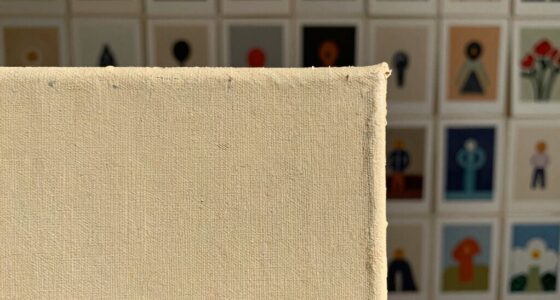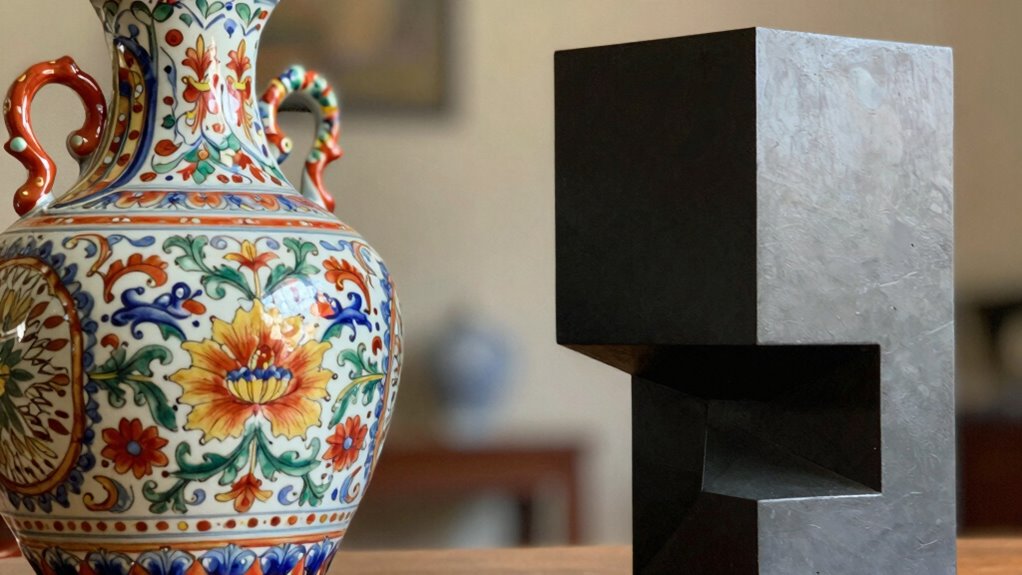

The main difference is that decorative art aims to beautify your space with craftsmanship and functional design, focusing on aesthetic appeal and craftsmanship. In contrast, collectible art centers on rarity, historical significance, and market value, often created for investment or as a unique statement. While decorative pieces may become valuable over time, their primary goal is aesthetic enhancement. If you want to truly understand these distinctions, you’ll find more insights as you explore further.
Key Takeaways
- Decorative art focuses on aesthetic appeal and functional beauty, enhancing spaces through craftsmanship and design.
- Collectible art emphasizes rarity, historical significance, and unique expression, often with market value considerations.
- Decorative art is created primarily for visual harmony and practical use, not necessarily for investment or rarity.
- Collectible art’s value depends on factors like provenance, rarity, and market trends, often aimed at investment.
- Both types offer unique appeal: decorative art enriches environments, while collectible art provides potential for appreciation.
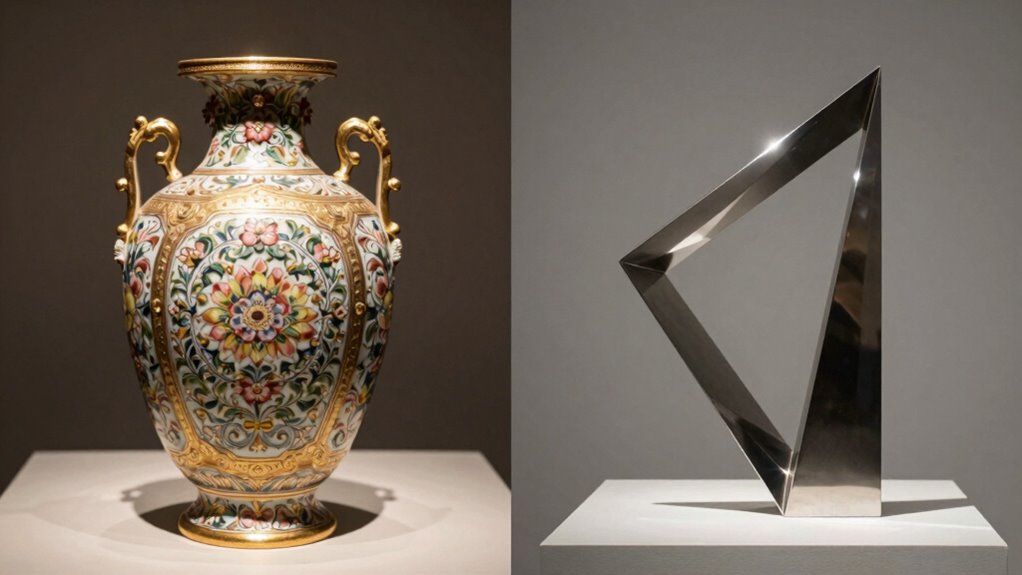
When you consider the world of art, it’s important to understand the difference between decorative art and collectible art, as they serve distinct purposes and appeal to different interests. Decorative art emphasizes aesthetic appeal and functional beauty, often created with a focus on craftsmanship, artistic technique, and visual harmony. These pieces are meant to enhance spaces, providing beauty rather than solely aiming for investment or rarity. They can include items like ornate ceramics, intricate furniture, or decorative textiles—art that’s appreciated for its craftsmanship and design. The artistic technique used in decorative art often highlights skill, attention to detail, and craftsmanship, which contribute to its overall appeal. While some decorative pieces can become highly valued over time, their primary purpose remains to beautify and serve a practical function.
In contrast, collectible art revolves around rarity, historical significance, and unique artistic expression. These works are often created with the intention of being valued for their market significance, making them more than just objects of beauty—they’re investments. The market value of collectible art can fluctuate based on trends, artist reputation, provenance, and rarity. For example, a limited-edition print or an original painting by a renowned artist might command high prices because of its scarcity and cultural importance. The artistic technique in collectible art varies from highly skilled traditional methods to innovative contemporary approaches, but what really elevates its status is its uniqueness and the story behind it. Collectible art often involves a specific artistic technique that can significantly influence the piece’s value and desirability. Additionally, understanding artistic technique and how it influences a piece’s value can deepen your appreciation for both decorative and collectible art. Recognizing market trends is also crucial, as they can influence the desirability and valuation of collectible pieces over time. Moreover, being aware of cultural significance helps in understanding the true worth and importance of collectible art in historical context. Being familiar with art authentication processes can also help ensure the provenance and legitimacy of valuable collectible pieces, safeguarding your investment.
Understanding these differences helps you appreciate the nuances in the art world. Decorative art can be appreciated for its craftsmanship and aesthetic value, enriching your environment. Meanwhile, collectible art offers the thrill of owning a piece with historical or cultural significance that may appreciate in market value over time. As you explore art collections or investments, recognizing whether a piece leans more towards decorative or collectible purposes allows you to make informed decisions aligned with your goals—whether it’s to beautify your surroundings or build a valuable collection. Both types of art have their unique appeal, but knowing their core differences guarantees you’re better equipped to appreciate and evaluate each piece’s true worth.

SIDUCAL Spotted Ceramic Modern Vase, 5.8 Inch Rustic Farmhouse Decorative Boho Terracotta Vase for Home Decor, Table, Living Room, Wedding, Shelf Decor, Mantel, Speckled White
- Material: 100% high-quality ceramic
- Dimensions: 5.79" height, 5.51" width
- Versatile Use: Suitable for fresh, faux, or dried flowers
As an affiliate, we earn on qualifying purchases.
As an affiliate, we earn on qualifying purchases.
Frequently Asked Questions
How Does the Value of Decorative Art Compare to Collectible Art?
You’ll find that collectible art often holds higher monetary value due to its rarity, historical importance, and cultural significance. Decorative art, while valued for its aesthetic appeal and craftsmanship, typically doesn’t appreciate in value as much. You might appreciate decorative pieces for their beauty and design, but collectible art’s worth is more influenced by its provenance and cultural importance, making it a potentially more valuable investment.
Can Decorative Art Become Collectible Over Time?
Yes, decorative art can become collectible over time. As its functional appeal and aesthetic appeal resonate with collectors, its rarity or historical significance can increase its value. You might find that a piece once appreciated mainly for its beauty gains collectible status due to evolving tastes or limited availability. Over time, decorative art can transcend its original purpose, transforming into a sought-after collectible with cultural or artistic importance.
Are There Specific Markets for Decorative Versus Collectible Art?
You’ll find distinct markets for decorative and collectible art, where market trends shift with artistic styles. Imagine browsing through vibrant, everyday decor versus hunting for rare, historic pieces—each appeals to different collectors. Decorative art thrives in interior design and home decor markets, while collectible art dominates auction houses and specialized galleries. You can target these markets based on the style, rarity, and purpose of the artwork, aligning your interests with current trends.
What Are Common Misconceptions About Decorative Art?
A common misconception about decorative art is that it lacks artistic purpose, but it actually balances functional aesthetics with creative design. Many believe decorative pieces are solely for ornamentation, yet they often serve practical roles while showcasing craftsmanship. You might think decorative art isn’t as valuable as collectible art, but its artistic purpose enhances spaces and reflects cultural styles, making it an essential form of artistic expression, not just decoration.
How Do Artists’ Intentions Influence an Artwork’s Classification?
Imagine an artist’s motivation as the GPS guiding their creative road trip—if their goal is to impress collectors, the artwork leans toward collectible art; if it’s to beautify a space, it becomes decorative. Their artistic purpose shapes how we classify the piece, whether as functional decor or a cherished collectible. So, you see, an artist’s intentions are the secret map that determines an artwork’s true category.

SIKOO Vintage Wall Sculptures Gold Flower Wall Art Hand Painted Ornate Wall Hanging Decoration Antique Pediment Wall Statue Ornament Decor Gallery for Kitchen Bedroom Living Room,Gold
- Vintage Antique Pediment Design: Intricate embossed floral hand-painted sculpture
- Dimensions: 9.7 x 7.8 inches
- Easy Hanging: Solid hook for wall mounting
As an affiliate, we earn on qualifying purchases.
As an affiliate, we earn on qualifying purchases.
Conclusion
Think of decorative art as a cozy home’s heartbeat—meant to delight and serve, blending seamlessly into everyday life. Collectible art, on the other hand, is like a rare gemstone—held for its uniqueness, waiting to be treasured and admired. Both shine in their own right, but it’s up to you to decide whether you want to surround yourself with beauty that lives around you or seek out the brilliance that stands the test of time.

Offito Starry Sky Diamond Art Kits for Adults, 5D Aurora Lake Diamond Painting Kits for Beginners, Fantastic Landscapes DIY Full Drill Dots Gem Art Paint for Home Wall Decor 12 x 16 Inch
- Sparkling 5D Starry Sky Design: Colorful, brilliant diamond artwork
- Complete Diamond Painting Kit: Includes canvas, tools, extra diamonds
- High-Quality Waterproof Canvas: Clear, textured, sticky surface for easy completion
As an affiliate, we earn on qualifying purchases.
As an affiliate, we earn on qualifying purchases.

Collectible Investments for the High Net Worth Investor (Quantitative Finance)
As an affiliate, we earn on qualifying purchases.
As an affiliate, we earn on qualifying purchases.