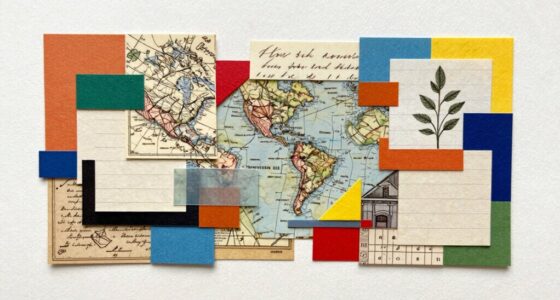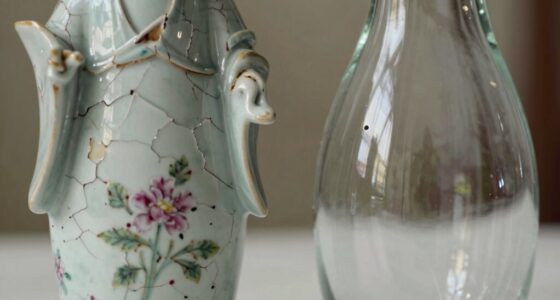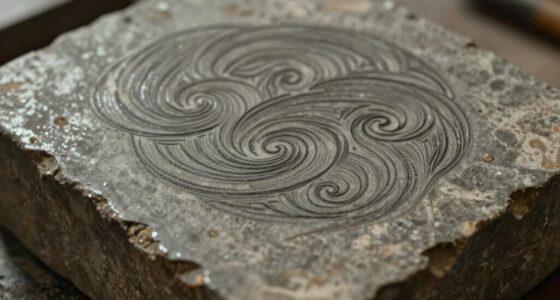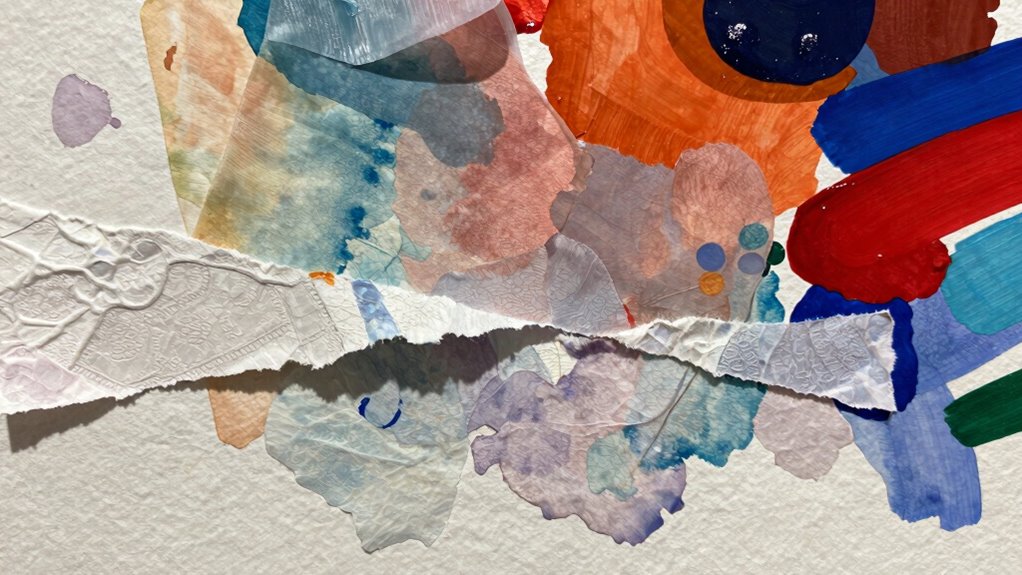

You can build depth and meaning in your artwork by layering different materials, colors, and textures. Artists often use techniques like glazes, washes, or overlapping strokes to create visual complexity and evoke emotion. Layering helps you develop rich, textured images that invite viewers to look closer and interpret hidden stories. By experimenting with various tools and materials, you’ll discover how depth enhances both realism and symbolic expression—if you explore further, you’ll reveal even more artistic potential.
Open a free Amazon Business account
Business pricing, bulk buying and tax-exempt orders.
As an affiliate, we earn on qualifying purchases.
Key Takeaways
- Artists apply multiple translucent layers, like glazes or washes, to create a sense of depth and luminous richness.
- Overlapping strokes and varied textures build complexity, inviting viewers to explore different visual layers.
- Layering materials such as collage or digital overlays add symbolic meaning and narrative depth.
- Controlling transparency and opacity allows artists to emphasize focal points and evoke mood.
- Historical and stylistic choices in layering techniques enhance realism, emotion, and symbolic storytelling.
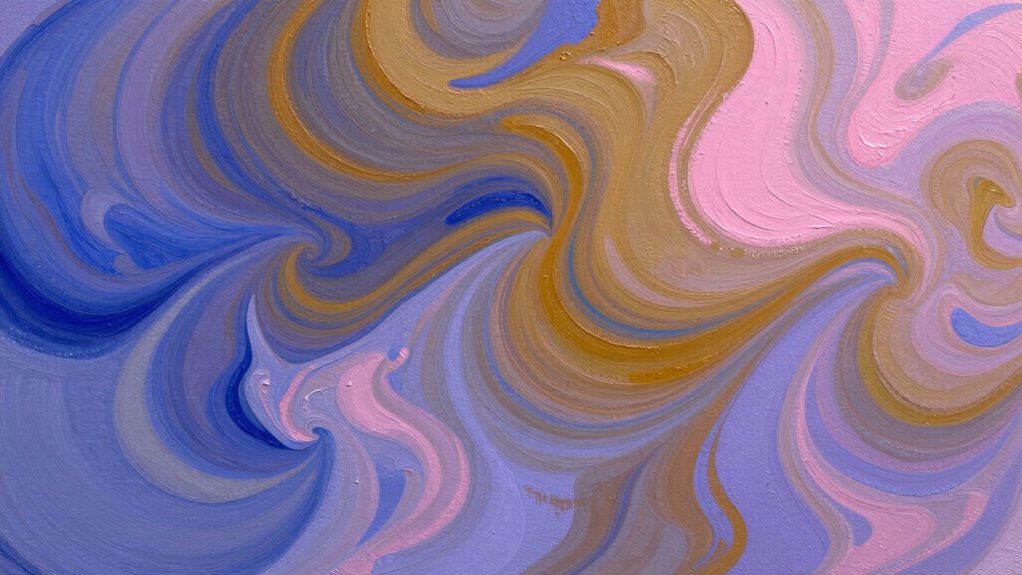
Layering is a fundamental technique that artists use to add depth, dimension, and complexity to their work. When you explore different layering techniques, you begin to understand how artists build rich, textured images that invite viewers to look closer. Techniques exploration involves experimenting with various mediums, tools, and methods—such as glazes, washes, or overlapping strokes—to achieve desired effects. This process isn’t static; it evolves over time, reflecting the artist’s growth and changing styles. The historical evolution of layering reveals how artists from different eras and cultures have harnessed this technique to communicate ideas, evoke emotions, and create illusions of space. From the frescoes of ancient Egypt to the oil paintings of the Renaissance, layering has served as a means to develop visual narratives, add realism, or imbue works with symbolic meaning.
As you explore the techniques exploration of layering, you’ll notice how different materials influence the final result. For example, in traditional oil painting, artists apply thin glazes of translucent color over dried layers, allowing light to penetrate and bounce back, creating a luminous effect. In contrast, contemporary mixed media artists may combine collage elements, acrylics, and digital overlays to build complex textures and multi-dimensional surfaces. Recognizing this diversity helps you appreciate the historical evolution of layering and how artists have adapted techniques to suit their artistic goals and technological advancements. You learn that layering isn’t just about stacking paint or materials; it’s about controlling transparency, opacity, and the physical relationship between layers, which ultimately shapes the mood and message of the artwork. Understanding these artistic techniques can inspire you to experiment with your own projects and develop your skills further. Exploring the historical evolution of layering also provides insight into how artists have used this technique to challenge traditional perceptions of reality. For instance, Impressionists applied seemingly loose strokes in layers to capture fleeting moments and the effects of light, emphasizing perception and atmosphere as key elements. Later, Abstract Expressionists used thick, gestural layers to convey emotion and movement. By exploring these historical shifts, you see how layering becomes a tool for innovation—an evolving language for expressing complex ideas. As you practice and experiment with different techniques, you develop a deeper understanding of this essential artistic process. Whether you’re creating a subtle, nuanced portrait or a bold, textured abstract, mastering the art of layering allows you to craft work with depth, meaning, and visual intrigue.
As an affiliate, we earn on qualifying purchases.
Frequently Asked Questions
How Do Artists Choose Which Layers to Emphasize?
You choose which layers to emphasize by considering your focal point and the visual hierarchy you want to create. You highlight key elements with brighter colors, sharper details, or bold contrasts, guiding viewers’ eyes naturally. Less important layers are subdued or blurred. This intentional emphasis helps communicate your message clearly, drawing attention to what matters most, and giving your artwork depth and meaning through strategic layering choices.
What Tools Are Best for Creating Layered Effects?
You should use tools like brushes, palette knives, and sponges to create layered effects. These tools help you achieve texture variation and smooth or rough surface qualities. For color blending, blendable mediums like glazing liquids or soft brushes work best, allowing seamless progressions between hues. Experimenting with different tools and techniques helps you build depth and richness in your artwork, making each layer more dynamic and engaging.
How Does Layering Influence an Artwork’s Emotional Impact?
Layering profoundly boosts an artwork’s emotional resonance, drawing viewers into its depths. You might think it complicates the message, but it actually enhances engagement by adding texture, mystery, and subtle nuances. When you use layers thoughtfully, you create a rich visual story that invites viewers to explore multiple interpretations. This dynamic depth in your work fosters stronger emotional connections, making your art more compelling and memorable.
Can Layering Techniques Be Used in Digital Art?
Yes, layering techniques are widely used in digital art. You can apply color blending to create seamless progressions and depth, while texture stacking adds tactile richness. By building up multiple layers, you enhance details and complexity, making your artwork more engaging. Digital tools let you experiment easily with these techniques, allowing for dynamic adjustments and unique effects that mimic traditional layering but with greater flexibility and precision.
How Do Different Mediums Affect Layering Strategies?
You’ll find that different mediums hilariously dictate your layering game. In oil painting, texture variation is your best friend, adding richness and depth, while color transparency allows subtle glazes to shine through. Watercolors demand delicate, transparent layers, making every stroke count. Digital art? It’s like a layered cake—easy to adjust, but beware of losing that tactile feel. Each medium’s quirks shape your strategy, so adapt or drown in your own layers!
As an affiliate, we earn on qualifying purchases.
Conclusion
Remember, Rome wasn’t built in a day, and neither is a masterpiece. By mastering the art of layering, you add depth and richness to your work that invites viewers to explore every detail. Each layer builds upon the last, creating meaning and emotion that resonate long after the first glance. Keep experimenting and refining your technique—your art’s true depth lies in the layers you choose to reveal.
As an affiliate, we earn on qualifying purchases.
As an affiliate, we earn on qualifying purchases.
Fall Picks
fall essentials
As an affiliate, we earn on qualifying purchases.