
Most homes struggle to keep humidity levels within the ideal 40-55% range that’s safest for art preservation. Too dry, and paintings and sculptures can crack or become brittle; too humid, and mold or warping may occur. Fluctuations happen due to seasonal shifts or inadequate climate control. Monitoring with hygrometers and using humidifiers or dehumidifiers can help stabilize your environment. If you want to protect your collection, you’ll find useful tips as you continue.
Key Takeaways
- The ideal humidity range for art preservation is between 40% and 55%, but most homes often fall outside this safe zone.
- Fluctuations in home humidity levels can cause art materials to crack, warp, or develop mold.
- Many residential environments are too humid or too dry, exposing artworks to increased deterioration risks.
- Proper humidity monitoring and control systems help maintain a stable environment within the safe range.
- Seasonal changes often cause humidity levels to drift, requiring adjustments to protect art collections effectively.
Understanding the Ideal Humidity Range for Art Preservation
Maintaining the right humidity levels is essential for preserving art pieces and preventing damage. Historically, humidity trends have fluctuated due to climate changes and building practices, affecting artworks differently over centuries. To protect your collection, understanding the ideal humidity range is vital. Most artworks are sensitive to moisture, with artistic material sensitivity varying based on medium—paintings, textiles, or sculptures each react differently. Generally, keeping relative humidity between 40% and 55% helps maintain stability and prevents issues like cracking, warping, or mold growth. Extremes outside this range can accelerate deterioration. By monitoring and controlling humidity, you’re ensuring that your art remains in prime condition, honoring its craftsmanship and historical significance for years to come. Additionally, air quality fluctuations can influence humidity levels, further emphasizing the need for proper environmental controls. Proper humidity levels also help prevent material degradation, which can be caused by persistent exposure to inappropriate moisture levels, and maintaining stable environments reduces the risk of damage from fluctuations, safeguarding your collection’s longevity. Recognizing the impact of climate-controlled environments is crucial for long-term preservation strategies. Regularly assessing your environment with modern humidity sensors can further enhance your preservation efforts.
The Impact of Excessive Moisture on Artwork
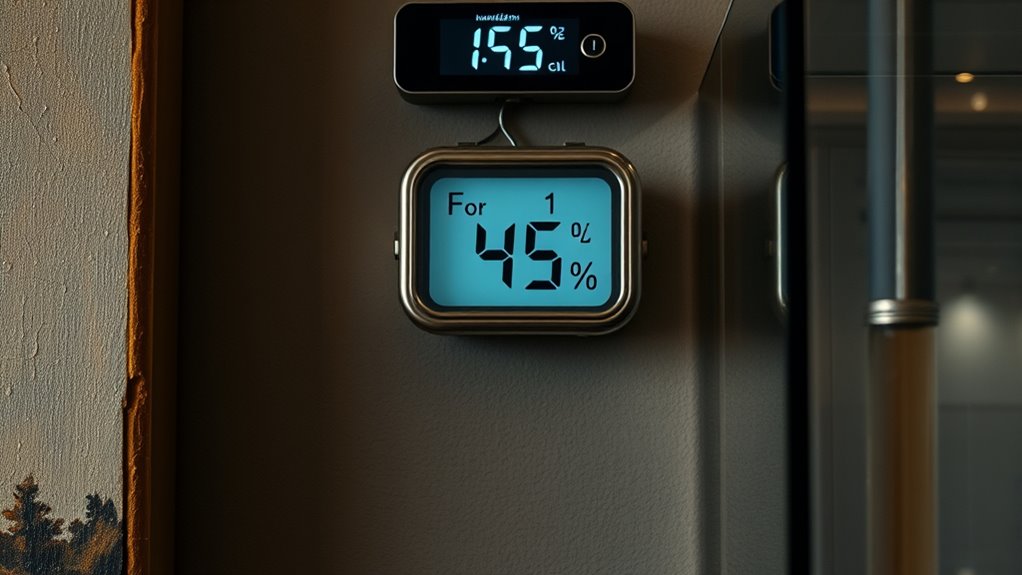
Excessive moisture can cause mold to develop on your artwork, leading to serious health and preservation issues. It also weakens and damages materials like paper, canvas, and wood, accelerating deterioration. Staying alert to humidity levels helps prevent these risks and keeps your art safe. Monitoring humidity levels regularly can significantly reduce the chance of damage caused by excess moisture. Maintaining proper artwork environment conditions is essential for long-term preservation and avoiding irreversible damage. Additionally, understanding the safe humidity range can help you create an optimal environment for your art collection. Being aware of wave and wind conditions can also influence how you manage outdoor exposure and storage environments to protect your artwork from sudden environmental changes. Proper climate control techniques are vital for preserving delicate materials and preventing fluctuations that could harm your collection.
Mold Growth Risks
When moisture levels rise too high, mold can quickly take hold on your artwork, causing irreversible damage. Mold thrives in humid environments, especially on porous surfaces like canvas and paper. If unchecked, it can lead to staining, surface deterioration, and structural compromise, making art restoration difficult and costly. To prevent this, use humidity sensors to monitor indoor conditions regularly. Maintaining proper humidity levels minimizes mold growth risk and helps preserve your artwork’s integrity. Proper ventilation and dehumidification are essential, especially in areas prone to high humidity. Addressing excess moisture promptly not only protects your art but also reduces the need for extensive restoration efforts later. Staying vigilant about humidity control is your best defense against mold, ensuring your collection remains safe and preserved for future generations. Understanding humidity levels is crucial for effective preservation practices and preventing mold-related damage. Additionally, integrating smart humidity control devices can automate monitoring and adjustment, providing constant protection for your valuable pieces. Regular inspections and prompt response to humidity fluctuations are key components of an effective preservation strategy, especially when combined with air quality considerations to maintain optimal conditions. Being aware of humidity fluctuations can help you act swiftly before mold begins to develop, and implementing consistent environmental monitoring is essential for ongoing preservation success.
Damage to Materials
High moisture levels don’t just encourage mold—they can also cause immediate and visible damage to your artwork’s materials. Excess humidity leads to wood expansion, which can warp frames, panels, or wooden parts of sculptures. This expansion stresses the materials, risking cracks and structural instability. Paintings, especially those with oil or acrylic paints, are vulnerable to cracking as the paint layer shrinks or expands unevenly with fluctuating moisture. Over time, this can result in peeling or flaking, permanently damaging the artwork’s surface. Additionally, high humidity accelerates deterioration by weakening adhesives and causing materials to swell or deform. To preserve your art, maintaining a stable environment within the safe humidity range is essential, preventing these costly and irreversible forms of material damage. Proper climate control helps prevent moisture damage and is crucial for safeguarding your artwork’s materials from moisture-related harm. Understanding material sensitivities can further aid in choosing appropriate preservation methods. For example, incorporating climate control systems can provide consistent humidity levels and protect delicate materials from fluctuations. Installing ceiling fans with energy-efficient technology can also help regulate indoor humidity levels more effectively.
How Low Humidity Damages Paintings and Sculptures
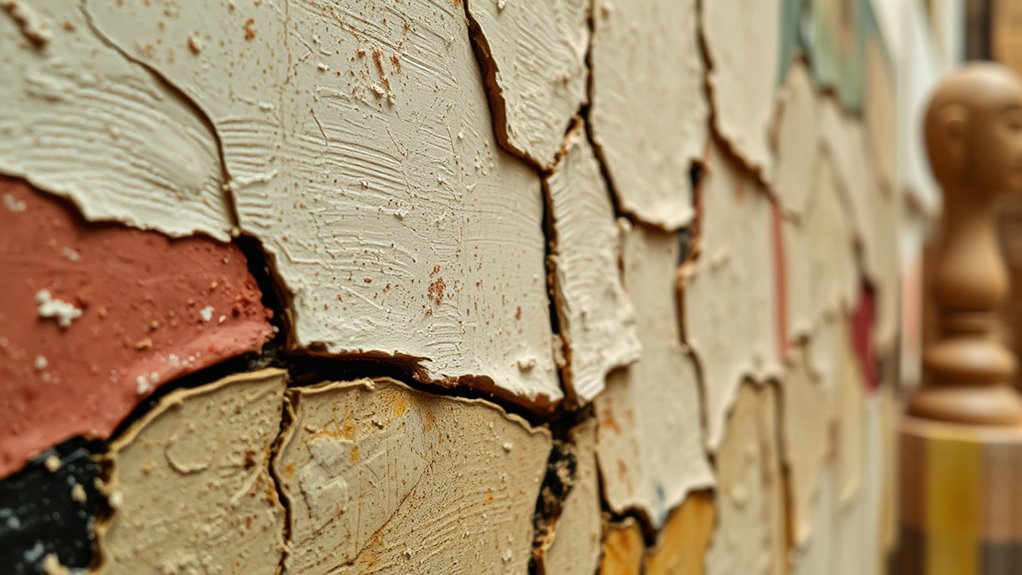
Low humidity levels can cause significant damage to paintings and sculptures by causing materials to contract and become brittle. When the air is too dry, paint layers may crack or flake off, and wood sculptures can shrink, leading to warping or splitting. Over time, this deterioration makes artworks harder to restore, requiring expert art restoration efforts. Using humidity sensors helps monitor moisture levels and prevent these issues before they escalate. Without proper control, delicate surfaces lose their structural integrity, and colors fade or peel. Maintaining consistent humidity is essential to preserving the integrity of your art collection. Recognizing these vulnerabilities highlights the importance of stable environmental conditions to protect your valuable paintings and sculptures from irreversible damage. Additionally, Vetted electric bike conversion kits demonstrate how proper environmental management can extend the lifespan of electronic components and materials. Proper humidity levels also play a crucial role in preventing biological growth, which can further deteriorate artworks. Ensuring proper humidity levels supports the preservation of cultural heritage, which is vital for maintaining historical and artistic significance over time. Maintaining appropriate humidity can also help mitigate material degradation and safeguard your collection for future generations. Proper environmental controls, including humidity regulation, are essential to prevent microbial infestations that may otherwise compromise the integrity of sensitive art pieces.
Common Causes of Humidity Fluctuations in Homes
Understanding what causes humidity levels to fluctuate in your home is key to maintaining a stable environment for your artwork. Common culprits include HVAC systems, which can dry out or add moisture depending on their settings, and building insulation, which affects how well your home maintains temperature and humidity. Poor insulation may trap moisture or allow drafts that alter humidity levels. Additionally, activities like cooking, showering, and drying clothes indoors release moisture into the air, causing fluctuations. The table below highlights these causes:
| Cause | Effect on Humidity | Solution |
|---|---|---|
| HVAC systems | Can dry or add moisture | Regular maintenance, correct settings |
| Building insulation | Traps or allows moisture entry | Improve insulation quality |
| Indoor activities | Increase humidity temporarily | Use exhaust fans, ventilate |
Being aware of indoor moisture sources can further help you control humidity to protect your art. Proper filtering and pump protection in your HVAC system can also help maintain consistent humidity levels, reducing fluctuations that could harm delicate artworks. Additionally, understanding the effects of insulation quality on moisture regulation can guide necessary improvements in your home environment.
Detecting and Monitoring Indoor Humidity Levels
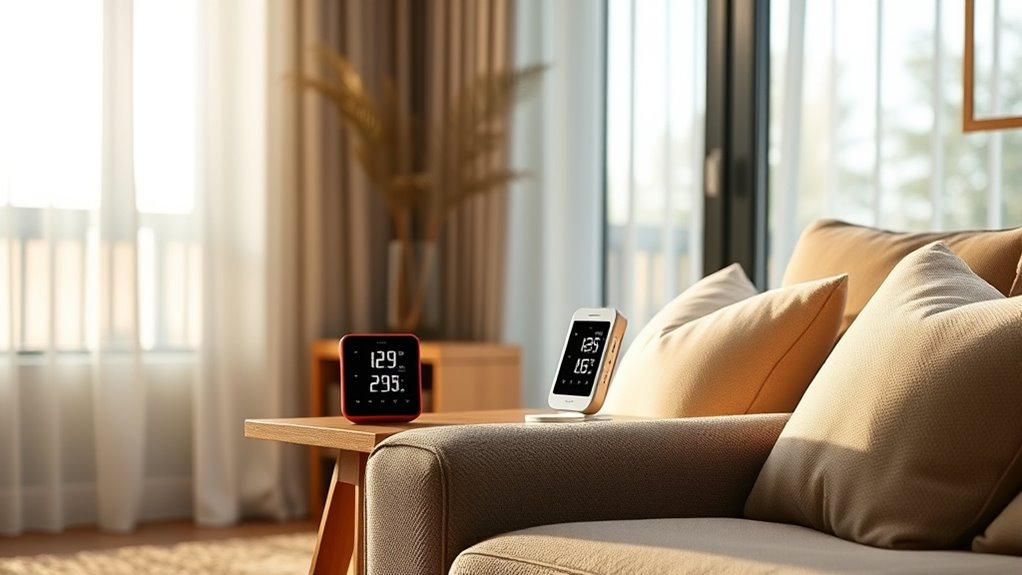
Monitoring indoor humidity levels is essential for protecting your artwork, and the first step is choosing the right tools. A digital hygrometer provides accurate, real-time readings of humidity and temperature, helping you keep track of changes. These devices are easy to set up and read, allowing you to monitor fluctuations daily. Smart sensors take it a step further by connecting to your phone or home system, offering continuous data and alerts when levels drift outside your desired range. With these tools, you can quickly identify when humidity is too high or low, preventing damage before it happens. Regular monitoring empowers you to make informed adjustments, ensuring your art stays safe and preserved in the ideal humidity range.
Practical Strategies to Maintain Consistent Humidity
Maintaining consistent humidity levels requires deliberate strategies to create a stable environment for your artwork. Climate control is essential; use a reliable humidifier or dehumidifier to adjust moisture levels as needed. Keep your home at a steady temperature, since fluctuations can impact humidity. Good air circulation helps prevent mold and stale air, so ensure vents are unobstructed and consider using fans strategically. Avoid sudden temperature changes by closing curtains or blinds during hot days and keeping windows sealed during cold seasons. Regularly monitor humidity levels with a hygrometer to catch fluctuations early. By managing climate control and enhancing air circulation, you create a consistent environment that protects your art from damage caused by humidity swings.
The Role of Humidifiers and Dehumidifiers in Art Care
Humidifiers and dehumidifiers play a direct role in preserving your artwork by controlling indoor moisture levels. Proper humidifier placement ensures even distribution without causing condensation or mold. A well-maintained dehumidifier prevents excess moisture that can damage delicate surfaces. To maximize their effectiveness, keep these points in mind:
- Place humidifiers away from direct sunlight and heat sources
- Regularly clean and check dehumidifier filters and coils
- Avoid placing units near artwork to prevent uneven moisture exposure
- Schedule routine dehumidifier maintenance to ensure peak performance
Seasonal Changes and Their Effect on Indoor Climate

As seasons change, indoor climates can shift rapidly, impacting the delicate balance needed to preserve artwork. Seasonal humidity fluctuations affect your indoor climate, causing materials to expand or contract. During winter, dry air lowers humidity, risking cracking. In summer, increased moisture raises humidity levels, risking mold. To keep your art safe, monitor seasonal humidity trends and adjust your climate control accordingly. Here’s a quick overview:
| Season | Typical Humidity Effect | Recommended Action |
|---|---|---|
| Winter | Dry air, low humidity | Use humidifiers |
| Summer | Humid air, high humidity | Use dehumidifiers |
| Spring | Fluctuating humidity | Regular monitoring |
| Fall | Decreasing humidity | Maintain consistent levels |
| Year-round | Variations occur | Use humidity control devices |
Mistakes That Lead to Dangerous Humidity Swings
Many common mistakes in managing indoor climate can cause dangerous humidity swings that threaten your artwork’s safety. One major error is relying solely on outdated or inaccurate humidity sensors, which provide false readings and lead to improper adjustments. Another mistake is neglecting to monitor humidity levels consistently, allowing fluctuations to go unnoticed. Improper art framing, such as using materials that trap moisture or don’t breathe, can also contribute to humidity issues within the artwork. Additionally, overusing humidifiers or dehumidifiers without proper control can cause rapid swings. To avoid these pitfalls, always use reliable humidity sensors, regularly check your environment, choose appropriate framing materials, and maintain steady humidity levels. These steps help prevent damaging fluctuations that can harm your collection.
Tips for Creating a Stable Environment for Your Collection
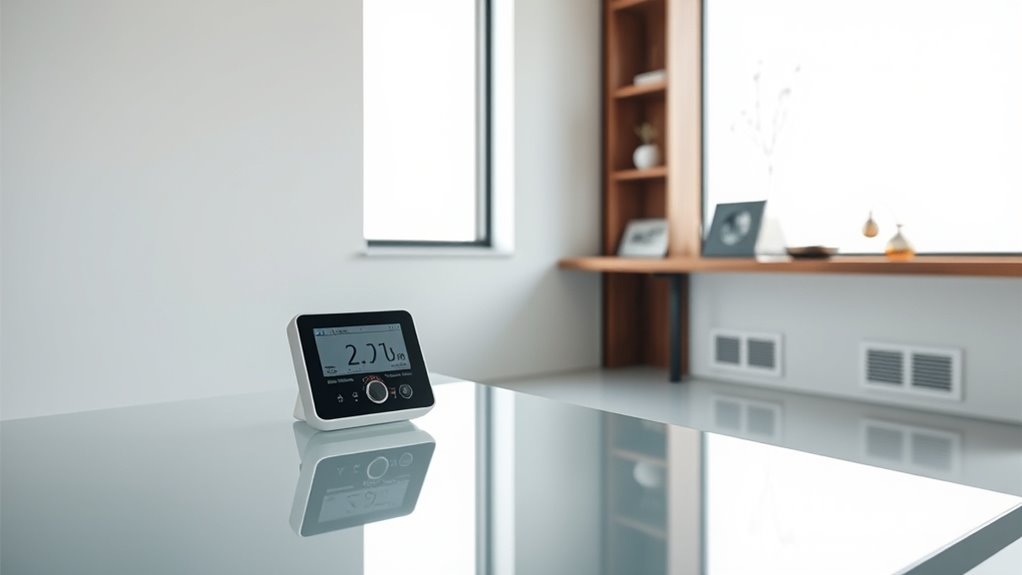
Creating a stable environment for your collection requires proactive measures to maintain consistent humidity levels. Start by investing in a reliable hygrometer to monitor humidity regularly. Use a humidifier or dehumidifier as needed to keep the environment within the ideal range of 40-60%. Guarantee your space has good air circulation and avoid placing artworks near heat sources, vents, or windows that cause fluctuations. Seal any drafts or leaks that could disrupt climate stability. Maintain consistent temperature as it influences humidity control. Keep your collection away from direct sunlight, which can cause rapid changes in humidity. Regularly check and calibrate your climate control devices to prevent unexpected swings. By prioritizing humidity control and climate stability, you substantially reduce the risk of damage to your art.
Frequently Asked Questions
How Do I Know if My Home’s Humidity Is Safe for Art?
You can tell if your home’s humidity is safe for art by monitoring humidity control with a hygrometer. Aim for a humidity level between 40-50% for ideal art preservation. If it’s too high or low, use a dehumidifier or humidifier to adjust. Regularly checking ensures your art stays safe from damage caused by fluctuating moisture levels, helping you preserve your pieces properly over time.
Can Humidity Fluctuations Cause Mold on Artwork?
Yes, humidity fluctuations can cause mold on your artwork. When humidity levels change suddenly, it creates condensation and damp spots, especially if you store your art improperly. To prevent mold, you need proper art storage and consistent humidity control. Keep humidity steady, ideally between 40-50%, and avoid extreme swings. Using a dehumidifier or humidifier helps maintain stable conditions, protecting your art from mold growth caused by humidity fluctuations.
What Are the Signs of Humidity Damage on Paintings?
A picture is worth a thousand words, but humidity damage can make your artwork’s story hard to read. You might notice cracking paint, warping canvas, or bubbling varnish—clear signs humidity control is needed for artwork preservation. Keep an eye out for mold or discoloration too. Address these issues promptly to protect your art, because proper humidity levels are key to maintaining its beauty and value over time.
How Often Should I Check Indoor Humidity Levels?
You should check your indoor humidity levels weekly to maintain art safety. Use DIY humidifiers and install air quality sensors to monitor fluctuations accurately. This regular check helps you prevent damage caused by too high or too low humidity. Adjust your humidifiers accordingly, ensuring your environment stays within the safe range for your artwork, and keep sensors calibrated for precise readings. Consistent monitoring protects your art collection effectively.
Are There Specific Humidity Levels for Different Types of Art?
Think of your art like a delicate flower that needs just the right climate. For most artworks, maintain humidity control between 40-50% to guarantee safe preservation. However, certain pieces like paintings, textiles, or wooden artifacts may require slightly different levels. You should tailor humidity levels to each type, always aiming for a stable environment. Proper humidity control is essential for art preservation, preventing damage from fluctuations and keeping your collection vibrant for years.
Conclusion
If you ignore humidity, you’re basically inviting chaos into your art collection—think mold monsters and cracking catastrophes taking over your treasured pieces! But by keeping humidity just right, you can turn your home into a fortress of art preservation, preventing disasters that could wipe out years of craftsmanship in a blink. So don’t let your favorite art become a victim of climate chaos—take control, and keep it safe and stunning for generations to come!