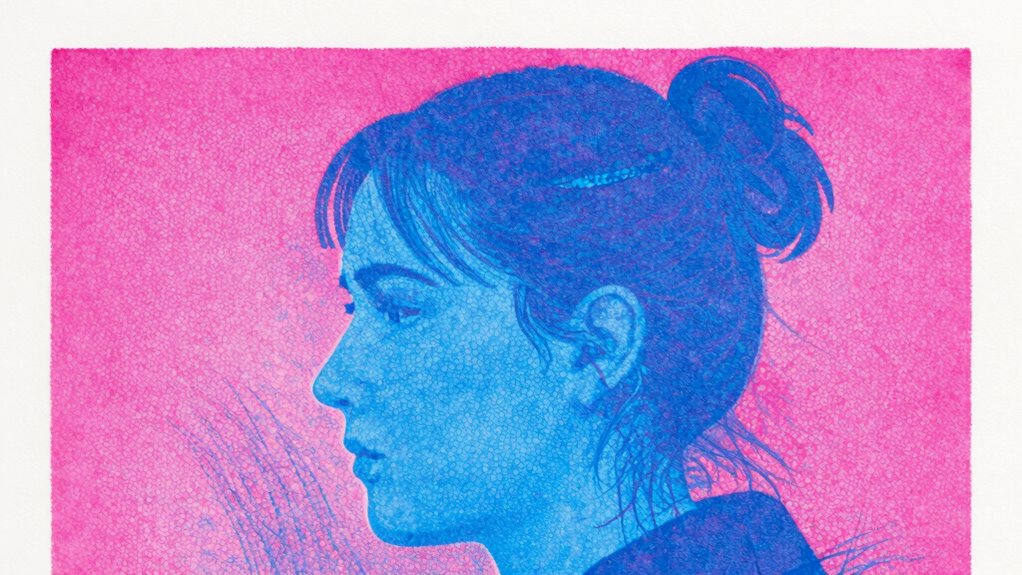
Risograph printing intentionally embraces imperfections by using stencil-based technology that creates slight ink inconsistencies, uneven coverage, and layered textures. These quirks add character, vibrancy, and a handcrafted feel to your prints, emphasizing spontaneity and uniqueness. Variations in ink flow and paper texture make each piece one-of-a-kind, celebrating artistry over perfection. If you’d like to discover how these imperfections can enhance your projects and what makes Risograph special, there’s more to explore below.

Prime made for students and young adults
- Fast, free delivery for dorm and study essentials
- Prime Video and Amazon Music included
- Member-only deals
Key Takeaways
- Variations in ink flow and stencil application create intentional irregularities, giving each print a unique, handcrafted appearance.
- Layering multiple ink colors produces unpredictable overlaps and textures, emphasizing artistic spontaneity.
- The use of textured or thick paper enhances natural imperfections and tactile depth.
- Mechanical inconsistencies during printing add subtle flaws, celebrated as part of the craft’s charm.
- Embracing imperfections highlights authenticity, individuality, and the organic character valued in risograph art.
As an affiliate, we earn on qualifying purchases.
How Does Risograph Printing Work?
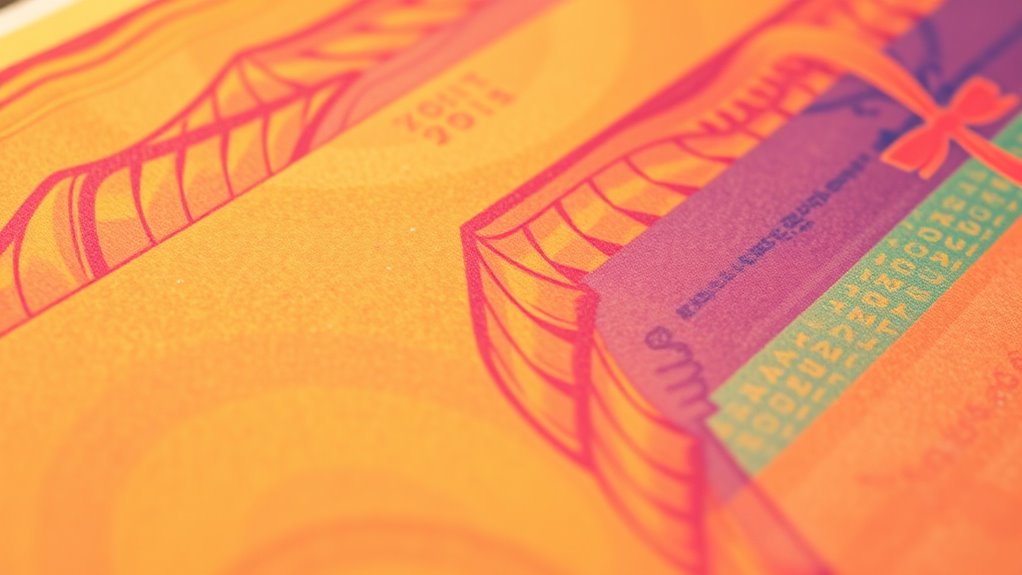
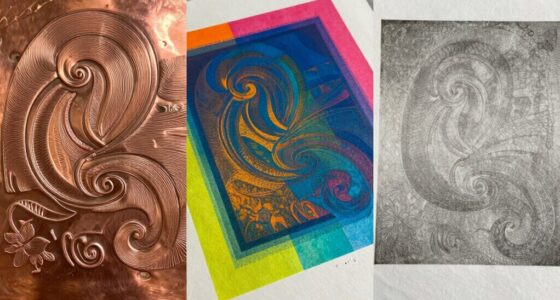
Risograph printing works by combining digital technology with traditional screen printing methods. You start with a digital file, which is separated into different color layers. Each layer corresponds to a specific ink color, and the machine prints each color separately, building up the final image through color layering. As you feed paper into the risograph, its unique printing process emphasizes the paper texture, often revealing subtle imperfections and variations. This textured quality is a hallmark of risograph prints, adding depth and character. Unlike digital printing, risograph pushes ink through a stencil onto paper, creating a vibrant, layered effect. The process’s simplicity and reliance on paper texture give each print a distinctive, handcrafted appearance, making it a popular choice for artists and designers seeking a unique aesthetic. Additionally, the print quality is influenced by the type of paper used and the calibration of the machine, which can further enhance or diminish the characteristic imperfections. The texture of the paper interacts with the ink application, contributing to the ‘imperfect’ look that is often intentionally embraced in risograph prints. Variations in ink coverage can also affect the final appearance, making each print unique. Understanding the printing process helps in appreciating how these unique visual qualities are achieved and maintained. Furthermore, the inherent imperfections can be viewed as part of the organic charm that distinguishes risograph prints from digital counterparts.
As an affiliate, we earn on qualifying purchases.
Why Does Risograph Have That Quirky, ‘Imperfect’ Look?
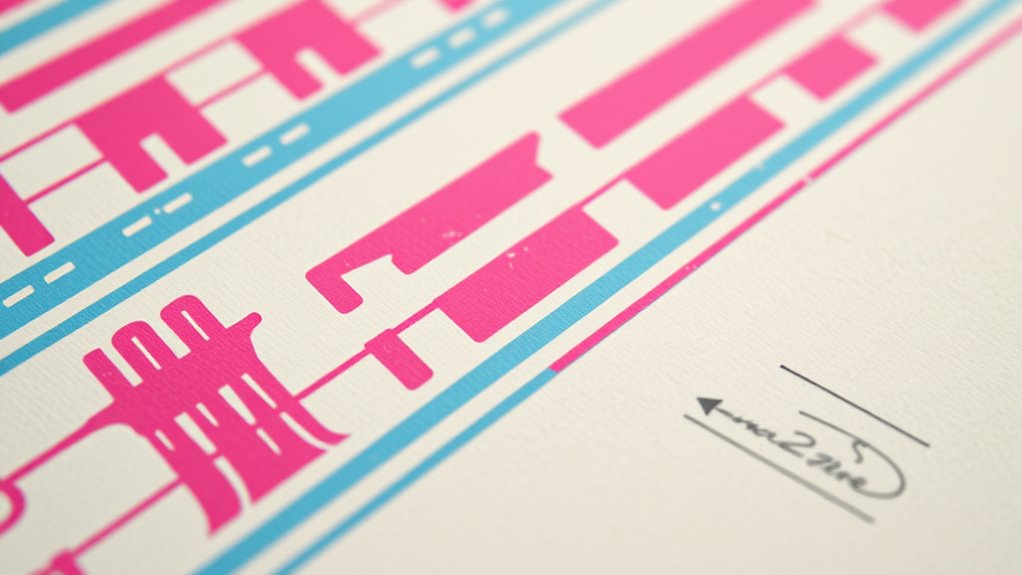
The Risograph’s quirky, ‘imperfect’ look comes from its unique ink distribution and the way it prints. Variations in ink flow create intentional inconsistencies that give each print character. These characteristics are similar to the natural variations seen in Free Floating elements, adding a sense of authenticity and charm to the artwork. Additionally, the Risograph’s printing process involves layered ink application, which contributes further to its distinctive, textured appearance. The process’s mechanical variability ensures that no two prints are exactly alike, enhancing their unique appeal. This variability is often celebrated in art communities for its ability to produce organic visual effects that enhance creative expression. Moreover, the tactile quality of Risograph prints makes them particularly valued in the realm of artistic printing techniques, emphasizing their handcrafted aesthetic.
Unique Ink Distribution
Because the ink distribution process in risograph printing isn’t perfectly uniform, you’ll notice a distinctive, quirky look on your prints. This uneven ink spread creates subtle variations in color layering, giving each piece a lively, textured feel. The ink saturation levels also fluctuate, resulting in areas of more intense or lighter color, which adds to the print’s charm. These irregularities are intentional, highlighting the manual nature of risograph printing. Additionally, the process’s reliance on specialized printing techniques contributes to its characteristic appearance, emphasizing craftsmanship over precision. Unlike digital printing’s precise consistency, risograph’s unique ink distribution produces a raw, organic aesthetic that many artists and designers seek. This imperfection isn’t a flaw but a feature that lends your prints character, depth, and a sense of authenticity. It’s this very quality that makes risograph work stand out and feel alive.
Intentional Printing Variance
The quirky, ‘imperfect’ look of risograph prints results from deliberate design choices and technical features that embrace variability. One key factor is intentional printing variance, which creates subtle differences between each print, adding character and charm. This variability affects color consistency, making each piece unique rather than perfectly uniform.
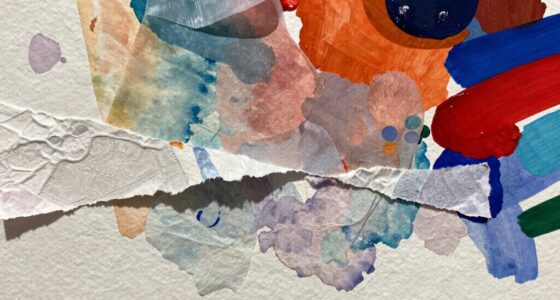
Your choice of paper plays an essential role too; thicker or textured papers can exaggerate the quirks, enhancing the handcrafted feel. By understanding how paper selection influences the outcome, you can intentionally embrace or minimize these variations.
The result is a distinctive aesthetic that celebrates imperfection, giving your prints an authentic, lively personality. This approach turns what might seem like flaws into an integral part of the art, making each print special.
As an affiliate, we earn on qualifying purchases.
Why Do Artists Embrace Risograph’s Imperfections?
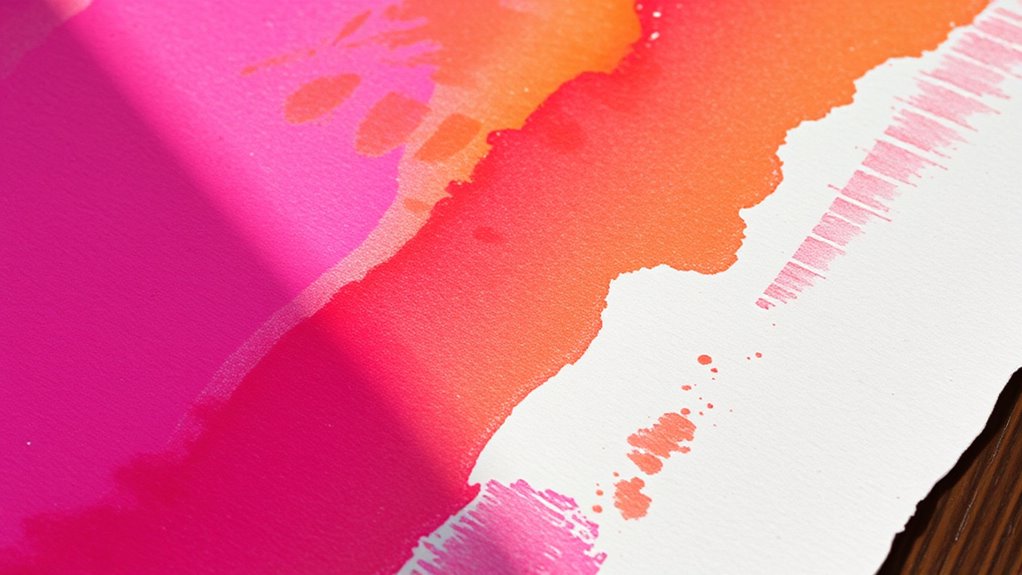
Artists are increasingly drawn to Risograph printing because its imperfections add a unique character that digital methods often lack. These quirks create dynamic color blending, where overlapping inks produce vibrant, unpredictable hues that add depth and richness to each piece.
The process also highlights paper textures, making the surface an integral part of the artwork. This tactile quality enhances the organic feel, giving every print a sense of authenticity and individuality.
Instead of aiming for perfection, artists embrace these flaws as part of the creative process, allowing the imperfections to convey emotion and spontaneity. Risograph’s unpredictability encourages experimentation, fostering a distinctive visual style that celebrates imperfection as an asset rather than a flaw.
As an affiliate, we earn on qualifying purchases.
What Technical Factors Make Risograph Prints Unique?

Several technical factors contribute to the distinctiveness of Risograph prints. One key factor is color bleeding, which occurs because the ink isn’t fully absorbed by the paper, creating subtle overlaps between colors. This adds a layer of unpredictability and charm to each print. Additionally, paper texture plays a significant role; the Risograph’s ink interacts uniquely with different surfaces, emphasizing the grain and fibers of textured paper. The process’s reliance on stencil-based printing also means ink coverage can vary slightly, adding to the imperfect aesthetic. Moreover, the interaction between the ink and paper can be influenced by the material compatibility, which is a crucial aspect of creating the desired organic and tactile feel. This variability in ink flow further enhances the unique character of each print. Understanding the printing process helps explain why these irregularities occur and how they contribute to the artistic value of Risograph work. These factors combine to produce prints that feel organic and tactile, setting Risograph apart from more precise, digital methods. The inherent printing irregularities contribute to the unique character of each piece, celebrating imperfection as part of the artistic expression. In fact, the technological limitations of Risograph printing inherently foster a distinctive aesthetic. Instead of aiming for perfection, these technical nuances give each piece its own character and visual interest.
Why Choose Risograph for Your Projects?
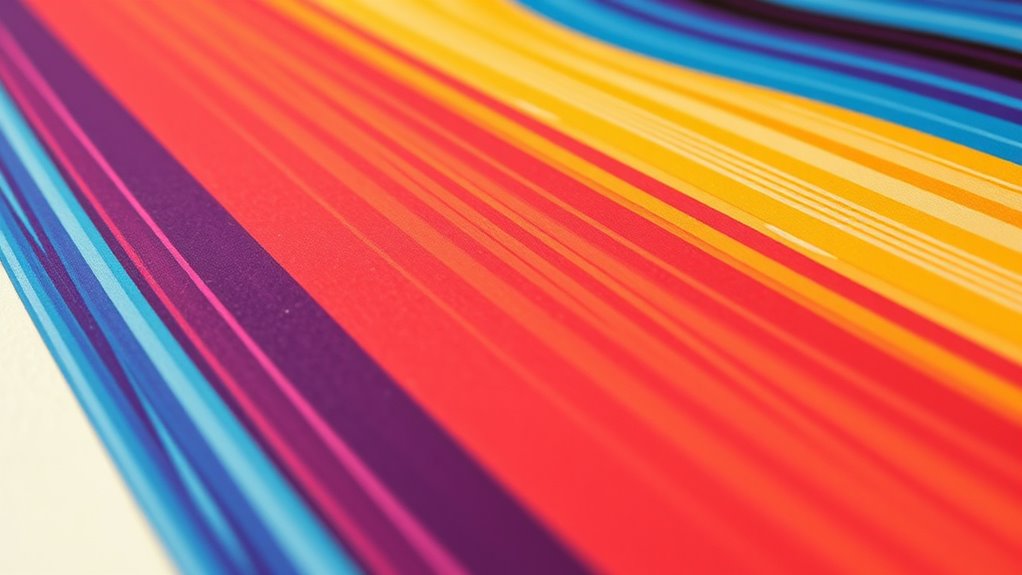
Choosing Risograph for your projects offers a unique blend of affordability, speed, and vibrant results that other printing methods can’t match. It’s ideal when you want bold colors with a distinctive look, thanks to its color consistency and layering capabilities. Additionally, Risograph allows you to select from a wide range of paper types, giving you creative control over texture and weight. This flexibility makes it perfect for zines, posters, and limited runs. When considering your print quality, understanding the impact of paper choice can help ensure your finished piece meets your expectations. For example, selecting the appropriate printing technique can significantly influence the final appearance and longevity of your print. Keep in mind, your paper choice directly influences the final quality and vibrancy of your print. Different paper textures can also add a tactile dimension that complements the visual design and enhances the overall vintage aesthetic of your project. The table below shows how different papers impact your project:
| Paper Type | Color Brightness | Texture |
|---|---|---|
| Uncoated Stock | High | Smooth |
| Recycled Paper | Moderate | Textured |
| Glossy Finish | Very Bright | Slick |
| Heavyweight | Rich Feel | Durable |
How Do Creatives Use Risograph’s Traits to Their Advantage?
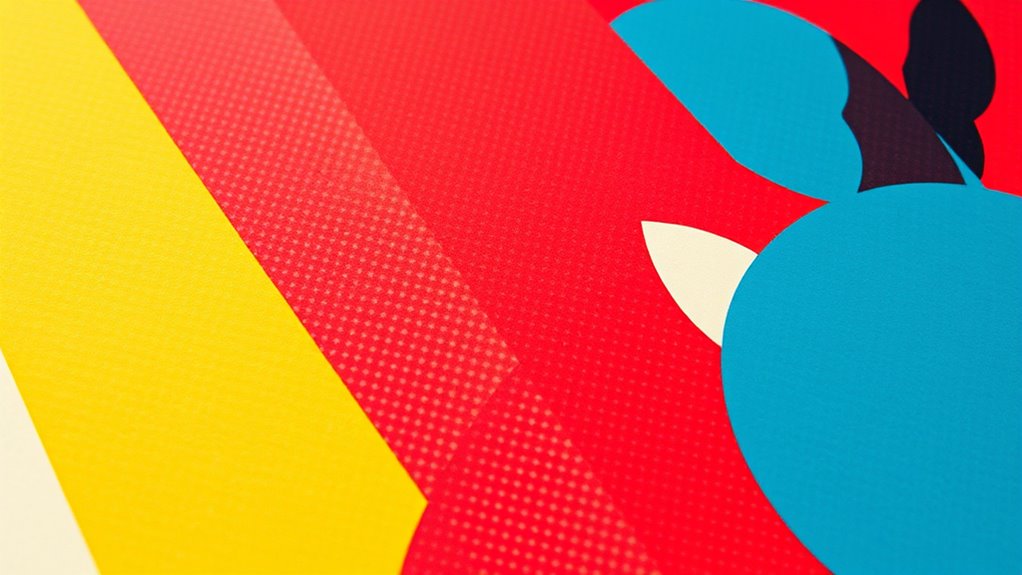
Creatives harness Risograph’s bold colors and layering capabilities to make their projects stand out. By skillfully overlapping inks, they achieve unique color layering effects that add depth and vibrancy to their work. This technique allows for creative experimentation, as combining different colors creates unexpected shades and visual interest. Furthermore, Risograph’s color layering techniques enable artists to explore a wide spectrum of hues and nuances that are difficult to reproduce with digital printing. Additionally, Risograph’s inherent texture enhances the tactile quality of prints, giving each piece a handmade feel that can’t be replicated digitally. The texture and imperfections inherent in Risograph printing further contribute to its distinctive aesthetic, allowing artists to embrace the beauty of unpredictability. These print characteristics also make each piece uniquely expressive, emphasizing the artisanal aspect of Risograph work. Artists and designers use these traits to emphasize certain elements or create a sense of movement and dynamism. They embrace the imperfections and variations, knowing that these qualities contribute to a distinct aesthetic. Embracing artisanal craftsmanship allows creatives to celebrate the unique qualities that Risograph offers. Moreover, the artistic versatility of Risograph supports a wide range of creative styles and approaches, making it a favored tool among artists. Ultimately, Risograph’s traits empower creatives to produce visually striking, textured prints that communicate authenticity and artistic flair.
What’s Next for Risograph Printing and Its Cultural Role?
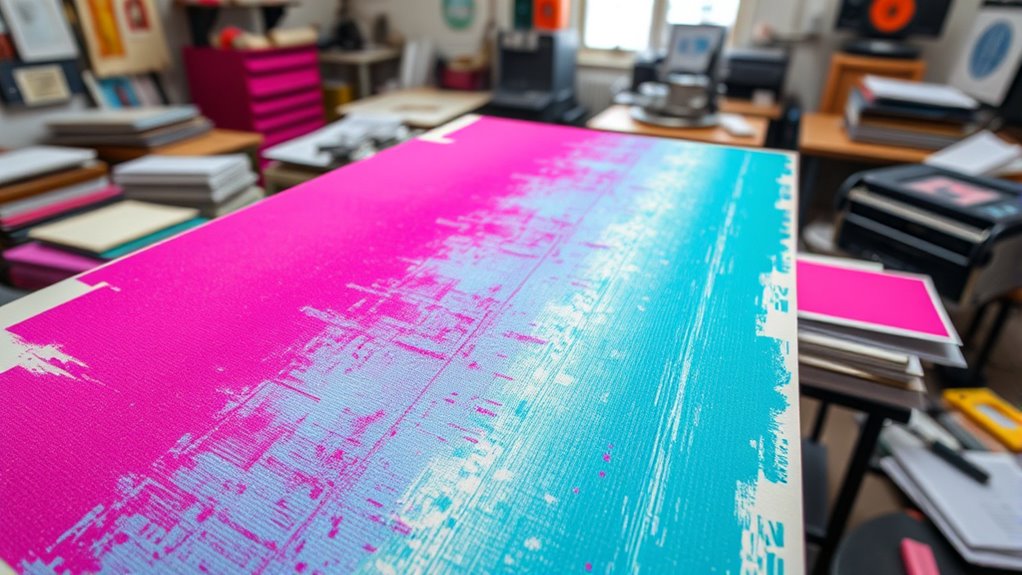
As risograph printing continues to evolve, embracing its imperfect aesthetics can set new creative boundaries. This approach aligns with the broader goal of simplifying decisions, encouraging artists and designers to focus on authentic expression rather than perfection. You’ll also see more collaborations that push the medium’s limits and bring fresh ideas to life. These trends will shape risograph’s cultural role in exciting, unexpected ways.
Embracing Imperfect Aesthetics
Embracing imperfect aesthetics has become a defining trait of risograph printing, highlighting its unique charm and authenticity. You’re drawn to its vintage style, which evokes a nostalgic appeal that digital methods often lack.
The intentional flaws—slight misalignments, uneven ink coverage—add character and a handmade feel. This raw, imperfect look resonates with audiences seeking genuine, tactile experiences in a digital world.
As risograph printing continues to evolve, it’s clear that embracing these quirks enhances its cultural relevance. It’s not about perfection but about celebrating individuality and the beauty in imperfection.
Expanding Artistic Collaborations
Expanding artistic collaborations will be key to shaping the future of risograph printing and reinforcing its cultural significance. By partnering with diverse artists and designers, you can push beyond traditional limits, blending digital precision with the risograph’s unique texture. This hybrid approach allows for bold experimentation, combining the mass production efficiency of risograph with creative versatility. These collaborations open new avenues for storytelling and visual innovation, making risograph prints more relevant in contemporary art scenes. To illustrate, consider the following possibilities:
| Artistic Focus | Potential Impact |
|---|---|
| Digital-analog fusion | Enhanced detail with tactile character |
| Limited editions | Increased exclusivity and value |
| Cross-disciplinary art | Broader cultural influence |
| Community projects | Greater social engagement |
Frequently Asked Questions
Can Risograph Printing Replicate Detailed Photographs Accurately?
Risograph printing struggles to replicate detailed photographs accurately because of its limited image resolution and color fidelity. You’ll notice that fine details often get lost or appear blurry.
Colors may not match the original exactly. This unique aesthetic is intentional, creating a charming, textured look. While it’s great for bold designs and vibrant colors, it’s not ideal if you need sharp, highly detailed photographic reproductions.
How Does Ink Color Variation Impact Final Risograph Print Quality?
Ink color variation impacts your risograph print quality by creating unique, vibrant effects through ink inconsistency and color variability. You’ll notice slight shifts in hue and saturation, which add character and depth to your artwork.
While this might seem like a flaw, it’s a deliberate part of the process that gives each print a distinctive, handcrafted feel. Embrace these variations—they’re what make risograph prints special and visually engaging.
Is Risograph Printing Suitable for Large-Scale Commercial Projects?
Yes, risograph printing is suitable for large-scale commercial projects because it offers excellent bulk printing capabilities and cost efficiency.
You can produce high-volume prints quickly and affordably, making it ideal for flyers, zines, or posters.
Its unique, imperfect aesthetic can add a distinctive character to your project, and the process’s speed and lower costs make it a practical choice for large orders.
What Maintenance Is Required to Keep Risograph Machines in Optimal Condition?
To keep your risograph machine in top shape, regularly perform machine calibration to guarantee consistent print quality.
You should also maintain the ink reservoir upkeep by cleaning it often and refilling it promptly to prevent clogs or uneven ink distribution.
Check for any paper jams or wear and tear, and follow the manufacturer’s maintenance schedule.
These steps help ensure your risograph produces vibrant, reliable prints every time.
Are There Digital Tools That Mimic Risograph’s Distinctive Aesthetic?
Yes, you can find digital tools that mimic the risograph’s distinctive aesthetic. Many graphic design programs offer digital filters that replicate the imperfect, textured look of risograph printing.
These tools allow you to experiment with colors, overlays, and grain effects to achieve that unique, hand-printed vibe. Using these filters, you can easily incorporate the risograph’s charm into your digital projects without needing physical equipment.
Conclusion
Embracing its quirks, risograph printing offers a distinctive, authentic feel that digital simply can’t match. By understanding its unique process and imperfections, you can harness its charm to make your projects stand out. Whether you’re an artist or designer, risograph’s imperfections become a creative advantage, adding personality and depth. So, plunge into experimenting with risograph—you’ll find that its imperfect beauty can elevate your work in unexpected, inspiring ways.
Halloween Picks
halloween
As an affiliate, we earn on qualifying purchases.



![Terence Tao: Math 2.0 [Pdf]](https://kellerkunst.com/wp-content/uploads/2026/10/terence-tao-math-2-0-pdf-featured-260x140.jpg)