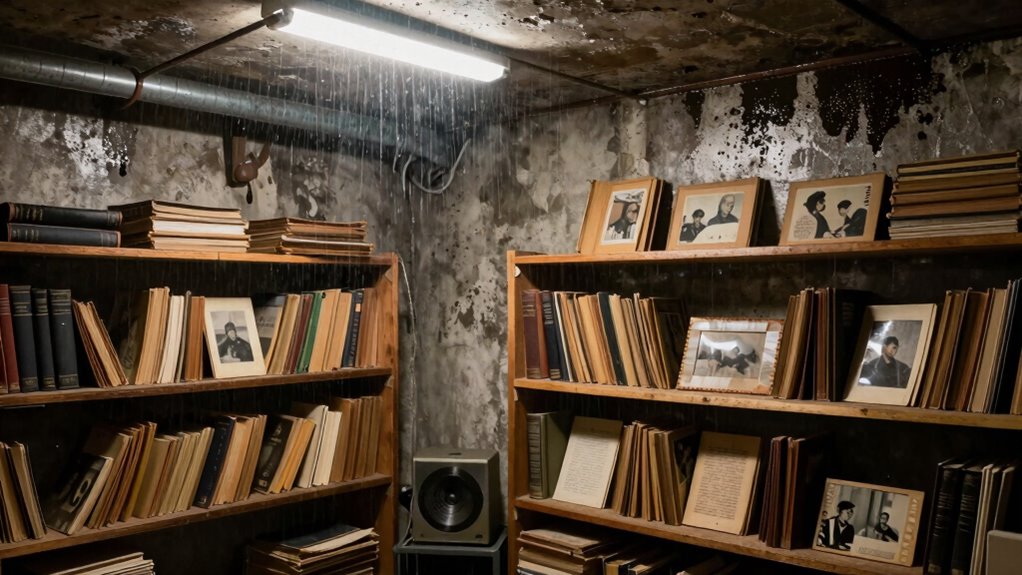

If you want to protect your basement studio or archive room, addressing moisture problems early is vital. Moisture can seep through walls and floors, leading to mold, mildew, and structural damage. Using vapor barriers, dehumidifiers, and proper ventilation helps create a stable environment and prevent long-term harm. Regular maintenance of these systems is essential for keeping your space dry and safe. Keep going to discover smarter ways to manage moisture and preserve your valuable assets.

Prime made for students and young adults
- Fast, free delivery for dorm and study essentials
- Prime Video and Amazon Music included
- Member-only deals
Key Takeaways
- Conduct early moisture assessments to identify potential seepage and humidity issues before they cause damage.
- Install vapor barriers and use dehumidifiers to control moisture infiltration and maintain dry conditions.
- Ensure proper ventilation with strategically placed vents and exhaust fans to prevent humidity buildup.
- Regularly inspect and maintain ventilation systems and dehumidifiers for optimal performance.
- Address drainage and waterproofing around the basement to prevent water intrusion and long-term moisture problems.
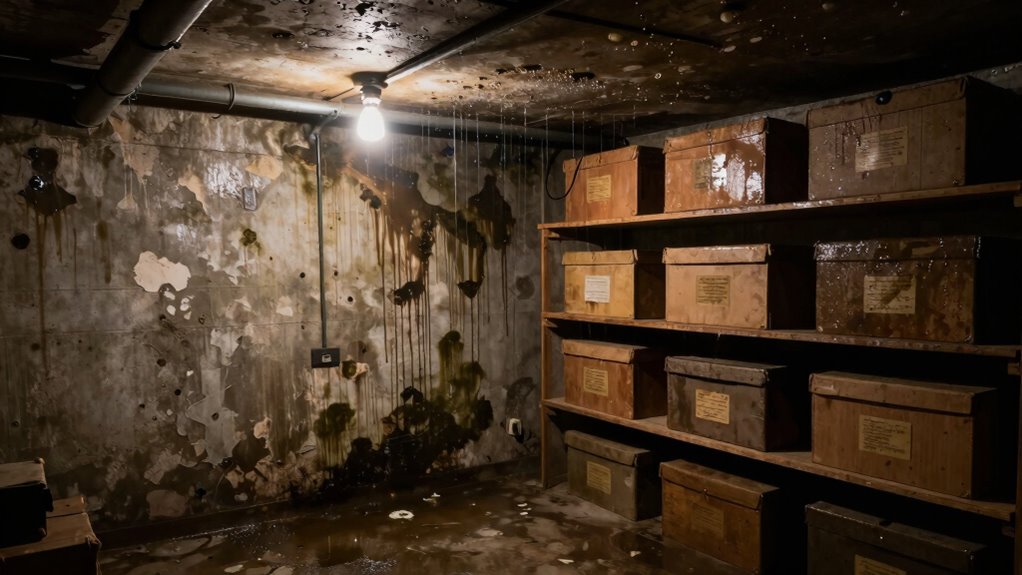
Beneath the main floors of many buildings lie basement studios and archive rooms that often go unnoticed, yet they play an essential role in preserving creativity and history. These spaces are fundamental for artists, musicians, and archivists who depend on stable environments to safeguard their work. However, the very nature of basements makes them prone to moisture issues, which can threaten the integrity of stored materials and the comfort of those working within. If you overlook dampness control, you risk mold growth, deterioration of valuable items, and even structural damage. The key to maintaining these underground spaces lies in effective ventilation systems that help regulate humidity levels and prevent excess moisture buildup.
Basement spaces preserve creativity and history but require effective ventilation to prevent moisture damage and ensure a stable environment.
When you’re managing basement studios or archive rooms, you need to prioritize dampness control. Moisture can seep through walls, floors, or from the surrounding soil, creating an environment where mold and mildew thrive. This not only damages physical assets but also impacts air quality, potentially causing health issues for anyone spending time there. Implementing proper dampness control measures, like vapor barriers and dehumidifiers, is essential. These tools reduce excess moisture and create a stable environment, safeguarding your collection or workspace from long-term damage.
Ventilation systems play a pivotal role in moisture management. You want to ensure a steady flow of fresh air that helps control humidity levels. Mechanical ventilation, such as exhaust fans and air exchangers, actively remove moist air and replace it with drier, filtered air from outside. This continuous air exchange prevents stagnation and limits the buildup of humidity. Additionally, well-designed ventilation systems help remove odors and pollutants, creating a healthier environment for both your work and storage needs. Proper airflow not only addresses moisture but also helps maintain consistent temperature levels, which are equally important in basement environments. Properly designed ventilation can also aid in preventing condensation, which is a common issue in damp basement spaces. Regular inspection and maintenance of these systems are crucial to ensure their effectiveness over time.
In designing or upgrading your basement spaces, pay attention to the placement of vents and exhaust points. Proper airflow can greatly reduce dampness and improve overall air quality. Regular maintenance of ventilation equipment is necessary to keep these systems functioning effectively. Sometimes, installing a combination of dehumidifiers and ventilation systems provides the best moisture control solution, especially in areas with high humidity or poor natural airflow. When planning these upgrades, consider the climate conditions and how they influence moisture levels to tailor your approach effectively.
Ultimately, your goal should be to create a stable, dry environment where creativity can flourish and history remains intact. Addressing dampness control early with reliable ventilation systems keeps your basement studios and archive rooms safe from moisture-related problems. When you invest in these systems now, you prevent costly repairs and preserve your valuable assets for years to come. Moisture problems may be invisible at first, but with proactive measures, you can guarantee your underground spaces stay dry, functional, and protected. Paying attention to moisture management strategies is crucial for long-term preservation and safety.
basement dehumidifier for moisture control
As an affiliate, we earn on qualifying purchases.
As an affiliate, we earn on qualifying purchases.
Frequently Asked Questions
What Are the Best Dehumidifiers for Basement Moisture Control?
You should choose dehumidifiers that promote excellent air circulation and work well with ventilation systems. Look for models with high extraction capacity, like the Frigidaire FFAD7033R1 or hOmeLabs 4500 Sq Ft Dehumidifier, which effectively reduce moisture. Make certain they have auto drainage, adjustable humidity settings, and are energy-efficient. Properly integrating these units with your ventilation system helps keep your basement dry, preventing mold and moisture buildup effectively.
How Can I Detect Hidden Mold Behind Walls?
To detect hidden mold behind walls, start with a mold inspection by looking for visible signs like discoloration or a musty smell. You should also perform wall testing with mold test kits or hire professionals for more thorough inspections. These methods help identify mold that isn’t visible, ensuring you address any moisture issues early. Acting quickly prevents health problems and further structural damage.
What Maintenance Is Needed for Moisture-Proofing Systems?
You should regularly inspect and maintain your moisture-proofing systems to guarantee they work effectively. This includes checking ventilation strategies to prevent humidity buildup and inspecting insulation techniques for any signs of wear or damage. Clean or replace filters, seal leaks, and ensure proper airflow. These maintenance steps help keep moisture levels controlled, preventing mold growth and protecting your space’s integrity over time. Regular upkeep is key to effective moisture management.
Are There Eco-Friendly Solutions for Moisture Prevention?
Yes, eco-friendly solutions for moisture prevention include eco-friendly barriers made from sustainable materials, which help block moisture ingress without harmful chemicals. You should also enhance natural ventilation by opening windows or installing vents to reduce humidity levels naturally. These methods are effective, environmentally safe, and cost-efficient, helping you maintain a dry, healthy space without relying on chemical treatments or energy-intensive systems.
How Often Should Basement Humidity Levels Be Checked?
You should check your basement humidity levels at least once a month to prevent moisture issues. Use humidity sensors to get accurate readings, and guarantee your basement ventilation system is working properly. Regular monitoring helps you catch any rising moisture early, allowing you to take action before problems worsen. During humid months, consider checking more frequently to maintain ideal conditions and protect your space from mold and damage.
vapor barrier for basement walls
As an affiliate, we earn on qualifying purchases.
As an affiliate, we earn on qualifying purchases.
Conclusion
Think of your basement studio or archive room as a delicate plant—once it’s healthy and cared for, it flourishes. I once saw a homeowner catch moisture early, much like watering a plant before roots rot. That simple step saved their collection from costly damage. Remember, early moisture detection isn’t just about avoiding problems; it’s about nurturing a space where creativity and memories can thrive. Act now, and your space will reward you with years of protection.
basement exhaust fan ventilation system
As an affiliate, we earn on qualifying purchases.
As an affiliate, we earn on qualifying purchases.
waterproofing membrane for basement floors
As an affiliate, we earn on qualifying purchases.
As an affiliate, we earn on qualifying purchases.
Evergreen bestsellers Picks
bestsellers
As an affiliate, we earn on qualifying purchases.