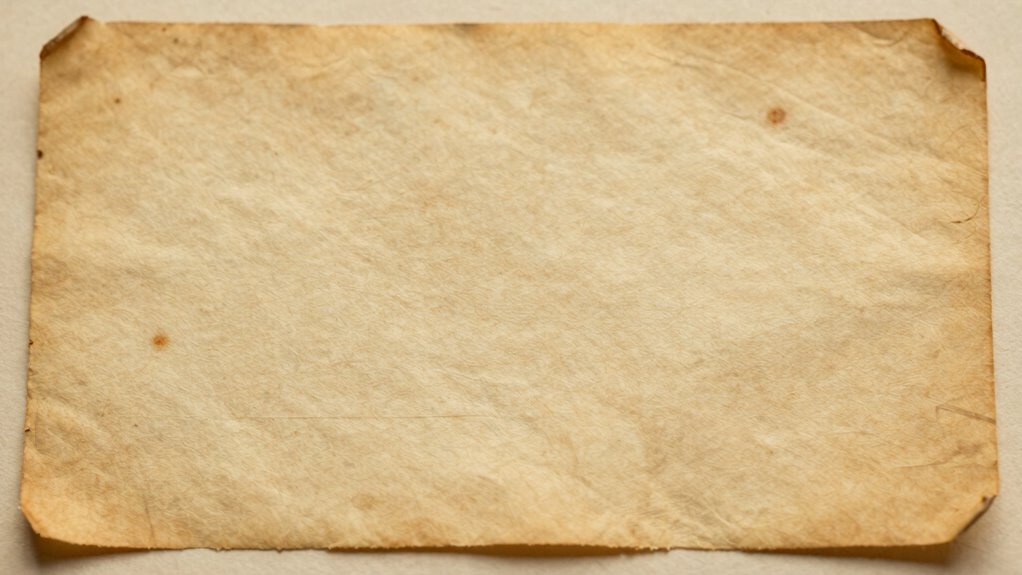

Old paper turns yellow mainly because its cellulose fibers break down over time due to chemical reactions like oxidation and hydrolysis. Factors like exposure to light, air pollutants, and fluctuating humidity speed up this process, especially if the paper is acidic. Storing your prints in cool, dark, and acid-free environments can help slow aging and preserve their color. To learn how to protect your prints effectively, keep exploring the key preservation techniques.
Key Takeaways
- Acidic conditions in paper accelerate cellulose breakdown, leading to yellowing and brittleness over time.
- Exposure to light, pollutants, and fluctuating humidity hastens chemical reactions causing discoloration.
- Aging causes dye degradation and oxidation, which contribute to the fading and yellowing of prints.
- Proper storage in acid-free, controlled environments can slow the yellowing process and preserve prints longer.
- Signs of advanced aging include ink fading, increased brittleness, mold growth, and physical deterioration.

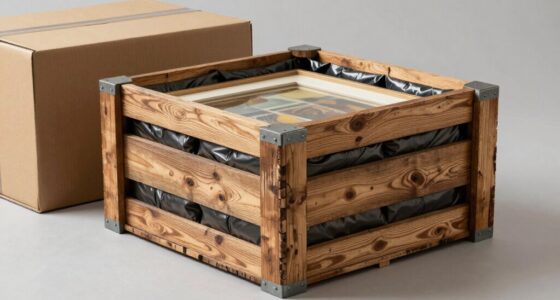
Lineco Museum Archival Storage Box, Drop Front, 9.75×12.75×3 in, Gray
- Brand: Lineco, trusted archival brand
- Purpose: Stores photos and important documents
- Usage: Used by professional photographers
As an affiliate, we earn on qualifying purchases.
As an affiliate, we earn on qualifying purchases.
The Chemical Composition of Paper and Its Changes Over Time
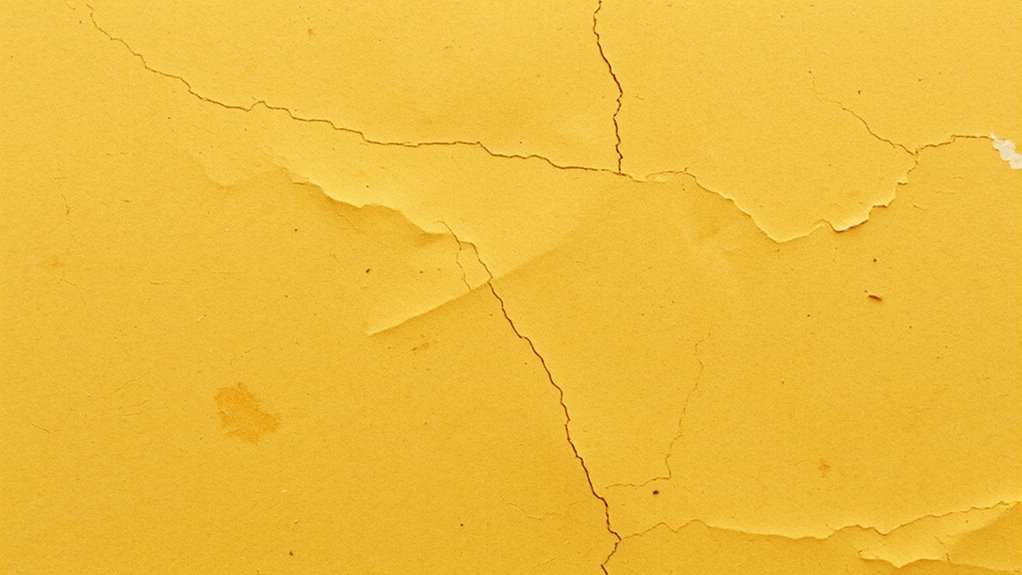
The chemical composition of paper primarily consists of cellulose fibers, which provide strength and structure. Inside the pulp cell structure, cellulose chains are tightly packed, giving the paper its durability. Over time, environmental factors cause chemical changes that affect this structure. One key process is dye degradation, where dyes used in printing or coloration break down, leading to fading and discoloration. As the paper ages, oxidation and hydrolysis can weaken the cellulose fibers, making them more prone to yellowing. These chemical reactions alter the paper’s original composition, impacting its appearance and longevity. The natural aging process also involves acidic degradation, which accelerates the breakdown of cellulose and contributes to yellowing. Additionally, exposure to light and air accelerates chemical reactions, further promoting discoloration and deterioration. Environmental conditions such as humidity and temperature fluctuations can also influence the rate of chemical changes, making it essential to control storage environments. Understanding these changes helps explain why older paper often turns yellow, highlighting the importance of protecting paper from environmental stressors to preserve its integrity and appearance over time. Proper storage conditions, such as controlled humidity and UV protection, can significantly slow down these chemical processes and extend the lifespan of paper materials.

20ct 8.5"x11" Document Toploader – 25Mil Heavy Duty Print Protector Holder
- Anti-Yellowing Technology: Filters UV and ambient light
- Heavy Duty Thickness: 25Mil rigid PVC for maximum protection
- Archival-Grade Construction: Triple-reinforced heat-sealed edges
As an affiliate, we earn on qualifying purchases.
As an affiliate, we earn on qualifying purchases.
The Role of Light, Air, and Environmental Factors in Yellowing
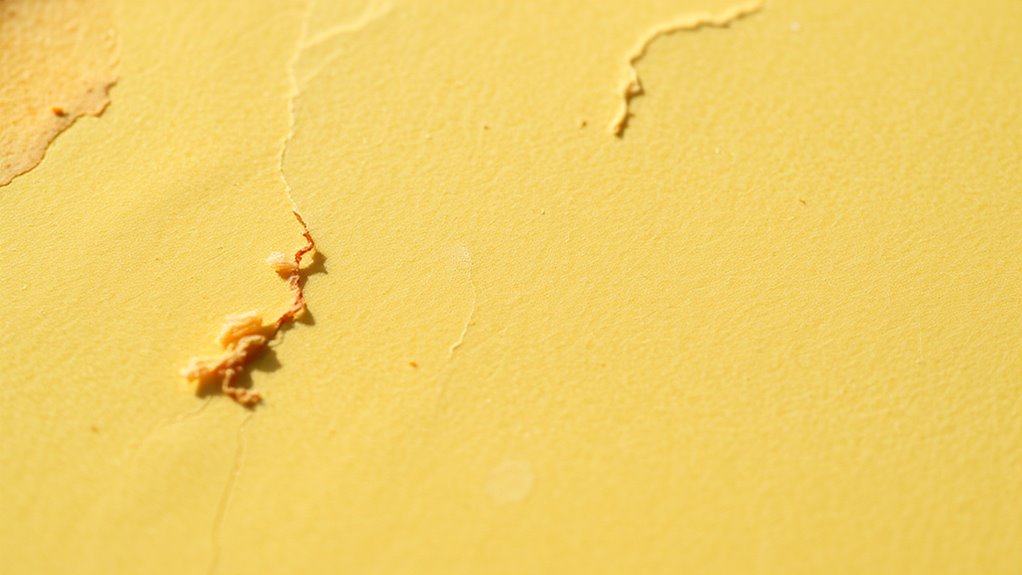
Light exposure, especially ultraviolet (UV) rays, accelerates the yellowing process in paper by breaking down cellulose fibers and dyes. This deterioration causes ink to fade over time, making your prints less vibrant. Additionally, environmental factors like air quality and humidity contribute to the problem. Pollutants and airborne acids react with the paper’s surface, speeding up discoloration and making the paper more brittle. Fluctuations in temperature and humidity worsen brittleness, increasing the likelihood of tears and cracks. You might notice your old documents becoming fragile and discolored faster if they’re exposed to direct sunlight or stored in harsh environments. To preserve your prints, keep them in cool, dark, and controlled conditions, reducing exposure to light and environmental stressors that hasten yellowing and deterioration. Proper storage environments can significantly slow down the aging process of paper. Additionally, implementing environmental controls, such as dehumidifiers or UV filters, can help maintain optimal conditions for your prints over time. Regular monitoring of storage conditions ensures that environmental factors remain stable, further preserving the integrity of your prints. Maintaining consistent climate conditions can further prevent fluctuations that cause damage to your paper. Ensuring proper storage techniques can also help minimize damage caused by environmental factors.

CLEVAST Dehumidifier for Home with Drain Hose, 68oz Water Tank Smart Humidity Control, Auto Shut Off, Quiet Small Dehumidifiers for Bathroom, Bedroom, Basement, RV and Camper
- High Moisture Removal Capacity: Removes up to 23 oz daily under test conditions
- Dual Drainage Options: Includes water tank and drain hose for continuous use
- Auto Shut-Off Safety Feature: Prevents overflow when tank is full
As an affiliate, we earn on qualifying purchases.
As an affiliate, we earn on qualifying purchases.
How Acidic Content Accelerates Paper Deterioration
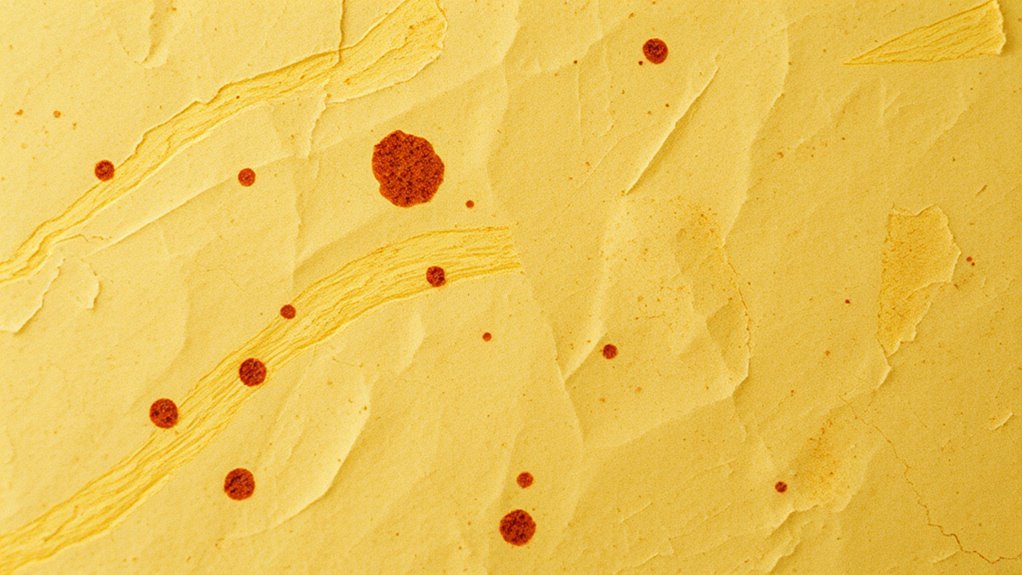
You might not realize it, but the acidity in paper considerably speeds up its breakdown. When pH levels drop below neutral, acids break down cellulose fibers, causing yellowing and fragility. Understanding this process helps you see why controlling acidity is key to preserving old documents. Additionally, proper ventilation can help prevent the buildup of acidic gases that contribute to deterioration. Proper storage conditions, such as controlling temperature and humidity, can also slow down the acidic content process that accelerates paper aging. Regular monitoring of pH levels is essential for maintaining optimal preservation conditions. Recognizing the ear wax odor that can develop over time may also serve as an indicator of paper degradation, especially in older materials.
Acidic Ph Levels
Acidic pH levels considerably speed up the deterioration of paper by breaking down its cellulose fibers. When paper has a low, acidic pH, the acid catalyzes chemical reactions that weaken the material. This process causes ink fading, making your prints less vibrant over time, and leads to paper brittleness, so pages crack and crumble easily. The acidity accelerates the breakdown of paper’s structure, reducing its lifespan markedly. If your paper is stored in an environment with high acidity, you’ll notice these issues sooner. To preserve your prints and documents, it’s important to monitor and control the pH level. Monitoring pH levels can help you take proactive steps to protect your prints. Neutral or alkaline conditions are much better for maintaining the integrity of paper and preventing yellowing, fading, and fragility. Understanding the chemical processes involved can help you better protect your valuable prints from deterioration over time. Additionally, using acid-free storage materials can significantly slow down this degradation process, especially in environments where environmental conditions may accelerate aging.
Paper Breakdown Process
When paper contains high levels of acidity, the chemical processes that cause deterioration begin to accelerate rapidly. Acidic compounds break down cellulose fibers, weakening the paper’s structure and making it more fragile. As this breakdown occurs, the paper’s texture becomes rougher and more brittle, increasing the risk of tears and crumbling. You’ll notice that ink absorption worsens because the altered fibers don’t hold ink as well, leading to smudging or uneven printing. The acids also catalyze oxidation reactions, turning the paper yellow and further speeding up deterioration. Over time, these processes create a cycle of weakening and discoloration, making preservation efforts more urgent. Recognizing how acidity affects the breakdown helps you understand why older, acidic papers degrade so quickly. Additionally, water resistance can be compromised as the fibers weaken, making printed materials more susceptible to damage from moisture. Understanding the chemical reactions involved can help in choosing appropriate conservation techniques to slow down the aging process.
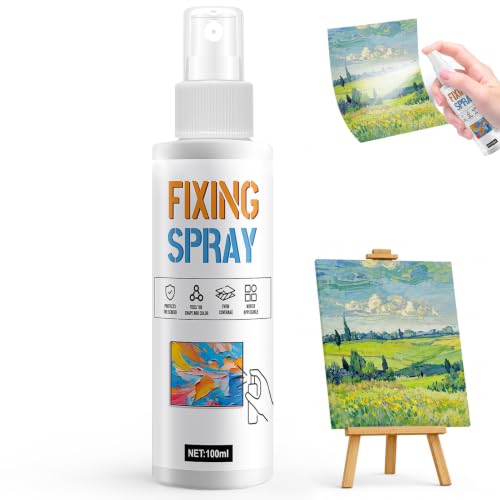
JAOJAO Fixative Spray, Fixative Spray for Charcoal Drawings, 100ml, Clear
- Long-Lasting Protection: Forms a protective transparent layer
- Color Preservation: Reduces fading and prevents yellowing
- Invisible Protection: Dries clear without marks or discoloration
As an affiliate, we earn on qualifying purchases.
As an affiliate, we earn on qualifying purchases.
The Impact of Storage Conditions on Paper Aging
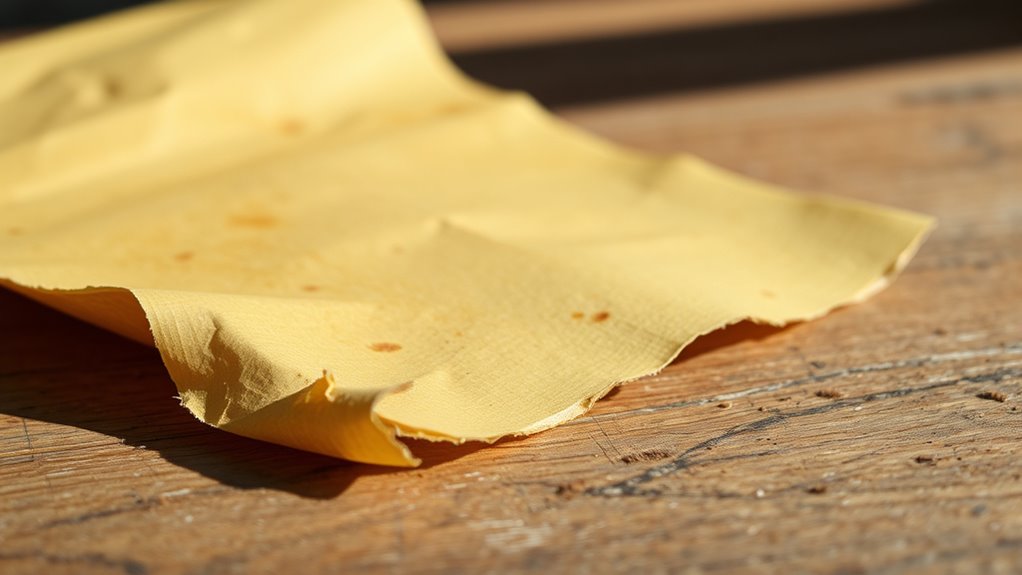
Storage conditions play a essential role in determining how quickly paper ages and changes color over time. Poor storage can accelerate yellowing by exposing paper fibers to damaging factors. High storage temperatures speed up chemical reactions in the paper, causing faster deterioration. Humidity levels also matter: too much moisture promotes mold and weakens fibers, while too little can make paper brittle. Light exposure, especially ultraviolet rays, further accelerates the breakdown of paper fibers, leading to discoloration. To protect your documents, keep them in a cool, dark, and stable environment. Consider these key points:
Proper storage—cool, dark, stable—slows paper aging and preserves its original appearance over time.
- Maintain a consistent, cool storage temperature
- Control humidity levels to prevent mold and brittleness
- Limit exposure to light, especially UV rays
- Store in acid-free, archival-quality containers
- Proper storage helps slow aging and preserve your paper’s original appearance.
- Ensuring acid-free materials are used in storage can further reduce chemical reactions that cause yellowing.
- Additionally, using archival-quality storage materials can provide extra protection against environmental damage.
Preservation Techniques to Prevent or Slow Down Yellowing
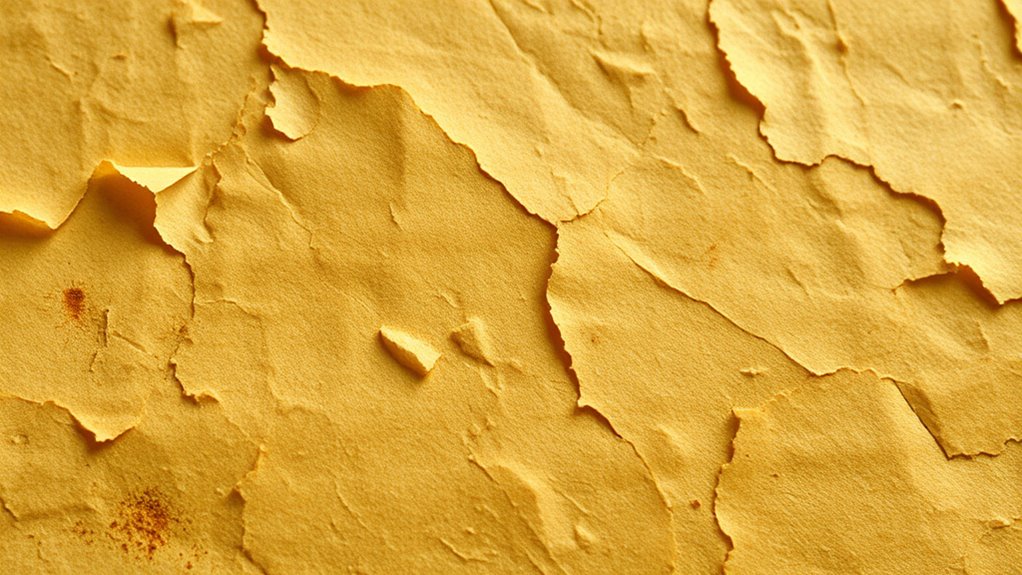
To prevent or slow down yellowing, you should store your papers in acid-free containers, which neutralize acids that cause deterioration. Controlling humidity levels helps reduce the chemical reactions that accelerate yellowing, keeping your paper in better condition. Additionally, using protective archival covers shields your documents from environmental damage and further discoloration. Regularly inspecting and maintaining proper storage conditions can also help extend the lifespan of your papers archival storage methods. Understanding acid-free materials can further enhance your preservation efforts, especially since they help prevent chemical reactions that lead to discoloration. Employing proper handling techniques minimizes physical damage that can contribute to aging and yellowing over time.
Store in Acid-Free Containers
Using acid-free containers is one of the most effective ways to slow down the yellowing process in old papers. By choosing archival quality storage options, you prevent acids from damaging your documents over time. These containers help maintain a stable environment, reducing chemical reactions that cause discoloration. When storing your papers, keep in mind:
- Use acid-free folders and boxes for long-term preservation
- Ensure containers are labeled clearly for easy identification
- Store in a cool, dark, and dry location to avoid deterioration
- Avoid plastic that isn’t acid-free, as it can emit harmful chemicals
- Proper storage can also help in training your collection to last longer and stay protected from environmental damage
Opting for archival quality, acid-free storage protects your valuable papers from further deterioration and preserves their original appearance longer. Proper storage is a simple yet powerful step in safeguarding your collection.
Control Humidity Levels
Controlling humidity levels is essential to slowing down the yellowing of old paper because excessive moisture can accelerate chemical reactions that cause discoloration. Maintaining stable humidity prevents paper from swelling or contracting, which can lead to physical damage and increased chemical degradation. Use a dehumidifier or air conditioner to keep humidity levels between 30-50%. Proper humidity control also reduces the risk of pest infestations, as pests thrive in moist environments. Regularly monitor humidity with a hygrometer to ensure levels stay consistent. Keeping moisture in check minimizes mold growth and prevents fungal activity that can worsen yellowing. By managing humidity carefully, you protect your paper from both environmental damage and pest-related issues, prolonging its preservation and visual quality over time.
Use Protective Archival Covers
Protecting old paper from environmental factors is key to slowing down yellowing. Using archival protective covers helps shield your prints from light, dust, and pollutants that accelerate deterioration. When choosing archival covers, look for acid-free, lignin-free materials that won’t react with the paper. Proper covers create a barrier against moisture and handling damage, preserving your prints longer. Consider these tips:
- Select clear, inert archival covers for easy viewing
- Avoid PVC and other plastics that emit harmful chemicals
- Store covers in a cool, dry, dark environment
- Regularly inspect covers for damage or dirt buildup
Recognizing Signs of Advanced Aging and When to Seek Restoration
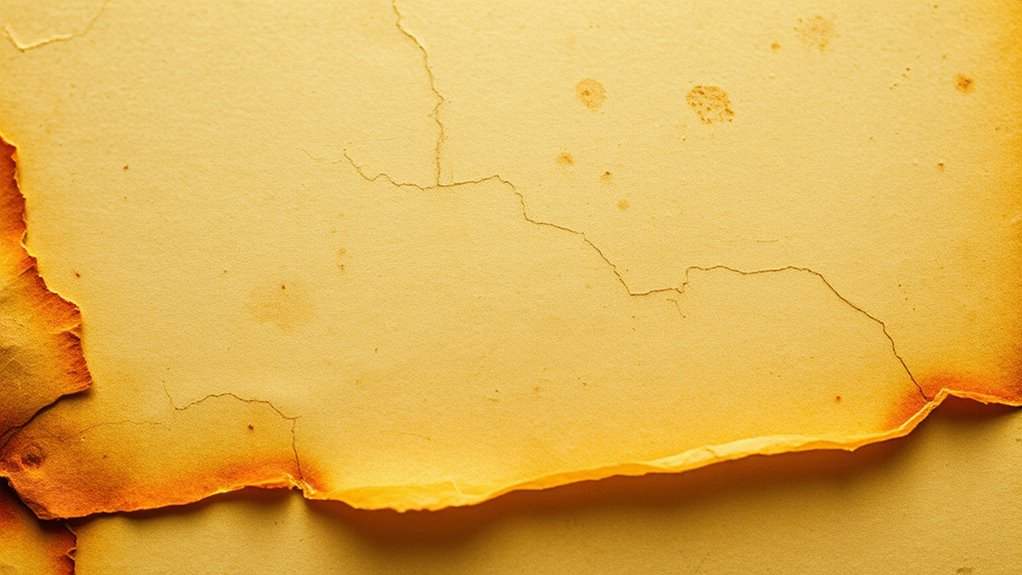
As paper ages, subtle signs of deterioration start to appear, signaling that it’s reached an advanced stage. You might notice ink fading, making text harder to read, or see mold growth, which can cause stains and further damage. These changes indicate the paper’s condition has markedly declined, and immediate action is needed. When ink no longer holds vibrant or sharp, and mold spreads or appears fuzzy, it’s time to contemplate professional restoration. Ignoring these signs risks further deterioration, potentially leading to complete loss of valuable prints or documents. Recognizing these indicators early helps you preserve your papers and avoid irreversible damage. If you see these signs, consult a conservation expert to evaluate the best course of action.
Frequently Asked Questions
Can Certain Inks or Dyes Cause Paper to Yellow Faster?
Certain inks and dyes can cause paper to yellow faster because their ink composition and dye stability influence how they age. If the ink contains acidic components or unstable dyes, it accelerates oxidation and chemical reactions that lead to yellowing. You should choose inks with stable dyes and acid-free formulations to slow the process, helping your prints stay bright and preserving the paper’s quality over time.
How Does Humidity Specifically Influence Paper Aging?
Humidity impact greatly influences paper aging by introducing moisture effects that accelerate deterioration. When humidity levels are high, moisture penetrates the paper fibers, causing warping, mold growth, and increased yellowing over time. You might notice that papers stored in humid environments turn yellow faster and become more fragile. To prevent this, keep your papers in a controlled, dry setting, minimizing moisture effects and prolonging their lifespan.
Are Modern Papers Less Prone to Yellowing Than Older Ones?
Yes, modern papers are less prone to yellowing because they often use acid-free materials and preservative coatings. These innovations slow down the chemical reactions that cause discoloration over time. When you choose acid-free papers with preservative coatings, your prints stay vibrant longer and resist aging. This makes them ideal for archival purposes or preserving important documents, ensuring your prints remain clear and bright for years to come.
What Are the Best DIY Methods to Slow Yellowing?
To slow yellowing, you should use DIY preservation techniques like storing your papers in acid-free storage materials. Keep papers in a cool, dark place away from light and humidity, which accelerates deterioration. Avoid adhesives or tapes that contain acids. Handling with clean gloves also helps prevent oils from speeding up discoloration. Regularly check your collection and consider using archival-quality storage solutions to maintain their condition over time.
How Can I Tell if My Paper Is Beyond Restoration?
Think of your paper as a fragile story fading with time. If you notice severe discoloration, significant ink deterioration, or brittleness that makes handling risky, it’s likely beyond restoration. When decoloration has advanced to a deep, uneven yellow, and ink has blurred or disappeared, these are signs your paper’s integrity is compromised. You can’t reverse extensive damage, but preserving what remains becomes your priority.
Conclusion
Understanding why old paper turns yellow helps you appreciate its history and fragility. Did you know that over 90% of paper degradation is caused by exposure to light, air, and poor storage? By storing your prints in cool, dark environments and using acid-free materials, you can slow this process considerably. Proper care not only preserves your valuable documents but also keeps their stories alive for generations to come.