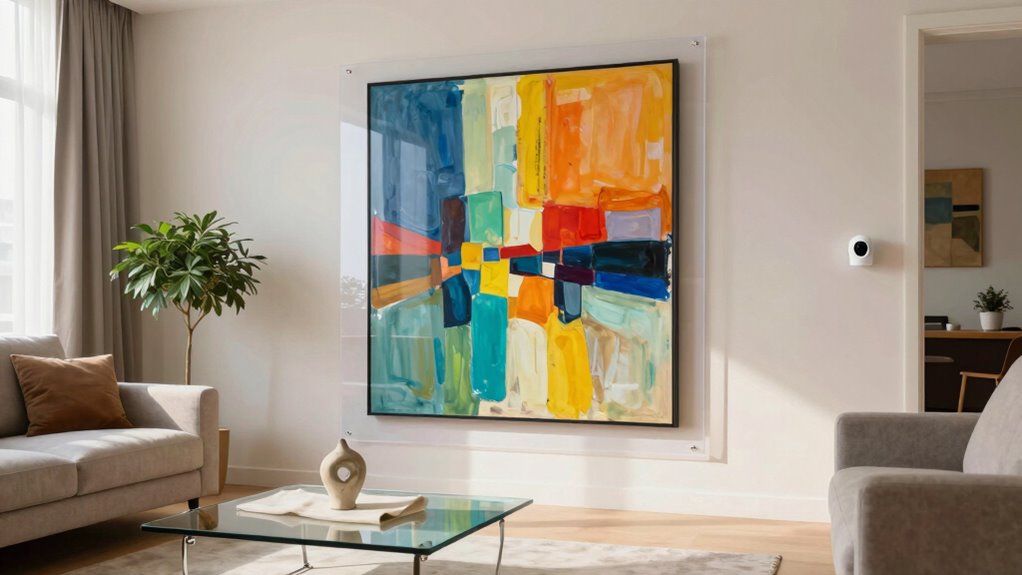
To protect your art from everyday wear without hiding it away, control the environment by maintaining consistent temperature and humidity, and use UV-filtering glass or low-intensity lighting to prevent fading and damage. Handle pieces carefully with gloves or soft tools, and frame them with acid-free materials. Regularly inspect for signs of deterioration and consult professionals when needed. By applying these techniques, you can enjoy your artwork safely—there’s much more to learn for keeping your pieces pristine over time.
Listen free for 30 days with Audible
Thousands of audiobooks and originals — cancel anytime.
As an affiliate, we earn on qualifying purchases.
Key Takeaways
- Use proper lighting with UV filters to prevent fading while keeping artwork visible.
- Maintain stable environmental conditions to reduce deterioration risks without concealing the art.
- Frame artworks with acid-free materials to protect them from damage while on display.
- Regularly inspect and clean artwork with gentle methods to catch issues early without hiding the art.
- Position art away from direct sunlight and high-traffic areas to avoid damage while showcasing it.
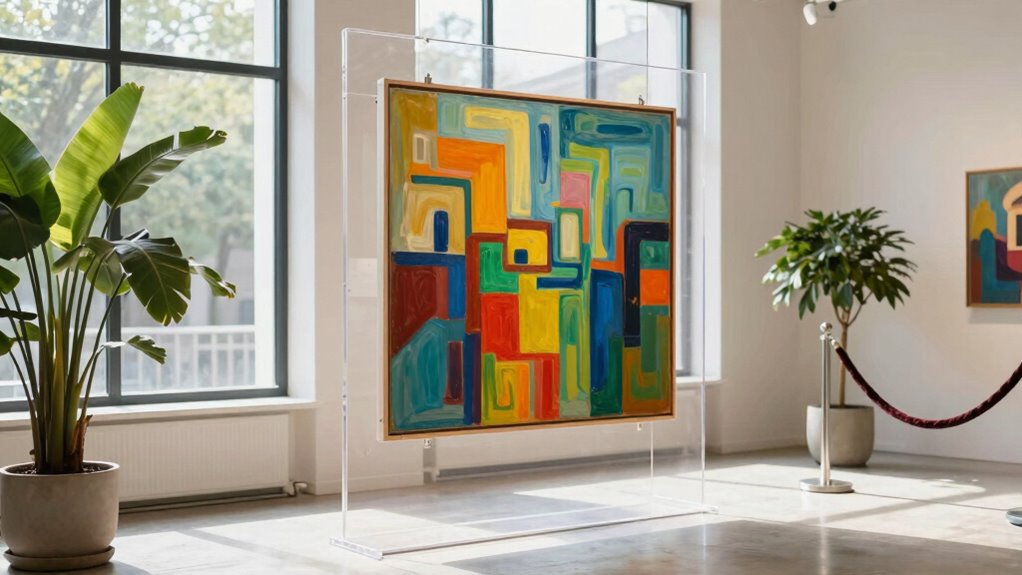
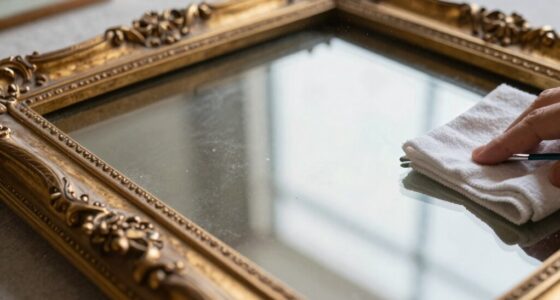
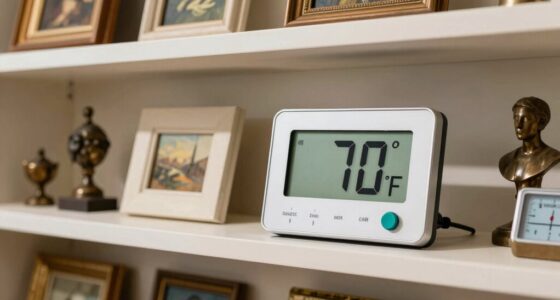
Ever wonder how to keep your cherished artwork safe amidst the chaos of daily life? Protecting your art doesn’t mean hiding it away in a closet or storage unit; it’s about integrating simple, effective strategies that preserve its beauty and integrity. Art preservation begins with understanding that environmental control plays a crucial role. You want to maintain a stable environment where temperature, humidity, and light levels are carefully managed. Fluctuations in temperature can cause materials to expand and contract, leading to cracks or warping, while high humidity invites mold and mildew. Conversely, excessively dry conditions can make paper brittle or wood crack. Using a hygrometer and a thermostat helps you monitor these factors, ensuring they stay within safe ranges. Installing a dehumidifier or humidifier can help maintain consistent humidity, especially in areas prone to extremes. Proper environmental control is essential for long-term preservation. Light exposure is another critical factor. Ultraviolet (UV) rays from sunlight and certain artificial lights can fade colors and weaken materials over time. To minimize damage, position your artwork away from direct sunlight, or use UV-filtering glass and light bulbs in your display areas. If you’re displaying art in a well-lit room, consider using low-intensity lighting that doesn’t emit harmful UV rays or infrared heat. This careful environmental control doesn’t just preserve the artwork; it also creates a more comfortable space for you to enjoy it daily. Additionally, choosing the right display location can prevent accidental damage from everyday activities. Incorporating proper display techniques can significantly extend the lifespan of your artwork. Handling your artwork properly is equally important. Always wash your hands before touching art pieces, or better yet, wear cotton gloves to prevent oils and dirt from transferring. When moving or cleaning, use soft brushes or microfiber cloths to gently remove dust. Avoid harsh cleaning agents or abrasive materials that can scratch or damage delicate surfaces. Framing your artwork with acid-free mats and backing supports further aids in long-term preservation by preventing chemical reactions that can cause deterioration. Regular inspections are essential. Check for signs of deterioration such as discoloration, warping, or pest activity. Early detection allows you to address issues before they become irreversible. Incorporating environmental monitoring can help you stay ahead of potential problems and maintain optimal conditions. Moreover, understanding the materials used in your artwork can guide you in selecting the most suitable preservation methods. When necessary, consult professional conservators for restoration or advice, especially for valuable or fragile pieces. By combining vigilant environmental control with mindful handling and proper storage, you seamlessly blend preservation with your daily life. This way, your artwork remains vibrant and intact, enriching your space without the need to hide it away. Your commitment to art preservation ensures your cherished pieces continue to inspire and bring joy for years to come.
As an affiliate, we earn on qualifying purchases.
Frequently Asked Questions
How Often Should I Clean My Protected Art Pieces?
You should clean your protected art pieces every 6 to 12 months, depending on their environment. Stick to a consistent cleaning schedule to prevent dust buildup and maintain their appearance. Use a soft, lint-free cloth for dust removal, avoiding harsh chemicals that could damage the surface. Regular cleaning helps preserve the artwork’s integrity while keeping it looking vibrant, ensuring it stays protected without needing to hide it away.
Can I Display Protected Art Outdoors Safely?
Yes, you can display protected art outdoors safely if you use outdoor weatherproofing and UV protection techniques. Apply a weather-resistant sealant to shield it from rain and humidity, and choose UV-protective coatings to prevent fading from sunlight. Position your art in a shaded area or use an outdoor display case for extra protection. Regularly check and maintain these protective layers to guarantee your art stays vibrant and intact over time.
What Are the Best Materials for Art Protection at Home?
Imagine your art wrapped in armor—sounds medieval, but it’s smart. You’ll want sturdy framing techniques with UV-resistant glass to block harmful rays, and protective coatings that shield against moisture and dirt. Use acid-free mats and backing to prevent deterioration. These materials act like a personal force field, ensuring your masterpiece stays pristine while you enjoy it daily. No need for a castle, just clever protection!
How Do I Prevent Theft of Valuable Artwork?
To prevent theft of your valuable artwork, you should install security cameras and alarm systems in your space. Position cameras discreetly to monitor all entry points and high-value pieces, ensuring clear footage. Connect your alarm system to local authorities or a security company for quick response. Regularly update passwords and security settings, and consider insurance. These steps create a strong deterrent, making theft less likely and protecting your art effectively.
Is It Necessary to Insure Protected Art?
Yes, insuring your protected art is vital, like giving it a safety net. You should consider insurance considerations and valuation strategies to guarantee adequate coverage. Proper insurance protects your masterpiece from unexpected damages or loss, allowing you to enjoy your collection without worry. Regularly reassess its value and choose a policy that reflects its worth. This way, your art remains safeguarded, and you’re prepared for life’s unpredictable twists and turns.
art preservation humidity monitor
As an affiliate, we earn on qualifying purchases.
As an affiliate, we earn on qualifying purchases.
Conclusion
By taking simple steps to shield your art—like using UV-protective glass and controlling environmental conditions—you keep your masterpieces safe without hiding them away. Did you know that exposure to sunlight can cause colors to fade by up to 80% over time? Protecting your art guarantees it remains vibrant and cherished for years to come. So, stay proactive, and your artwork will continue to inspire and delight without sacrificing everyday accessibility.
acid-free mat and backing for frames
As an affiliate, we earn on qualifying purchases.
As an affiliate, we earn on qualifying purchases.
art display lighting with UV protection
As an affiliate, we earn on qualifying purchases.
As an affiliate, we earn on qualifying purchases.
NFL season / tailgating Picks
team gear
As an affiliate, we earn on qualifying purchases.