
To protect your resin art from heat, UV rays, and scratches, keep it away from direct sunlight and hot surfaces, which can cause warping and fading. Use protective coatings or UV-resistant covers to maintain clarity and gloss. Handle your pieces carefully, avoiding sharp objects, and clean with soft cloths. Proper placement and gentle maintenance will help your artwork stay vibrant and durable, and if you continue exploring, you’ll discover more ways to keep it looking its best.
Key Takeaways
- Protect resin art from direct sunlight and UV exposure to prevent gloss loss and discoloration.
- Keep resin pieces away from heat sources and maintain stable temperatures to avoid warping or surface damage.
- Use clear protective coatings to prevent scratches and environmental wear, and reapply periodically for lasting gloss.
- Handle artworks carefully, supporting edges during movement to avoid scratches, dents, or micro-abrasions.
- Regularly clean with soft cloths and avoid harsh chemicals to preserve clarity, surface integrity, and overall appearance.
How Heat Affects Your Resin Art and What to Do About It
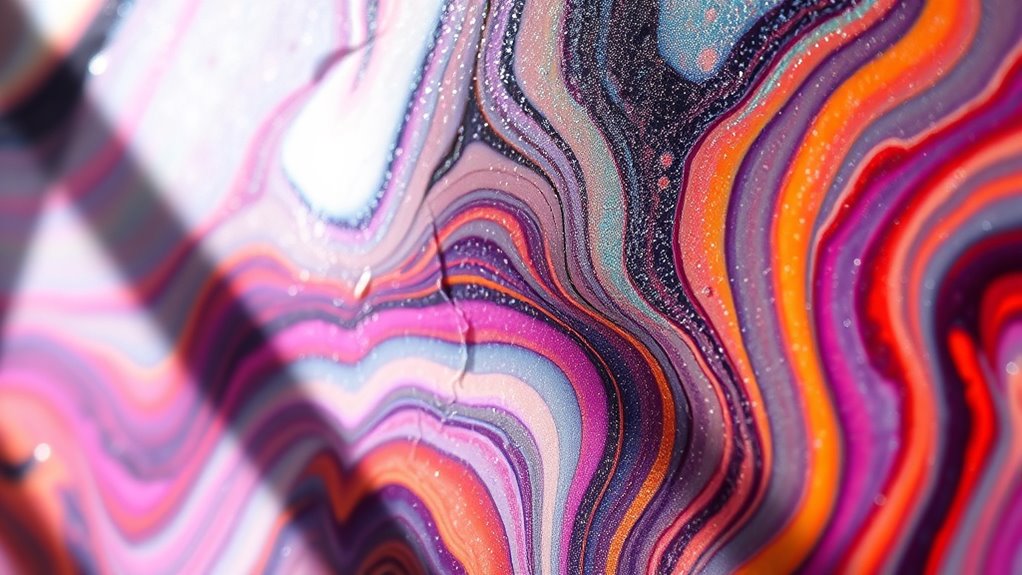
Heat can considerably impact your resin art by causing it to soften, warp, or develop unwanted imperfections. When the resin temperature gets too high, the material loses its shape and clarity, affecting the overall finish. To prevent this, pay attention to the resin’s heat resistance; choosing a resin with higher heat resistance can help withstand warmer environments. Keep your art away from direct sunlight or hot surfaces, as these can raise its temperature unexpectedly. If you need to work in a warmer setting, consider using a cooling fan or air conditioning to regulate the environment. Monitoring the ambient temperature and maintaining a controlled workspace makes certain your resin remains stable, preserving its visual appeal and structural integrity over time. Additionally, selecting heat-resistant resin can provide extra protection against temperature fluctuations, especially in outdoor settings or warmer climates. Implementing proper temperature control strategies ensures your resin art stays durable and beautiful despite environmental challenges. Regularly checking your workspace temperature and using insulation techniques can further safeguard your artwork from thermal stress. Being aware of thermal expansion helps you anticipate and mitigate potential deformation or cracking in your resin pieces. Furthermore, understanding how environmental conditions influence resin curing can help you better plan your projects for lasting quality.
How to Protect Resin Art From UV Damage
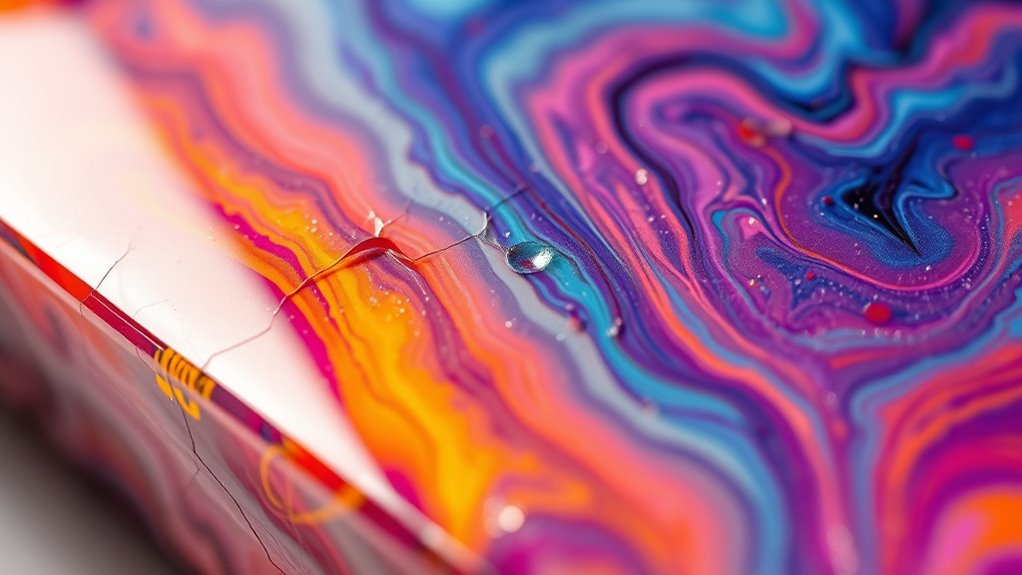
UV rays can quickly degrade your resin art by causing discoloration, fading, and surface deterioration over time. To protect your piece, consider applying UV resistant sprays specifically designed for resin. These sprays create a protective barrier that blocks harmful rays and preserves your artwork’s vibrant colors. Using proper display conditions, such as avoiding direct sunlight, can significantly reduce UV exposure. Additionally, sunlight shielding is vital; display your resin art away from direct sunlight or use UV-blocking glass or acrylic covers. Regularly reapply UV resistant sprays as recommended to maintain protection. Keep in mind, prolonged exposure to sunlight accelerates damage, so taking these precautions helps extend your art’s lifespan. Incorporating UV protection measures into your display strategy ensures your artwork remains vibrant and well-preserved over time. By combining UV resistant sprays with proper sunlight shielding, you guarantee your resin art remains beautiful and intact for years to come. Proper UV protection practices are essential for preserving the integrity and color richness of your resin creations.
How to Prevent Scratches and Keep Your Surface Safe

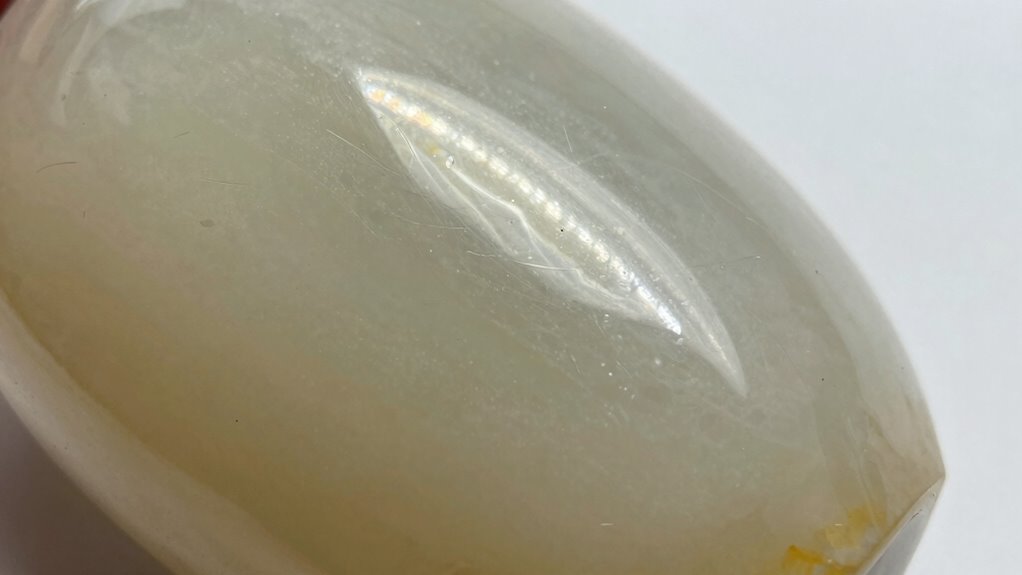
Protecting your resin art starts with applying a clear, protective coating to prevent scratches. Handle your pieces carefully, avoiding sharp or rough objects that could cause damage. Regularly inspecting your artwork for signs of wear helps in early detection of potential issues and maintains its appearance. Content quality and topical authority play a key role in understanding proper care techniques to preserve your piece. Additionally, being mindful of the thermal behavior of resin art can help prevent warping or cracking caused by heat exposure. Understanding the heat distribution properties of resin materials can further aid in avoiding damage from temperature fluctuations, and knowing how resin reacts to heat can guide you in safe display practices.
Use Protective Coatings
Have you ever wondered how to keep your resin art looking pristine over time? Applying a protective coating is your best solution. A good sealant application creates a barrier that shields your surface from scratches, UV damage, and heat.
Choose a high-quality, clear sealant designed for resin art to enhance coating durability. Make sure to follow the manufacturer’s instructions for proper application, including cleaning the surface beforehand.
Multiple thin layers are better than one thick coat, as they ensure even coverage and stronger protection. Regularly reapply the coating as needed to maintain your art’s integrity.
This simple step helps preserve the shine, prevents scratches, and extends the lifespan of your resin piece. Protect your work and enjoy it for years to come.
Handle With Care
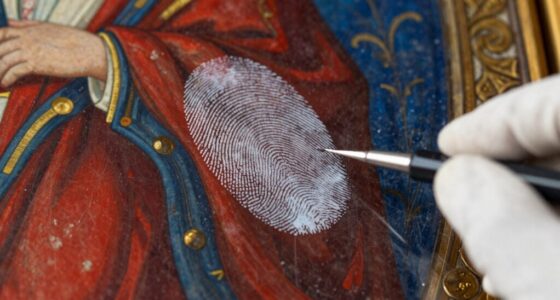
To keep your resin art looking its best, handling it carefully is essential. Use proper handling techniques, such as lifting from the edges or sturdy areas to avoid fingerprints or scratches. Additionally, avoid exposing your artwork to excessive UV light exposure, which can cause discoloration or damage over time. When moving or cleaning your piece, support its weight evenly and avoid gripping delicate sections. Supportive handling techniques can help prevent accidental damage. Display considerations also play a role; place your artwork on stable surfaces away from high traffic areas where accidental bumps are likely. Consider using display stands or wall mounts designed for resin pieces to prevent falls. Always handle your art with clean hands or gloves to prevent dirt and oils from damaging the surface. Understanding surface protection methods can help prolong the beauty of your resin art. Being aware of heat sensitivities can also prevent warping or melting, especially in warmer environments.
Where to Place Your Resin Pieces for Best Results
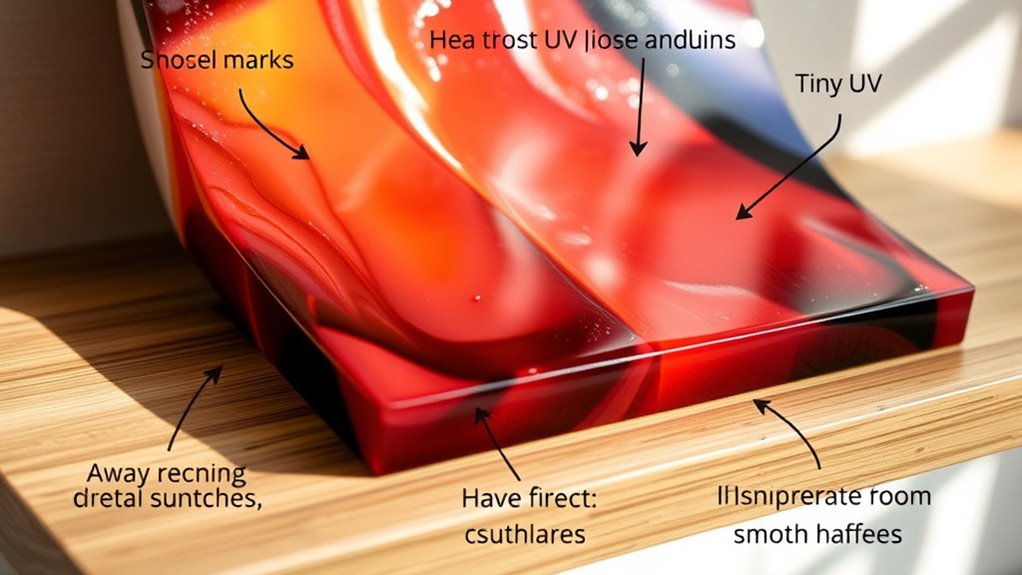
Choosing the right spot for your resin pieces is vital to achieving a flawless finish. Focus on display placement that minimizes exposure to direct sunlight, which can cause yellowing or discoloration over time. Environmental considerations are key—avoid placing resin art near heat sources, vents, or windows with constant drafts. Additionally, selecting a location with controlled temperature and humidity can help prevent issues like warping or surface imperfections. Proper environmental control creates a more stable environment that preserves your resin’s clarity and gloss over the years. This includes monitoring factors like airflow and light exposure, which can significantly impact the longevity of your artwork. Ensuring adequate ventilation in the display area can also help prevent moisture buildup that might affect the resin surface. In addition, choosing a spot that minimizes vibrations and movement can prevent micro-scratches and damage over time. Keep your resin pieces away from high-traffic zones where accidental bumps could scratch or damage them. Proper placement not only preserves the clarity and gloss but also ensures your art remains vibrant and durable longer. Careful display choices are essential for maintaining your resin art’s professional look over time.
How to Keep Your Resin Glossy and Clear Over Time
To keep your resin glossy and clear, you should safeguard it from direct sunlight, which can cause discoloration over time. Regularly cleaning with gentle, non-abrasive methods helps maintain its shine, and applying a protective coating adds an extra layer of defense. Taking these steps ensures your resin art stays vibrant and pristine for years to come. Incorporating adaptive lighting in your display area can also help prevent UV damage and keep the resin looking its best. Additionally, understanding UV exposure and how it affects resin can guide you in selecting the right protective measures for your artwork. Being aware of environmental factors such as temperature and humidity can further prolong the clarity and finish of your resin creations. Using UV-resistant coatings can provide an added safeguard against harmful UV rays and preserve the clarity of your art. Proper storage in a controlled environment further protects your resin pieces from potential damage over time.
Protect From Sunlight
Sunlight can quickly dull the glossy finish of your resin art and cause it to lose its clarity over time. Prolonged sunlight exposure accelerates UV deterioration, fading colors and compromising the resin’s transparency. To protect your piece, keep it out of direct sunlight or display it in shaded areas. Using UV-resistant coatings or placing it behind glass can further reduce damage. Consider the following table for quick tips:
| Tip | Benefit |
|---|---|
| Store in a shaded spot | Prevents UV deterioration |
| Use UV-resistant spray | Maintains gloss and clarity |
| Avoid direct sunlight | Preserves color and transparency |
| Hang away from windows | Reduces sunlight exposure and fading |
Additionally, incorporating energy-awareness into your display choices can enhance the longevity of your resin art by aligning with protective measures.
Use Proper Cleaning
Keeping your resin art looking its best requires regular cleaning to preserve its glossy finish and clarity. Use gentle cleaning techniques, such as wiping with a soft, lint-free cloth dampened with mild soap and water.
Avoid harsh chemicals or abrasive cleaners that can damage the surface. Proper surface maintenance involves removing dust, fingerprints, and smudges promptly to prevent buildup that dulls the shine.
When cleaning, be careful not to scratch or scrub too hard, as this can create micro-abrasions. Regular, careful cleaning helps maintain the resin’s clarity and prevents surface imperfections over time.
Apply Protective Coatings
Applying a protective coating is essential for maintaining your resin art’s glossy finish and preventing discoloration or surface damage over time. Protective finishes act as a barrier against UV rays, scratches, and environmental factors that can degrade your piece.
For effective resin maintenance, choose a suitable clear topcoat, such as a spray or brush-on sealant, designed for resin surfaces. Before applying, ensure your artwork is clean and free of dust or fingerprints. Lightly sand the surface if needed, then apply the protective coating evenly, following the manufacturer’s instructions.
Regularly reapplying protective finishes helps preserve the clarity and shine of your resin art, keeping it looking fresh and vibrant for years. Proper application extends your resin’s lifespan and maintains its aesthetic appeal.
Common Mistakes That Could Harm Your Resin Art
One of the most common mistakes that can damage your resin art is rushing the curing process or exposing it to improper conditions. If you don’t allow enough time for resin curing, your piece may remain soft or sticky, making it vulnerable to scratches or dents.
Additionally, exposing your resin to direct sunlight or high temperatures during curing can cause color fading or uneven finishes. It’s tempting to speed things up, but patience is key to achieving a smooth, durable surface.
Poor curing can also weaken the resin’s adhesion, leading to cracks or peeling over time. To protect your artwork, follow the recommended curing instructions carefully, keep it in a stable environment, and avoid unnecessary handling until fully hardened.
Proper curing preserves both the appearance and longevity of your resin art.
When to Get Professional Help for Repairs or Advice
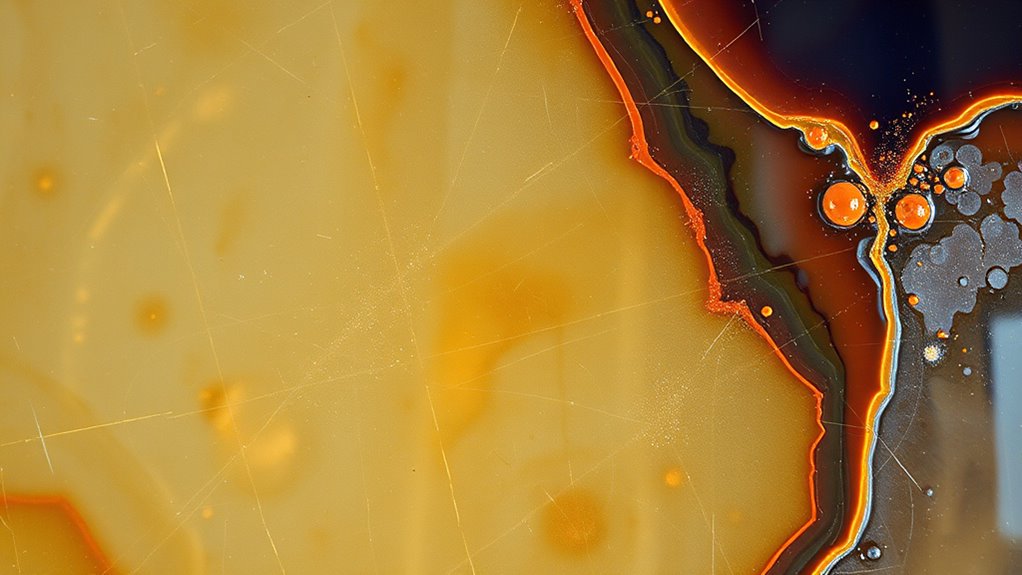
Sometimes, despite careful curing, resin art may develop issues that are difficult to fix on your own, such as persistent cracks, discoloration, or surface imperfections. When these problems arise, it’s best to seek professional restoration instead of attempting risky DIY fixes.
Expert consultation can help identify the root cause and determine the safest, most effective repair methods. If your piece has deep cracks or significant discoloration, a professional can provide specialized treatments that preserve your artwork’s integrity and value.
Knowing when to get help saves you time and prevents further damage. Trusting experienced restorers ensures your resin art remains stunning and durable. Don’t hesitate to reach out to a professional when in doubt—proper repairs safeguard your masterpiece for years to come.
Frequently Asked Questions
How Long Does Resin Art Typically Last Before Showing Damage?
Your resin art typically lasts about 2 to 5 years before showing signs of damage, depending on how well you care for it.
Resin aging can lead to surface degradation, causing yellowing or cloudiness over time. Avoid exposing your piece to excessive heat, UV light, or scratches, which accelerate deterioration.
Proper maintenance extends its lifespan, keeping your artwork vibrant and intact for many years to come.
Can Resin Art Be Repaired After Scratches or UV Damage?
Yes, you can repair resin art after scratches or UV damage. For scratches, perform resin surface repairs by lightly sanding the area and applying a fresh layer of resin.
For UV damage, UV damage restoration involves sanding the affected area and re-coating with a UV-resistant resin or topcoat.
Always guarantee proper curing and protection afterward to prevent future damage.
With careful work, your resin piece can look almost new.
What Types of Cleaning Products Are Safe for Resin Surfaces?
For resin cleaning, stick to gentle, safe cleaning products like mild soap and water.
Avoid harsh chemicals, alcohol, or abrasive scrubbers that can damage your resin surface.
Use a soft cloth or sponge to wipe away dirt or smudges.
If needed, you can also use a plastic polish formulated for resin.
Always test a small area first to guarantee your cleaning product won’t cause any damage.
Is It Safe to Expose Resin Art to Outdoor Elements Long-Term?
Exposing your resin art to outdoor elements long-term isn’t entirely safe without proper protection. UV exposure can cause discoloration and yellowing over time, so it’s essential to apply a UV-resistant coating regularly.
Weather resistance varies depending on the resin type, but generally, prolonged outdoor exposure can lead to scratches, fading, and damage. To keep your piece looking its best, consider placing it in a shaded area or bringing it indoors during harsh weather.
How Do Temperature Fluctuations Affect Resin Curing and Longevity?
Temperature fluctuations can negatively impact your resin art by causing thermal expansion, which may lead to cracks or warping over time. These changes can also affect curing consistency, making it harder for the resin to cure evenly.
To protect your piece, avoid exposing it to rapid temperature shifts and keep it in a stable environment. This guarantees your resin maintains its durability, appearance, and longevity.
Conclusion
To keep your resin art looking its best, stay mindful of heat, UV exposure, and scratches. Protect your pieces by placing them wisely, avoiding direct sunlight, and handling them carefully. Regularly check for damage and clean them gently to maintain their gloss and clarity. If you notice significant issues, don’t hesitate to seek professional advice. With proper care, your resin creations will stay stunning and vibrant for years to come.