
Sunlight, especially UV rays, sneaks into surfaces and causes unseen damage to art over time. It breaks down pigments, weakens materials, and accelerates fading, even with indirect or low light levels. Recognizing signs like dulling colors and cracking helps you spot damage early. Protect your collection by using UV-filtering glass, controlling light and climate exposure, and avoiding direct sunlight. The more you explore, the better you’ll understand how to preserve your artwork for the long term.
Key Takeaways
- UV rays penetrate surfaces, causing chemical reactions that fade and weaken pigments over time.
- Continuous light exposure accelerates material breakdown, leading to cracks and surface deterioration.
- Fading may appear uneven, with some areas more affected due to light intensity and pigment vulnerability.
- Protective measures like UV-filtering glass and controlled lighting significantly reduce fading risks.
- Regular monitoring and environmental controls are essential to prevent “sneaky” light damage to artworks.
The Invisible Culprits: UV Rays and Light Pollution
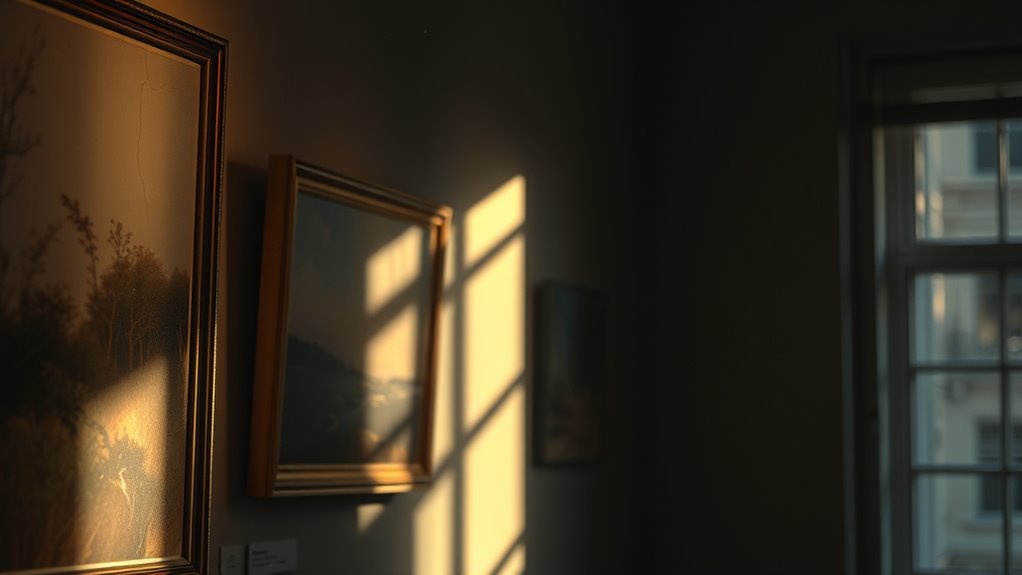
While sunlight is essential for life and beauty, its invisible components can cause significant damage to artworks over time. UV damage is a major threat, as ultraviolet rays penetrate surfaces and break down pigments, causing colors to fade and materials to weaken. Even brief exposure adds up, silently degrading your art. Light pollution, often overlooked, worsens this effect by increasing ambient light in urban areas, exposing artworks to continuous, low-level UV radiation. This persistent exposure accelerates deterioration, especially in poorly protected spaces. Proper UV filtration can significantly reduce these harmful effects. Additionally, implementing light pollution reduction strategies can help limit unnecessary exposure in sensitive environments. Studies show that art conservation techniques have evolved to better combat these invisible threats. Moreover, advances in protective coatings provide additional barriers against UV rays and light pollution. You might not see the damage happening, but over time, the effects become irreversible. Protecting your artwork from UV rays and minimizing light pollution is vital to preserving its original vibrancy and integrity for generations to come.
How Sunlight Alters Colors and Textures Over Time
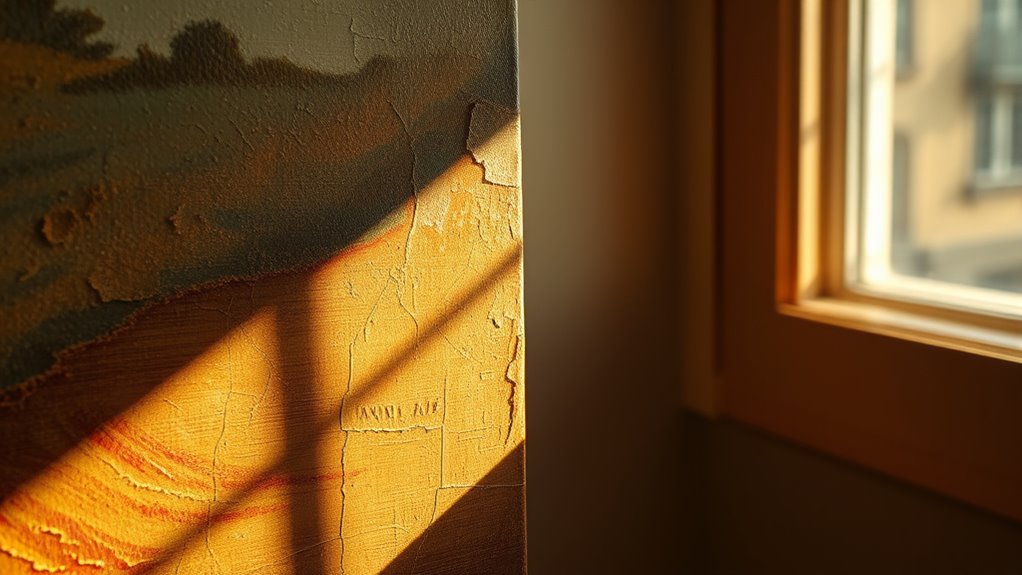
Sunlight causes colors in artworks to fade and shift, often through chemical reactions that break down pigments. Over time, textures can also deteriorate as light weakens the materials, making surfaces more fragile. Understanding these processes helps you see why protecting art from sunlight is essential for preserving its original appearance. Light-induced damage can accelerate these changes, emphasizing the importance of proper display and storage practices. Additionally, the use of UV protective coatings can help mitigate damage and extend the lifespan of artwork exposed to sunlight. Properly managing exposure can significantly reduce photo degradation, ensuring the artwork remains vibrant for years to come. Recognizing how light exposure impacts materials highlights the need for environmental controls to preserve artistic integrity. Implementing climate control measures, such as controlling temperature and humidity, further supports the preservation efforts by reducing material stress over time.
Color Fading Mechanisms
Sunlight triggers chemical reactions in pigments and dyes that cause colors to fade over time. These reactions impact chromatic stability, the ability of colors to resist change, leading to dullness and loss of vibrancy. The underlying cause lies in pigment chemistry: ultraviolet and visible light break down molecular structures, altering their light absorption properties. Some pigments are more vulnerable because of their chemical makeup, resulting in faster fading. Understanding these mechanisms helps you choose materials with better stability. For example, inorganic pigments often exhibit higher chromatic stability than organic dyes. Additionally, photo-induced degradation occurs when light energy causes chemical bonds within pigments to break down, accelerating fading. By recognizing how light interacts with different pigments, you can implement protective measures, such as UV filters or controlled exposure, to preserve your artwork’s original colors longer.
Texture Degradation Effects
As sunlight interacts with artwork over time, it can cause more than just color fading—textures may also degrade, altering the piece’s tactile qualities. Chemical interactions triggered by UV rays can weaken surface layers, making textures less defined or rougher. Certain materials are especially vulnerable; organic paints and porous surfaces tend to absorb light more readily, accelerating deterioration. Over time, this can lead to a loss of surface detail, cracking, or a glazed, uneven feel. These changes diminish the artwork’s original texture, impacting how viewers experience its depth and detail. Understanding material vulnerabilities helps you recognize how light-induced chemical reactions subtly transform both color and texture, emphasizing the importance of protective measures to preserve the artwork’s physical integrity over time. Additionally, natural ingredients in some art materials are more prone to degradation when exposed to prolonged sunlight. Recognizing material vulnerabilities can guide you in selecting appropriate preservation techniques to maintain both color and texture.
The Science Behind Art Deterioration From Light Exposure
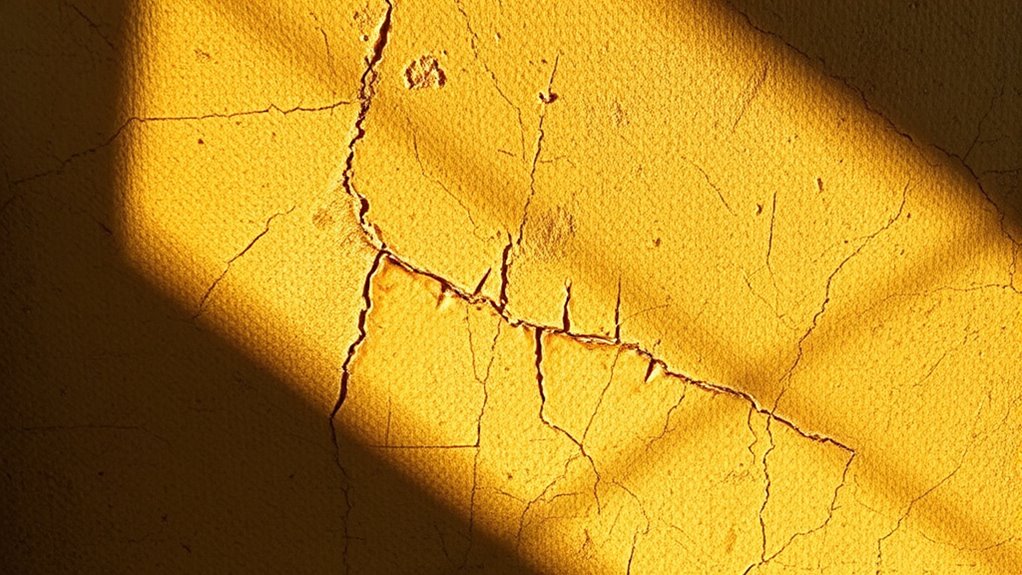
When art is exposed to light, chemical changes occur that weaken its materials over time. You might not see the damage right away, but invisible deterioration is constantly happening beneath the surface. Ultraviolet light accelerates this process, causing both visible fading and unseen harm to your artwork.
Light-Induced Chemical Changes
Light exposure triggers chemical reactions within artworks that can lead to fading and deterioration. When light hits pigments, it often causes molecular changes that weaken pigment stability over time. These reactions can break down the chemical bonds holding color molecules together, resulting in faded hues and a loss of original vibrancy. Some pigments are more susceptible to these reactions, especially organic or synthetic dyes, which are less chemically stable. Even low levels of light can gradually accelerate these processes, making artworks more vulnerable over decades. Understanding these chemical reactions helps you realize why certain colors fade faster and why protecting artworks from light is essential for their longevity. AI Ethicist jobs play a crucial role in developing policies that help mitigate some of these issues on a broader scale. By controlling light exposure, you can slow down these harmful chemical changes and preserve the artwork’s original appearance.
Visible & Invisible Damage
Chemical changes caused by light exposure often result in visible damage to artworks, such as fading and discoloration. You might notice the colors dull or the surface develop cracks over time. Invisible damage also occurs beneath the surface, weakening the materials. To understand this better:
- Natural light penetrates deeper, causing long-term harm.
- Artificial illumination, especially if intense, accelerates deterioration.
- Fading occurs when pigment molecules break down, losing vibrancy.
- Underlying chemical changes weaken the artwork’s structure, making it more fragile.
Both visible and invisible damage highlight the sneaky nature of light. Protecting your art involves controlling exposure to natural light and using appropriate artificial lighting, ensuring longevity and preserving its original beauty.
Ultraviolet Light Impact
Ultraviolet (UV) light is especially damaging to artworks because its high energy can break down delicate pigment molecules and binders. When your artwork is exposed to UV radiation, even indirectly, it accelerates deterioration by causing chemical changes that fade colors and weaken materials. UV exposure is often invisible to the naked eye but can cause significant damage over time. Light pollution from artificial sources increases UV levels in galleries, museums, and even outdoor displays, heightening the risk of fading. To protect your art, minimize UV exposure by using UV-filtering glass and controlling light sources. Understanding the impact of light pollution and UV radiation helps you implement better preservation strategies, ensuring your artwork remains vibrant and intact for years to come.
Recognizing Signs of Sunlight Damage in Artwork

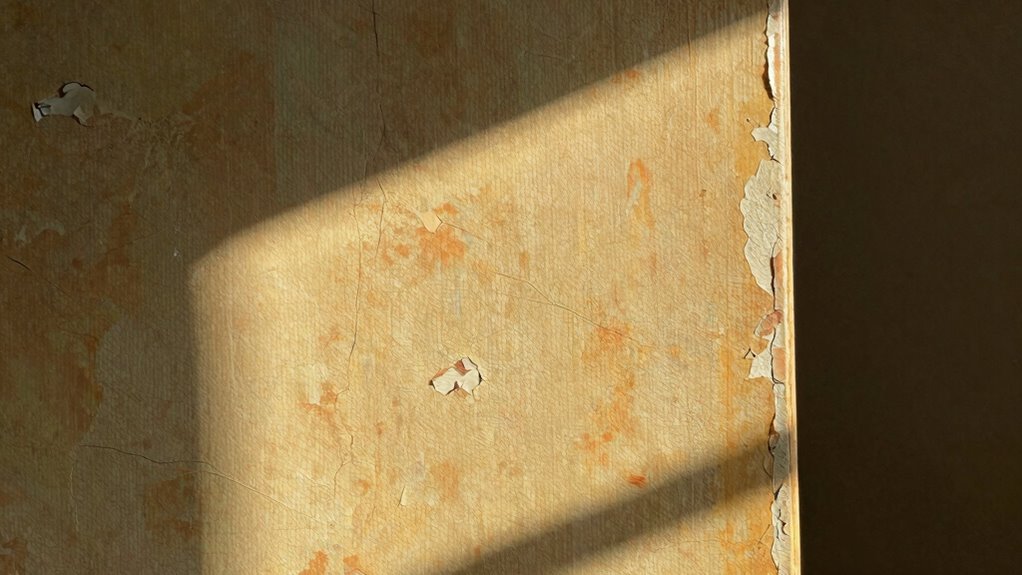
When artwork is exposed to sunlight over time, subtle changes can indicate damage that may not be immediately obvious. Look for signs such as faded colors, which dull or shift hues, and uneven lightening across the surface. Use brushstrokes analysis to detect areas where pigment loss is uneven, revealing underlying layers or altered artist techniques. Pay attention to cracking or craquelure, as sunlight weakens the paint film. Changes in gloss or sheen may also signal deterioration. To deepen your understanding, consider these four indicators:
Sunlight causes subtle artwork damage—look for faded colors, uneven lightening, cracking, and gloss changes.
- Fading of vibrant colors
- Altered brushstroke visibility
- Uneven color patches
- Surface cracking or crazing
Being aware of artwork preservation techniques can help you take proactive steps to protect your collection. Recognizing these signs helps you identify early damage and preserve the artwork’s integrity. Additionally, understanding how UV radiation affects materials can guide you in choosing appropriate display conditions. It’s also helpful to know how light exposure duration impacts the rate of deterioration, enabling better management of artwork display. Incorporating smart lighting systems with UV filters and timers can further minimize unnecessary exposure and extend the lifespan of your artwork. Regular monitoring and environmental controls are essential for maintaining long-term artwork health.
Protective Measures: Framing, Glazing, and Environmental Controls
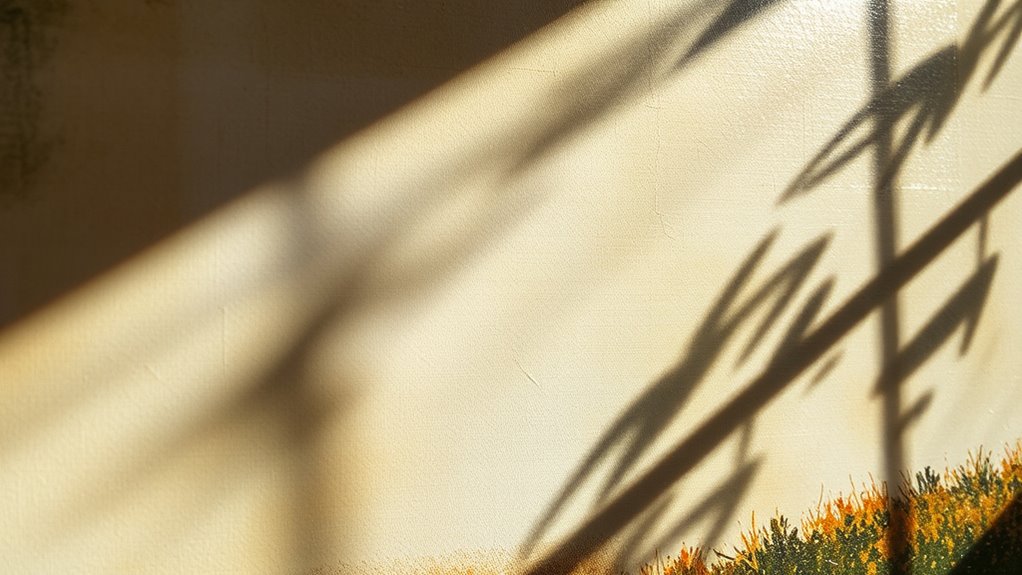
To effectively protect artwork from sunlight damage, proper framing, glazing, and environmental controls are essential. Frame protection involves using UV-filtering materials and sturdy construction to prevent light penetration. Glazing options like acrylic or glass with UV filters block harmful rays while showcasing your art. Environmental controls help regulate light, temperature, and humidity, reducing fading risks. Consider placing artwork away from direct sunlight and using shade or blinds. Here’s a quick guide:
| Protection Method | Key Benefit | Best Practice |
|---|---|---|
| Frame Protection | Shields against UV and physical damage | Use UV-filtering glass or acrylic |
| Glazing | Adds a protective barrier | Choose UV-filtered glass or acrylic |
| Environmental Controls | Regulates light, temperature, humidity | Maintain stable conditions |
| Placement | Minimizes sunlight exposure | Keep art away from direct sunlight |
| Storage | Preserves when not on display | Store in dark, climate-controlled space |
Protecting artwork also involves understanding how light exposure can be cumulative over time, making consistent preventative measures crucial. Additionally, utilizing UV filters on glazing can significantly extend the lifespan of your art by blocking harmful ultraviolet rays. Implementing environmental controls is vital for maintaining long-term preservation and preventing deterioration. Regularly assessing your protection methods helps ensure ongoing preservation efforts. Incorporating proper preservation techniques ensures your artwork remains vibrant and undamaged for generations to come.
Choosing the Right Lighting for Display and Storage
Choosing the right lighting is essential for both displaying and storing artwork effectively. Natural light can highlight colors, but it also causes fading over time. To protect your art, consider these key points:
Proper lighting protects your artwork while enhancing its beauty.
- Use indirect natural light whenever possible, avoiding direct sunlight.
- Opt for artificial illumination with low UV emissions to prevent fading.
- Select LED lights designed for art, which emit minimal heat and UV rays.
- Regularly monitor and adjust lighting to minimize exposure, especially during peak sunlight hours.
- Be aware that light quality and spectrum can significantly impact the longevity of your artwork.
- Incorporating proper lighting techniques can further enhance display quality while preserving your pieces.
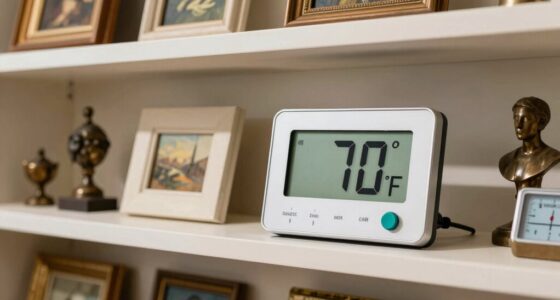
Innovative Technologies for Art Preservation
Innovative technologies are transforming how we preserve and protect artwork, ensuring it withstands the test of time. Today’s innovative conservation methods include advanced materials and techniques that prevent decay and damage. Digital monitoring plays a vital role, allowing you to track environmental conditions in real-time and catch issues early. Sensors can measure light exposure, humidity, and temperature, helping you maintain ideal storage and display environments. These technologies offer precise data, so you can make informed decisions on conservation efforts. By integrating innovative conservation tools and digital monitoring, you actively safeguard your collection from the sneaky effects of sunlight and other damaging factors. Understanding art conservation principles can further enhance your preservation strategies. Incorporating well-sourced name coverage ensures that you are making informed decisions based on reliable information, which is essential for effective conservation. Additionally, staying updated on emerging preservation technologies can give you a competitive edge in protecting valuable pieces. This proactive approach extends the lifespan of your art, preserving its beauty and integrity for future generations.
Practical Tips for Art Owners and Collectors
Protecting your artwork starts with understanding how environmental factors like sunlight can cause fading and deterioration. To minimize UV damage and combat light pollution, consider these practical steps:
- Limit exposure by displaying art away from windows or direct sunlight.
- Use UV-filtering glass or acrylic when framing, blocking harmful rays.
- Install UV-protective window films or shades to reduce light infiltration.
- Control ambient lighting by using low-intensity, UV-safe bulbs, and turn lights off when not viewing.
These measures help slow fading caused by UV damage and light pollution, preserving your collection’s vibrancy and integrity. Being proactive ensures your art stays beautiful longer, safeguarding its value and historical significance.
Creating a Long-Term Preservation Plan for Your Collection
Developing a long-term preservation plan is essential to guaranteeing your art collection remains valuable and well-maintained over time. Start by evaluating your pieces’ specific needs, including factors like light sensitivity and material composition. Incorporate effective restoration techniques when necessary, and always use high-quality archival materials to protect artworks from environmental damage. Regular maintenance, such as dusting and inspecting for deterioration, helps catch issues early. Keep detailed records of each piece’s condition, conservation efforts, and storage conditions. Implement environmental controls like stable humidity and UV-filtering glass to minimize light exposure. This proactive approach ensures your collection stays vibrant and protected, allowing you to enjoy and preserve your art for generations to come.
Frequently Asked Questions
Can Sunlight Damage Art Even Indoors With Artificial Lighting?
Yes, sunlight can damage art indoors, but artificial lighting can also cause harm. Indoor UV from artificial lights, especially if they’re not UV-filtered, can fade and deteriorate your artwork over time. To protect your art, use UV-filtering glass or acrylic, switch to low-UV or LED lighting, and keep artworks away from direct, intense artificial light sources. Taking these steps helps preserve your art longer.
How Often Should I Inspect My Artwork for Sun Damage?
You should inspect your artwork at least once a month, establishing a regular inspection routine. During these checks, look for damage signs like fading, discoloration, or cracking, which indicate sun damage. Regular inspections help you catch issues early, so you can take steps to protect your pieces, such as adjusting lighting or relocating them. Consistent monitoring keeps your art safe from sneaky sunlight effects before irreversible harm occurs.
Are Certain Types of Glass Better for Protecting Artwork From Sunlight?
Coincidentally, some glass types protect your art better than others. UV filters are essential because they block harmful ultraviolet rays that cause fading. Tinted glass also offers extra protection by reducing light exposure. When choosing glass, opt for UV-filtering options or tinted glass to safeguard your artwork effectively. These choices minimize sun damage, helping your art stay vibrant longer while maintaining clarity and aesthetic appeal.
What Are the Most Cost-Effective Methods to Prevent Sunlight Damage?
To prevent sunlight damage cost-effectively, you should apply UV protective coatings directly to your artwork or use affordable window films on your windows. These options block harmful UV rays without breaking the bank. Additionally, keep artwork out of direct sunlight and use thick curtains or blinds when possible. Regularly inspecting and maintaining protective measures guarantees your art stays vibrant longer without spending a fortune.
How Does Pollution Contribute to the Aging of Artwork?
Pollution accelerates artwork aging by introducing pollutants like sulfur dioxide and nitrogen oxides, which cause chemical reactions that degrade surfaces. These pollutant effects lead to discoloration, staining, and structural weakening. Environmental degradation from pollution breaks down pigments and materials over time, making your art look dull and worn. To protect your pieces, keep them in controlled environments, use protective coatings, and minimize exposure to polluted air.
Conclusion
Remember, even the gentlest rays can softly reshape your treasured pieces over time. By staying vigilant and embracing thoughtful preservation, you guarantee your art’s story remains vibrant and true. A little care now can keep the whispers of history alive for future generations to cherish. After all, true beauty often hides in the quiet moments of protection—allowing your collection to quietly flourish, long after the shadows have moved on.