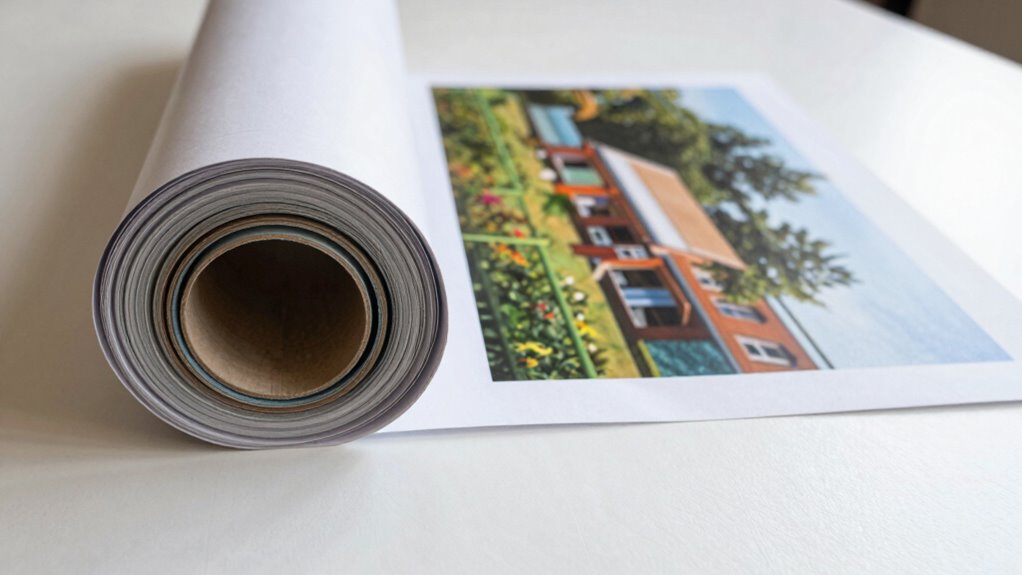

When deciding between rolled and flat shipping for your prints, consider safety, cost, and presentation. Rolled shipping is budget-friendly, easier to handle, and reduces moisture risks, but it can cause creases or dents if not protected properly. Flat shipping keeps your artwork pristine and ready to frame but often costs more and requires sturdier packaging. To learn which option best suits your needs, explore these tradeoffs in detail.

Prime made for students and young adults
- Fast, free delivery for dorm and study essentials
- Prime Video and Amazon Music included
- Member-only deals
Key Takeaways
- Rolled shipping is more cost-effective, lighter, and environmentally friendly but risks creases or damage if improperly handled.
- Flat shipping offers maximum protection and easier framing but involves higher costs, bulkier packaging, and increased handling complexity.
- Rolled shipping minimizes packaging waste and costs but requires careful protection to prevent dents or tears during transit.
- Flat shipping ensures artwork arrives pristine and ready for display, reducing damage risks but demanding precise packing and insurance.
- Choosing between rolled and flat depends on budget, artwork value, framing plans, and environmental considerations.
As an affiliate, we earn on qualifying purchases.
What Are the Main Print Shipping Options?

When it comes to shipping prints, you have two main options: rolled and flat shipping. Rolled shipping involves carefully curling the print into a tube, making it easy to protect during transit and ideal for artists or galleries prioritizing a museum-quality presentation. Flat shipping, on the other hand, keeps the print completely flat, reducing the risk of creases or damage, especially for fragile or valuable pieces. When choosing between these options, consider the significance of maintaining the print’s condition for gallery presentation. Additionally, investing in shipping insurance is essential, regardless of your choice. Insurance helps safeguard your investment against potential damage or loss during transit, ensuring that your prints arrive safely and ready for display. Proper packaging techniques and understanding print preservation are also key to ensuring your artwork arrives in the best possible condition. Using appropriate shipping materials can further prevent damage and preserve the integrity of your prints during transit. Moreover, selecting the right shipping method based on the print’s size and fragility can significantly influence the overall safety and arrival quality. Being aware of handling precautions can also contribute to minimizing risks during transit and unpacking. Incorporating proper cushioning can provide additional protection against shocks and impacts during transit.
flat art print shipping envelopes
As an affiliate, we earn on qualifying purchases.
As an affiliate, we earn on qualifying purchases.
Why Choose Rolled Shipping for Prints?
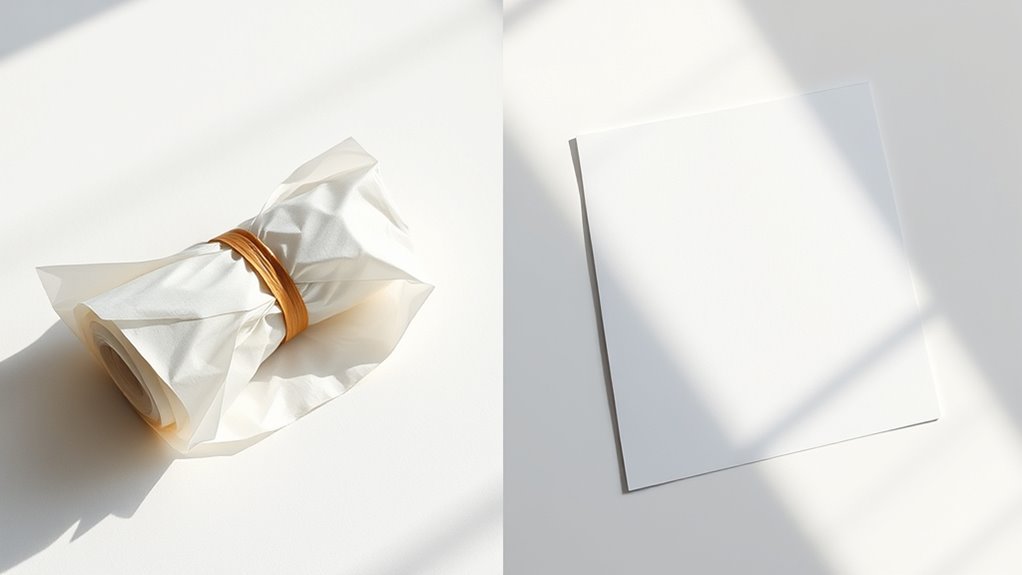
Choosing rolled shipping can save you money on costs and make handling easier. It also lowers the chance of your print getting damaged during transit. Additionally, rolled shipping can help preserve the quality of your prints by reducing creases and scratches. Proper packaging techniques ensure that your prints maintain their integrity throughout the shipping process. Implementing quality control measures can further minimize the risk of damage and ensure your prints arrive in pristine condition. Using smart packaging with protective materials can also provide real-time monitoring of environmental conditions during transit, helping to safeguard your prints. Understanding shipping safety practices can further enhance the protection of your valuable artwork and maintain Color accuracy, which is important for visual fidelity, can be better maintained with proper packaging.
Cost-Effective Shipping Method
Opting for rolled shipping is often the most cost-effective way to send prints, especially if you want to avoid high packaging and handling fees. When you choose rolled shipping, you save money on bulky packaging materials like foam boards or heavy tubes used in flat shipping. This method also aligns with sustainable cloud solutions by reducing waste and material usage. Additionally, using minimal packaging simplifies art handling, reducing labor and time spent on packing. Furthermore, streamlined packaging techniques help minimize shipping costs because the tubes are lighter and more compact. You also avoid the need for extra padding or rigid containers, which can add to expenses. Moreover, cost-efficient packaging techniques contribute to overall savings while maintaining product safety during transit. Incorporating lightweight materials further enhances cost savings and reduces environmental impact, making rolled shipping a smart choice for budget-conscious senders. To ensure the preservation of prints, adopting proper handling techniques is essential during transit and delivery.
Reduced Risk of Damage
Rolled shipping not only saves costs but also considerably reduces the risk of damage during transit. When you opt for rolled shipping, you minimize fragility concerns because prints are less likely to bend, crease, or tear compared to flat packaging. This method provides a protective cylinder that cushions the artwork, lowering the chances of damage from impacts or rough handling. Additionally, rolled shipping often results in less packaging material, which helps reduce the environmental impact. Fewer materials mean less waste and a smaller carbon footprint. If you’re concerned about maintaining print integrity and want to lessen environmental harm, rolled shipping offers a safer, eco-friendlier option. Moreover, using eco-friendly packaging when shipping prints supports sustainability efforts and minimizes ecological impact. The durability of rolled shipping further ensures that prints arrive in pristine condition, even over longer distances or extended handling periods. Furthermore, the protective nature of rolled shipping can help preserve the quality of prints over longer transit distances or extended handling periods, especially when combined with shock-absorbing materials.
As an affiliate, we earn on qualifying purchases.
What Are the Risks of Rolled Shipping?
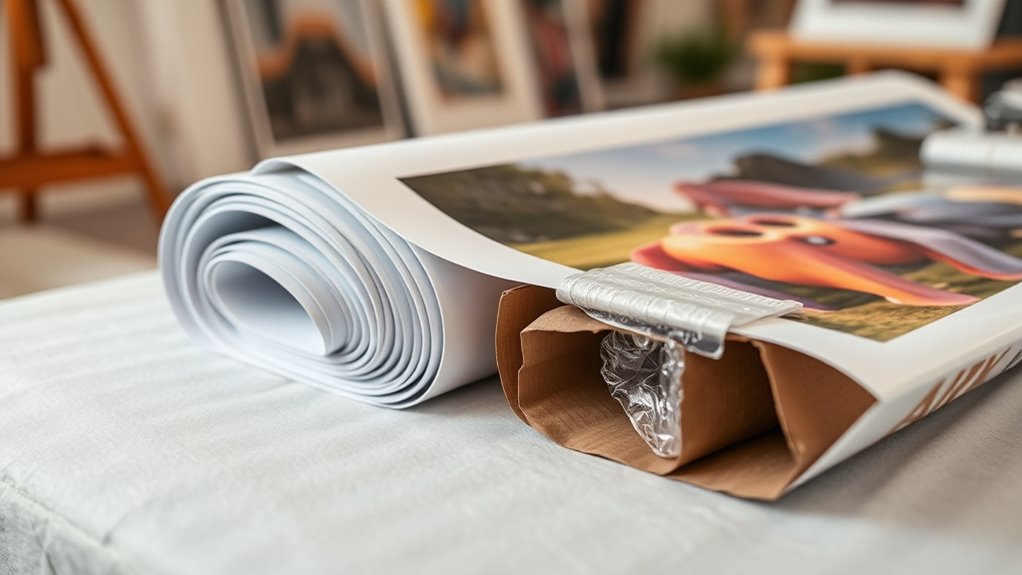
Rolled shipping can pose risks like damage during transit, especially if the artwork isn’t carefully protected. Handling the rolls repeatedly increases the chance of tears or creases, which can ruin your print. Additionally, storing or framing rolled prints often leads to extra effort and potential issues with warping or fitting. Using proper artwork protection] measures during shipping can help mitigate some of these risks.
Damage During Transit
While rolled shipping can be convenient, it also comes with certain risks during transit that you should be aware of. Damage can occur if handling safety isn’t prioritized, especially during loading and unloading. Poor packaging standards may lead to creases, dents, or even tears in the print. If the roll isn’t tightly secured or padded, the artwork can shift or get crushed. Sharp edges, rough handling, or impacts can cause surface damage, compromising the print’s quality. To minimize these risks, ensure that proper packaging standards are followed, including sturdy tubes and protective wrapping. Being vigilant about handling safety and using reliable packaging helps protect your prints from unnecessary damage, ensuring they arrive in perfect condition for framing or display. Additionally, utilizing proper handling techniques can further reduce the likelihood of transit-related damage. Understanding shipping safety protocols can help you choose carriers that prioritize secure transit and reduce the chance of mishandling. Implementing quality control measures before shipping can also ensure that prints are adequately protected and less prone to damage during transit. Furthermore, choosing carriers with a good reputation for shipping safety can significantly reduce the risk of damage during transit. Incorporating standardized packaging practices can further safeguard your artwork throughout the shipping process.
Increased Handling Risks
Shipping prints in rolled form increases the chances of mishandling during transit, which can lead to damage. Without proper handling precautions, the rolled materials may be subjected to bending, creasing, or crushing. If packaging techniques aren’t carefully executed, your prints could arrive with unwanted folds or dents. Proper handling techniques are essential to ensure the safe transit of rolled prints and to prevent damage. To minimize these risks, verify that they’re tightly wound with protective layers like tissue paper or acid-free tissue and secured with sturdy bands. Using appropriate tubes or cores helps maintain shape and prevents accidental punctures. Handling precautions are vital at every step—from packing to transit—to avoid unnecessary pressure or rough handling. Additionally, understanding damage prevention strategies can help further safeguard your prints during shipping. By paying close attention to packaging techniques, you reduce the chances of damage caused by mishandling, ensuring your prints stay in pristine condition upon arrival.
Storage and Framing Issues
If not stored or framed properly, rolled prints are prone to developing creases, warping, or uneven surfaces over time. This risk makes storage considerations critical. Proper framing compatibility is essential; not all rolled prints fit standard frames without adjustments, risking damage or distortion. When storing, avoid humid or direct sunlight environments that can exacerbate warping. Here’s a quick overview:
| Storage Method | Pros | Cons |
|---|---|---|
| Rolled in tubes | Compact, easy transport | Needs careful unrolling, risks creases |
| Flat storage | Preserves surface quality | Bulky, space-consuming |
| Framed | Immediate display, protection | Higher cost, potential framing issues |
Choosing the right method depends on your framing needs and storage space.
protective packaging for artwork
As an affiliate, we earn on qualifying purchases.
As an affiliate, we earn on qualifying purchases.
Why Opt for Flat Shipping When Sending Prints?
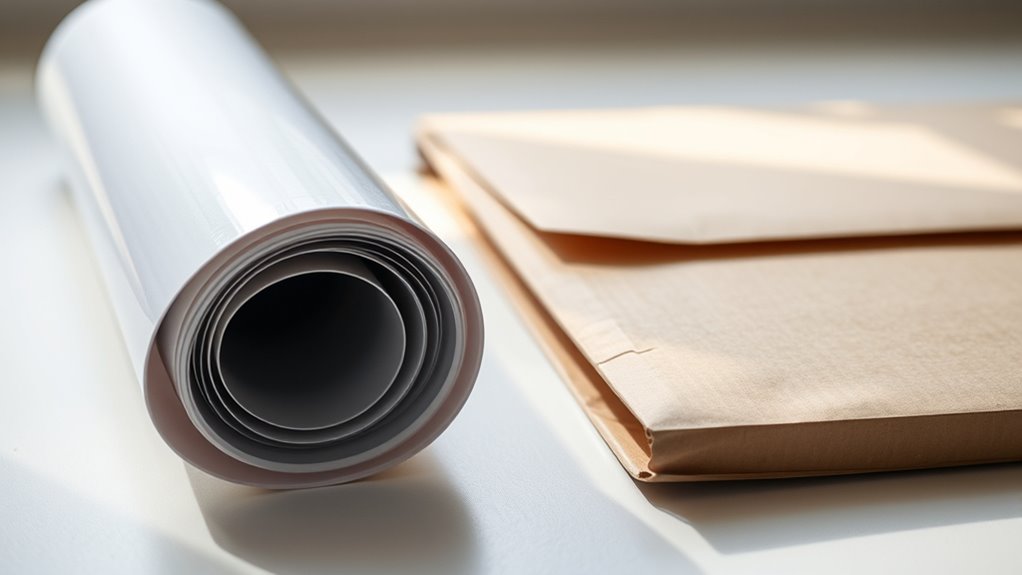
Choosing flat shipping for your prints guarantees they arrive in perfect condition, free from creases or bends. This method preserves the integrity of your artwork, making framing easier and more flexible, as you won’t need to worry about rolling or unrolling.
Flat shipping also reduces the risk of damage during transit, giving you peace of mind. Additionally, many carriers offer shipping insurance when sending prints flat, providing extra protection against loss or damage. This is especially important if your prints are valuable or one-of-a-kind.
Opting for flat shipping ensures your artwork arrives pristine and ready for display or framing, saving you time, effort, and potential costs associated with repairs or replacements. It’s a safer, more reliable choice for high-quality prints.
What Are the Challenges of Flat Shipping?
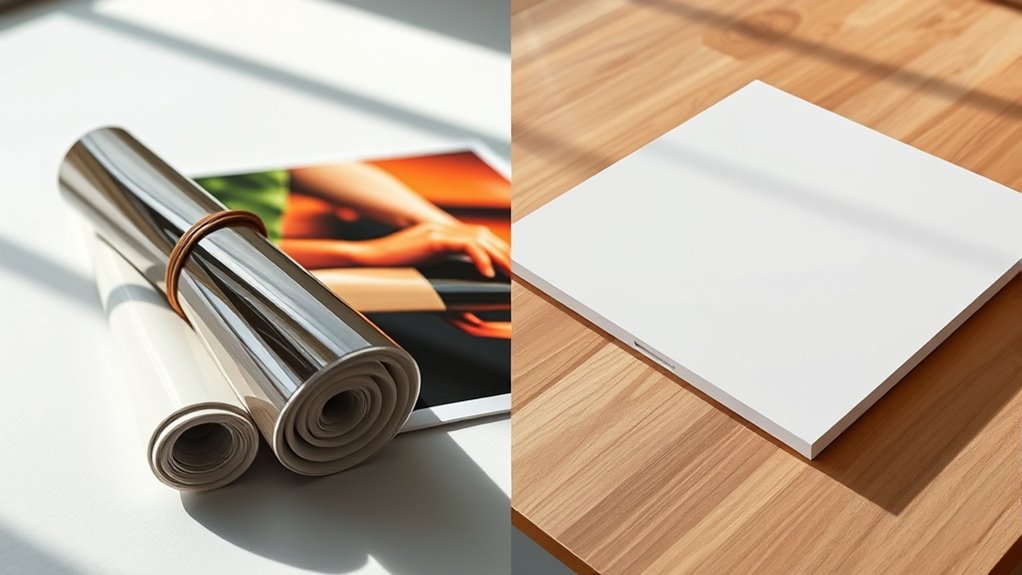
Have you considered the logistical hurdles that come with flat shipping? Proper print packaging is essential to prevent damage during transit, but it can be bulky and difficult to handle.
Flat shipments often require sturdy, custom-sized boxes, increasing costs and complexity. Additionally, flat prints are more vulnerable to creases, tears, or bending, so securing shipping insurance becomes *vital* to protect your investment.
Handling fragile items demands extra care, which can slow down your shipping process and add to expenses. Managing flat shipping logistics also involves more precise measurements and careful packing, making the process less straightforward than rolling prints.
How Do Shipping Costs Compare: Rolled Vs Flat?
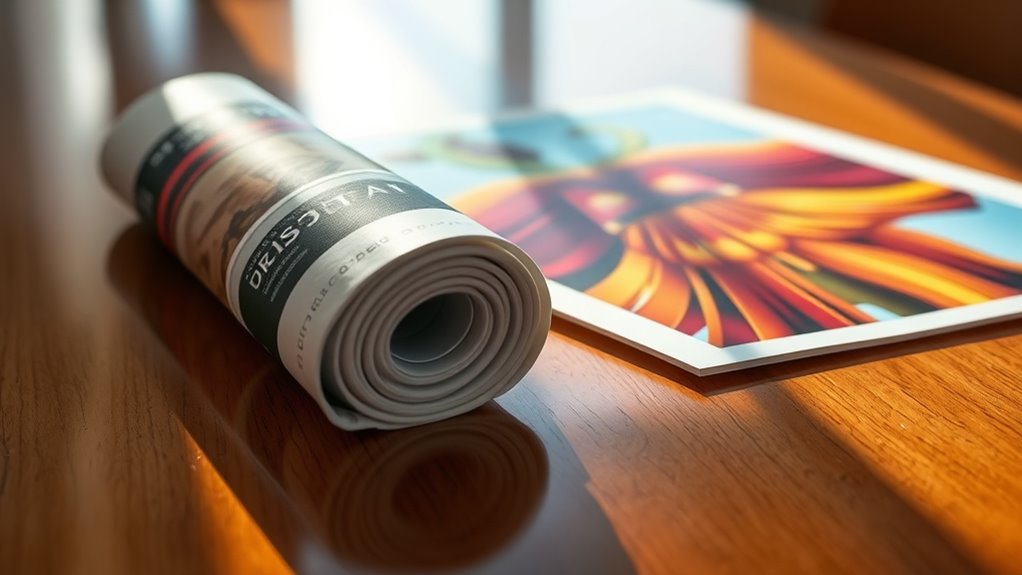
When comparing shipping costs, the method you choose—rolled or flat—can substantially impact your expenses. Rolled shipping often costs less because it requires less packaging and can be more compact, reducing shipping fees.
However, if you opt for flat shipping, you may need additional framing options to protect your print, which can increase overall costs. Shipping insurance is also a factor; rolled shipments might have lower insurance premiums since they’re less prone to damage during transit.
Flat shipping, especially for framed prints, may require higher insurance coverage to protect against potential damages. Ultimately, your choice depends on your budget, the value of your art, and your preferred framing options.
Both methods have pros and cons in terms of costs, so weigh them carefully.
Which Shipping Method Works Best for Your Print Size and Material?
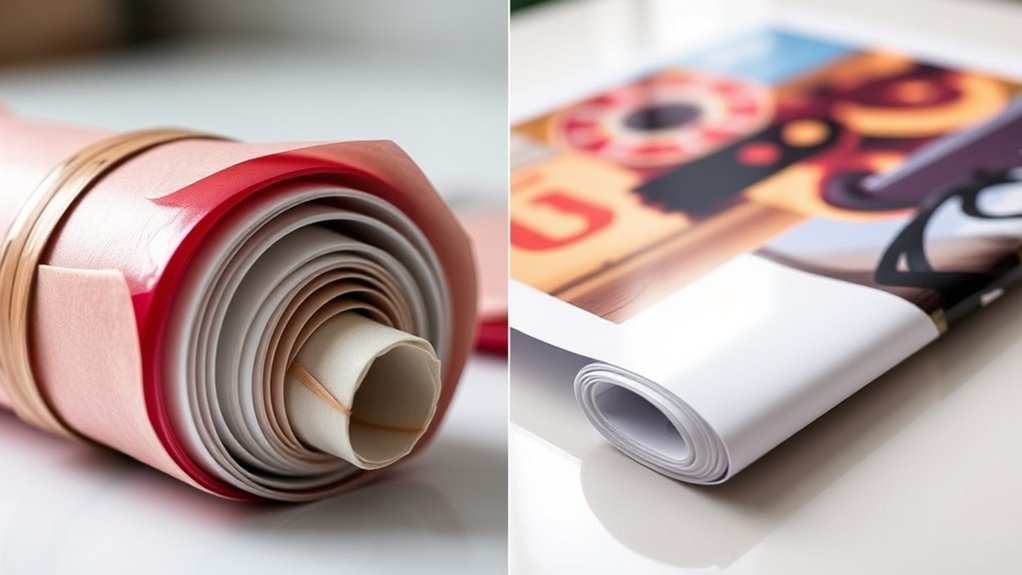
The size and material of your print play a crucial role in determining the most suitable shipping method. Larger or delicate materials benefit from flat shipping with sturdy print packaging to prevent damage. Smaller or flexible prints are often better rolled, saving costs and reducing risks during transit. Consider the need for shipping insurance—larger, valuable prints might warrant additional coverage regardless of method.
| Print Size | Material Type | Recommended Shipping Method |
|---|---|---|
| Large | Canvas | Flat, secure print packaging |
| Medium | Paper | Rolled, lightweight packaging |
| Small | Photographic | Rolled or flat, based on value |
| Oversized | Canvas or Paper | Flat, with extra protection |
| Fragile | Glass or Acrylic | Flat, specialized packaging |
Choosing wisely ensures your artwork arrives intact and protected.
How Does Shipping Affect Your Artwork’s Condition?

Shipping can considerably impact your artwork’s condition, especially if it isn’t properly prepared or protected. The right packaging materials are essential to prevent damage during transit. Using sturdy tubes or flat boxes can reduce the risk of creases, tears, or dents.
Proper packaging also involves padding and wrapping to cushion the print from shocks and vibrations. Your choice of framing options can influence how well the artwork survives shipping; for example, framed prints may need extra protection around the frame, while unframed prints require careful wrapping.
Neglecting these details can lead to scratches, fading, or warping. Ultimately, careful packing and considering suitable framing options help ensure your artwork arrives in pristine condition, preserving its value and visual appeal.
How Do You Decide Between Rolled and Flat Shipping?
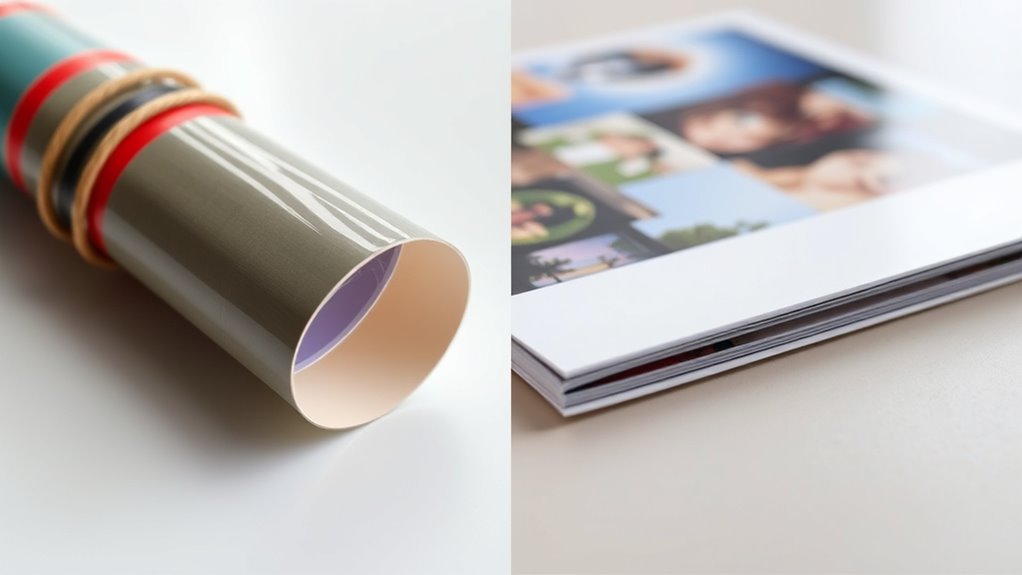
Deciding whether to ship your prints rolled or flat depends on several key factors. First, consider your framing options; if the buyer plans to frame locally, rolled shipping might be more convenient and cost-effective.
Choosing between rolled or flat shipping depends on framing plans and convenience.
Flat shipping offers direct presentation, reducing the need for additional framing. Also, think about shipping insurance—flat shipments typically have a higher value and may require better coverage, but rolled prints are often easier to protect during transit.
Cost is another consideration; flat shipping usually costs more but minimizes the risk of damage. Ultimately, your choice hinges on balancing these factors with your budget, the artwork’s value, and how quickly you want it to arrive.
Making an informed decision helps ensure your prints arrive in pristine condition.
Frequently Asked Questions
How Do International Shipping Regulations Impact Rolled Versus Flat Print Shipping?
When shipping prints internationally, customs clearance and packaging standards heavily influence your choice. Rolled prints often face fewer restrictions, making customs clearance smoother and reducing damage risks in transit.
Flat prints, however, require sturdy packaging that meets strict standards, potentially increasing costs and delays. You should consider these regulations to guarantee your prints pass customs efficiently, avoiding damage or delays, whether you choose rolled or flat shipping methods.
Can Certain Print Materials Be Damaged More Easily With One Method Over the Other?
Certain print materials are more vulnerable depending on the shipping method. For example, delicate or sensitive print materials, like fine art papers, can be damaged more easily with rolled shipping since bending or creasing might occur.
Flat shipping offers better protection for sensitive prints, reducing storage considerations related to warping or deformation. You should consider both print material sensitivity and storage needs when choosing the best shipping method to prevent damage.
What Insurance Options Are Available for Each Shipping Method?
You can choose insurance coverage for both rolled and flat shipping, helping protect your prints against damage or loss. When you file a claim, the process is typically straightforward, requiring photos and proof of value.
For flat shipping, insurers might have more specific policies due to the fragile nature of the prints. But overall, both methods offer options to safeguard your artwork during transit.
How Does the Environmental Impact Differ Between Rolled and Flat Shipping?
You’ll find that flat shipping generally has a higher environmental impact due to its need for more packaging materials, which can increase your carbon footprint.
Conversely, rolled shipping often uses sustainable packaging methods, reducing waste and energy use. By choosing rolled shipping, you support eco-friendly practices, lowering your overall environmental impact.
Opting for minimal packaging and sustainable materials helps further lessen your footprint, making your shipping choices more environmentally responsible.
Are There Specific Print Sizes That Are Impractical for Either Method?
You’ll find that very large prints, typically over 40×60 inches, face print size limitations for flat shipping due to material handling challenges, especially with rigid materials.
Conversely, very small prints might be impractical to roll without damage, depending on material compatibility.
For ideal results, consider the print size limitations and material compatibility of your chosen shipping method, ensuring your artwork arrives intact and in perfect condition.
Conclusion
Ultimately, choosing between rolled and flat shipping depends on your print size, material, and budget. Consider the risks of damage and your willingness to handle potential costs. If you prioritize safety and your artwork’s condition, flat shipping might be better. However, rolled shipping can save you money and reduce some risks for smaller or flexible prints. Weigh these factors carefully to decide the best option that keeps your art safe and your costs manageable.
Fall Picks
fall essentials
As an affiliate, we earn on qualifying purchases.