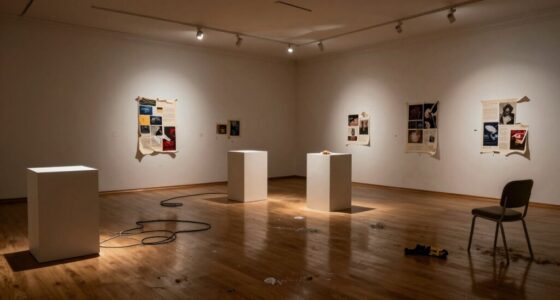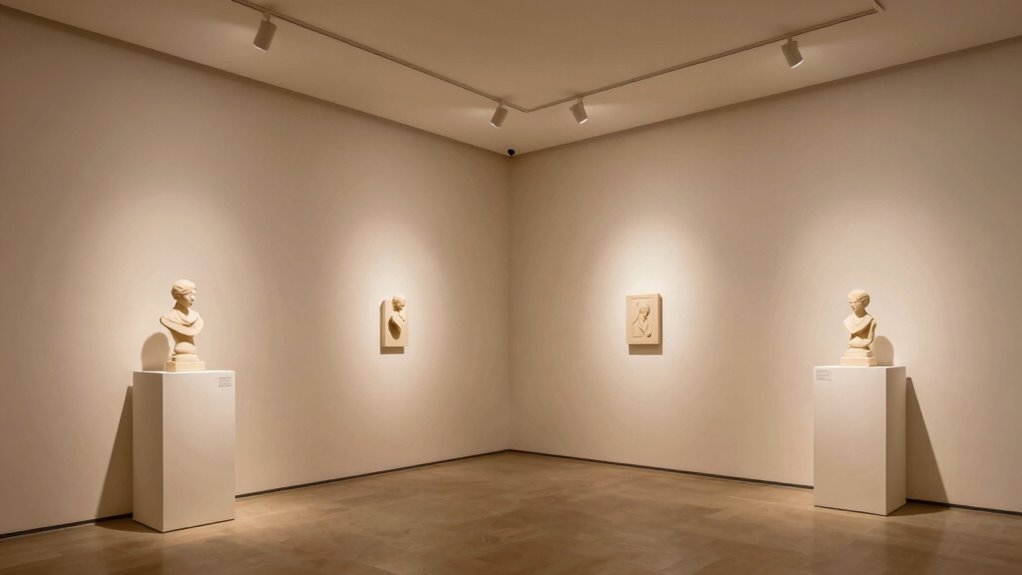

To make your lighting feel museum-like instead of harsh, focus on layered, warm illumination that highlights artwork gently without glare. Use adjustable spotlights to accent specific features, positioning them carefully to avoid shadows or direct line of sight. Combine ambient lighting with indirect methods to soften the overall glow and mimic natural light. Control brightness with dimmers to create a welcoming, balanced environment. Keep exploring for more tips to achieve that authentic, inviting atmosphere.

Get school and study supplies delivered free — and shop member deals
- Fast, free delivery on millions of items
- Access to Prime Big Deal Days deals on October 6–7
- Prime Video, Amazon Music and more included
Key Takeaways
- Use soft, ambient lighting to create a warm, inviting atmosphere that highlights displays without overwhelming them.
- Employ focused spotlights with precise positioning to emphasize specific objects while avoiding glare and harsh shadows.
- Layer ambient and accent lighting to mimic natural light, adding depth and dimension to the space.
- Maintain warm color temperatures (2700K–3000K) and use dimmers for subtle, adjustable illumination.
- Carefully consider fixture placement and indirect lighting techniques for seamless, balanced, and elegant illumination.
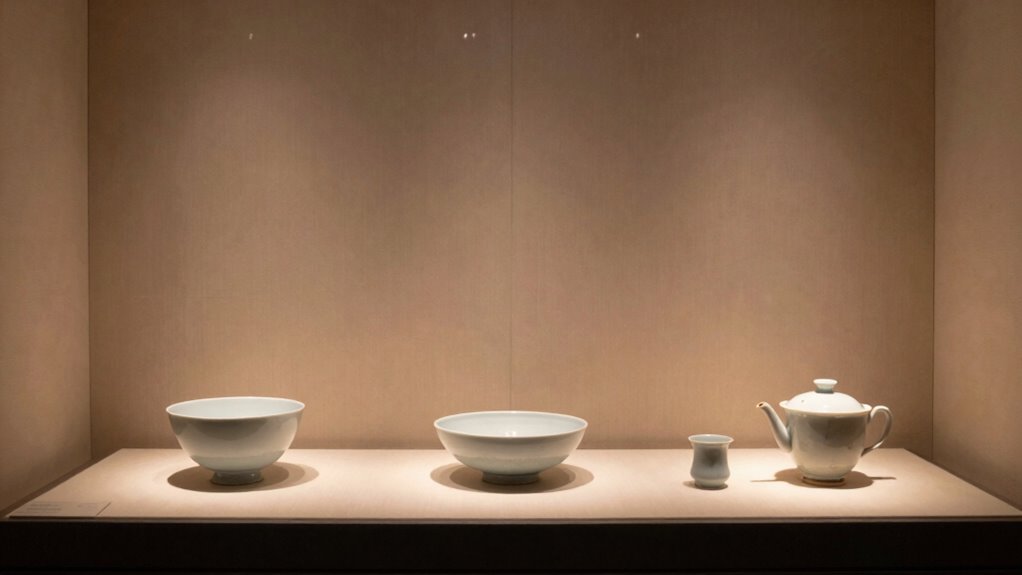
Good lighting can transform any space into an environment that feels as curated and timeless as a museum exhibit. When you aim for a museum-like ambiance, it’s about creating an atmosphere that highlights your displays or artwork without overwhelming them. Instead of harsh, direct light that can cause glare and harsh shadows, you want to achieve an ambient glow that softly envelops the space. This gentle illumination invites viewers to focus on what’s important, whether it’s a piece of artwork, a sculpture, or even a carefully arranged room. Ambient glow helps craft a warm, inviting environment where every detail can be appreciated without the discomfort of overly bright or uneven lighting. To emulate this effect, you should carefully select your lighting fixtures and their placement. Spotlight techniques play a critical role here. Instead of flooding a room with light, use focused spotlights to highlight specific objects or features. These spotlights should be adjustable so you can aim them precisely, creating pools of light that draw attention without causing glare or harsh shadows. The goal is to produce a balanced contrast—bright enough to showcase details but subtle enough to maintain a calm, sophisticated atmosphere. When you combine this with ambient lighting, you create layers of illumination that mimic how natural light gently interacts with a space, making everything feel more authentic and welcoming. Proper lighting design is essential in achieving a harmonious environment that balances illumination and shadow, enhancing the overall ambiance. The key to achieving a museum-like lighting effect is moderation and precision. Use dimmers to control the intensity of your lights, and opt for warm color temperatures that mimic natural light, typically around 2700K to 3000K. This warmth adds to the inviting atmosphere, preventing the space from feeling clinical or sterile. When you position your spotlights carefully, avoid placing them directly in your line of sight. Instead, aim them at walls or ceilings to bounce light around the room, further softening the overall effect and preventing harsh shadows or hotspots. Additionally, considering the lighting angles can significantly influence how shadows are cast and how visual emphasis is distributed throughout the room. Proper light layering can help you achieve a more complex and nuanced effect, adding depth and dimension to your space. Incorporating lighting controls such as timers or smart systems can also help maintain the desired ambiance effortlessly. Finally, pay attention to the details—think about the spacing between fixtures, the angles of your spotlights, and how each layer of light interacts. When done thoughtfully, your lighting will create a seamless, harmonious environment that feels both elegant and accessible. This careful approach to lighting, emphasizing ambient glow and spotlight techniques, ensures your space feels timeless and curated—just like a museum.
adjustable LED spotlight for artwork
As an affiliate, we earn on qualifying purchases.
As an affiliate, we earn on qualifying purchases.
Frequently Asked Questions
How Does Natural Light Influence Museum-Like Lighting?
Natural light influences museum-like lighting by providing natural diffusion, which softens shadows and creates a gentle, inviting atmosphere. You can control daylight effectively with window treatments and shading, preventing harsh glares and UV damage. This balance helps highlight artwork without overwhelming it. By harnessing natural light through daylight control strategies, you achieve a serene, authentic ambiance that enhances viewing experience, making the space feel both welcoming and professionally curated.
What Color Temperatures Are Ideal for Museum Lighting?
You should aim for color temperatures around 3000K to 3500K for museum lighting, as they offer a warm, inviting glow that enhances color rendering without feeling harsh. This range provides balanced light diffusion, reducing glare and shadows while making artwork appear natural and vibrant. By choosing these temperatures, you create a comfortable viewing environment that highlights details and maintains the integrity of the exhibits.
How Can Lighting Be Adjusted for Different Exhibits?
Adjusting lighting for different exhibits is like tuning a musical instrument—you want harmony. You can create an ambient glow around the display to set a gentle mood, while using spotlight focus on key pieces to draw attention. Switch between softer, warmer tones for historical artifacts and brighter, cooler lights for modern art. This balance guarantees each exhibit is highlighted appropriately, enhancing the viewer’s experience without overwhelming or underwhelming.
What Are Common Mistakes in Museum Lighting Design?
You often make mistakes by neglecting artificial ambiance and lighting layering, which are key to museum-like settings. Overusing bright, unfiltered lights creates harshness, while ignoring subtle layers of lighting undermines depth and mood. Avoid unbalanced illumination; instead, blend ambient, accent, and task lighting to craft a soft, inviting atmosphere. Properly controlling light intensity and direction guarantees your exhibits feel curated and authentic, enhancing visitor experience without overwhelming or underwhelming.
How Does Lighting Impact Visitor Perception?
A picture is worth a thousand words, and lighting plays a huge role in shaping visitor perception. You notice how the right lighting ambiance influences your mood, making you feel welcomed and engaged. When lighting is soft and focused, it highlights artwork beautifully, creating a sense of intimacy and wonder. Harsh lighting, on the other hand, can make you feel uncomfortable or distracted. Your experience is shaped by how thoughtfully the space is lit.
warm dimmable ambient lighting fixtures
As an affiliate, we earn on qualifying purchases.
As an affiliate, we earn on qualifying purchases.
Conclusion
To make your lighting feel museum-like instead of harsh, think of it as guiding visitors gently through a gallery—illuminating without overwhelming. Soften your fixtures, control the intensity, and focus on highlighting what matters most. Remember, good lighting is like a whisper rather than a shout, subtly drawing attention and creating a sense of calm. When you master these elements, your space transforms into a tranquil sanctuary where every piece can breathe and shine.
As an affiliate, we earn on qualifying purchases.
As an affiliate, we earn on qualifying purchases.
Halloween Picks
halloween
As an affiliate, we earn on qualifying purchases.