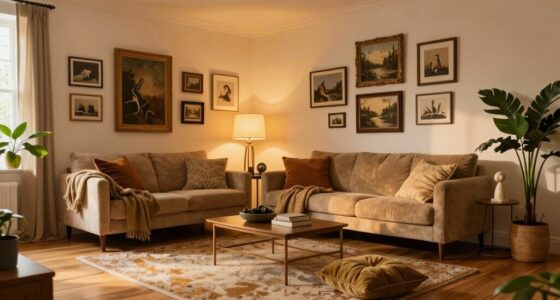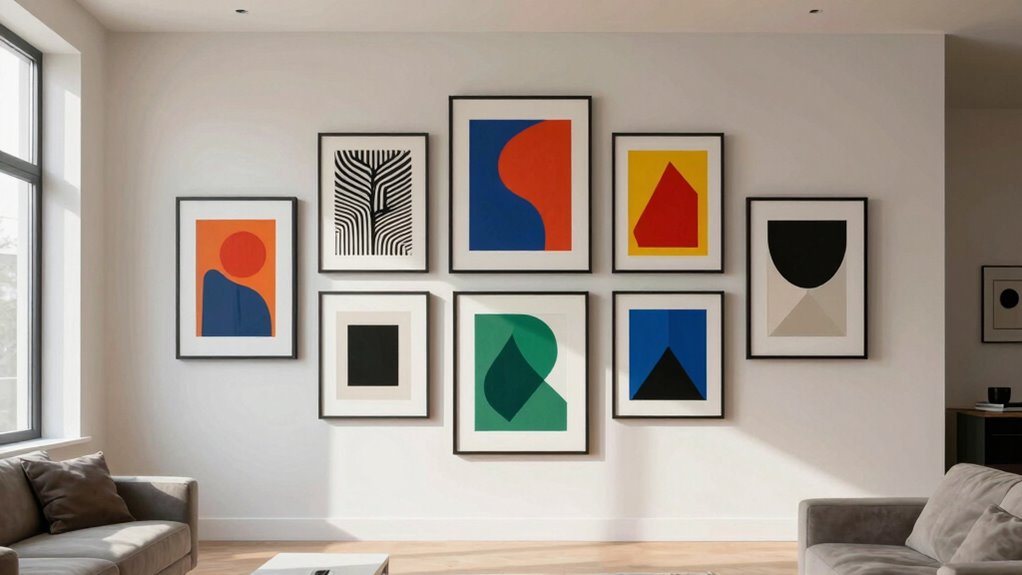

By applying exhibition design principles, you can transform your walls into engaging stories that capture attention and guide viewers effortlessly. Thoughtful wall curation uses lighting, color, and visual hierarchy to highlight key pieces and create a cohesive flow. This approach turns simple displays into memorable experiences, making your space more inviting and impactful. If you want to learn how these strategies can elevate your wall displays further, keep exploring.

Prime made for students and young adults
- Fast, free delivery for dorm and study essentials
- Prime Video and Amazon Music included
- Member-only deals
Key Takeaways
- Applying exhibition design principles enhances visual coherence and storytelling on your walls.
- Effective lighting highlights key pieces and creates mood, improving viewer engagement.
- Strategic color coordination establishes harmony and guides emotional responses.
- Planning visual hierarchy ensures each element receives appropriate attention.
- Integrating lighting and color creates immersive experiences that elevate your curated displays.
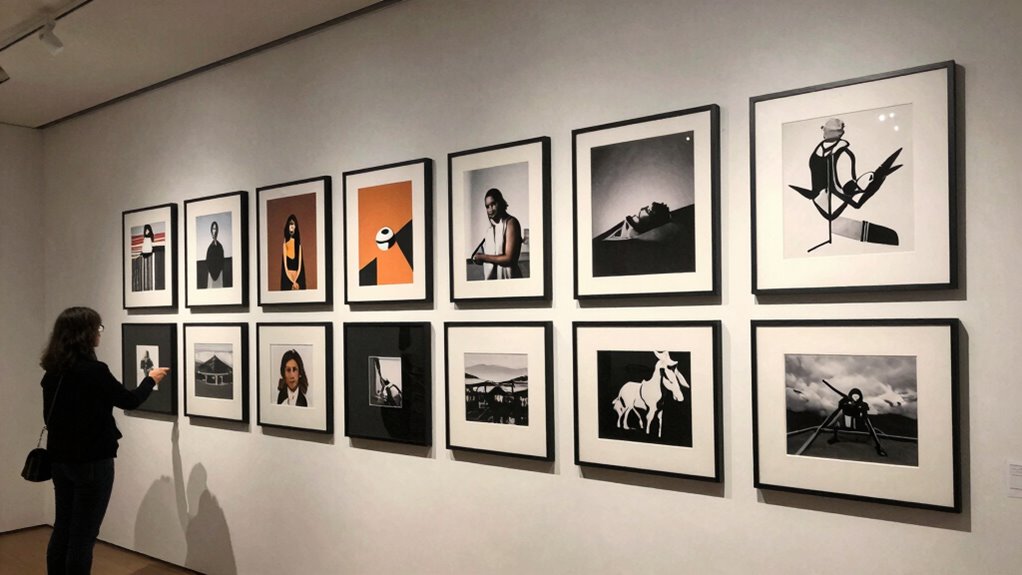
Effective wall curation is essential to creating engaging and coherent exhibitions, yet many curators struggle to balance aesthetics with storytelling. When designing your walls, understanding how lighting techniques and color coordination influence viewer perception can transform a simple display into an alluring experience. Lighting plays a pivotal role in highlighting certain pieces, creating mood, and guiding visitors through your narrative. Instead of relying on harsh, uniform illumination, experiment with layered lighting—such as spotlights, ambient light, and subtle backlighting—to add depth and focus. Position lights thoughtfully to emphasize textures, details, or contrasts within your collection, ensuring that each piece receives the attention it deserves without overwhelming the viewer. Incorporating lighting techniques that create a sense of depth can further enhance the visual impact of your display. Additionally, understanding the principles of visual hierarchy can help you prioritize elements effectively within your curated space. Applying these principles early in the planning process can help you develop a cohesive and impactful presentation, ensuring that viewers’ attention is guided naturally from one focal point to another.
Layer lighting and thoughtful color choices create captivating, cohesive exhibition walls that guide and engage viewers.
Color coordination is equally essential in establishing a harmonious visual flow. When selecting wall colors, consider how they complement or contrast with the artworks or objects you’re displaying. A cohesive color palette can unify disparate pieces, making the entire wall feel intentional and balanced. Conversely, strategic use of contrasting colors can create visual excitement and draw attention to specific elements. You might choose a neutral background to allow vibrant artworks to pop or opt for bold hues if you want to evoke energy or drama. Remember, consistency in color choices helps maintain a seamless narrative, but don’t be afraid to introduce pops of accent colors for emphasis or intrigue. A thoughtful approach to color psychology can also influence how viewers interpret and emotionally respond to your display. Integrating color harmony principles can further refine your choices, creating a more polished and engaging presentation.
Incorporating these techniques into your wall curation elevates your storytelling. For example, subtle lighting can draw viewers’ eyes to a key piece, while complementary wall colors can serve as a backdrop that enhances the artwork’s tone. When you combine thoughtful lighting with deliberate color coordination, you craft an environment that guides visitors naturally from one focal point to the next, creating a cohesive journey rather than a disjointed collection of objects. This approach not only enhances aesthetic appeal but also clarifies your story, making it more memorable.
Ultimately, mastering lighting techniques and color coordination isn’t just about appearance—it’s about shaping the viewer’s experience. When you carefully curate your walls with these tools, you create an immersive space that communicates your intended message powerfully and clearly. Good design helps your collection speak for itself, inviting viewers to explore and connect on a deeper level. By paying attention to these elements, you turn a straightforward display into a compelling narrative that resonates long after the visitor leaves.
As an affiliate, we earn on qualifying purchases.
Frequently Asked Questions
How Does Exhibition Design Influence Personal Wall Aesthetics?
Exhibition design influences your personal wall aesthetics by encouraging you to think about visual harmony and personal expression. It guides you in arranging artwork or decor thoughtfully, balancing colors, shapes, and themes. This process helps you discover what resonates with you, turning your walls into curated spaces that reflect your personality. By applying exhibition principles, you create a cohesive, inspiring environment that feels both intentional and uniquely yours.
Can Exhibition Principles Be Applied to Small or Unconventional Wall Spaces?
Absolutely, you can apply exhibition principles to tiny or odd wall spaces—think of it as fitting a masterpiece into a dollhouse. Use gallery lighting strategically to highlight your favorite items, creating focal points. Emphasize spatial harmony by balancing pieces, even in unconventional spots. It’s all about transforming awkward corners into curated art havens, proving that good design isn’t about size but the clever use of lighting and harmony.
What Are the Cost Implications of Professional Exhibition Design for Home Walls?
Professional exhibition design can be affordable if you do a thorough cost analysis and stick to your budget plan. You might spend more initially, but good design adds value and transforms your wall space. By planning carefully, you avoid unnecessary expenses and prioritize what matters most. Investing in expert advice can save money in the long run, ensuring your home walls look curated, stylish, and professionally finished without overspending.
How Long Does It Typically Take to Redesign a Wall Using Exhibition Strategies?
Think of wall transformation like planting a garden; it takes time to see results. Typically, redesigning a wall using exhibition strategies takes anywhere from a few hours to a couple of days, depending on complexity. A well-planned timeline estimation might be 1-3 days, allowing you to curate thoughtfully and avoid rushed results. Patience guarantees your wall becomes a stunning display, just as careful gardening yields vibrant blooms.
Are There DIY Exhibition Design Tips for Beginners?
Yes, there are DIY decor tips for beginners to enhance their wall displays. Start by choosing a cohesive color palette and mix different textures for visual interest. Use simple frames and arrange artwork or photos in a grid or gallery style for balance. Don’t be afraid to experiment with wall decals or hanging plants. Keep your space uncluttered, and regularly update your decor to keep it fresh and engaging.
wall color samples for art displays
As an affiliate, we earn on qualifying purchases.
As an affiliate, we earn on qualifying purchases.
Conclusion
By embracing exhibition design principles, you can transform your walls into engaging stories that reflect your personality. Did you know that well-curated spaces can boost your mood and even reduce stress? With just a bit of thoughtful planning, you’ll find it easier to showcase your favorite pieces and create a space that truly feels like yours. So go ahead—reimagine your walls and let your unique style shine through every carefully curated detail.
As an affiliate, we earn on qualifying purchases.
As an affiliate, we earn on qualifying purchases.
Fall Picks
fall essentials
As an affiliate, we earn on qualifying purchases.