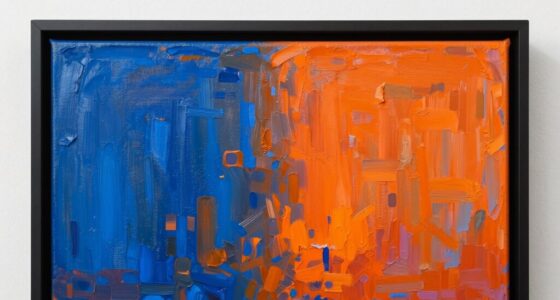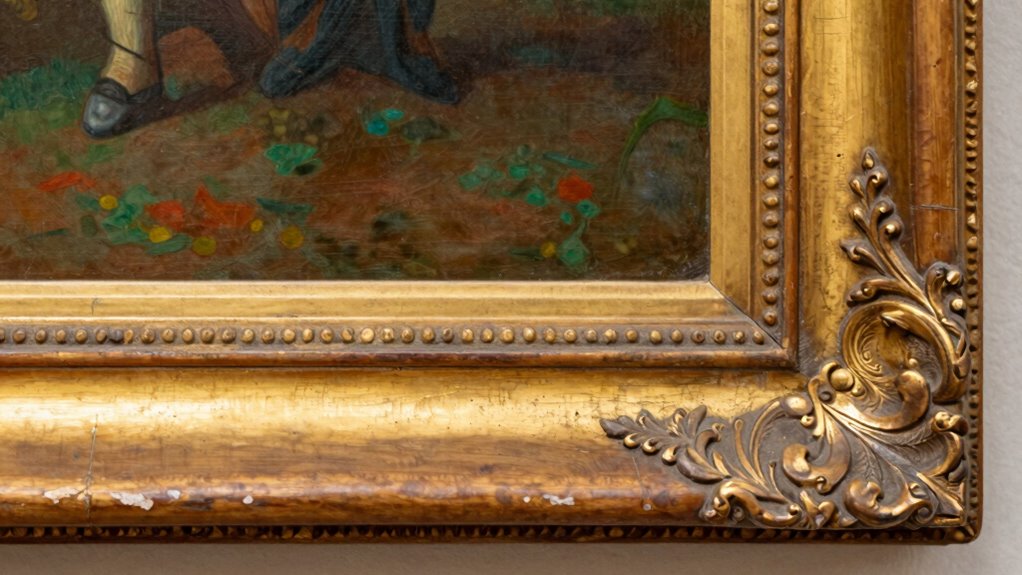
Poor framing choices can make your artwork look older because cheap or non-archival materials may introduce acids and lignins that cause deterioration over time. Frames made with low-quality or non-protective glass fail to block UV rays and pollutants, speeding up fading and damage. Improper handling, fluctuating temperatures, and environmental factors can also accelerate aging. If you want to learn how to preserve your artwork and avoid these mistakes, there’s more to discover below.

Get school and study supplies delivered free — and shop member deals
- Fast, free delivery on millions of items
- Access to Prime Big Deal Days deals on October 6–7
- Prime Video, Amazon Music and more included
Key Takeaways
- Using cheap glass without UV protection allows harmful rays to fade the artwork faster than necessary.
- Acidic or non-archival matting can cause chemical deterioration, aging the frame more quickly than the artwork.
- Poor framing materials or techniques may expose the artwork to environmental damage, accelerating aging.
- Inadequate environmental controls like fluctuating temperatures can cause the frame to deteriorate faster.
- Exposure to direct sunlight and pollutants can damage the frame more rapidly than the protected artwork itself.
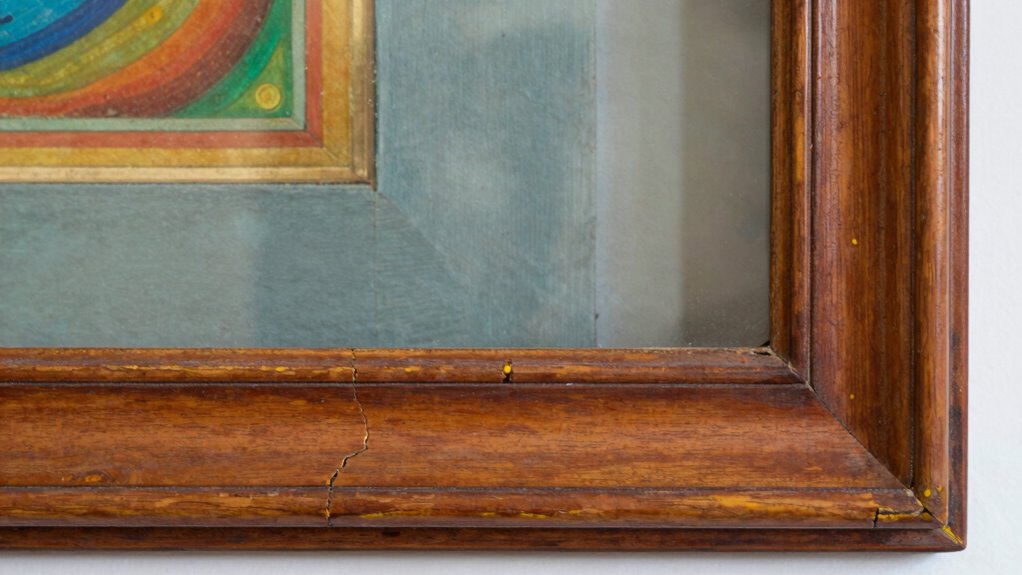
Choosing the right frame for your artwork can substantially influence how it ages over time. When selecting a frame, many people focus on the style or color, but the materials you choose play an essential role in preserving your piece. High-quality glass, for instance, can prevent damage caused by UV rays and environmental pollutants, which are major contributors to deterioration. Cheap or poorly made glass often lacks UV protection, allowing harmful rays to seep through and fade colors or weaken paper and canvas over the years. Opting for high-quality glass, such as museum-grade or UV-protective options, offers a shield that slows down aging, keeping your artwork looking vibrant much longer.
Matting materials also greatly impact how your artwork ages. Standard or acidic matting can introduce acids and lignins that slowly eat away at the paper or canvas it surrounds. Over time, this can cause discoloration, brittleness, and even deterioration of the artwork itself. Choosing acid-free, archival-quality matting materials ensures that no harmful acids will migrate onto the artwork. These materials are designed to be inert, preventing chemical reactions that accelerate aging. When you select the right matting, you’re not just enhancing the presentation but also safeguarding your piece from long-term damage. Proper artwork preservation practices are essential to ensure your investment remains vibrant and intact over the years. Additionally, selecting archival-quality materials can further improve the longevity of your framed art.
Beyond the materials themselves, the way you handle and maintain your framed art matters a lot. Even with the best glass and matting, exposing your artwork to direct sunlight or fluctuating temperatures can hasten aging. The frame acts as the first line of defense, but it depends on the quality of the materials inside. A poorly chosen frame or cheap materials can give the impression of neglect and cause your artwork to look older than it is. Conversely, investing in quality materials and proper framing techniques can considerably extend the lifespan of your artwork, maintaining its original appearance for decades. Regular maintenance and careful handling are crucial to protect your investment from environmental damage and prolong its life. Additionally, understanding the impact of environmental factors on artwork aging can help you make more informed preservation choices. Incorporating climate control measures can further help to mitigate the effects of environmental fluctuations on your framed art.
As an affiliate, we earn on qualifying purchases.
Frequently Asked Questions
How Does Framing Material Affect the Artwork’s Longevity?
Your framing material substantially impacts your artwork’s longevity. Choosing the right framing color can prevent color bleeding or fading, especially if it’s light or dark. The backing board material also matters; acid-free options protect your art from deterioration over time. By selecting appropriate framing colors and backing boards, you guarantee your artwork stays vibrant and intact longer, reducing the risk of damage caused by environmental factors.
Can Framing Techniques Influence the Artwork’s Exposure to Environmental Damage?
Yes, your framing techniques can influence the artwork’s exposure to environmental damage. A well-thought-out frame design creates a barrier against dust, pollutants, and humidity, reducing deterioration. Using protective glazing and sealing edges minimizes environmental impact, while choosing materials that resist moisture and UV rays further safeguards your piece. Proper framing choices help preserve your artwork’s appearance and prevent faster aging caused by environmental factors.
Do Different Frame Styles Impact How Quickly Artwork Ages?
Yes, different frame styles impact how quickly artwork ages. For example, matting styles can influence moisture buildup, which may accelerate deterioration, while frame colors might affect light absorption, leading to faster fading. Darker frames absorb more heat and light, potentially speeding up aging. You should choose frames thoughtfully, considering materials and design, to help preserve your artwork’s quality and extend its lifespan.
How Often Should Framed Artwork Be Inspected for Deterioration?
You should inspect your framed artwork at least once a year for deterioration. Pay close attention to framing aesthetics, ensuring the frame and mat are intact, and check for signs of damage or discoloration. Also, regularly evaluate display lighting, as excessive or harsh light can accelerate aging. Frequent inspections help you spot issues early, allowing you to preserve your artwork’s beauty and prevent further damage.
What Role Does Glass Type Play in Artwork Preservation?
You might think glass isn’t essential for preservation, but it plays a critical role. Using glass with UV protection and archival quality helps shield your artwork from harmful light and environmental damage. This prevents fading, discoloration, and deterioration over time. Even if you’re cautious, choosing the right glass guarantees your artwork stays vibrant longer. So, prioritize UV protection glass to maintain your piece’s beauty and longevity effectively.
As an affiliate, we earn on qualifying purchases.
Conclusion
So, next time you choose a frame, remember it might age faster than your artwork—an ironic twist of fate. It’s almost like the framing’s secret mission is to outlast what it holds, making you wonder if your choice was truly in your control. Sometimes, coincidence seems to play a bigger role than we realize, turning simple decisions into unexpected chapters of your art’s story. Keep that in mind when you’re framing your next masterpiece.
As an affiliate, we earn on qualifying purchases.
As an affiliate, we earn on qualifying purchases.
Halloween Picks
halloween
As an affiliate, we earn on qualifying purchases.