
Using precise and standardized vocabulary in condition reports is essential because it guarantees clear communication and reduces misunderstandings among conservators, collectors, and appraisers. Specific terms for surface textures, damages, restorations, and support issues help accurately document an artwork’s condition. Consistent language improves record-keeping and informs conservation decisions effectively. If you want to master the words that make your condition reports impactful, there’s more to discover that will elevate your documentation skills.
Key Takeaways
- Use standardized, specific terminology to ensure clear, consistent descriptions of artwork conditions and damages.
- Employ precise language for surface textures, damage types, and restoration details to reduce misinterpretation.
- Clearly identify structural issues, stability concerns, and past interventions with detailed, unambiguous descriptions.
- Incorporate consistent phrases for conservation recommendations to streamline communication and decision-making.
- Document environmental influences and deterioration patterns accurately to support ongoing preservation and evaluation.
Why Precise Language Matters in Condition Reports
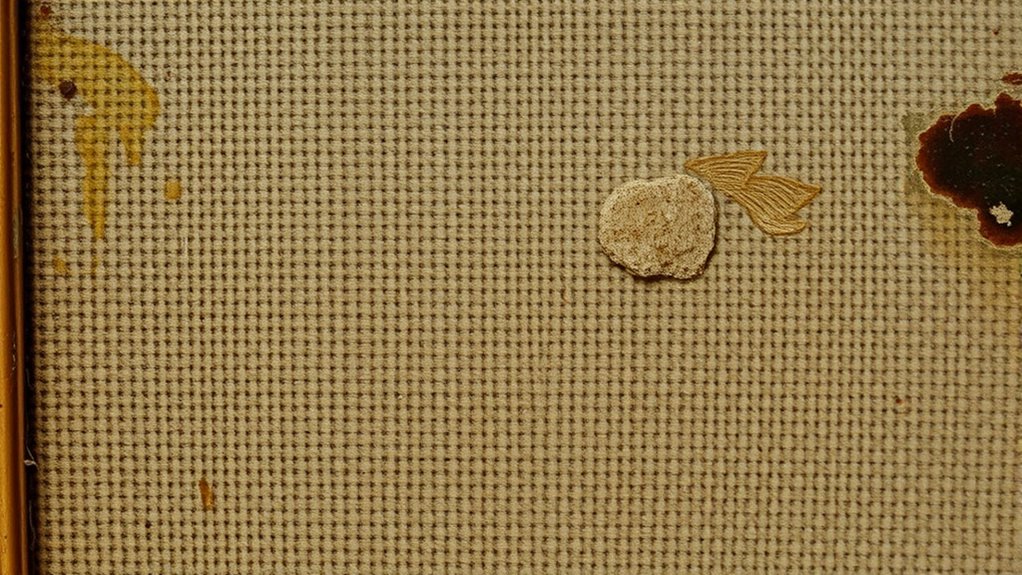
Precise language is essential in condition reports because it guarantees everyone understands the exact state of an artwork. Using accurate technical jargon ensures clarity, reducing the risk of misinterpretation among conservators, collectors, and appraisers. When you describe a crack as a “delaminated line with a width of 0.5 cm,” instead of just “a crack,” you convey specific details that inform decision-making. In addition, understanding key concepts like net worth can help contextualize an item’s value and significance within the broader scope of art and collectible assessments. Recognizing and accurately describing visual characteristics such as texture, gloss, and color saturation is crucial, as these elements directly impact the artwork’s condition and authenticity. Incorporating standardized terminology minimizes ambiguity, facilitating effective communication. Furthermore, consistent use of technical descriptions supports accurate record-keeping and comparison over time. Moreover, leveraging artificial intelligence tools can assist in identifying subtle condition changes over time, enhancing the accuracy of reports. Precise terminology also aids in documenting changes over time, which is vital for ongoing conservation efforts. Ultimately, your choice of words shapes the understanding and valuation of the piece, making accuracy the cornerstone of a trustworthy condition report.
How to Describe Surface Conditions Clearly

When describing surface conditions, focus on evaluating textures like smoothness or roughness. Make sure to note any damage patterns, such as scratches or chips, clearly and specifically. Precise descriptions help guarantee others understand the true condition without guesswork. Incorporating standardized condition report vocabulary can further enhance clarity and consistency in your descriptions. Additionally, understanding surface assessment techniques can aid in providing more accurate evaluations of a rug’s condition. Developing an eye for surface irregularities can also improve your ability to identify subtle issues that might otherwise go unnoticed, especially when you are familiar with common wear patterns and their typical signs. Recognizing material deterioration is crucial for assessing the overall integrity of the surface.
Assessing Surface Textures
Evaluating surface textures requires careful observation and clear description of the physical condition. You should assess surface gloss, noting areas that are shiny, dull, or uneven. Tactile impressions help identify textures like smoothness, roughness, or abrasiveness. When describing, use precise terms to convey your findings accurately. To aid clarity, consider this table:
| Surface Condition | Description | Keywords |
|---|---|---|
| Glossy | Highly reflective, shiny | Surface gloss |
| Matte | Dull, non-reflective | Tactile impressions |
| Textured | Visible patterns or rough | Surface irregularities |
This structured approach ensures your condition report communicates surface textures unambiguously, avoiding ambiguity and enhancing understanding. Recognizing different surface conditions can also help in assessing surface durability, ensuring that the materials selected are appropriate for their intended use. Understanding the physical state of a surface can also inform maintenance and repair strategies, prolonging the lifespan of your truck bed or other surfaces. Paying attention to surface textures can also be crucial in preventing deterioration, helping maintain surface integrity over time. Incorporating consistent terminology enhances communication and can streamline repair assessments and decision-making processes.
Noting Damage Patterns
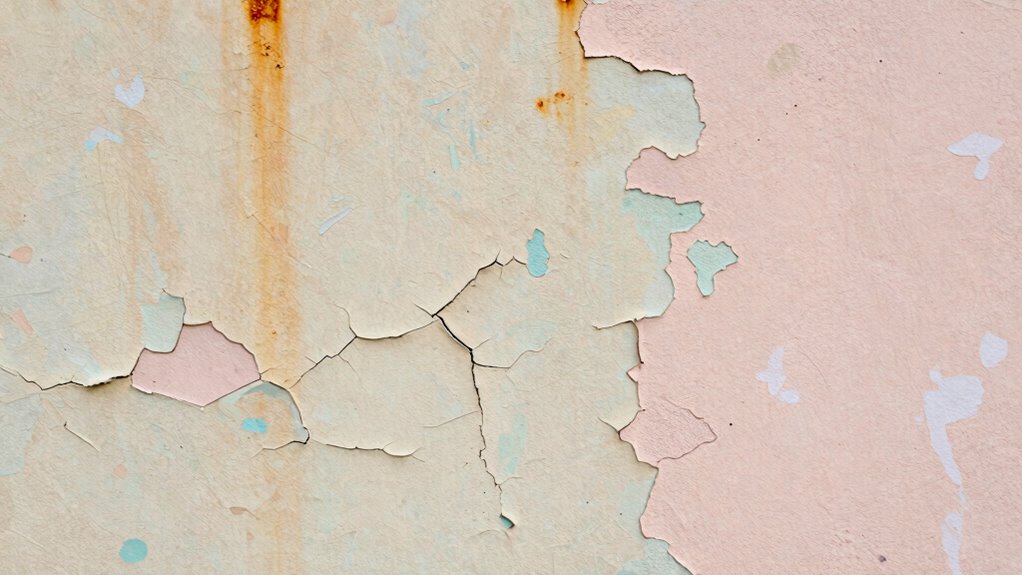
To describe surface damage patterns clearly, focus on observing the specific types and locations of the damage. Notice color variations, such as fading, darkening, or uneven patches, which can indicate exposure or aging. Recognize surface finishes and how they interact with damage patterns, as this can influence repair strategies. Pay attention to material deterioration signs like cracking, peeling, or flaking, especially around edges or high-stress areas. Record whether damage is localized or spread across a surface, noting any patterns that suggest underlying causes. For example, streaks or concentric rings may point to water intrusion, while abrasions could result from handling. Additionally, understanding paint thinning can aid in assessing the extent and type of surface damage. Recognizing damage patterns and their causes allows for more accurate condition assessments. Staying aware of damage progression helps predict future deterioration and plan appropriate interventions. Incorporating knowledge of appliance testing can also be useful when evaluating damage caused by environmental or operational factors. Precise descriptions of these damage patterns help convey the surface’s condition accurately and facilitate decisions about conservation or repair. Clear documentation of damage patterns ensures consistency and understanding in condition reports.
Talking About Damage and Repairs in Condition Reports
Talking About Damage and Repairs in Condition Reports
When describing damage and repairs, focus on clearly identifying surface issues like scratches or stains. Make certain to note any structural repairs, such as reinforced joints or patched areas, with specific details. Being precise helps ensure the report accurately reflects the item’s condition for future reference. Additionally, mentioning any herbal tea treatments or restorative techniques used can provide a more comprehensive understanding of the item’s history and care. Including details about repair quality can also help assess the durability and longevity of the restoration work. Recognizing material integrity is essential for evaluating how well the repairs have maintained the item’s overall stability. Proper documentation of restoration methods ensures future assessments can determine the effectiveness of the repair work. Understanding the thermal behavior of materials involved can further inform the assessment of how repairs might perform under different conditions.
Describing Surface Damage
Have you ever noticed surface scratches, abrasions, or discoloration on an object? These are common surface damages you might see in a condition report. Surface discoloration often appears as uneven fading or staining, indicating exposure to light, moisture, or aging. Surface contamination, like dirt, dust, or residue, can also dull the appearance and obscure details. When describing these issues, specify if discoloration is localized or widespread, and note any surface contamination that affects the object’s visual integrity. Use clear, precise terms to convey the extent and nature of the damage. Understanding art care principles helps ensure accurate and effective documentation. Additionally, recognizing surface deterioration factors allows for better assessment of the object’s overall condition. Accurate descriptions help others understand the condition without ambiguity, ensuring repairs or conservation efforts are appropriately planned and executed.
Noting Structural Repairs
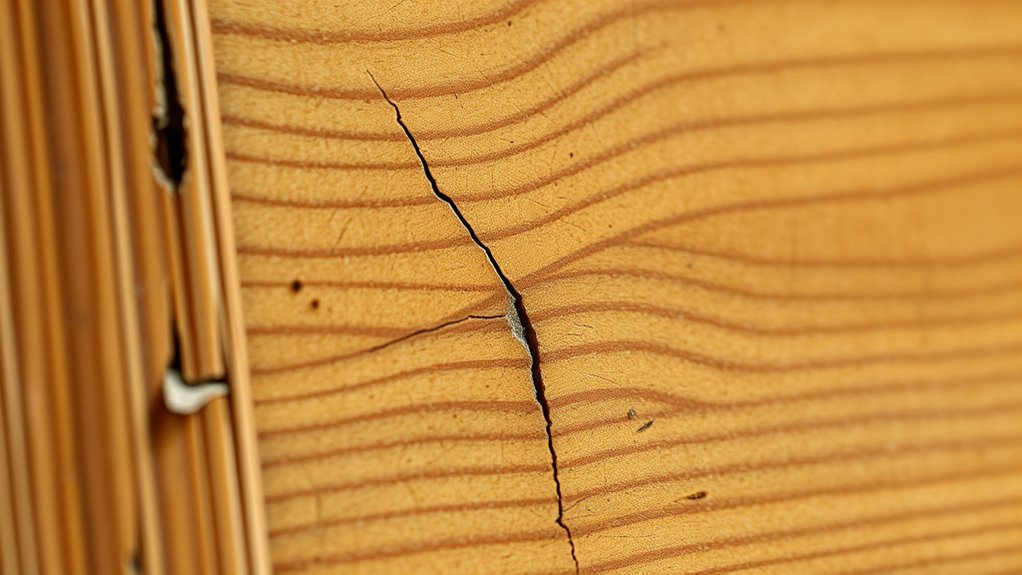
Structural repairs are essential for maintaining an object’s integrity and ensuring its stability. When noting repairs, specify if the wooden framework has been reinforced or replaced, as this impacts the piece’s support system. Check for any visible signs of new joints, patches, or adhesives used to mend cracks or breaks.
Metal supports may have been added or upgraded to strengthen weak points, so document their presence and condition. Be precise about the location of repairs—such as along the base, corners, or load-bearing areas—and describe any differences in material or finish.
Clear descriptions help future conservators understand previous interventions and the object’s current stability. Use specific vocabulary to accurately convey the extent and nature of the structural repairs undertaken.
Explaining Surface Dirt, Contaminants, and Accretions
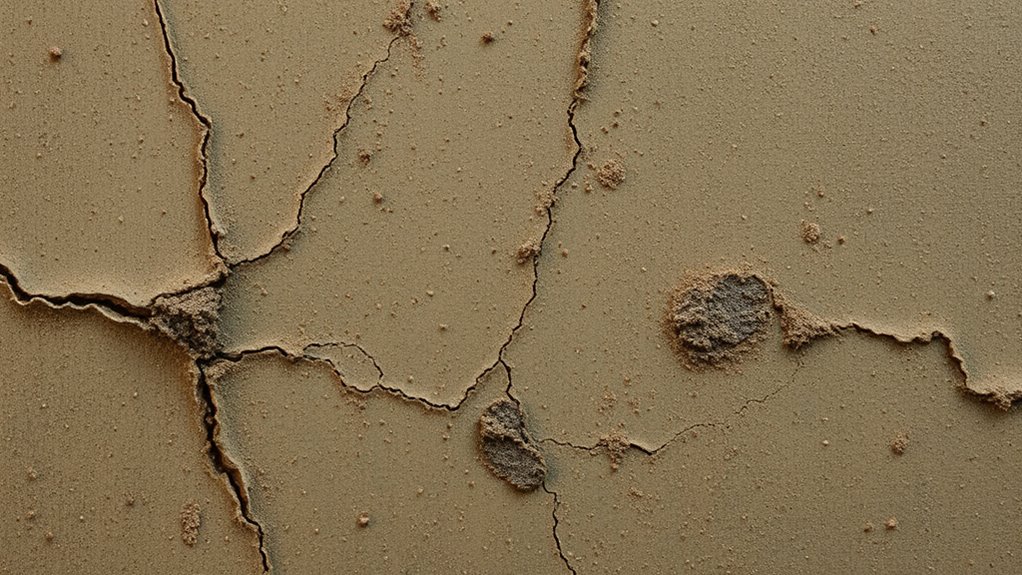
What exactly are surface dirt, contaminants, and accretions, and how do they affect an artwork’s condition? Surface dirt includes dust, grime, and fingerprints that settle on the surface over time, dulling the artwork’s appearance.
Surface contaminants are substances like oils, pollutants, or residues from previous restorations that can cause discoloration or chemical reactions.
Accretions are layers of materials such as mold, wax, or varnish buildup that develop on top of the original surface. These elements obscure details, alter colors, and can accelerate deterioration if left untreated.
Recognizing surface dirt and contaminants is essential for accurate condition assessment. Removing or managing these layers improves visual clarity, preserves the artwork’s integrity, and prevents further damage, ensuring the piece retains its intended aesthetic and historical value.
Assessing Structural Support and Stability
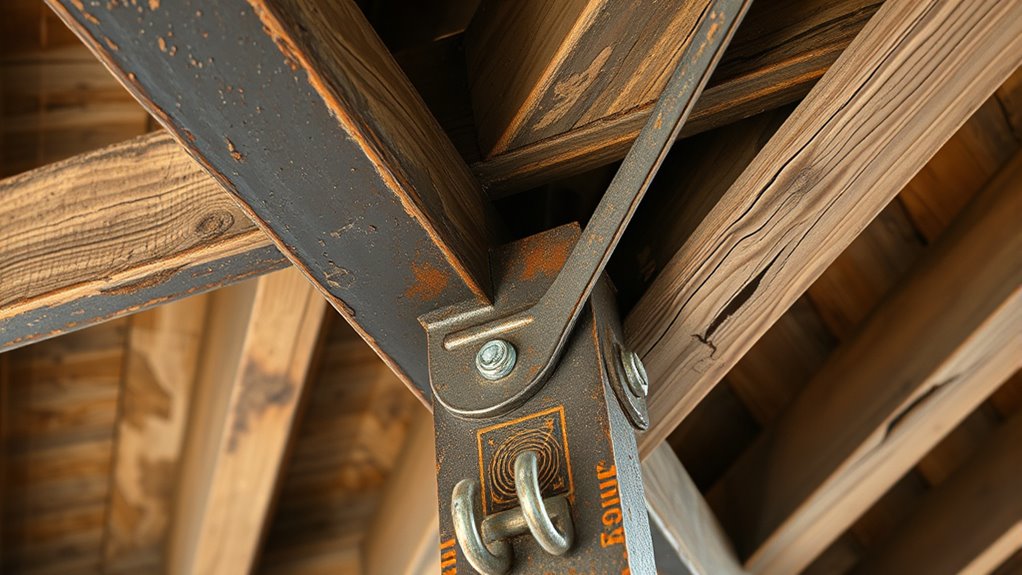
Evaluating the support and stability of an artwork is a critical step in condition evaluation because these factors directly influence its long-term preservation.
Assessing an artwork’s support and stability is essential for its long-term preservation.
You should focus on the foundational stability, ensuring the base remains secure and even. Conduct a load bearing assessment to determine if the structure can support the weight without stress or deformation.
Look for signs of weakness, such as cracks, warping, or shifts in the support system. Proper assessment involves inspecting joints, supports, and mounting points to identify any deterioration or instability.
Addressing issues early helps prevent further damage and ensures the artwork remains secure.
Reporting Past Restorations and Interventions
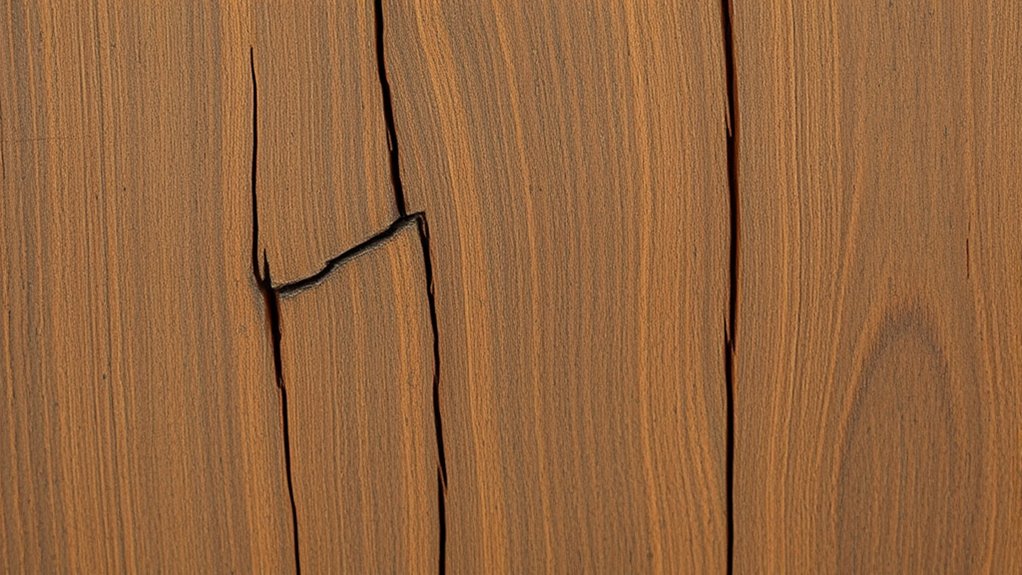
When documenting an artwork’s condition, it’s essential to record any past restorations and interventions thoroughly. Use precise restoration terminology to describe previous treatments, such as “cleaning,” “retouching,” or “relining,” to guarantee clarity.
Intervention documentation should detail the scope, materials used, and the techniques applied during past restorations. Note any visible signs of previous repairs, like fills, inpainting, or added supports.
Accurately recording these details provides a clear history of interventions, helping future conservators understand the artwork’s condition and treatment history. Avoid vague language; instead, be specific about what was done and how it was executed.
Proper documentation of past restorations ensures transparency and aids in planning further conservation efforts.
Using Standard Phrases to Recommend Conservation Actions

Using standard phrases to recommend conservation actions guarantees clear communication and consistency in documentation.
Using standard phrases ensures clear, consistent communication in conservation documentation.
By employing established restoration terminology, you ensure that conservation recommendations are precise and universally understood. Phrases like “recommend stabilization,” “suggest cleaning,” or “advise consolidation” provide clarity on the specific actions needed.
Consistent use of these phrases helps prevent misunderstandings among conservators, curators, and other stakeholders. It also streamlines documentation, making future assessments easier.
When writing conservation recommendations, stick to concise, active language that directly states the suggested intervention. Avoid vague or ambiguous wording.
This approach not only enhances the accuracy of the condition report but also supports effective decision-making, ensuring that conservation efforts are implemented correctly and efficiently.
Describing Losses and Missing Parts Accurately
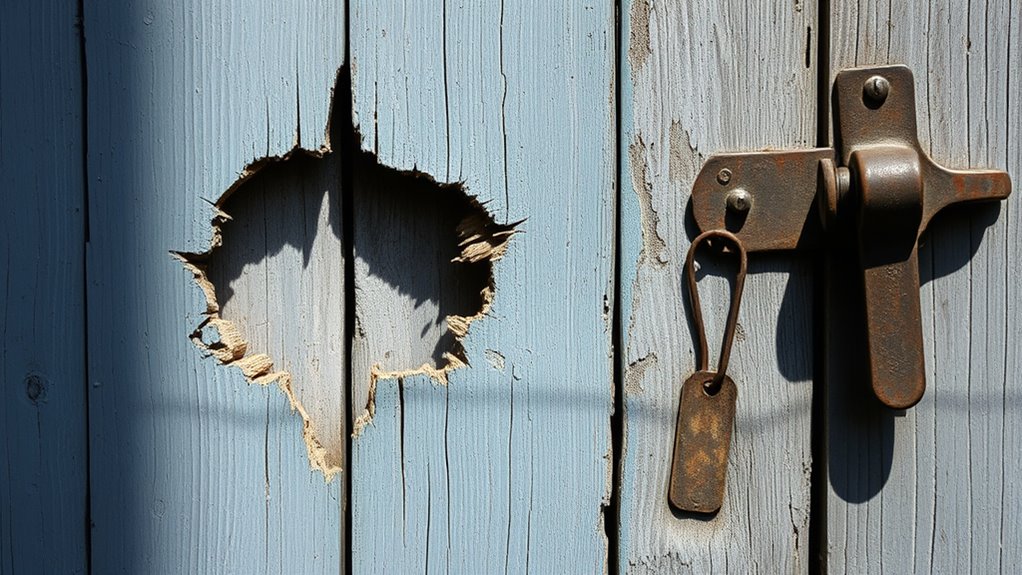
Accurately describing losses and missing parts is crucial for clear documentation and effective conservation planning. When noting missing fragments, be specific about their location and size, such as “a 2cm chip on the upper left corner.”
For incomplete features, describe what remains and what’s absent, like “a heavily worn inscription with missing letters.” Use precise language to avoid ambiguity, guaranteeing others understand the extent of damage. Avoid vague terms like “partly missing” and instead specify what’s missing or damaged.
This clarity helps conservators determine appropriate treatments and track changes over time. Documenting missing fragments and incomplete features with accuracy preserves the artifact’s history and ensures future interventions are well-informed.
Your detailed descriptions are essential for maintaining the integrity of the object’s condition record.
How to Convey Color, Finish, and Texture Clearly
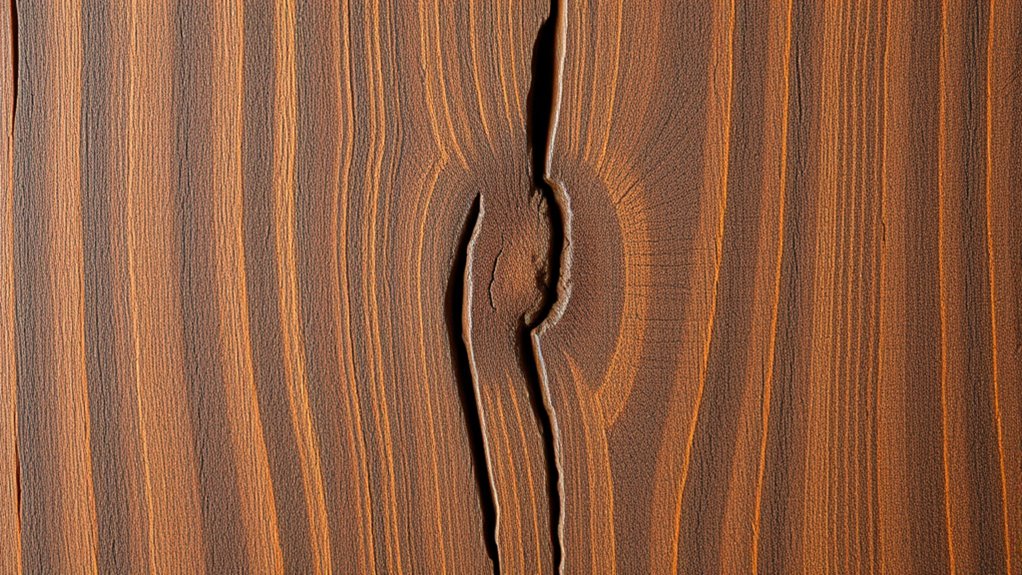
Conveying color, finish, and texture clearly is essential for documenting an object’s appearance accurately. To guarantee precise descriptions, focus on color differentiation by specifying hues, saturation, and any variations.
Use specific finish descriptions, such as matte, glossy, or satin, to communicate surface qualities. When describing texture, note whether it’s smooth, rough, embossed, or layered, providing enough detail to differentiate it from similar surfaces.
Use precise finish terms like matte, glossy, or satin and detail textures such as smooth, rough, or embossed for clarity.
Avoid vague terms like “light” or “dark” without context; instead, describe the actual shades and tones. Combining detailed color differentiation with clear finish descriptions helps create an accurate visual record.
This clarity ensures anyone reviewing the report understands the object’s appearance without ambiguity, making your condition report more reliable and professional.
Frequently Asked Questions
How Does Vocabulary Impact the Legal Valuation of Artworks?
Your vocabulary directly impacts the legal valuation of artworks by shaping the clarity and accuracy of an artwork appraisal. Precise language ensures legal documentation is thorough and unambiguous, reducing disputes and providing a solid foundation for valuation.
When you use the right words, you help establish provenance, authenticity, and condition, all vital factors in legal contexts. This precise communication ultimately influences the artwork’s value and legal standing.
What Are Common Pitfalls in Using Technical Jargon?
Using technical jargon can lead you into pitfalls like relying on artificial jargon that sounds impressive but lacks clarity.
Ambiguous terminology often causes misunderstandings, making your descriptions less precise. You might assume others interpret terms the same way, but this can result in miscommunication.
To avoid these issues, stick to clear, straightforward language, ensuring everyone understands your condition report without confusion or unnecessary complexity.
How Can Condition Report Language Prevent Future Damage?
You can prevent future damage through precise art conservation and thorough condition documentation. Using clear, accurate language in your reports guarantees potential issues like cracks or deterioration are flagged early.
This proactive approach helps conservators address problems promptly, preserving the artwork’s integrity. By documenting conditions meticulously, you create a reliable record that guides ongoing care, reducing the risk of overlooked damage and ensuring long-term preservation.
Are There Recommended Training Resources for Standardized Terminology?
Yes, you should explore specialized training resources to improve your standardized terminology skills. Focus on programs that enhance your visual literacy and descriptive clarity, such as workshops, online courses, or certification programs in art conservation or appraisal.
These resources help you accurately describe condition issues, ensuring clear communication and preventing future damage. Developing consistent language makes reports more reliable, and training can boost your confidence and expertise in using the right terminology.
How Does Language Choice Influence Insurance and Restoration Decisions?
Your choice of language directly impacts insurance and restoration decisions. Using precise insurance language and restoration terminology guarantees clarity, reducing misunderstandings and delays.
When you communicate effectively with accurate terminology, insurers and restoration teams can quickly assess damage, provide appropriate coverage, and plan necessary repairs.
Clear, standardized language helps streamline processes, minimizes disputes, and ensures everyone is aligned on the scope and cost of restoration efforts.
Conclusion
Using precise vocabulary in your condition reports helps you communicate clearly and avoid misunderstandings. It guarantees everyone understands the item’s true state, guiding proper conservation actions. By choosing your words carefully, you make your reports more effective and reliable. Remember, clear descriptions of damage, surface conditions, and previous restorations help protect the object’s future. Mastering this language empowers you to advocate confidently for appropriate preservation, making your reports truly impactful and trustworthy.