
When choosing between pigment and dye printing for your art, consider how each withstands time and environmental factors. Pigment inks sit on the surface, offering superior resistance to UV rays, moisture, and fading, making them ideal for long-term display. Dye inks provide vivid, bright colors initially but are more prone to fading over time, especially in bright or humid conditions. To discover which option best suits your needs, explore the key differences in longevity, color, and environmental impact.

Prime made for students and young adults
- Fast, free delivery for dorm and study essentials
- Prime Video and Amazon Music included
- Member-only deals
Key Takeaways
- Ask about the long-term durability and resistance to UV, moisture, and environmental factors of the ink type.
- Consider the intended display environment and whether longevity or initial vibrancy is more important.
- Inquire about the ink’s fading resistance over time, especially in well-lit or humid conditions.
- Evaluate the environmental impact and sustainability of the ink options for eco-conscious choices.
- Review the manufacturer’s claims and testing data on color longevity and stability for both dye and pigment inks.
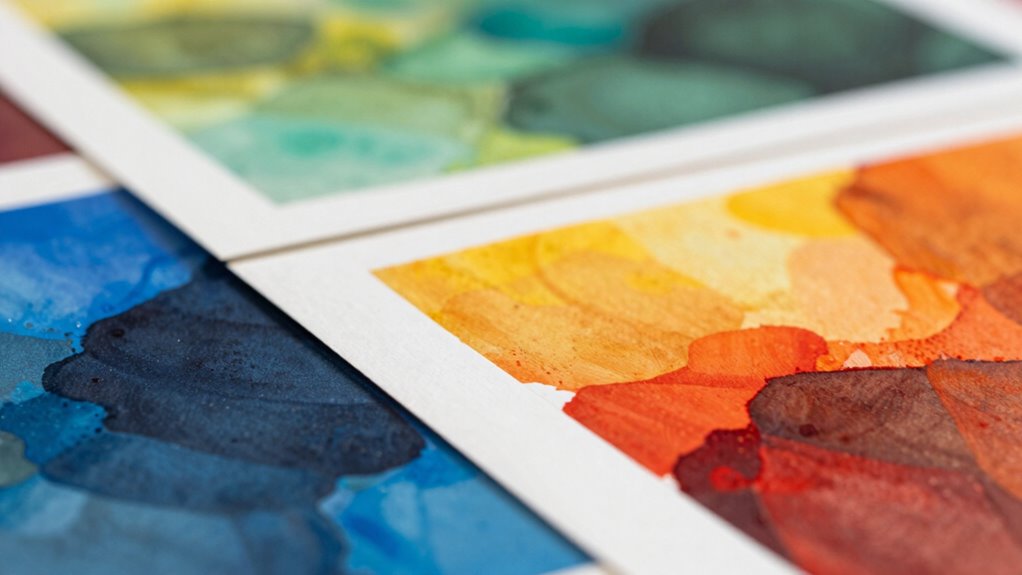
When choosing between pigment and dye printing for your artwork, understanding their fundamental differences can considerably impact the final result. Pigment and dye inks each have unique properties that influence how your art will look over time and how it interacts with the environment. One of the key considerations is color fastness—the ability of the print to resist fading when exposed to light, moisture, and other environmental factors. Pigment inks are generally superior in this area. They sit on the surface of the paper or fabric, forming a protective layer that resists UV rays and moisture, which helps your artwork maintain its vibrant colors longer. This makes pigment printing an excellent choice if longevity and durability are priorities, especially for pieces displayed in well-lit or humid environments.
On the other hand, dye inks tend to penetrate deeper into the material, resulting in more vivid and luminous colors initially. However, dyes are more susceptible to fading over time, especially when exposed to sunlight or high humidity. If you’re aiming for artwork that remains vibrant for decades, pigment inks’ better color fastness can make a significant difference. But if your goal is to produce work with intense, brilliant hues for short-term display or limited exposure, dye printing might be appealing. Keep in mind that dye inks often offer a wider color gamut, allowing for more vibrant shades, which can be attractive for certain artistic effects. Additionally, advances in dye ink stability are helping to improve their longevity in specific applications. Furthermore, ongoing research into ink formulations continues to enhance both dye and pigment ink performance. As innovations develop, some dye inks are now offering improved fading resistance, making them more viable for certain uses.
Environmental impact is another essential factor in your decision. Pigment inks are often considered more environmentally friendly because their particles are larger and less likely to seep into water sources during manufacturing or disposal. They generate less waste and tend to be more stable over time, reducing the need for reprints. Dye inks, however, are water-soluble and can pose more environmental concerns if not properly managed, as their smaller molecules can leach into waterways during production or disposal processes. If sustainability is important to you, pigment-based printing may align better with your values, providing a more eco-conscious option without compromising on the longevity of your artwork. Additionally, advancements in eco-friendly pigment formulations are making pigment inks an increasingly sustainable choice.
In addition, the development of water-resistant dye inks is gradually bridging the gap in environmental performance, offering more options for eco-conscious artists. Ultimately, your choice depends on what you value most—whether it’s the long-term resilience and environmental benefits of pigment printing or the initial vibrancy and color range offered by dyes. Consider where your artwork will be displayed and how long you want it to last, then choose the printing method that best fits your needs. Both options have their strengths, but understanding these differences ensures you make an informed decision that aligns with your artistic vision and values.
pigment ink printing for artwork
As an affiliate, we earn on qualifying purchases.
As an affiliate, we earn on qualifying purchases.
Frequently Asked Questions
Are Pigment Prints More Environmentally Friendly Than Dye Prints?
Yes, pigment prints are generally more eco-friendly than dye prints because they use eco-friendly materials with fewer chemicals. They also offer better chemical stability, reducing the need for frequent replacements. This means less waste and a smaller environmental footprint over time. By choosing pigment prints, you’re making a more sustainable choice, as they tend to be less harmful to the environment and safer for long-term storage and display.
How Do Pigment and Dye Prints Differ in Color Vibrancy?
You’ll notice pigment prints often have more muted colors and less intense saturation, giving a softer, more subtle look. Dye prints typically deliver brighter, more vivid colors with higher color saturation, making hues pop. However, dye prints can sometimes experience hue inconsistency over time, while pigment prints usually maintain consistent hues longer. If vibrancy is your priority, dye prints might be better, but for longevity and color stability, pigment prints are a solid choice.
Can Pigment and Dye Prints Be Combined in One Artwork?
Yes, you can blend pigment and dye prints into a single artwork, creating a symphony of mixed media. Think of it as a dance of color blending, where each medium adds its unique voice. This approach lets you experiment with textures and hues, giving your piece depth and vibrancy. Embrace the contrast and harmony, turning your work into a visual melody that highlights the beauty of combining different printing techniques.
What Are the Cost Differences Between Pigment and Dye Printing?
You’ll find pigment printing generally costs more upfront than dye printing due to its superior material durability and longer-lasting pigments. A cost analysis shows that while dye prints are cheaper initially, they may fade sooner, requiring replacements or special treatments. Conversely, pigment prints offer better longevity, making them a more cost-effective choice over time. Consider your budget and how long you want your artwork to last when choosing between the two.
How Do Pigment and Dye Prints Handle Exposure to Sunlight Over Time?
Pigment prints handle sunlight better than dye prints, thanks to their superior UV resistance, which helps prevent fading over time. You’ll notice pigment inks are less susceptible to fading, making your artwork more durable in sunlight exposure. Dye prints tend to fade more quickly because they’re more vulnerable to UV damage. If longevity in sunlight is important, selecting pigment printing guarantees your art stays vibrant longer.
As an affiliate, we earn on qualifying purchases.
Conclusion
When choosing between pigment and dye printing for your art, consider the longevity you desire. For instance, a photographer who chose pigment prints for their gallery showcased vibrant images that resisted fading over years, proving durability matters. Ask yourself how long you want your artwork to last and whether investment in higher-quality pigment prints aligns with your goals. Making an informed choice now guarantees your art remains stunning for generations to come.
As an affiliate, we earn on qualifying purchases.
As an affiliate, we earn on qualifying purchases.
Halloween Picks
halloween
As an affiliate, we earn on qualifying purchases.






![Terence Tao: Math 2.0 [Pdf]](https://kellerkunst.com/wp-content/uploads/2026/10/terence-tao-math-2-0-pdf-featured-260x140.jpg)