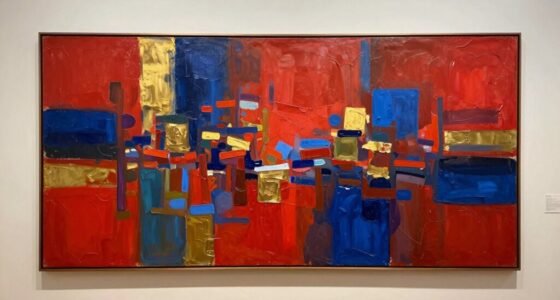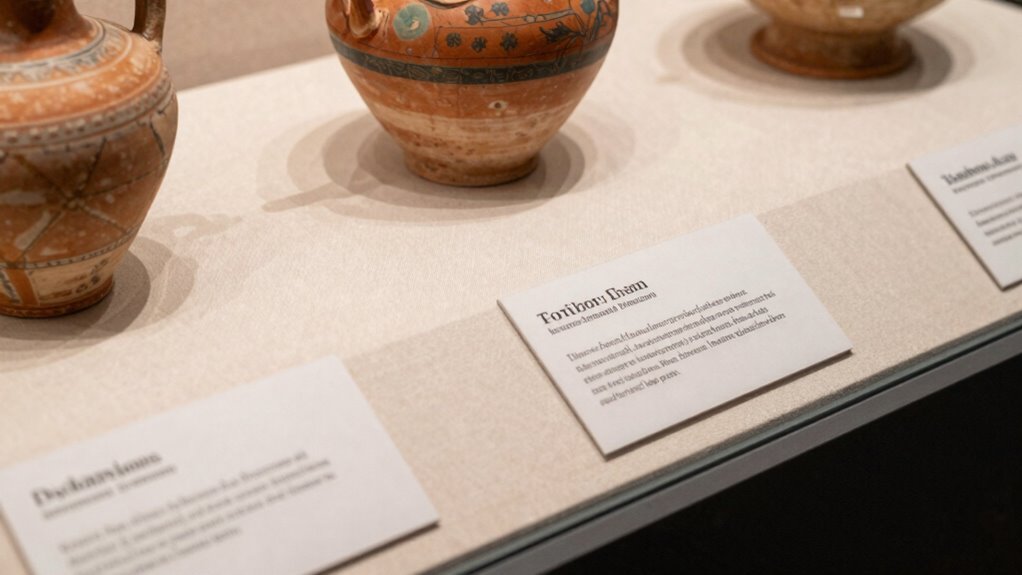

Exhibition labels do more than just show titles; they actively help you understand the art by providing context, background, and details that deepen your connection. They guide your attention, highlight key features, and sometimes include interactive elements like QR codes or touchscreens that invite further exploration. Good labels are placed where you can easily see them and are designed to be accessible for all visitors. Keep exploring to discover how labels can turn a simple glance into a meaningful experience.

Prime made for students and young adults
- Fast, free delivery for dorm and study essentials
- Prime Video and Amazon Music included
- Member-only deals
Key Takeaways
- Exhibition labels provide context and background, transforming a simple title into a deeper understanding of the artwork.
- They incorporate interactive features that invite further exploration and engagement beyond the initial view.
- Proper placement and design ensure labels are easily accessible, enhancing comprehension without distraction.
- Standardized and inclusive labels make information understandable for diverse visitors, including those with visual impairments.
- Labels help visitors connect emotionally and intellectually, turning passive observation into active discovery.
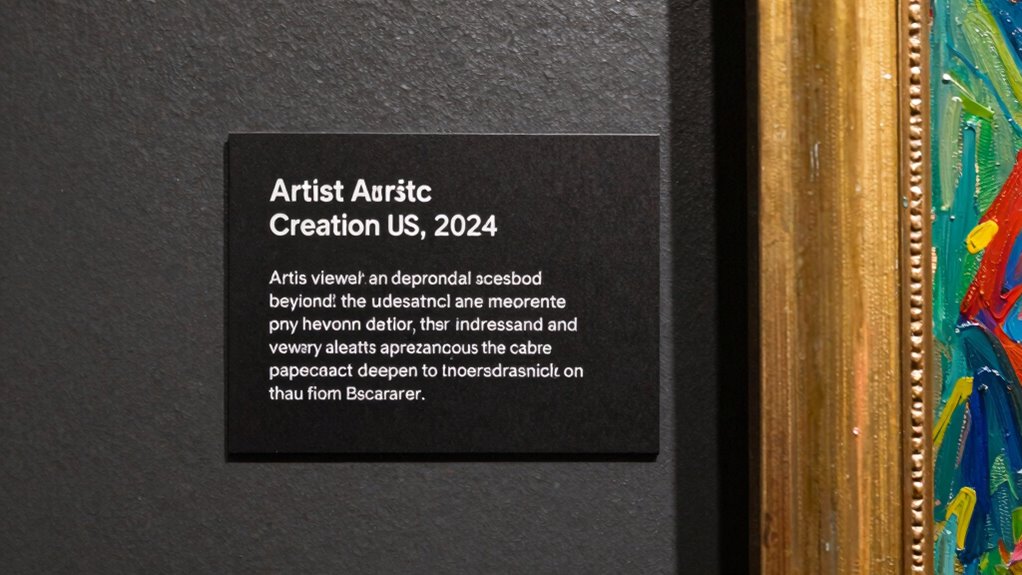
Have you ever wondered how visitors quickly grasp the significance of each artwork or artifact in an exhibition? The answer lies in the thoughtful use of exhibition labels. These labels serve more than just listing titles and dates; they play a vital role in engaging visitors and enhancing understanding. When designed effectively, labels act as guiding tools, helping you connect with the art on a deeper level. An essential element of this effectiveness is interactive design. Instead of static blocks of text, labels now often incorporate interactive features—like QR codes, touchscreens, or augmented reality—that invite you to explore further. This interactive approach sparks curiosity, making the experience more engaging and memorable. When labels are designed with interactivity in mind, they turn passive viewing into active discovery, allowing you to access additional information, context, or multimedia content that enriches your understanding.
Another key factor is label placement. Proper placement ensures that you don’t have to search for information or feel lost in an exhibition space. Instead, labels are positioned close to the artwork or artifact, at eye level, and with clear visibility. This strategic placement makes it easy for you to read and absorb the information without distraction or confusion. When labels are thoughtfully placed, you can seamlessly move from viewing the piece to reading about its history, significance, or the artist’s intent. Good label placement also considers lighting and background contrast, making sure the information stands out and remains legible, even in dimly lit galleries. Additionally, visual accessibility is crucial for ensuring that all visitors, regardless of visual impairments, can benefit from well-designed labels. Incorporating inclusive design principles helps make the exhibition experience more equitable and engaging for everyone. Moreover, the use of standardized formats can further enhance comprehension by providing consistency across the display, helping visitors quickly locate and interpret relevant details. Recognizing the importance of cultural sensitivity in label content can also foster a more respectful and inclusive environment for diverse audiences.
The combination of interactive design and precise label placement transforms the way you engage with an exhibition. Instead of merely looking at art, you become an active participant in the storytelling process. Clear, well-positioned labels act as conversation starters, providing enough context to deepen your appreciation without overwhelming you with details. They also help demystify complex concepts or historical backgrounds that might otherwise feel inaccessible. By integrating these elements, curators guarantee that you don’t just see art—you understand it. Ultimately, the goal of exhibition labels isn’t just to identify works but to create an immersive, informative experience that resonates long after you leave the gallery. When labels are thoughtfully crafted with interactive features and carefully placed, they elevate your entire museum visit from simple observation to meaningful discovery.
As an affiliate, we earn on qualifying purchases.
Frequently Asked Questions
How Do Exhibition Labels Influence Visitor Engagement?
Exhibition labels boost your engagement by offering personalized storytelling, making each piece more relatable and memorable. They draw you into emotional connections, encouraging you to reflect on the art’s meaning and context. By providing insightful details, labels turn static displays into compelling narratives, inviting you to explore deeper. This active storytelling keeps you interested, fostering a stronger connection with the artwork and enhancing your overall museum experience.
What Are the Best Practices for Designing Effective Labels?
You should prioritize typography clarity and color contrast to craft effective labels. Use bold, readable fonts paired with high contrast colors to make text stand out against backgrounds. Juxtapose simple, concise language with engaging visuals to draw visitors in and guide understanding. Avoid clutter; instead, create a visual hierarchy that leads the eye naturally. These practices guarantee your labels communicate clearly, making the exhibit accessible and memorable.
How Do Labels Accommodate Diverse Audiences?
Labels accommodate diverse audiences by using inclusive language that respects different backgrounds and experiences. They incorporate multicultural accessibility, ensuring translations or visuals are available for non-native speakers and visitors with disabilities. Clear, simple wording helps everyone understand, while thoughtful design and culturally sensitive content foster inclusivity. This approach makes art more accessible, engaging, and meaningful for all visitors, regardless of their cultural or linguistic differences.
Can Labels Be Interactive or Digital?
Imagine walking through an exhibit where labels come alive with vibrant images and sounds. Yes, labels can be interactive and digital, using augmented reality and multimedia integration. You can scan a code and see 3D models or hear stories behind the artwork. This immersive experience pulls you deeper, making learning more engaging and memorable. Digital labels transform static information into dynamic, personalized journeys that captivate every visitor.
What Is the History of Exhibition Label Development?
You might find that the history of exhibition label development reflects evolving museum storytelling, where labels became more informative and engaging. Initially, labels used simple typography, but over time, label typography improved to enhance readability and visual appeal. As digital technology emerged, labels became interactive, offering deeper insights. This progression helps you better connect with exhibits, making your museum experience richer and more immersive through clearer, more accessible information.
art gallery label display stands
As an affiliate, we earn on qualifying purchases.
As an affiliate, we earn on qualifying purchases.
Conclusion
So next time you wander through an exhibit, remember those labels aren’t just tiny words—they’re secret keys revealing worlds of wonder. They turn plain objects into epic tales, transforming your quiet curiosity into a roaring adventure of discovery. Without them, you’re just staring at art; with them, you’re living it. Let those labels be your guide, your magic portal to understanding, making every glance an awe-inspiring journey into the heart of creativity.
As an affiliate, we earn on qualifying purchases.
As an affiliate, we earn on qualifying purchases.
Halloween Picks
halloween
As an affiliate, we earn on qualifying purchases.