
Negative space is the empty area around and between objects in your art. It’s not just background; it creates balance, guides the viewer’s eye, and emphasizes your main subject. Mastering negative space can transform your work, making it more harmonious and impactful. By thoughtfully managing these empty areas, you’ll elevate your designs and storytelling. Stay with us to discover how recognizing and using negative space can truly make your art more powerful.
Key Takeaways
- Negative space creates visual balance and guides the viewer’s eye within artwork.
- It emphasizes the main subject by providing breathing room around focal points.
- Proper use of negative space enhances harmony and simplifies complex compositions.
- Recognizing negative space reveals hidden symbols and adds depth to art.
- Mastering negative space improves overall design, making art more powerful and impactful.
What Is Negative Space and Why Does It Matter?

Have you ever noticed how empty space around an object can shape your perception of it? That’s negative space at work. It’s not just “empty”; it’s a vital element that creates visual balance, guiding your eye and emphasizing the main subject. When used effectively, negative space enhances the overall composition, making your artwork feel more harmonious and complete. Recognizing the importance of negative space helps you craft more compelling images. By intentionally managing these empty areas, you guarantee your focal point stands out while the surrounding space provides context and mood. Proper understanding of visual balance is essential for creating impactful and well-composed art. Developing a keen sense of composition principles allows artists to harness negative space more intentionally and effectively. Additionally, understanding how landscape and environment influence negative space can help in designing more dynamic and engaging compositions. Exploring artistic techniques can further refine your ability to utilize negative space creatively and intentionally. Being aware of negative space in different art styles can also expand your creative toolkit. Ultimately, negative space isn’t just filler—it’s a powerful tool for impactful, balanced art.
How Negative Space Can Transform Your Art

When you master the use of negative space, you reveal the ability to dramatically transform your artwork. Negative space enhances visual balance, guiding the viewer’s eye naturally across your composition. You can also leverage European cloud innovation to develop more sustainable and efficient creative tools that support your artistic vision. By strategically incorporating empty areas, you create a sense of harmony that makes your focal points stand out more effectively. This approach encourages minimalist design principles, which emphasize simplicity and clarity in visual communication. Incorporating negative space thoughtfully aligns with cultural storytelling techniques that convey deeper narratives through visual elements. This balance prevents clutter and adds clarity to your design, making each element more impactful. Properly managing negative space is also essential in design planning frameworks, ensuring your artwork remains cohesive and engaging. Understanding how visual balance influences compositional harmony empowers you to craft images that are both compelling and aesthetically pleasing. Negative space acts as a visual breathing room, allowing your artwork to feel cohesive and well-organized. When used intentionally, it sharpens your overall message and elevates the viewer’s experience.
Easy Ways to Use Negative Space Effectively
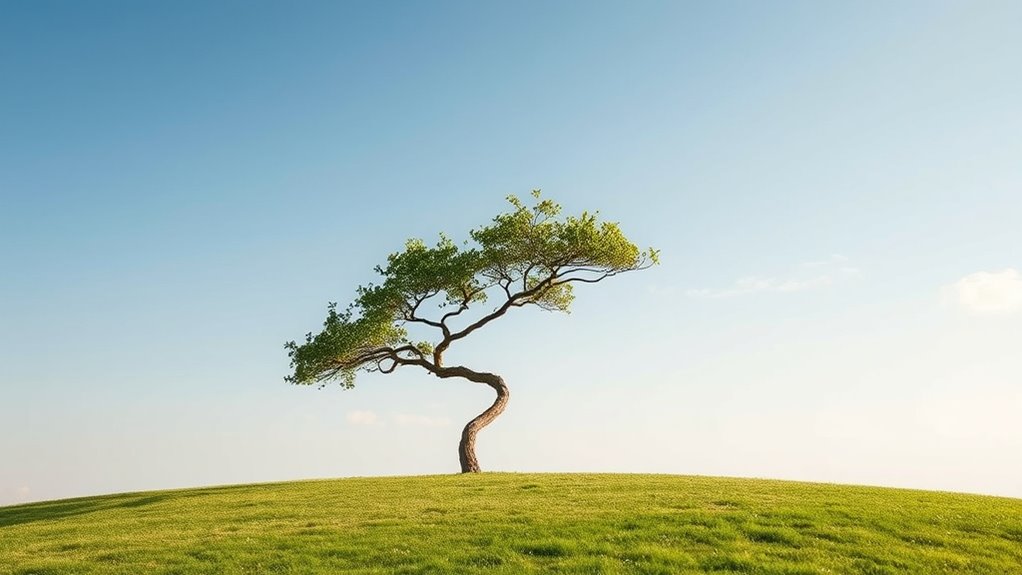
Using negative space effectively doesn’t have to be complicated; simple adjustments can make a big difference. Focus on maintaining visual balance by ensuring the empty areas complement your main subject without overwhelming it. You can achieve this by positioning elements thoughtfully, giving negative space room to breathe. Properly managing composition techniques helps create a harmonious visual flow in your artwork. This, in turn, guides the viewer’s eye smoothly across the artwork. Avoid clutter by leaving enough space around focal points, which emphasizes their importance. Additionally, understanding visual hierarchy allows you to direct attention intentionally and improve overall balance. Experiment with different amounts of negative space until your composition feels balanced and harmonious. Incorporating appliance testing concepts, such as ensuring your design elements are well-calibrated, can help prevent visual “short circuits” that disrupt harmony. Recognizing the importance of creative expression can inspire you to explore innovative ways to utilize negative space effectively. Remember, less is often more—negative space can highlight your subject and create a sense of elegance and clarity. Mastering visual balance can elevate your art from simple to striking. With these straightforward tips, you’ll harness negative space to make your art more engaging and impactful.
Spotting Negative Space in Famous Art and Design
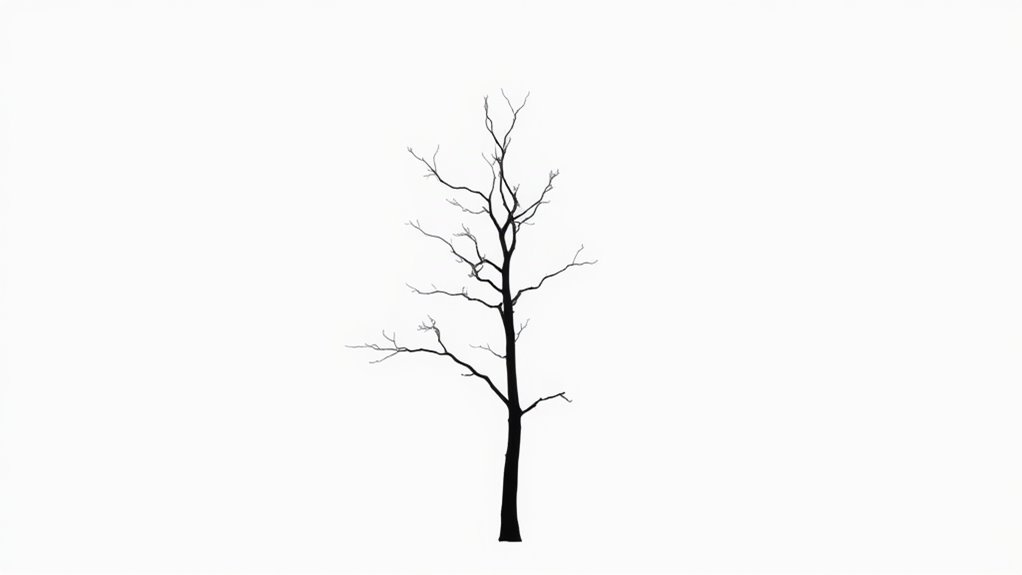
Famous artworks and iconic designs often reveal their hidden depths through clever use of negative space. When you observe these pieces, you’ll notice how negative space contributes to visual balance, guiding your eye effortlessly across the composition.
Artists and designers use negative space not just as a background but as an active element that enhances the overall message. Look for illusions created by contrasting shapes, where the empty areas form recognizable images or hidden symbols.
This subtle interplay draws you in, making the piece more engaging and memorable. Recognizing negative space in art and design sharpens your perception, helping you appreciate how the emptiness can be as powerful as the filled areas, ultimately enriching your understanding of visual storytelling.
Simple Tips for Mastering Negative Space in Your Work

Mastering negative space starts with training your eye to see beyond the obvious. Focus on how empty areas contribute to visual balance and compositional harmony. To improve, practice simplifying your compositions by removing unnecessary details, allowing negative space to stand out. Use this table to evaluate your work:
| Element | Positive Space | Negative Space |
|---|---|---|
| Visual Balance | Distributes elements evenly | Creates equilibrium through emptiness |
| Focal Point | Highlights the main subject | Guides viewer’s eye smoothly |
| Composition Harmony | Ensures all parts work together | Achieves a pleasing, complete look |
Additionally, understanding how negative space relates to the overall visual balance of your composition can help you create more impactful and harmonious designs. Developing an awareness of space management is crucial for creating compelling artwork that resonates with viewers, as it allows you to harness empty areas effectively to enhance your artistic message. Recognizing the importance of interior design fundamentals can further refine your ability to utilize negative space in various creative contexts. Improving your understanding of design principles can also help you make more deliberate and effective use of negative space in your work.
Frequently Asked Questions
Can Negative Space Influence Viewer Emotion or Perception?
Yes, negative space can influence your emotions and perception. It creates a psychological impact by guiding your focus and evoking feelings of calm, tension, or curiosity.
The perceptual effects of well-used negative space help you interpret the artwork more deeply, making certain elements stand out or encouraging you to contemplate the overall composition.
How Does Negative Space Differ Across Various Art Styles?
You’ll notice negative space varies across art styles, influenced by cultural influences and artistic intent.
In minimalism, it’s clean and spacious, emphasizing simplicity. In traditional Asian art, negative space often symbolizes tranquility and balance.
Abstract styles might use it dynamically to create movement, while Western realism uses it to highlight subjects.
Understanding these art style variations helps you appreciate how artists use negative space to communicate cultural values and emotional depth.
Are There Common Mistakes to Avoid When Using Negative Space?
You should avoid cluttering your artwork, which can disrupt the balance theory and distract from the focal point. Don’t neglect negative space, as it’s essential for clarity and emphasis.
Overusing or underusing it can weaken your composition. Remember, negative space should complement your main elements, guiding viewers’ eyes naturally.
Keep a mindful eye on the balance, ensuring negative space enhances rather than detracts from your focal point.
What Tools or Software Best Assist in Designing With Negative Space?
You should use vector graphics and layout software like Adobe Illustrator or Inkscape to design with negative space. These tools let you easily manipulate shapes and areas, ensuring your negative space complements your main elements.
They also offer precise control over layout, enabling you to create balanced, visually appealing designs that emphasize negative space effectively. Mastering these tools helps you craft powerful, clean compositions that draw viewers in.
How Can Negative Space Improve the Clarity of Visual Communication?
You can improve clarity in visual communication by using negative space to create a strong visual hierarchy, guiding your viewers’ eyes naturally.
By emphasizing focal points with ample negative space around them, you make your message clearer and more impactful. This technique reduces clutter, allowing important elements to stand out.
It also helps your audience quickly understand the main idea without distraction, making your design more effective and memorable.
Conclusion
By understanding and applying negative space, you can elevate your artwork and make your designs more compelling. It’s not just about filling the canvas; it’s about creating balance, focus, and visual interest. Practice spotting and using negative space intentionally, and you’ll notice how your art gains depth and clarity. Embrace the empty areas—they’re powerful tools that can transform your creative work into something truly striking. Keep experimenting, and watch your skills grow.