
To spot hidden meanings without overthinking, focus on symbols within their cultural and contextual clues rather than overanalyzing every detail. Recognize common symbols like hearts or doves and pay attention to patterns, colors, and recurring imagery. Stay present and trust your intuition, filtering out distractions. By observing carefully and understanding the context, you’ll start noticing messages naturally. Keep exploring; if you continue, you’ll discover ways to sharpen your skill even further.
Listen free for 30 days with Audible
Thousands of audiobooks and originals — cancel anytime.
As an affiliate, we earn on qualifying purchases.
Key Takeaways
- Observe symbols in context, paying attention to cultural, historical, and situational cues for accurate interpretation.
- Differentiate between literal and symbolic meanings by analyzing emotional tone and narrative clues.
- Look for recurring visual patterns and subtle details that indicate hidden messages or themes.
- Use your knowledge of cultural symbols and motifs to deepen understanding without overthinking.
- Practice mindful analysis, pausing to reassess, and trusting intuition to avoid overcomplicating symbol interpretation.
As an affiliate, we earn on qualifying purchases.
Recognizing Common Symbols in Everyday Life

Symbols surround us constantly, often conveying important messages without us even realizing it. Recognizing common symbols involves understanding archetypal imagery and universal motifs that appear throughout cultures and stories. These symbols aren’t random; they tap into shared human experiences and emotions. For example, a heart typically signifies love, while a dove might represent peace. By noticing these symbols in everyday life—on signs, in art, or in conversations—you start to see how universal motifs shape our understanding of the world. Recognizing these symbols allows you to decode deeper meanings behind simple images, giving you insights into cultural values and collective human psyche. For instance, Polynesian symbols like Tiki figures and Hei Tiki necklaces carry profound meanings related to protection and strength, enhancing your ability to interpret cultural symbols. Additionally, stories involving cryptids or haunted locations often utilize specific symbols to evoke fear or curiosity, deepening your understanding of folklore symbolism. Paying close attention to symbolic imagery can reveal hidden messages and cultural insights that enrich your perception of the world. The more you pay attention, the more effortlessly you’ll spot these archetypal images guiding your perception of the world around you. Recognizing symbolic motifs also helps you better understand the stories and messages conveyed through art, literature, and media, making your interpretations richer and more nuanced. Being aware of the cultural significance of symbols allows for a more profound appreciation of their role in storytelling and societal values.
cultural symbol interpretation kit
As an affiliate, we earn on qualifying purchases.
As an affiliate, we earn on qualifying purchases.
The Difference Between Literal and Symbolic Meanings

You need to understand the difference between what words say directly and what they represent on a deeper level. Recognizing this helps you interpret symbols accurately and avoid confusion. When you grasp both literal meaning and symbolism, you can see beyond the surface and find true significance.
Clear Text vs. Meaning
Have you ever wondered why some images or words seem to carry more than their obvious meaning? The difference between literal and symbolic language is key here. Literal language states facts plainly, like a straightforward description. In contrast, figurative language, such as metaphors or allegories, conveys deeper meaning. When you see a metaphor, you’re comparing two things directly to reveal insight, while allegory often uses a story to symbolize broader ideas. Recognizing whether a phrase is literal or figurative helps you interpret the true message. Understanding this distinction allows you to see beyond the clear text and grasp the underlying symbolism. It’s about knowing when words are meant to be taken at face value and when they’re hinting at something more profound. Interpreting symbols is essential for uncovering hidden messages in various contexts.
Interpreting Symbols Accurately
Understanding whether a message is literal or symbolic is key to interpreting its true meaning. Visual symbolism often conveys deeper messages beyond the surface, while emotional cues help you sense the underlying intent. When you see a symbol, ask yourself if it’s representing something directly or if it’s layered with meaning. For example, a dove might be a literal bird or symbolize peace. Pay attention to context and your emotional response; these clues guide you in distinguishing between literal and symbolic messages. Accurate interpretation requires you to analyze how visual symbolism interacts with emotional cues. Recognizing the power of symbolism can help you uncover hidden messages and appreciate the full depth of what’s being communicated, rather than taking everything at face value.
visual pattern recognition flashcards
As an affiliate, we earn on qualifying purchases.
As an affiliate, we earn on qualifying purchases.
Simple Ways to Spot Hidden Messages in Art and Media
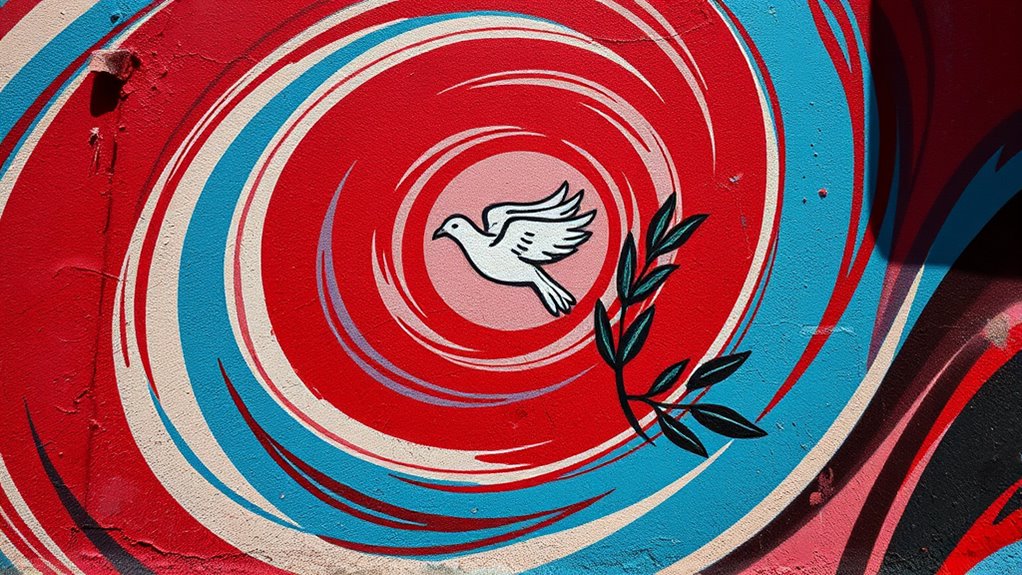
Spotting hidden messages in art and media doesn’t have to be complicated. Start by paying close attention to visual cues—colors, symbols, or repeated patterns often carry deeper meaning. Look for subtle details that seem out of place or hold extra significance. Narrative clues are equally important; listen to dialogue, note character actions, and observe how stories unfold. Sometimes, a small gesture or a specific word choice hints at a hidden message. Keep an open mind and question what seems obvious. Additionally, understanding cultural or thematic symbolism can greatly enhance your ability to interpret hidden messages. Recognizing visual symbolism helps reveal deeper layers behind what’s presented on the surface. By actively analyzing these visual and narrative clues, you’ll develop a sharper eye for uncovering symbolic layers that might otherwise go unnoticed. Regular practice in media analysis will train your intuition for detecting subtle hints. Practice regularly, and soon, spotting hidden messages will become a natural part of your media consumption.
mindfulness and observation training tools
As an affiliate, we earn on qualifying purchases.
As an affiliate, we earn on qualifying purchases.
How Cultural Context Shapes Symbol Interpretation

Your understanding of symbols depends heavily on cultural context, which shapes their meaning. Different societies interpret the same symbol in unique ways based on their traditions and experiences. Recognizing the historical significance behind symbols helps you see why interpretations vary across cultures. Awareness of cultural symbolism can deepen your appreciation for diverse perspectives and prevent misinterpretations. Furthermore, understanding symbolic significance allows for more nuanced and respectful intercultural communication. When you consider the interpretative frameworks used by different cultures, it becomes easier to avoid misunderstandings and foster mutual respect. Being aware of market diversity in precious metals can also influence how symbols are used in branding and investment contexts, emphasizing the importance of cultural sensitivity. Additionally, understanding affiliate disclosure practices can help clarify how commercial interests might influence symbolic representations in marketing.
Cultural Variations Matter
Cultural context considerably influences how symbols are interpreted, often leading to different meanings across societies. You need to recognize that cultural nuances shape the way symbols are understood, as what signifies good luck in one region might mean bad luck in another. Regional symbolism varies widely, so a gesture, color, or object may carry contrasting connotations depending on where you are. For example, a white dress is associated with purity in some cultures but symbolizes mourning in others. Additionally, understanding herbal traditions can deepen your appreciation of symbolic meanings in different societies and prevent misinterpretations. Recognizing symbolic significance can help prevent misunderstandings in cross-cultural interactions, especially when it involves regional variations in symbolism that are not immediately obvious. Being aware of these cultural differences allows you to interpret symbols more accurately and respectfully during your travels.
Historical Significance Influences
Historical events and traditions deeply shape the meanings of symbols, as their significance often reflects the collective memories and values of a society. For example, ancient symbolism and religious icons carry layers of meaning rooted in specific cultural contexts. Understanding this helps you interpret symbols more accurately. For instance, the cross symbolizes sacrifice in Christianity, while in other cultures, it might represent the four cardinal directions. Here’s a quick look:
| Symbol | Cultural Context | Meaning |
|---|---|---|
| Lotus | Ancient Egypt | Rebirth, purity |
| Yin-Yang | Chinese philosophy | Balance, harmony |
| Om | Hinduism, Buddhism | Sacred sound, unity |
Recognizing these influences sharpens your ability to decode symbols without overthinking. Additionally, cultural symbolism plays a crucial role in shaping how symbols are understood across different societies.
Avoiding Overthinking When Analyzing Symbols

When analyzing symbols, it’s easy to fall into the trap of overthinking, which can cloud your understanding rather than clarify it. To avoid this, focus on mindful analysis and trust your intuitive perception. Keep these tips in mind:
Avoid overthinking symbols; trust your intuition and keep your analysis simple for clearer insights.
- Stay present—don’t get lost in endless details; trust your gut feelings.
- Simplify your approach—avoid over-complicating symbols; look for core meanings.
- Limit distractions—create a clear mind for sharper insights.
- Pause and reflect—step back periodically to reassess without overanalyzing.
Additionally, remember that a clear understanding of symbolism can help you make the most of sound healing science for every adventure, whether you’re a weekend warrior or a tradesperson. Developing a mind-body connection can enhance your overall perception and improve your ability to recognize subtle messages. Recognizing that many symbols have shared cultural meanings can also guide your interpretation and prevent overthinking.
Practice Tips to Improve Your Symbol Recognition Skills

To improve your symbol recognition skills, practice regularly by observing various symbols in different contexts and noting their recurring patterns. Focus on enhancing your visual cue recognition and making contextual inferences to identify underlying meanings quickly. Use the table below to understand how context influences symbol interpretation:
| Context Type | Symbol Meaning |
|---|---|
| Cultural | Religious icons convey faith |
| Environmental | Storm clouds signal danger |
| Artistic | Abstract shapes evoke feelings |
| Advertising | Logos represent brands |
Additionally, paying attention to symbol consistency across different situations can help you develop a more intuitive understanding of their meanings. Recognizing patterns across various support breakfast settings can also deepen your interpretive skills.
Frequently Asked Questions
Can Symbols Have Multiple Meanings Across Different Cultures?
Yes, symbols can have multiple meanings across different cultures due to cultural variations. You might notice symbol ambiguity when a symbol represents something positive in one culture but carries a negative connotation in another. This is why it’s important to take into account cultural context when interpreting symbols. By understanding these differences, you can avoid misinterpretations and appreciate the diverse ways symbols convey meaning worldwide.
How Do Personal Experiences Influence Symbol Interpretation?
You’re more likely to interpret symbols based on your personal memory and emotional association, as studies show personal experiences influence over 70% of how we see meanings. Your unique background shapes what symbols evoke in you, making your interpretation deeply personal. When you encounter a symbol, consider your past feelings and memories—they color your understanding, often giving it a significance others might not see.
Are There Universal Symbols Recognized Worldwide?
Yes, there are universal symbols recognized worldwide, but cultural variations and historical contexts influence their meanings. You might see a white dove as peace everywhere, but in some cultures, it has different significance. To spot these hidden meanings, pay attention to the context and cultural background. This helps you understand symbols more deeply, without overthinking, and appreciate how diverse interpretations enrich their symbolism across different societies.
How Do Symbols Evolve Over Time Within Societies?
Symbols are like chameleons, changing colors as societies evolve. You see cultural adaptation shaping symbols, giving them new meanings, while their historical significance keeps them rooted in tradition. Over time, societies reinterpret symbols to reflect current values, beliefs, and experiences. This ongoing transformation allows symbols to stay relevant, blending past and present, and demonstrating how culture keeps its stories alive through visual language.
What Role Do Subconscious Biases Play in Recognizing Symbols?
Subconscious biases influence how you recognize symbols by shaping your unconscious associations and perceptions. Your cognitive biases can cause you to interpret symbols based on personal experiences or cultural conditioning, often without realizing it. This means you might see a symbol differently depending on your background or beliefs, making it essential to be aware of these biases to truly understand the deeper meaning behind symbols without overthinking.
Conclusion
Now that you’ve revealed the basics, think of symbols as whispers from the universe, quietly guiding you through hidden stories. Trust your instincts and let your curiosity be the lantern that illuminates the shadows of meaning. With practice, you’ll see the world’s subtle language in every corner—like a secret code waiting to be deciphered. Embrace the journey, and soon, you’ll read between the lines with confidence, uncovering truths hidden just beneath the surface.
Flea & tick season Picks
flea and tick prevention
As an affiliate, we earn on qualifying purchases.