
Once you purchase digital content, your reproduction rights typically include using the work within the scope set by your license, such as personal or limited uses. You usually can’t reproduce or share more than permitted without obtaining additional permission, especially for commercial purposes. Pay close attention to your license terms, restrictions, and the need for permission or fair use exceptions. To guarantee you stay compliant, understanding these rules helps you use your content confidently—if you want to know exactly what’s allowed, keep exploring.
Key Takeaways
- Review the license agreement to understand permitted uses, restrictions, and scope of reproduction rights after purchase.
- Confirm if your license allows personal or commercial reproduction, and obtain additional permissions if necessary.
- Keep records of purchase and licensing terms to prove authorized use and ownership rights.
- Ensure proper attribution and adhere to license restrictions to avoid copyright infringement.
- Seek legal advice or license extensions for reproductions beyond the original agreement’s scope.

Forget your password?: Password log book with alphabetical order to help organize your digital identity and properties (username, login password, secret key, software license and other stuff)
As an affiliate, we earn on qualifying purchases.
As an affiliate, we earn on qualifying purchases.
What Are Reproduction Rights for Buyers
Have you ever wondered what reproduction rights for buyers really mean? Essentially, these rights determine what you can do with purchased content, like images or music. When you buy something, you’re not automatically granted full copyright ownership; instead, your rights are often defined through licensing agreements. These agreements specify whether you can reproduce, distribute, or display the work, and under what conditions. Reproduction rights give you permission to create copies of the work, but they don’t necessarily transfer copyright ownership. It’s vital to understand the scope of your license so you don’t unintentionally infringe on the creator’s rights. Understanding licensing agreements helps you use the content legally and avoid potential legal issues. Additionally, being aware of content licensing terms can prevent misunderstandings and ensure compliance with legal standards. Knowing the specific scope of your reproduction rights allows you to plan how you can use purchased content effectively and within legal boundaries. Recognizing the net worth of content creators can also influence how you approach licensing negotiations and usage rights.
copyright license tracking tools
As an affiliate, we earn on qualifying purchases.
As an affiliate, we earn on qualifying purchases.
Personal vs. Commercial Use: What’s the Difference

Understanding the difference between personal and commercial use is essential when dealing with reproduction rights. Personal use involves enjoying the work for oneself without profit, like printing a photo for your home. Commercial use, however, involves using the work to promote, sell, or generate income, which often requires additional licensing. Artistic techniques come into play when modifying or adapting works for different purposes. Be aware that copyright enforcement is stricter for commercial use, as unauthorized use can lead to legal issues. Here’s a quick comparison:
| Aspect | Personal Use | Commercial Use |
|---|---|---|
| Purpose | Enjoyment for oneself | Profit or promotion |
| Licensing | Usually included with purchase | Often requires separate license |
| Artistic techniques | Limited modification | Creative adaptations allowed |
| Copyright enforcement | Less strict, less monitored | Strict, heavily enforced |
| Distribution | Limited to personal sharing | Broad, public distribution |
Additionally, understanding the scope of reproduction rights helps in making informed decisions about content use. It is also important to consider the copyright enforcement policies to avoid potential legal repercussions when using content commercially. Knowing how content licensing works can further protect your usage rights and ensure compliance with legal standards. For example, some licenses explicitly restrict modifications or commercial applications, so reviewing these terms is crucial.
Furthermore, awareness of watermark removal policies is vital, as unauthorized removal can violate copyright protections and lead to legal action.
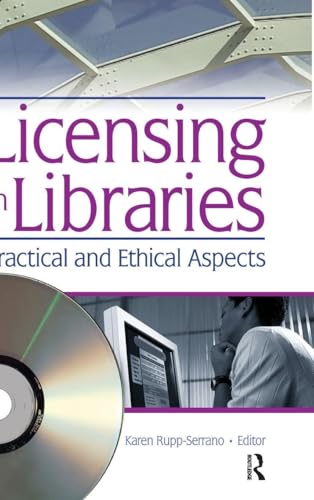
Licensing in Libraries: Practical and Ethical Aspects (Published Simultaneously as the Journal of Library Administr)
As an affiliate, we earn on qualifying purchases.
As an affiliate, we earn on qualifying purchases.
What Rights Are Included When You Buy
When you purchase a work, you typically acquire specific rights that define how you can use it. These rights are often outlined in licensing agreements that specify permitted uses, such as copying, sharing, or displaying the work. It’s important to understand what’s included, because overstepping these rights can lead to copyright infringement. Additionally, understanding content licensing can help you better navigate the scope of your rights. Usually, a purchase grants you a license to use the work for personal or limited commercial purposes, but it doesn’t transfer full ownership. If you want broader rights, you may need to negotiate additional licensing terms.
Always review the licensing agreement carefully to know exactly what rights come with your purchase. This helps you avoid unintentional copyright infringement and ensures you stay within the scope of your rights. Familiarizing yourself with the scope of license can further clarify what is permitted under your current rights. Being aware of license restrictions can prevent potential legal issues and ensure respectful use of copyrighted material. It’s also beneficial to understand the implications of digital rights management, which can sometimes limit how you use purchased content. Recognizing the importance of proper attribution can also be essential, particularly in cases where attribution is a requirement of your license.
digital rights management (DRM) tools
As an affiliate, we earn on qualifying purchases.
As an affiliate, we earn on qualifying purchases.
What Limits Your Reproduction Rights
While purchasing a work grants certain rights, there are specific limits that can restrict how you reproduce it. Your reproduction rights might be limited by the scope of the license or the exclusive rights retained by the copyright holder. These restrictions prevent you from copying beyond what’s permitted, especially if the license scope is narrow. For example, some licenses only allow personal use, not commercial reproduction. Additionally, exclusive rights mean only the copyright owner can reproduce or distribute the work, limiting your actions. Understanding these limits helps you respect copyright boundaries and avoid infringement. Proper ventilation considerations and adherence to safety guidelines are also essential when working with heat and cold systems to prevent violations of safety standards. Being aware of European cloud innovation can also help organizations ensure compliance with regional regulations when managing digital content. Recognizing the extent of support for breakfast offerings is crucial when planning related promotional activities. Moreover, understanding the limits of reproduction rights can help you navigate licensing agreements more effectively.
How to Read Your Purchase Agreement

When you review your purchase agreement, focus on the key contract clauses that define your rights. Pay close attention to the sections that clarify reproduction terms to avoid misunderstandings. Understanding these points helps make certain you know exactly what you’re agreeing to before finalizing your purchase. Additionally, recognizing clarity in licensing terms ensures you understand how you can use the content after purchase. Being aware of copyright protections can also prevent potential legal issues related to reproduction rights. Incorporating knowledge of smart home technology can also help you understand how digital content and devices may be governed under your agreement. Furthermore, reviewing provisions related to digital content management can provide insight into how your purchased content is protected and utilized, especially with the increasing integration of Vegan Freaks and other digital platforms.
Key Contract Clauses
Have you ever wondered what exactly to look for in your purchase agreement? Key contract clauses reveal your rights and limitations, so don’t skip over them. Focus on sections about copyright infringement, which clarify what actions might violate your rights or the creator’s protections.
A clear understanding of license terms can help you avoid unintentional violations. Pay close attention to royalty agreements, as they specify how much you owe or earn from reproductions. Look for language about permitted uses, restrictions, and licensing terms to understand what’s allowed after purchase.
Additionally, understanding the potential impact of AI ethics in legal language can help you navigate future disputes or ethical considerations related to digital content. Recognizing industry standards within the agreement can provide context for what is generally accepted or expected in digital content use. Clear clauses help prevent misunderstandings and protect you from future legal issues. Knowing how to interpret these clauses ensures you’re aware of your reproduction rights and responsibilities, giving you confidence to use your purchase as intended without risking infringement or financial loss.
Clarifying Reproduction Terms
Understanding your purchase agreement is essential to fully grasp your reproduction rights. Carefully review the terms related to reproduction, as they specify what you can and can’t do with the work.
Look for clauses that mention licensing scope, limitations, and restrictions to avoid copyright infringement.
Pay attention to any language about moral rights, which protect the creator’s personal connection to their work, even after purchase. These rights can influence how you reproduce or display the work, especially if moral rights are retained by the creator.
Clarifying these terms helps you stay compliant and prevents unintentional violations that could lead to legal issues.
When Do You Need Permission to Reproduce

You need permission to reproduce copyrighted material unless your use falls within fair use limits, which are quite specific. If your intended use exceeds those limits, you’ll need to obtain licensing or permission from the rights holder.
Understanding these requirements helps you avoid legal issues and guarantees you’re acting within the law.
Fair Use Limits
Determining whether you need permission to reproduce copyrighted material hinges on the concept of fair use. Fair use allows limited use of copyrighted works without permission, often for purposes like criticism, commentary, or education.
When your reproduction supports artistic expression or adds new meaning, it might qualify as fair use. However, courts consider factors such as the purpose, nature, amount used, and effect on the market.
If your use could be seen as undermining copyright enforcement or replacing the original, you’ll likely need permission. Keep in mind that fair use isn’t a blanket exception; it’s a nuanced defense.
When in doubt, it’s safest to seek permission or consult legal guidance to avoid infringement.
Licensing Requirements
When you want to reproduce copyrighted material, obtaining the appropriate permission through licensing is often necessary, especially if your use doesn’t qualify as fair use. Licensing clears the path to avoid copyright infringement and prevents legal trouble. If you’re unsure whether you need permission, licensing confusion can arise, making it difficult to determine when permission is required.
| Reproduction Scenario | Licensing Needed? |
|---|---|
| Copying for personal use | Usually not, unless limit exceeded |
| Commercial publication | Yes |
| Educational use in classroom | Often yes, but exceptions exist |
| Sharing online without rights | Yes |
What Is Fair Use and When Does It Apply

Have you ever wondered if it’s okay to use a small portion of copyrighted work without permission? That’s where fair use comes into play. Fair use is a legal copyright exception that allows limited use of intellectual property without obtaining permission, often for purposes like criticism, commentary, news reporting, or education.
It doesn’t grant unlimited freedom but provides a balance between protecting creators’ rights and fostering free expression. When considering fair use, you need to evaluate factors like the purpose of use, the amount used, and the effect on the market value.
How to Use Reproduced Works Legally
To use reproduced works legally, you need to understand the specific rights granted by your purchase or license. If the work is under a Creative Commons license, check the license type to know what’s permitted, such as attribution or non-commercial use.
Some works may be in the public domain, meaning you can use them freely without restrictions. Always review the terms of your license or the public domain status before reproducing or distributing the work. This assures you’re not violating copyright laws.
How to Protect Your Rights After Buying
After purchasing a reproduction, it is crucial to take steps to protect your rights and prevent unauthorized use. Your ownership rights are valuable, so understanding how to enforce them is key. Keep records of your purchase and any licensing agreements to establish proof of ownership and authorized use. Consider securing a formal license if you plan to display or distribute the work widely. This safeguards your creative licensing rights and clarifies what actions are permitted. Use the table below to identify quick ways to defend your rights:
| Action | Benefit |
|---|---|
| Keep detailed records | Proves ownership and licensing rights |
| Register the work | Enhances legal protection |
| Monitor unauthorized use | Detects infringements early |
| Enforce licensing agreements | Maintains control over use |
| Seek legal advice | Ensures proper protection |
Frequently Asked Questions
Can I Modify or Alter the Purchased Work Legally?
You can generally modify or alter the purchased work if the license or agreement allows alteration permissions.
However, be aware of modification restrictions that might limit how much you can change the work. Always check the specific terms of your purchase or license, as some rights holders restrict alterations to protect their original creation.
If unsure, seek permission from the rights holder to avoid potential legal issues.
What Are the Consequences of Exceeding My Reproduction Rights?
Exceeding your reproduction rights leads to copyright infringement, which can result in legal penalties like fines or lawsuits.
You might face costly damages, court orders to cease reproduction, or even criminal charges in severe cases.
To avoid these consequences, stick to the limits of your rights and seek permission for any additional use.
Respecting copyright laws safeguards you from legal trouble and ensures fair treatment of creators.
Do Reproduction Rights Transfer to Third Parties After Purchase?
Reproduction rights typically don’t transfer to third parties after you purchase unless explicitly stated.
You can’t usually authorize a license transfer or third-party reproduction without permission from the rights holder.
If you want to allow someone else to use or reproduce the work, you need to get proper authorization, as unauthorized third-party reproduction could lead to legal issues.
Always check your license terms before sharing or transferring rights.
How Long Do My Reproduction Rights Last?
Your reproduction rights last until the license expires or the copyright duration ends, which varies by work and jurisdiction.
Typically, copyright lasts for the creator’s lifetime plus 70 years, but licenses can have specific expiration dates you need to check.
Once the license expires or the copyright expires, your reproduction rights end.
Always review your license terms carefully to understand the specific duration and any limitations involved.
Are There Specific Licenses That Grant Broader Reproduction Permissions?
Yes, some license types grant broader permission scopes. For example, extended licenses often allow you to reproduce a work in multiple formats or for commercial use, unlike standard licenses with limited permissions.
Always check the specific license terms before purchasing, as they define the permission scope. Opting for a license with broader rights guarantees you can use the work more freely across various projects and platforms.
Conclusion
Now that you understand your reproduction rights, you can confidently use your purchased works within their limits. Always review your agreement carefully, respect copyright restrictions, and know when permission or fair use applies. Protect your rights by staying informed and using works legally. With this knowledge, you can enjoy your purchases responsibly and avoid legal issues, ensuring you make the most of your rights while respecting creators’ intellectual property.