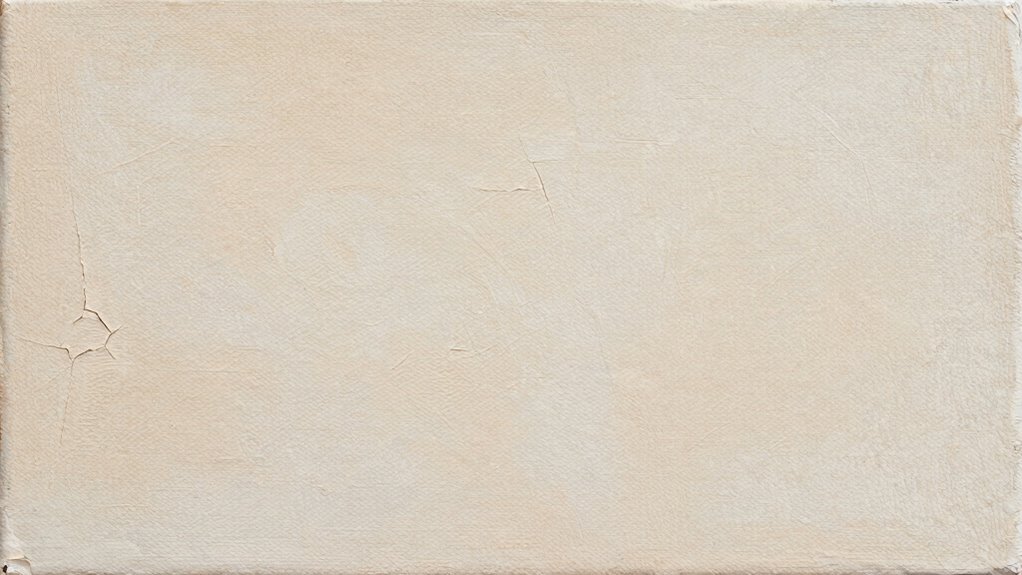

Gesso is a primer that creates a smooth, absorbent surface for your artwork, which helps improve color vibrancy and adhesion. Proper priming prevents issues like cracking and peeling by providing flexibility and sealing the surface. Thin, even coats ensure a durable finish, while different types suit various mediums. When you apply gesso correctly, your colors stay vivid, and your artwork lasts longer. Keep exploring to discover how mastering gesso techniques can elevate your art.
Key Takeaways
- Gesso creates a smooth, absorbent surface that enhances color vibrancy and prevents uneven paint application.
- Proper priming with gesso improves adhesion, reducing the risk of cracking, peeling, and surface deterioration over time.
- Thin, even coats of gesso prevent tension during drying, minimizing surface cracks and surface imperfections.
- Gesso’s flexibility and barrier properties help absorb surface movement, protecting artwork from environmental stress.
- Correct surface prep and application techniques ensure long-lasting, vibrant colors and a durable painting surface.
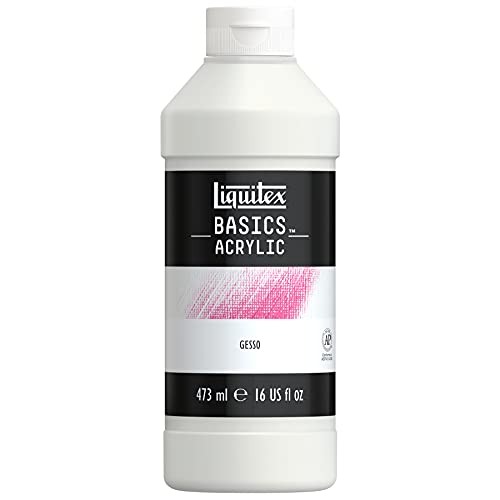
Liquitex BASICS Gesso Surface Prep Medium, 473ml (16-oz) Bottle, White
Good quality base coat primer; one coat is usually all that is required.
As an affiliate, we earn on qualifying purchases.
As an affiliate, we earn on qualifying purchases.
What Is Gesso and How Does It Work?
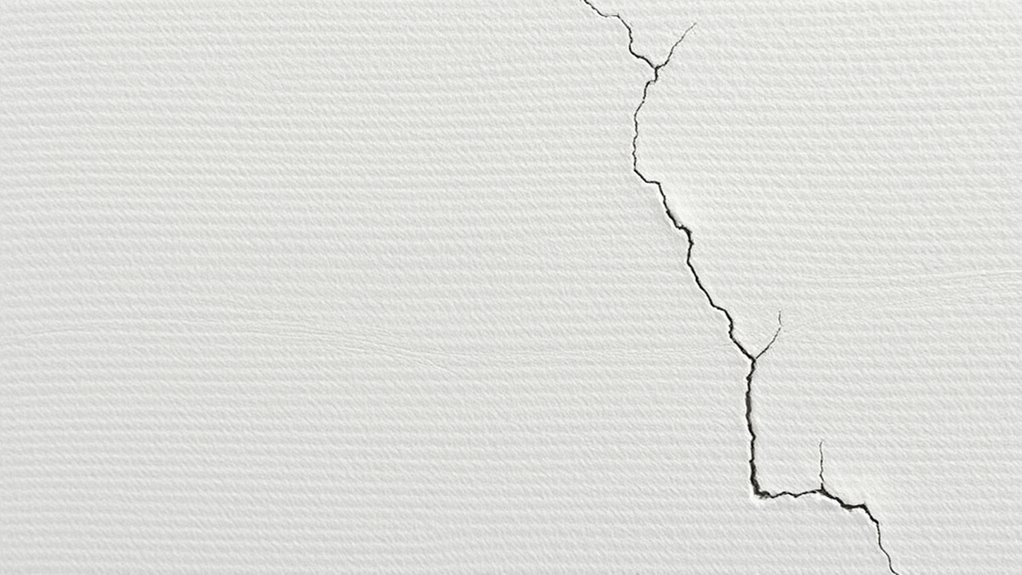
Have you ever wondered how artists prepare their surfaces for painting? Gesso is a specially formulated primer that creates a smooth, absorbent surface for your artwork. Its composition typically includes a binder like acrylic or chalk, combined with a pigment such as titanium dioxide, making it versatile and easy to apply. Many artists prefer gesso because of its ability to create an ideal surface preparation for various mediums.
When you prime with gesso, you improve adhesion, preventing paint from soaking in too quickly and cracking over time. This priming benefits your work by ensuring colors stay vibrant and surface texture remains consistent.
Gesso acts as a barrier between your canvas and paint, offering a sealed, even base that enhances your painting’s durability. Understanding gesso’s composition and priming benefits helps you prepare surfaces effectively for lasting, professional-looking art. Additionally, using a proper primer like gesso can help you avoid issues such as surface cracking, ensuring your artwork remains intact over the years.

U.S. Art Supply White Gesso Primer – 16.9oz (500ml) for Oil & Acrylic Paint – Superior Coverage, Canvas Prep, Mixable White Gesso Paint Artists
Premium White Gesso Medium: High-quality 16.9-ounce (500ml) acrylic gesso designed to prime surfaces for acrylic and oil paints,…
As an affiliate, we earn on qualifying purchases.
As an affiliate, we earn on qualifying purchases.
How Gesso Priming Affects Your Colors

Gesso priming plays an essential role in how your colors appear and behave on the surface. When you apply gesso, it creates a smooth, even base that enhances color saturation, making your paints look more vibrant and true to their hues. Proper priming with gesso also helps prevent issues like cracking or peeling over time, ensuring the longevity of your artwork. A well-prepared surface can significantly improve paint adhesion, which contributes to the durability and appearance of your finished piece. Additionally, understanding the impact of contrast ratio on visual clarity can help artists choose the right gesso type to optimize their color depth. Recognizing how surface preparation influences final results can lead to more consistent and professional-looking artwork. Moreover, selecting the appropriate gesso formulation can further enhance color vibrancy and overall painting quality.
Liquitex BASICS Gesso Surface Prep Medium, 473ml (16-oz) Bottle, White
Good quality base coat primer; one coat is usually all that is required.
As an affiliate, we earn on qualifying purchases.
As an affiliate, we earn on qualifying purchases.
Why Gesso Prevents Cracking and Flaking

Applying gesso creates a flexible, well-bonded surface that prevents your paint layers from cracking or flaking over time. Its elasticity helps absorb movements in the canvas or panel, reducing stress that causes cracks. Additionally, the visual and auditory cues in techniques for mastering R sounds emphasize clear communication, similar to how gesso ensures surface clarity for painting. Gesso’s formulation enhances surface adhesion, ensuring your paint stays securely attached. This strong bond minimizes the risk of flakes peeling away, preserving your artwork’s integrity. The primer acts as a barrier, preventing moisture and environmental factors from weakening the underlying surface. By providing a consistent, stable base, gesso helps distribute paint evenly, reducing tension that leads to cracking. Moreover, the surface preparation process is crucial for achieving a durable finish, especially when working with different mediums. Properly primed surfaces can also help in managing environmental stress, which is essential for the longevity of artworks. Furthermore, the use of gesso reflects an understanding of artistic complexities, which can influence the longevity and durability of artworks. Incorporating essential oil formulations in the preparation process can also enhance the flexibility and resilience of the surface, further protecting your work from cracking over time.

Daniel Smith Acrylic Gesso, Titanium White, 32oz jar (284040006)
Daniel Smith Acrylic Gesso – Titanium White, 32 oz
As an affiliate, we earn on qualifying purchases.
As an affiliate, we earn on qualifying purchases.
Exploring Different Types of Gesso for Your Projects
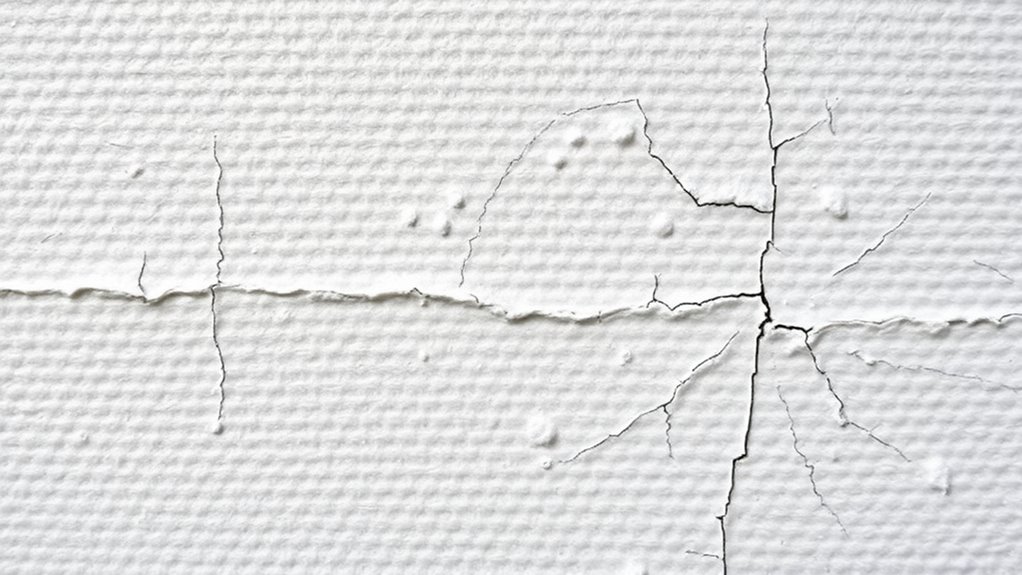
Choosing the right type of gesso can considerably impact the durability and appearance of your artwork. There are different texture options, from smooth to heavily textured, allowing you to customize your surface based on your project needs. Using the appropriate surface preparation ensures your paint adheres properly and prevents issues like cracking or peeling over time. Additionally, understanding the composition of gesso helps in selecting the best type for your specific medium and desired finish. Acrylic gesso is popular for its quick drying time, flexibility, and ease of use, making it suitable for both beginners and professionals. Its fast drying properties also allow artists to work efficiently and layer their paintings more quickly. Oil gesso, on the other hand, offers a richer surface with a slightly more absorbent finish, ideal for traditional oil painting techniques. Your choice depends on the desired texture and the type of paint you plan to use. Experimenting with these options helps you find the best gesso to create a stable, visually appealing foundation tailored to your artistic style.
How to Apply Gesso for the Best Results
To get the best results when applying gesso, start by preparing your surface properly—clean it thoroughly and remove any dust or grease.
Use smooth, even strokes when applying the gesso to guarantee a uniform coat without streaks or bubbles.
Focus on your technique to build up thin layers, letting each dry completely before adding the next for a flawless finish.
Proper Surface Preparation
Before you start applying gesso, preparing your surface properly is vital. Make sure the surface is clean, dry, and free of dust, grease, or loose particles to promote ideal surface adhesion. Engaging in proper surface preparation can also foster a growth mindset, encouraging you to experiment and learn from each step of your artistic process. If you’re working on canvas, lightly sanding the surface can help create a better grip for the gesso. For other materials like wood or plaster, smooth out any irregularities or imperfections before priming. Applying a thin, even layer of gesso enhances texture, allowing the paint to adhere more effectively and improving the final appearance. Proper surface preparation prevents cracking and uneven absorption later on. Taking your time to prepare the surface thoroughly can also help minimize issues related to material compatibility, ensuring your artwork remains durable over time. Additionally, selecting the appropriate priming material based on your medium can significantly impact the longevity and appearance of your finished piece. Understanding the surface preparation process and its influence on paint adhesion can lead to a more professional and lasting finish for your artwork. This step is essential for achieving a smooth, durable, and visually appealing primed surface that will support your artistic work.
Optimal Application Techniques
Applying gesso correctly is key to achieving a smooth, durable surface. Use smooth, even brush techniques to spread the gesso, starting with thin layers. Avoid heavy coats that can cause cracking or uneven texture. Work in gentle, overlapping strokes, and don’t rush the process. Proper application techniques can significantly impact the final appearance and longevity of your project. After each layer, allow sufficient drying time—either air dry in a dust-free area or use a fan to speed up the process. Proper drying methods prevent cracking and ensure a firm, well-bonded surface. Additionally, controlling environmental factors like humidity and temperature can influence drying time and overall results. Lightly sand between coats with fine-grit sandpaper for a smoother finish if needed. Consistent application and careful drying help you achieve a professional-quality primed surface, ready for painting. Mastering these techniques guarantees your artwork’s longevity and vibrant color. To further improve adhesion and prevent future cracking, consider surface preparation before applying gesso, which can also enhance the adhesion properties of the primer.
Common Gesso Priming Mistakes and How to Avoid Them
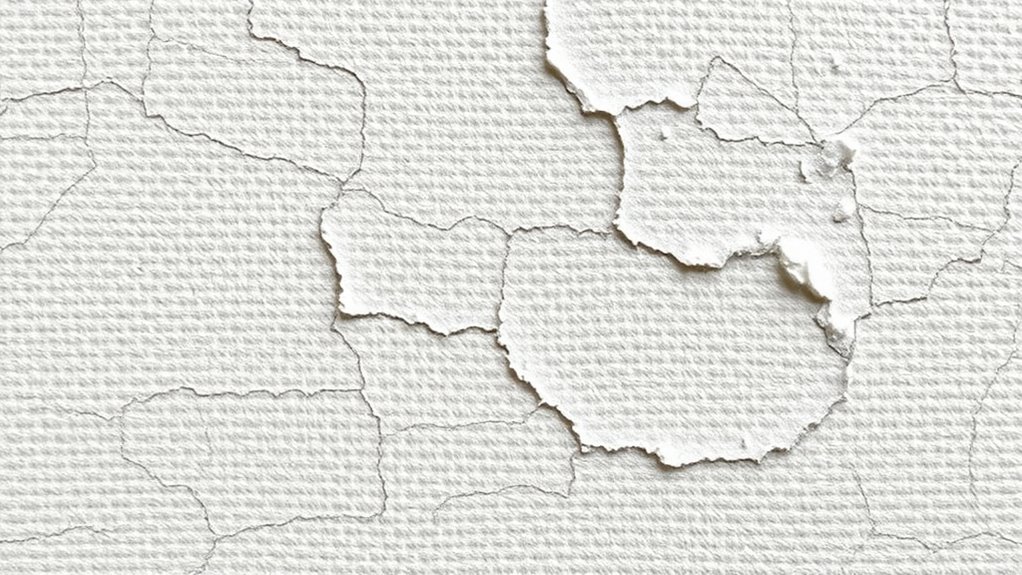
One common mistake when gessoing is applying thick, uneven coats that can cause cracking or peeling as the surface dries. To avoid this, make sure your surface is clean and free of dust, grease, or other contaminants. Excess surface contamination hampers adhesion, leading to imperfections. Also, watch your application thickness; too thick layers increase the risk of cracking. Instead, apply multiple thin coats, allowing each to dry thoroughly. Visualize the surface like this:
| Surface Condition | Impact on Gessoing |
|---|---|
| Clean, dry | Proper adhesion, smooth finish |
| Contaminated | Poor adhesion, uneven surface |
| Thin coats | Flexibility, fewer cracks |
| Thick coats | Increased cracking, peeling |
Additionally, understanding surface preparation can significantly improve the durability and appearance of your gessoed surface. Proper surface preparation ensures better adhesion and longevity of the finish, preventing common issues like cracking and peeling. Being mindful of climate conditions during application can also help reduce the risk of surface issues related to moisture or temperature fluctuations. Furthermore, paying attention to application techniques can lead to a more even and durable finish, reducing the likelihood of future problems.
Frequently Asked Questions
Can Gesso Be Used on Non-Traditional Surfaces?
Yes, you can use gesso on non-traditional surfaces like glass, fabric, or metal. Just remember proper surface preparation: cleaning and sometimes lightly sanding to guarantee good adhesion.
Check material compatibility because gesso works best on porous or semi-porous surfaces. Applying a suitable primer or sealant beforehand might be necessary for non-porous materials.
This helps prevent cracking and ensures your artwork sticks well and looks vibrant.
How Long Should Gesso Dry Before Painting?
You should wait about 30 minutes to an hour for gesso to dry before painting. The drying time depends on factors like thickness and humidity, so make certain the surface feels dry and matte to the touch.
Proper drying is essential for surface readiness, preventing issues like paint cracking or uneven application. Rushing the process can compromise your artwork, so give it enough time to fully dry for the best results.
Is There a Difference Between Acrylic and Traditional Gesso?
Yes, there’s a difference between acrylic vs traditional gesso. Acrylic gesso is made with acrylic polymer, making it more flexible, durable, and quick-drying.
Traditional gesso uses a binder like chalk or chalk-like substances, which gives it a matte, absorbent surface ideal for certain painting techniques.
If you want a fast, versatile primer, acrylic gesso is your best choice; for a more absorbent, traditional surface, go with traditional gesso.
Can Gesso Be Applied Over Existing Paint Layers?
Yes, you can apply gesso over existing paint layers, but guarantee the surface has good adhesion. Clean the surface thoroughly to remove dust and grease, then lightly sand to improve surface adhesion.
Applying gesso helps create a better bond between the new layer and the underlying paint, which enhances overall surface adhesion and prevents issues like cracking or peeling.
Always check that the existing paint is compatible with the gesso for ideal results.
How Does Gesso Influence the Longevity of Artwork?
Gesso considerably influences your artwork’s longevity by improving paint adhesion and protecting the surface. When you apply gesso properly, it creates a stable, sealed layer that prevents paint from peeling or cracking over time.
This surface preservation ensures your artwork remains vibrant and intact longer, reducing wear caused by environmental factors. Regularly priming with gesso helps maintain your piece’s structural integrity, making your artwork more durable and lasting through the years.
Conclusion
Understanding gesso helps you choose the right type and application for your artwork. Proper priming enhances color vibrancy, prevents cracking, and creates a smooth surface. By avoiding common mistakes and following best practices, you’ll achieve professional-looking results that last. Remember, taking the time to prime correctly makes a big difference in your final piece’s appearance and durability. So, experiment, learn, and enjoy the process of creating beautiful art with well-prepared surfaces.