
TL;DR
Listen free for 30 days with Audible
Thousands of audiobooks and originals — cancel anytime.
Start your free trialAs an affiliate, we earn on qualifying purchases.
Recent studies indicate that psychoactive substances may have significantly contributed to the rise of ancient Andean civilizations. The research highlights the cultural and spiritual importance of mind-altering drugs in this region’s history, although many details remain unconfirmed.
Recent scholarly research suggests that the use of mind-altering drugs played a significant role in the emergence and development of ancient Andean civilizations. This new line of investigation indicates that psychoactive substances may have influenced social, religious, and political structures in the region, although the evidence remains under study and not yet conclusively proven.
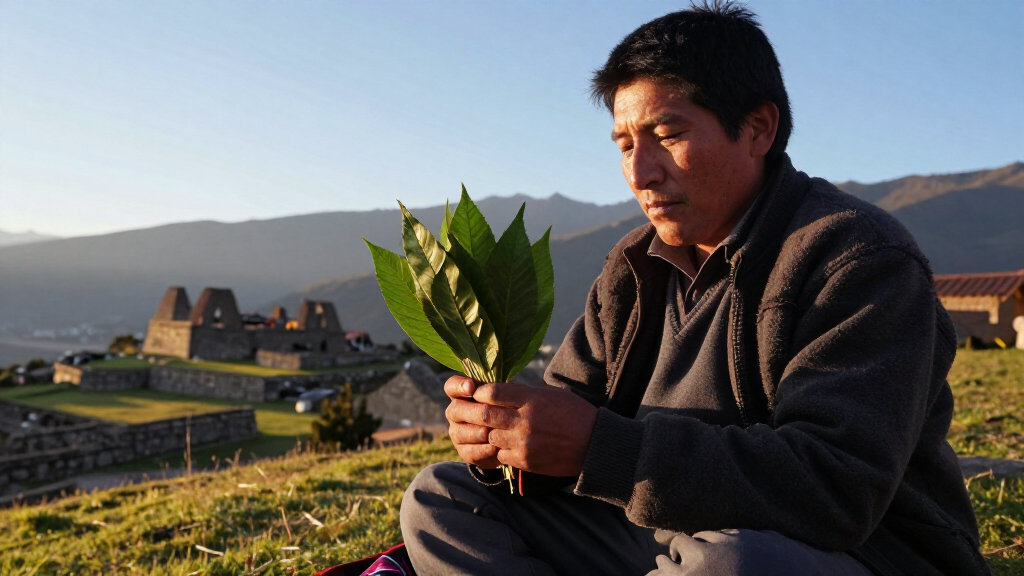
Multiple archaeological findings and ethnobotanical studies point towards the widespread use of psychoactive plants such as coca, san Pedro cactus, and other substances among early Andean peoples. Researchers have identified residues in ceremonial sites and artifacts that suggest these substances were integral to spiritual rituals and social cohesion.
While the exact extent of their influence is still under debate, some scholars argue that these drugs facilitated altered states of consciousness that supported leadership, religious experiences, and societal organization. The hypothesis has gained traction amidst rising academic interest, driven by new chemical analyses and comparative cultural studies.
However, much of this research remains preliminary, with some experts cautioning against overinterpretation of the available evidence. The role of psychoactive substances in societal development is complex and intertwined with other factors such as environmental adaptation, agriculture, and trade networks.
Implications of Psychoactive Substance Use in Ancient Societies
This emerging research could reshape understanding of how early Andean civilizations developed their social and spiritual systems. If confirmed, it would highlight the importance of mind-altering drugs as catalysts for cultural cohesion, religious practice, and political authority in ancient South America. Such insights might also influence broader discussions about the role of psychoactive substances in human history and societal evolution.
Understanding these historical practices can shed light on the cultural significance of substances like coca and san Pedro cactus today, which remain central to indigenous identities and rituals. It also raises questions about the continuity of psychoactive substance use from ancient times to present-day indigenous traditions.
As an affiliate, we earn on qualifying purchases.
Historical and Archaeological Background of Psychoactive Use in the Andes
The use of psychoactive plants in the Andes dates back thousands of years, with evidence from archaeological sites indicating ritualistic consumption as early as 2000 BCE. Coca leaves, in particular, have been integral to Andean culture for millennia, used for medicinal, spiritual, and social purposes.
Recent chemical residue analyses at sites such as Pachacamac and Tiwanaku have identified substances linked to psychoactive plants, bolstering the hypothesis that these drugs played a role in religious ceremonies and leadership rituals. Historically, these practices are believed to have contributed to social cohesion and political authority, especially among shamans and rulers.
Interest in this topic has surged as new interdisciplinary studies combine ethnobotany, chemistry, and archaeology, aiming to clarify how widespread and influential these substances truly were in shaping societal structures.
As an affiliate, we earn on qualifying purchases.
Unconfirmed Aspects of Psychoactive Influence on Society
While evidence of psychoactive plant use is mounting, it is still unclear to what extent these substances directly influenced societal development or leadership structures. Many interpretations remain speculative, and definitive causal links have yet to be established. The precise cultural and spiritual roles these drugs played are still being investigated, with ongoing debates among scholars about their significance versus other social factors.
As an affiliate, we earn on qualifying purchases.
Future Research Directions on Psychoactive Substances in the Andes
Researchers plan to conduct further chemical analyses on additional archaeological sites to better understand the prevalence and context of psychoactive substance use. Interdisciplinary collaborations involving ethnobotany, chemistry, and anthropology are expected to deepen insights into how these substances affected societal and religious practices. Publication of new findings is anticipated over the next year, which could clarify the role of mind-altering drugs in ancient Andean civilization.
As an affiliate, we earn on qualifying purchases.
Key Questions
What specific psychoactive plants were used in ancient Andes?
Evidence points to the use of coca leaves, san Pedro cactus, and possibly other indigenous plants known for their psychoactive properties.
How conclusive is the evidence linking drugs to societal development?
The evidence is suggestive but not yet definitive. Researchers are still investigating the extent to which these substances influenced social and religious structures.
Why is this research important today?
Understanding the historical significance of psychoactive substances can inform current indigenous practices and contribute to broader discussions about their cultural and spiritual roles throughout history.
Are these substances still used in indigenous rituals today?
Yes, substances like coca and san Pedro cactus remain central to many indigenous rituals and cultural practices in the Andes.
Source: hn
NFL season / tailgating Picks
team gear
As an affiliate, we earn on qualifying purchases.