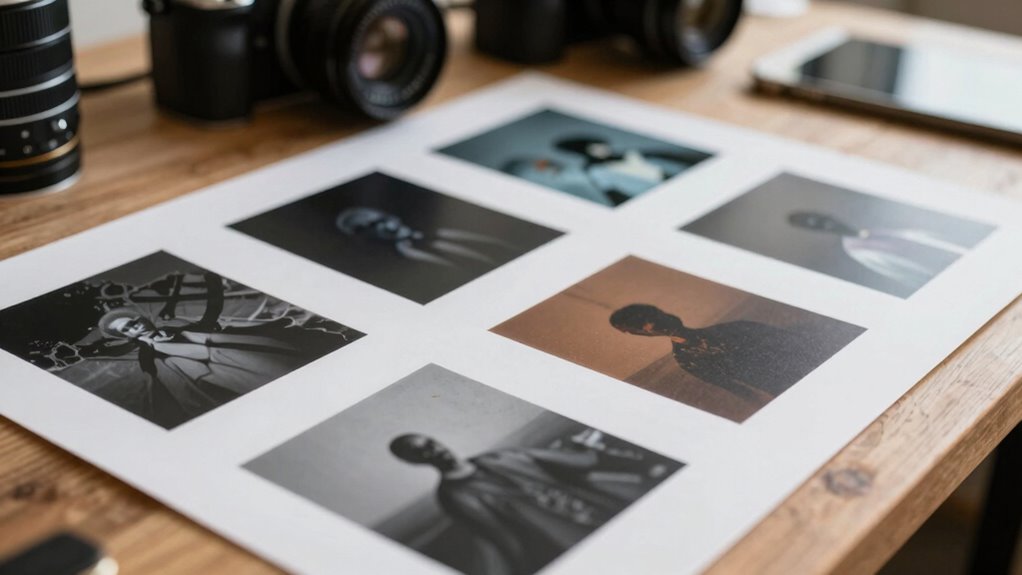

Process shots, proofs, and test prints are essential tools you can use to spot issues early and guarantee your project turns out perfect. They help you verify color accuracy, identify discrepancies, and make necessary adjustments before going all-in. These steps save you time, money, and frustration by catching problems upfront. If you keep exploring, you’ll discover how these methods can elevate your print quality and keep your production on track.

Prime made for students and young adults
- Fast, free delivery for dorm and study essentials
- Prime Video and Amazon Music included
- Member-only deals
Key Takeaways
- They serve as early indicators to catch color discrepancies, saving time and costs in the printing process.
- Process shots, proofs, and test prints ensure final quality aligns with design expectations.
- These steps help identify technical issues and material interactions before large-scale production.
- Incorporating these stages enhances color accuracy, durability, and overall print quality.
- They act as essential quality control measures, reducing reprints and safeguarding brand reputation.
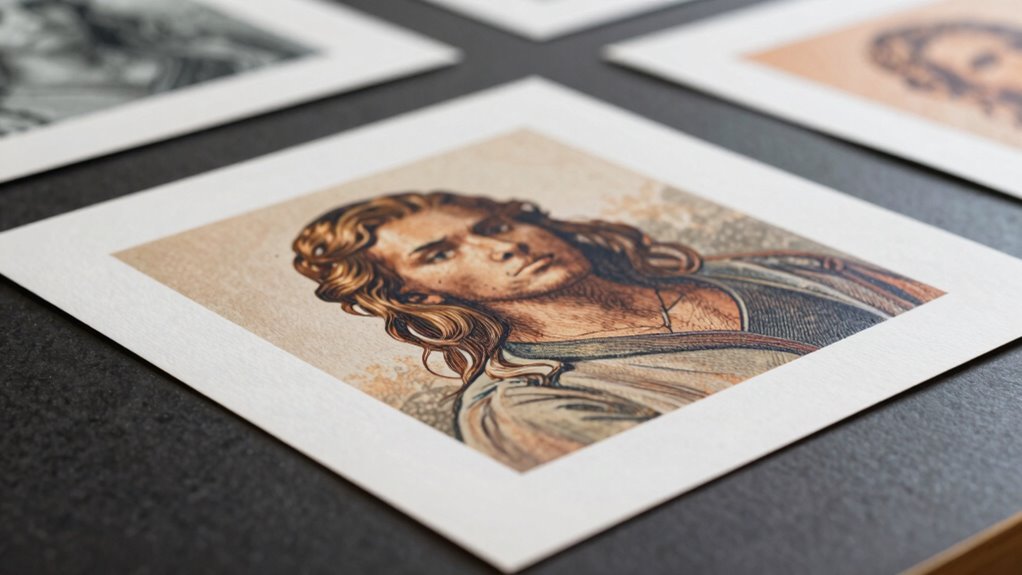
Have you ever wondered why process shots, proofs, and test prints are essential steps in the printing process? These steps aren’t just about checking colors or making sure the design looks right — they serve as vital checkpoints that can save you time, money, and frustration down the line. When you start with a process shot, you get an initial look at how colors will appear on your chosen medium. This isn’t just about visual appeal; it’s about achieving color accuracy. Without this early verification, you risk ending up with prints that don’t match your original vision, which can be costly to fix later. Proper process shots help you see if the colors are true to your design and make necessary adjustments before moving forward. Incorporating printing techniques into your workflow ensures that your process shots and proofs are aligned with industry standards for quality.
Process shots ensure color accuracy early, saving time and costs by catching issues before printing progresses.
Proofs take this a step further by offering a closer, more detailed preview of the final product. They give you a tangible sample to evaluate, allowing you to assess not only color accuracy but also how the print will hold up over time. For instance, you might notice that certain hues fade or shift after exposure to light or handling. This is where print durability comes into play. By reviewing proofs, you can identify potential issues with how the inks or materials will perform once printed in large quantities. If a certain ink isn’t durable enough or if colors aren’t holding up as expected, you can rectify that early, saving you from costly reprints or dissatisfied clients later. Recognizing the importance of quality control** during this stage helps ensure consistency across your print runs. Additionally, thorough evaluation of proofs allows for adjustments in color management** to attain accurate reproduction.
Test prints are your final quality assurance before mass production. They simulate the actual printing process on a smaller scale, revealing any technical problems or inconsistencies. When you examine test prints, you’re checking for the same critical factors: color accuracy and print durability. These insights allow you to fine-tune your printer settings, adjust ink levels, or choose better materials to ensure your final run is flawless. Additionally, understanding how different materials interact with ink can prevent unexpected issues during large-scale production. By catching issues during the test print stage, you prevent expensive errors and guarantee that your finished product will meet your standards for both appearance and longevity.
In essence, process shots, proofs, and test prints aren’t just procedural steps—they’re your safety net for quality. They empower you to control color accuracy, ensuring your colors are vibrant and true to your design, while also confirming that your prints will stand the test of time. Skipping these steps risks ending up with subpar results that could damage your reputation or inflate your costs. Embracing this process means you’re investing in a better final product, one that looks professional and lasts longer, satisfying both your expectations and those of your clients.
color calibration proofing printer
As an affiliate, we earn on qualifying purchases.
As an affiliate, we earn on qualifying purchases.
Frequently Asked Questions
How Do Process Shots Impact Final Project Timelines?
Process shots impact your final project timelines by allowing you to catch color calibration issues early, preventing delays later. When you review these shots, you can make adjustments promptly, ensuring project efficiency. Skipping this step might lead to unexpected color problems during printing or production, which takes more time to fix. Hence, incorporating process shots keeps your project on schedule and reduces costly rework, saving you both time and resources.
What Are Common Mistakes to Avoid With Proofs?
To avoid proofing pitfalls, always double-check for errors and inconsistencies before approval. You might overlook small details that affect quality control, so review proofs carefully. Don’t rush the process—hasty approvals can lead to costly mistakes later. Communicate clearly with your team to guarantee everyone’s on the same page. By paying close attention, you safeguard your project’s quality, saving time and resources in the long run.
How Do Test Prints Improve Color Accuracy?
Test prints improve color accuracy by allowing you to perform precise color calibration, ensuring your monitor and printer are aligned. You can identify color deviations early and make adjustments before the final print, which enhances print consistency. This process helps catch color issues that might not be visible on-screen, saving time and resources while producing true-to-life colors in your final project.
Can Process Shots Be Reused for Multiple Projects?
You can reuse process shots for multiple projects, but it depends on project variability. If your projects share similar color profiles, materials, and printing conditions, reusing process shots saves time and guarantees consistency. However, when project requirements differ considerably, creating new process shots becomes necessary to uphold quality. Always evaluate the similarities between projects to decide whether process shot reuse is practical or if fresh shots are needed.
What Is the Cost Difference Between Proofs and Test Prints?
Proofs typically cost less than test prints, but the difference varies based on your project’s complexity and volume. Conducting a cost analysis helps you understand these expenses better, aiding in production budgeting. Proofs are usually quicker and cheaper for initial approvals, while test prints may involve higher costs for detailed quality checks before final production. Balancing both allows you to control costs effectively and guarantee quality standards.
As an affiliate, we earn on qualifying purchases.
Conclusion
By embracing process shots, proofs, and test prints, you open a treasure chest of insights hidden beneath the surface. These tools act as your guiding stars, illuminating imperfections before they become costly mistakes. Think of them as the secret brushstrokes in a masterpiece—subtle yet essential. When you harness their true value, you craft not just prints, but stories woven with precision, passion, and purpose, transforming every project into a work of art.
As an affiliate, we earn on qualifying purchases.
As an affiliate, we earn on qualifying purchases.
Fall Picks
fall essentials
As an affiliate, we earn on qualifying purchases.