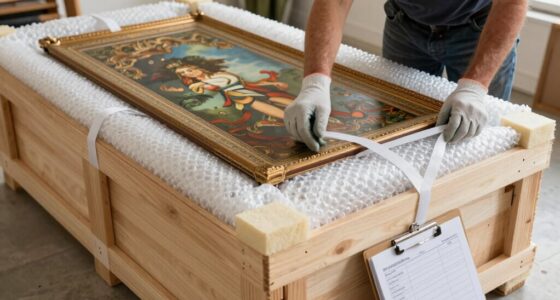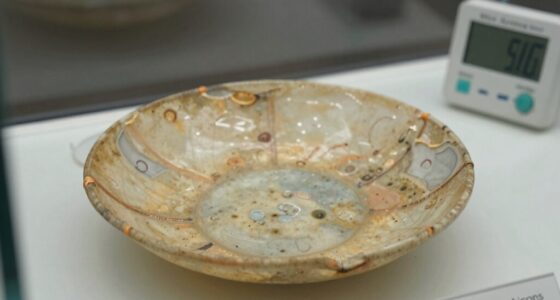

Backing boards play a vital yet often unnoticed role in safeguarding your framed art. They provide a sturdy, acid-free barrier that protects your artwork from humidity, dust, and physical damage, helping it stay vibrant and intact over time. By supporting the piece structurally and preventing warping, backing boards guarantee your artwork remains in pristine condition. If you want to uncover more about how these hidden protectors keep your art safe, keep exploring this topic further.

Get school and study supplies delivered free — and shop member deals
- Fast, free delivery on millions of items
- Access to Prime Big Deal Days deals on October 6–7
- Prime Video, Amazon Music and more included
Key Takeaways
- Backing boards provide essential structural support, maintaining artwork flatness and preventing warping over time.
- They act as protective barriers, shielding artwork from environmental factors like humidity, dust, and direct contact.
- Made from archival materials, they prevent chemical reactions that could cause deterioration or discoloration.
- Their hidden role ensures the artwork’s long-term stability, preserving value and visual integrity.
- Proper backing enhances overall presentation, ensuring a neat and professional display for framed art.
When you frame a piece of art, backing boards often go unnoticed, but they play an essential role in preserving and showcasing your artwork. These boards provide a sturdy foundation that protects the piece from environmental factors, such as humidity, dust, and physical damage. In the context of museum preservation, backing boards made from archival quality materials are vital. They guarantee that the artwork remains in pristine condition over time, preventing deterioration caused by acids or chemicals found in lesser-quality boards. Using archival quality backing boards means you’re choosing materials that are acid-free, lignin-free, and chemically stable, which considerably reduces the risk of discoloration, staining, or warping.
Archival backing boards protect artwork from damage and ensure long-term preservation with acid-free, chemically stable materials.
The importance of backing boards in preservation isn’t just about physical support; it’s also about safeguarding the artwork’s integrity. When you select the right backing, you help prevent the artwork from coming into direct contact with framing glass, which can trap moisture and lead to mold growth or sticking. Archival quality backing boards act as a barrier, maintaining a buffer zone that protects delicate surfaces. This is especially essential if the artwork is displayed in areas with fluctuating temperature or humidity, where environmental conditions can accelerate deterioration. Choosing the right backing board also involves understanding archival quality materials, which are designed to last and protect delicate artworks over time. Additionally, understanding the specific material composition of backing boards helps in making the best choice for long-term preservation. Proper knowledge of material properties ensures you select the most suitable backing for your specific artwork.
A proper backing board also contributes to the overall visual appeal of the framed piece, ensuring a neat and professional presentation. In addition to preservation, backing boards enhance the overall presentation of your framed art. They help guarantee the piece remains flat and properly aligned within the frame, giving it a cleaner, more professional appearance. You’ll notice that an expertly chosen backing board also aids in maintaining the shape of the artwork, preventing warping or bending over time. This structural support is especially important for works on paper or lightweight materials, which are more susceptible to environmental changes. Moreover, high-quality backing boards can also help in preventing chemical reactions, which can otherwise cause damage to sensitive mediums over extended periods.
Choosing archival quality backing boards shows your commitment to long-term preservation. It’s a small detail that makes a big difference in how well your artwork withstands the test of time. Whether you’re framing a cherished family photo or a valuable piece of fine art, opting for museum preservation standards means you’re making an investment in durability and quality. This conscious decision guarantees your artwork remains vibrant, stable, and protected, all while looking its best for years to come. Ultimately, backing boards might be hidden behind the artwork, but their role in preservation and presentation is undeniable. They silently work to keep your prized pieces safe and beautiful, just as they do in professional museum settings.
archival backing boards for artwork
As an affiliate, we earn on qualifying purchases.
As an affiliate, we earn on qualifying purchases.
Frequently Asked Questions
How Do Backing Boards Affect Artwork Longevity?
Backing boards made from archival quality, acid-free materials protect your artwork from environmental damage, helping it last longer. They prevent dust, dirt, and moisture from reaching the art, reducing deterioration over time. By providing a sturdy, non-reactive backing, you guarantee your piece stays in good condition. Using acid-free backing boards is a simple yet essential step to maintain the integrity and longevity of your framed artwork.
Are There Different Types of Backing Boards for Various Artworks?
Did you know that over 80% of art conservators recommend archival quality, acid-free backing boards? Yes, different artworks require specific backing types. For example, paintings on paper often need acid-free, lignin-free boards to prevent deterioration, while textiles might need more supportive, moisture-resistant options. Selecting the right backing board guarantees your artwork stays preserved longer; always opt for archival quality materials tailored to each piece’s needs.
Can Backing Boards Be Recycled or Environmentally Friendly?
Yes, backing boards can be recycled or made from eco-friendly materials. You can explore recycling options like local recycling programs that accept cardboard or paperboard, or choose backing boards made from sustainable, biodegradable, or recycled materials. Look for options labeled as eco-friendly, which often use less harmful adhesives and dyes. By selecting environmentally conscious backing boards, you help reduce waste and support sustainable practices in framing.
How Often Should Backing Boards Be Replaced?
You should replace backing boards when they show signs of deterioration, such as warping, discoloration, or damage, to maintain archival standards. Use acid-free materials to guarantee your artwork stays preserved over time. Regularly inspecting your framed art helps you catch issues early. Replacing backing boards with acid-free, archival-quality materials prevents acid migration and protects your artwork, ensuring it remains in excellent condition for years to come.
Do Backing Boards Impact the Value of Collectible Art?
Think of backing boards as the silent guardians of your collectible art—they can truly influence its value. Using archival quality backing boards enhances preservation, safeguarding your artwork from deterioration. Skilled framing techniques that include high-quality backing boards demonstrate care and authenticity, boosting your piece’s desirability and worth. So, yes, choosing the right backing board impacts your art’s value, making it more appealing to collectors and ensuring its legacy endures.
acid-free backing boards for framing
As an affiliate, we earn on qualifying purchases.
As an affiliate, we earn on qualifying purchases.
Conclusion
You might not realize it, but backing boards are essential for preserving your artwork. They protect against environmental damage and keep your pieces looking their best for years to come. Did you know that properly backed framed art can last up to 50% longer than unprotected pieces? Next time you frame your artwork, remember the hidden power of backing boards—they’re the silent guardians that guarantee your art stays vibrant and intact over time.
As an affiliate, we earn on qualifying purchases.
archival quality backing board for art
As an affiliate, we earn on qualifying purchases.
As an affiliate, we earn on qualifying purchases.
Halloween Picks
halloween
As an affiliate, we earn on qualifying purchases.