You might notice some mediums break easily because of their intrinsic properties like brittleness, which makes materials prone to shattering under impact. Factors like flexibility and elasticity can help others absorb shocks better, while environmental influences like humidity, temperature changes, and UV exposure can weaken even tough materials over time. When a material’s structure isn’t designed to withstand these conditions, it becomes more fragile. Keep exploring to learn how these factors work together to impact material resilience.

Prime made for students and young adults
- Fast, free delivery for dorm and study essentials
- Prime Video and Amazon Music included
- Member-only deals
Key Takeaways
- Intrinsic material properties like brittleness and low elasticity increase fragility under stress.
- Environmental factors such as humidity, temperature, and UV exposure weaken certain mediums over time.
- Materials with poor resistance to environmental conditions are more prone to degradation and breakage.
- The interaction between fragile materials and harsh environments accelerates deterioration.
- Sudden impacts or temperature changes can cause brittle mediums to shatter more easily.
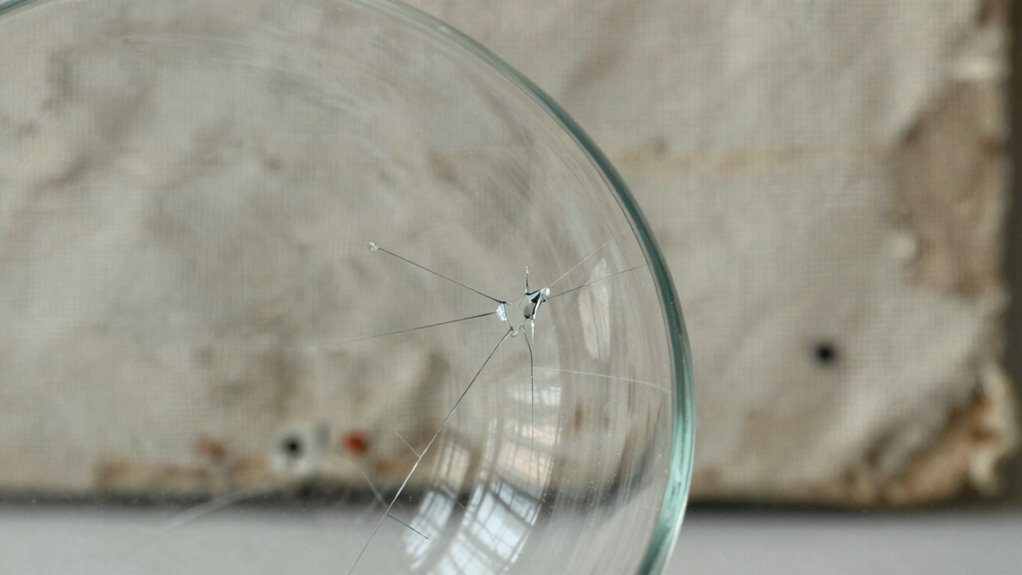
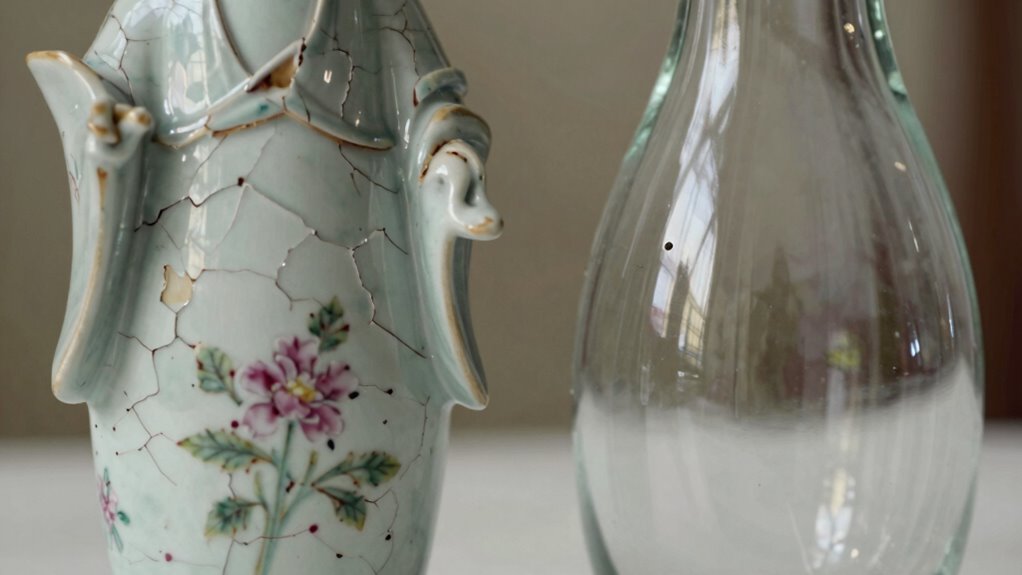
Have you ever wondered why some mediums break or degrade more easily than others? It all comes down to their material properties and the environmental factors they’re exposed to. Material properties refer to the intrinsic qualities of a substance, like its strength, flexibility, hardness, and brittleness. These qualities determine how well a medium can withstand stress, impact, or environmental changes. For example, glass is inherently brittle because its material properties favor transparency and smoothness over flexibility. When subjected to sudden force, it’s more likely to shatter than bend. Conversely, materials like rubber or certain plastics are more resilient because they possess elasticity, allowing them to absorb shocks without breaking.
Material properties like strength and brittleness determine how easily a medium breaks or withstands impact.
Environmental factors play a huge role in how quickly a medium deteriorates. Things like humidity, temperature fluctuations, exposure to chemicals, or even light can weaken a material over time. High humidity, for instance, can cause wood to swell and warp, making it more prone to cracking. Extreme cold can make some plastics brittle, increasing their chances of snapping under stress. Sunlight, especially UV rays, can degrade certain plastics and paints, causing them to crack, fade, or become brittle. When you combine unfavorable environmental conditions with materials that have poor resistance, the medium’s fragility becomes even more apparent. Understanding material resilience and how it interacts with environmental factors is crucial for maintaining the integrity of different mediums. Recognizing how material properties influence a medium’s response to external stresses can help in selecting appropriate materials for specific environments. Additionally, the presence of contaminants or pollutants can further accelerate deterioration, making it essential to consider environmental exposure in preservation efforts.
The interplay between material properties and environmental factors ultimately determines the lifespan and durability of a medium. For example, a ceramic vase may be strong under normal conditions but will shatter easily if dropped because of its brittle nature. On the other hand, a metal sculpture might withstand impacts better, thanks to its ductility and toughness, but can corrode if exposed to moisture and air over time. This is why understanding the specific material properties of a medium is essential when choosing the right one for a particular environment or purpose. If you’re dealing with a fragile medium, you need to take into account how environmental factors might accelerate its degradation.
In the end, it’s a combination of these factors that makes some mediums more fragile than others. Recognizing the material properties helps you predict how a medium will behave under different conditions, while understanding environmental influences allows you to take steps to protect or preserve it. Whether you’re handling delicate glassware or storing artworks, knowing what makes some mediums more vulnerable helps you make smarter choices and extend their lifespan.
As an affiliate, we earn on qualifying purchases.
Frequently Asked Questions
How Does Environmental Humidity Affect Medium Fragility?
Environmental humidity considerably impacts medium fragility. High humidity causes materials like paper, canvas, or wood to absorb moisture, weakening their structure and increasing fragility factors. Conversely, low humidity can dry out and crack certain mediums. You should monitor humidity effects carefully, as fluctuations can cause warping, mold growth, or deterioration. Proper climate control helps maintain the integrity of your mediums, reducing their vulnerability and ensuring long-lasting preservation.
Are Synthetic Mediums Generally More Durable Than Natural Ones?
Synthetic mediums are generally more durable than natural ones because their durability factors include resistance to environmental changes and physical wear. You might think natural materials are better, but synthetic options often withstand humidity, temperature shifts, and handling better. This makes them less fragile overall. Synthetic materials’ controlled manufacturing processes contribute to their strength, ensuring your artwork stays intact longer, even under less favorable conditions.
Can Handling Techniques Influence a Medium’s Fragility?
Yes, handling techniques can considerably influence a medium’s fragility and overall durability. You should handle artworks gently, avoiding unnecessary contact and applying proper support to prevent stress or damage. Using appropriate tools and techniques minimizes the risk of deterioration. By carefully managing how you handle and store a medium, you can enhance its durability, ensuring it remains intact and beautiful over time. Proper handling truly makes a difference in preserving fragile mediums.
What Role Does Age Play in the Fragility of Mediums?
Age plays a colossal role in a medium’s fragility, often causing exaggerated deterioration that can threaten its very existence. As time passes, age-related deterioration accelerates, making materials brittle, faded, or cracked beyond recognition. This profoundly hampers historical preservation efforts, as older mediums require meticulous care and advanced techniques to prevent inevitable decay. Without proper attention, centuries-old pieces could crumble into dust, lost forever to the ravages of time.
How Do Storage Conditions Impact a Medium’s Longevity?
You can considerably extend a medium’s longevity by controlling storage conditions. Pay attention to its chemical composition, as some materials are more sensitive to humidity, light, or temperature fluctuations. Always store your medium in appropriate storage containers that provide a stable environment and protect against environmental factors. Proper storage minimizes degradation, ensuring the medium remains durable and less fragile over time.
As an affiliate, we earn on qualifying purchases.
Conclusion
So, next time you handle different mediums, ask yourself: are you aware of their vulnerabilities? Some are more fragile because of their material makeup, while others are delicate due to their age or exposure. By understanding these differences, you can better protect and preserve them. After all, isn’t it worth taking extra care with something so fragile and unique? Remember, a little caution can go a long way in safeguarding these precious mediums for the future.
As an affiliate, we earn on qualifying purchases.
humidity resistant wood treatment
As an affiliate, we earn on qualifying purchases.
As an affiliate, we earn on qualifying purchases.
Evergreen bestsellers Picks
bestsellers
As an affiliate, we earn on qualifying purchases.