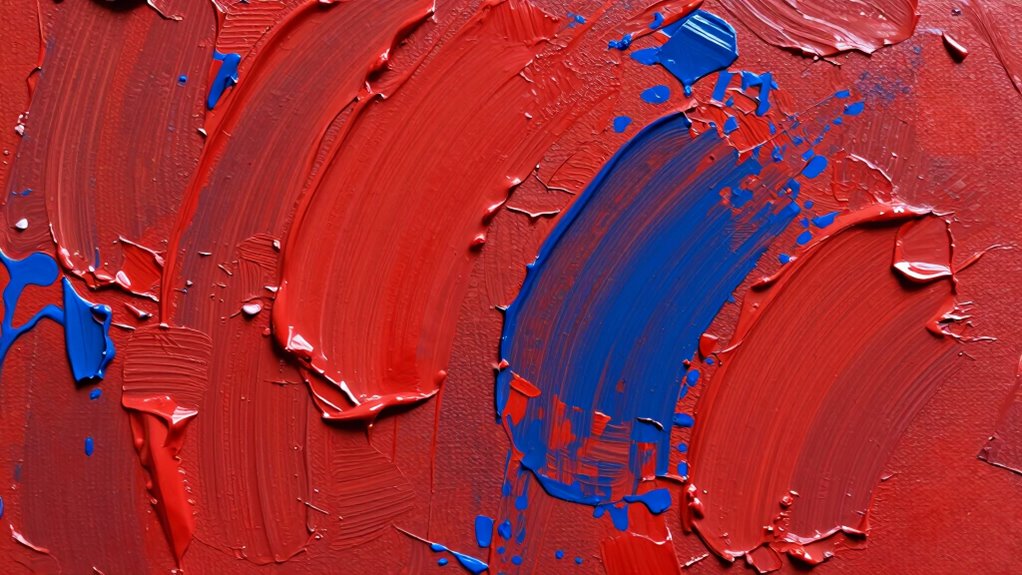
Artists make flat surfaces feel alive by adding rich, tactile textures that evoke emotion and create depth. They layer materials like paint, fabric, or sand, using techniques such as impasto or scratching to build physical dimension. These textures guide your eye and heighten sensory engagement, making the artwork feel vibrant and dynamic. If you keep exploring, you’ll discover how different methods can deepen this sensory and emotional connection even further.
Key Takeaways
- Artists apply thick impasto to create palpable ridges, adding physical depth to flat surfaces.
- They incorporate mixed media like fabric or sand to introduce tactile contrast and dimension.
- Techniques such as scratching or carving reveal underlying layers, enhancing texture and visual interest.
- Manipulating surface textures evokes emotional responses, making artworks feel more dynamic and alive.
- Varying textures guide viewers’ perception, encouraging physical and sensory engagement with the artwork.
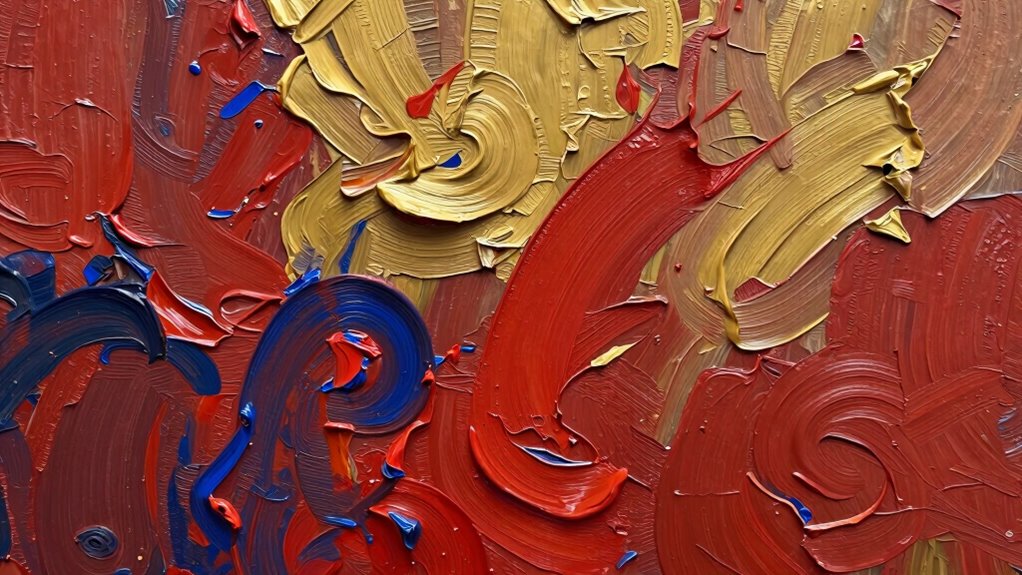
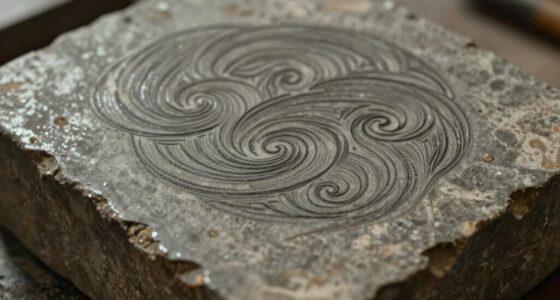
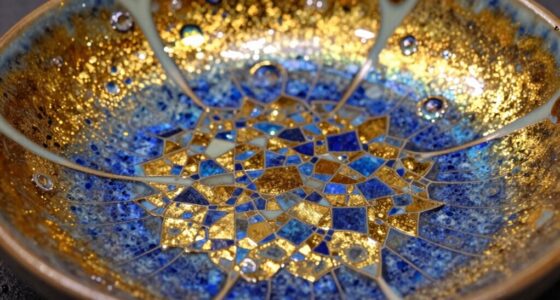
Have you ever wondered how artists create a sense of depth and emotion in their work? One powerful way they do this is through the clever use of texture. Texture transforms flat surfaces into dynamic, engaging visuals that seem to almost leap off the canvas. Artists don’t just rely on paint alone; they explore mixed media to add layers of tactile contrast, making their artwork feel alive. When you look at a piece with rich texture, it’s not just a visual experience—you can almost feel the roughness, smoothness, or ridges, engaging your senses beyond sight. This tactile contrast heightens emotional impact, drawing you into the artist’s world. Using mixed media is key to creating textured surfaces. Artists combine different materials—such as paper, fabric, sand, or found objects—with paint or ink. This blending of mediums adds physical dimension, turning a two-dimensional surface into a multi-layered story. When you observe an artwork with mixed media, you notice how certain areas pop out because of the build-up of materials, while others recede into the background. The interplay of these textures guides your eye across the piece and evokes feelings—perhaps chaos, serenity, or energy—depending on the artist’s intent. The tactile contrast gives each element a unique character, making the entire composition more engaging and emotionally resonant. Beyond mixed media, artists use various techniques to manipulate texture directly. They might apply thick impasto layers of paint to create palpable ridges or scratch into surfaces to reveal underlying layers. These methods invite you to explore the artwork not just visually but almost physically. When you touch a textured piece, you might notice how certain areas feel rough or smooth, encouraging a deeper connection. This sensory involvement makes the artwork more memorable and impactful, as it stimulates your sense of touch alongside your sight. Incorporating various techniques such as these allows artists to further emphasize the tactile qualities of their work. Additionally, understanding how texture influences perception can help viewers appreciate the emotional depth that artists aim to convey. Recognizing the role of mixed media in creating textured surfaces can deepen your appreciation for the artist’s skill and intention. Ultimately, texture breathes life into flat surfaces by adding richness and complexity. It transforms a simple canvas into a vibrant experience, inviting you to see and feel the work in multiple dimensions. Artists intentionally craft tactile contrast through mixed media and techniques like impasto or scratching, knowing it will evoke emotion and create a sense of depth. Incorporating the tactile qualities of materials can enhance the sensory richness of the artwork. When you stand before such a piece, you’re not just observing; you’re engaging with a layered, textured world that makes the artwork resonate on a profound level. That’s the magic of texture—making flat surfaces feel alive.

CONDA Palette Knife Painting Stainless Steel Spatula Palette Knife Oil Paint Metal Knives Wood Handle (Red 5 Piece)
ARTIST PALETTE KNIFE: 12.75'' W x 6'' H x 0.5'' D, 5 Pieces Set includes 1-each of all…
As an affiliate, we earn on qualifying purchases.
As an affiliate, we earn on qualifying purchases.
Frequently Asked Questions
How Does Texture Influence Viewer Emotions in Art?
Texture influences your emotions by engaging your senses and creating emotional resonance. When you see rough, smooth, or layered textures, it can evoke feelings of comfort, tension, or excitement. The tactile quality invites you to imagine how things might feel, deepening your connection with the artwork. This sensory engagement makes the experience more immersive, allowing you to emotionally respond to the artist’s intention and the story behind the piece.
What Tools Do Artists Use to Create Textured Surfaces?
You wield tools like palette knives, brushes, and sponges to sculpt textured surfaces. Artists often employ layering techniques, building up paint or materials to create depth, while mixed media combines various substances—like fabric, sand, or paper—to evoke tactile richness. These tools serve as your brushes and chisel, transforming flat canvases into vibrant terrains, inviting viewers to feel the surface’s story beneath their fingertips and eyes alike.
Can Digital Art Replicate Traditional Textural Effects?
Yes, digital art can replicate traditional textural effects through digital simulation techniques. You can use specialized brushes, layered effects, and filters to mimic tactile authenticity, creating surfaces that feel alive and dynamic. By manipulating these tools, you gain the ability to simulate rough, smooth, or intricate textures, making your artwork visually engaging. This approach allows for realistic textural depth without physical materials, enhancing your creative possibilities.
How Does Texture Affect the Perception of Depth?
Texture profoundly influences your perception of depth by creating a tactile illusion that makes flat surfaces feel more dimensional. When artists add surface variation, your eyes interpret differences in texture as cues for distance and form. This tactile illusion tricks your brain into perceiving depth, making the artwork lively and engaging. By emphasizing surface variation, artists guide your focus and enhance the overall three-dimensionality of the piece.
What Are the Environmental Impacts of Textured Art Materials?
You might think textured art materials are harmless, but they can have environmental impacts. Using eco-friendly pigments reduces chemical waste, while recycled materials minimize landfill waste and resource extraction. However, some textures require synthetic additives or non-biodegradable components, increasing pollution. By opting for sustainable options, you help protect ecosystems and reduce your carbon footprint. Embracing recycled and eco-friendly materials ensures your art not only looks alive but also contributes to a healthier planet.

Artbreezing Mixed Media Art Set,55 Pack Painting Supplies Kit with Tabletop Sketch Box Easel and Various Accessories,Complete Painting Set for Students Artists Beginners
Complete 55pcs Mixed Media Art Set:This art paint set has it all.The 55 accessories include high-quality acrylic and…
As an affiliate, we earn on qualifying purchases.
As an affiliate, we earn on qualifying purchases.
Conclusion
By embracing texture, you bring your flat surfaces to life, inviting viewers to experience depth and emotion beyond the visual. You transform a simple canvas into a vibrant story, where every stroke and surface variation adds meaning. Isn’t it incredible how a touch of texture can turn a plain image into something immersive and alive? So, next time you create, ask yourself—how will your textures invite others to feel, touch, and connect with your art?

GACDR Paint Brush Comb Set – 4PCS Professional Grainer Brushes for Acrylic Painting, Oil & Watercolor – Texture Brushes for Artists & Beginners, Short Handle
【Professional Paint Brush Comb Set for Artists】 The GACDR Comb Brush set includes 4 premium comb-tip brushes in…
As an affiliate, we earn on qualifying purchases.
As an affiliate, we earn on qualifying purchases.

Scratch Painting Art Tool, 11 Pieces Scratching Drawing Tool Set, Including Artist Glove, Tool Bag, Scratch Coloring Pens, Plastic and Wooden Stylus, Scraper, Clean Brush
【Scratch Off Tool】 You will get 2 x Scratch Art Pens, 2 x white Scraper, 2 x Bamboo…
As an affiliate, we earn on qualifying purchases.
As an affiliate, we earn on qualifying purchases.