
To protect your framed prints from dust, heat, and daily wear, use UV-protective glass and archival-quality framing materials to block harmful rays and prevent damage. Place your artwork away from direct sunlight and avoid humid areas to control moisture. Gently dust the frames regularly with a soft cloth, handle them with clean hands, and support the frame during movement. Proper maintenance and insulation can considerably extend your print’s lifespan—more tips await as you keep exploring.
Prime for Young Adults — start your free trial
Fast free delivery, streaming and member deals for eligible 18–24 year olds.
As an affiliate, we earn on qualifying purchases.
Key Takeaways
- Use UV-protective glass or acrylic to shield prints from dust and harmful rays.
- Maintain stable environmental conditions, avoiding heat sources and excessive humidity.
- Regularly dust frames with a soft, dry cloth and inspect for signs of wear or damage.
- Place prints away from direct sunlight, heat, and areas prone to frequent contact or pollution.
- Ensure proper framing with acid-free materials and professional mounting techniques for added protection.
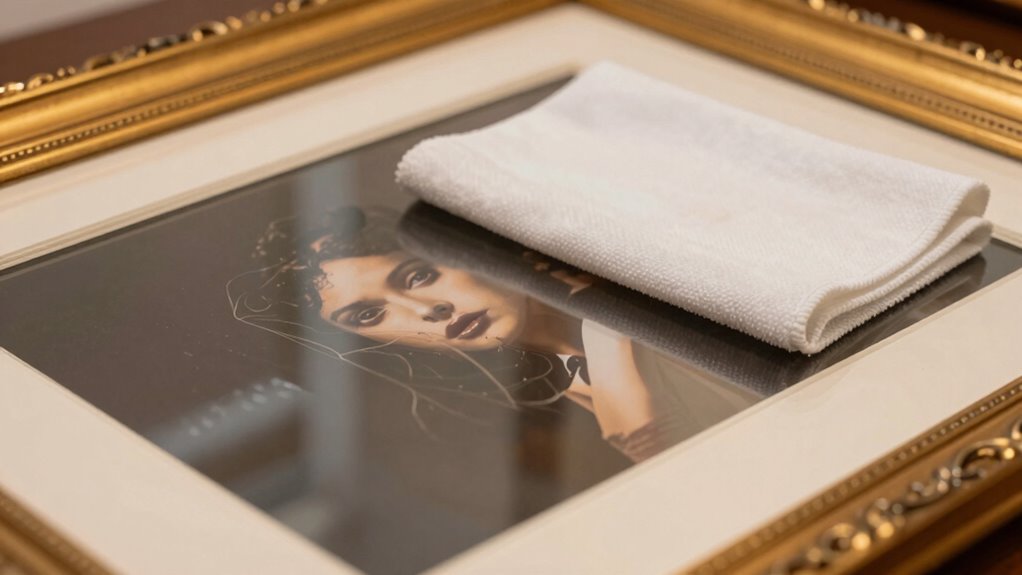
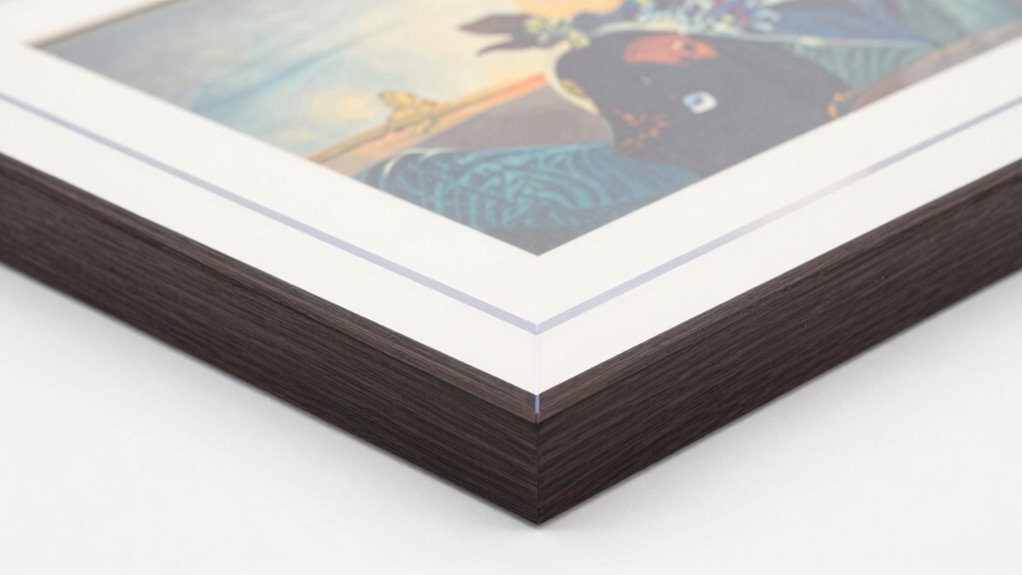
Protecting your artwork from dust, heat, and daily wear requires more than just hanging it on the wall. One of the most important considerations is shielding it from UV damage. Ultraviolet rays can cause fading, discoloration, and deterioration of both the print and its frame. To combat this, you should use UV-protective glass or acrylic in your framing. These materials block harmful rays while still allowing you to enjoy the view of your print. Additionally, consider placing your framed print in a spot that’s away from direct sunlight or harsh artificial lighting. Regularly rotating or repositioning your artwork can also help minimize prolonged exposure to light, preserving its vibrancy over time.
Moisture control is another crucial factor. Excess humidity can lead to mold growth, warping, or even staining your print. Conversely, very dry conditions can cause paper to become brittle and more prone to cracking. To prevent these issues, keep your framed prints in a stable environment with regulated humidity levels. Using a dehumidifier in damp areas or silica gel packets inside the frame can help absorb excess moisture. Avoid placing your artwork in kitchens, bathrooms, or near windows where condensation might form. Proper ventilation is essential, especially in areas prone to temperature fluctuations, which can lead to condensation buildup behind the glass. Maintaining consistent environmental conditions can significantly extend the lifespan of your prints. When cleaning your framed prints, avoid using excessive moisture or harsh chemicals; instead, gently dust the surface with a soft, dry cloth. This prevents dirt buildup that can accelerate deterioration. Regular inspections can help detect early signs of damage, allowing for timely intervention.
Furthermore, understanding how UV rays affect artwork emphasizes the importance of protecting your prints from harmful sunlight. Proper framing materials, such as acid-free mats and backing, prevent acids from damaging your print. When mounting, use archival-quality adhesives or hinges to avoid discoloration or damage over time. Regular inspections are crucial. Look for signs of fading, discoloration, or moisture intrusion, and address problems promptly. If you notice any issues, consult a professional conservator for advice on restoration or conservation techniques. Handling your framed prints with clean hands and minimal contact also helps prevent oils and dirt from transferring onto the surface. When moving or cleaning, support the frame securely to avoid accidental drops or knocks. Additionally, consider professional framing techniques to enhance long-term preservation. By paying attention to UV damage, moisture control, and proper handling, you ensure that your cherished prints stay vivid and intact for many years to come.
UV-protective glass for framed prints
As an affiliate, we earn on qualifying purchases.
As an affiliate, we earn on qualifying purchases.
Frequently Asked Questions
How Often Should I Clean the Inside of the Frame?
You should clean the inside of the frame every 6 to 12 months, depending on dust accumulation and environmental conditions. Use gentle cleaning techniques like a soft brush or compressed air to remove dust without damaging the print. Regular frame maintenance helps preserve your artwork and prevents dust buildup. Avoid harsh chemicals and excessive moisture, and always handle the frame carefully to keep your framed print looking its best over time.
Can Sunlight Damage Framed Prints Over Time?
Yes, sunlight can damage framed prints over time. UV damage causes fading, discoloration, and deterioration of the artwork’s surface. To prevent this, you should minimize direct sunlight exposure, use UV-protective glass or acrylic, and position your prints away from windows. By shielding your prints from UV damage, you guarantee vibrant colors and preserve your artwork’s quality for years to come. Protecting against fading prevention keeps your framed prints looking fresh and beautiful.
What Materials Are Best for Dust-Proofing Frames?
You should use materials like acrylic or glass for dust-proofing, as they offer excellent glass preservation and prevent dust buildup. Seal the frame with high-quality frame sealing tape or weather-resistant gaskets to block out dust and moisture. These materials create a barrier, safeguarding your print from dust and environmental damage, while maintaining clarity and preventing deterioration over time. Proper sealing guarantees your framed print stays pristine longer.
Are There Any Specific Protective Coatings for Prints?
Protective coatings like archival sprays can safeguard your prints without sacrificing clarity. These coatings create a barrier against dust, UV rays, and moisture, helping preserve your artwork’s vibrancy over time. While they sound delicate, quality archival sprays are designed for durability and conservation. Use them carefully, following instructions, to guarantee your print stays protected from everyday wear and environmental damage, keeping your cherished piece pristine for years to come.
How Do I Store Framed Prints Long-Term?
To store framed prints long-term, you should focus on frame preservation and archival storage. Keep them in a cool, dry, dark environment to prevent damage from heat, moisture, and light. Use acid-free materials, like archival tissue or paper, inside the frame or wrapping. Store them upright, avoiding stacking, and periodically check for signs of deterioration. Proper storage guarantees your prints stay vibrant and intact for years to come.
archival-quality framing materials
As an affiliate, we earn on qualifying purchases.
As an affiliate, we earn on qualifying purchases.
Conclusion
By safeguarding your framed prints from dust, heat, and daily wear, you preserve their beauty and meaning. Yet, in shielding them, you also create a barrier that isolates their story from everyday life. Like a silent guardian, your protection guarantees longevity, but it can also distance you from their essence. Balance is key—protect enough to preserve, but not so much that you forget the memories they hold.
dehumidifier for artwork preservation
As an affiliate, we earn on qualifying purchases.
As an affiliate, we earn on qualifying purchases.
As an affiliate, we earn on qualifying purchases.
Fall Picks
fall essentials
As an affiliate, we earn on qualifying purchases.