
Understanding surface imperfections helps you see an item’s true character and history. You’ll learn to recognize flaws like scratches, chips, or discoloration, which can indicate age or authenticity. Not all imperfections lower value—some add charm and story. Careful restoration preserves worth without damaging originality. Maintaining proper storage and handling prolongs their life. To deepen your appreciation and make smarter choices, discover how flaws tell compelling stories behind your collectibles.

Prime made for students and young adults
- Fast, free delivery for dorm and study essentials
- Prime Video and Amazon Music included
- Member-only deals
Key Takeaways
- Recognize common flaws like scratches, chips, and discoloration to assess an item’s age and authenticity.
- Understand that some imperfections add character, while others may indicate damage or poor preservation.
- Use gentle cleaning and professional restoration techniques to preserve original features without overdoing it.
- Maintain proper storage conditions—controlled humidity, light, and handling—to prevent new surface flaws.
- View surface imperfections as part of an item’s story, enhancing its historical value and unique character.
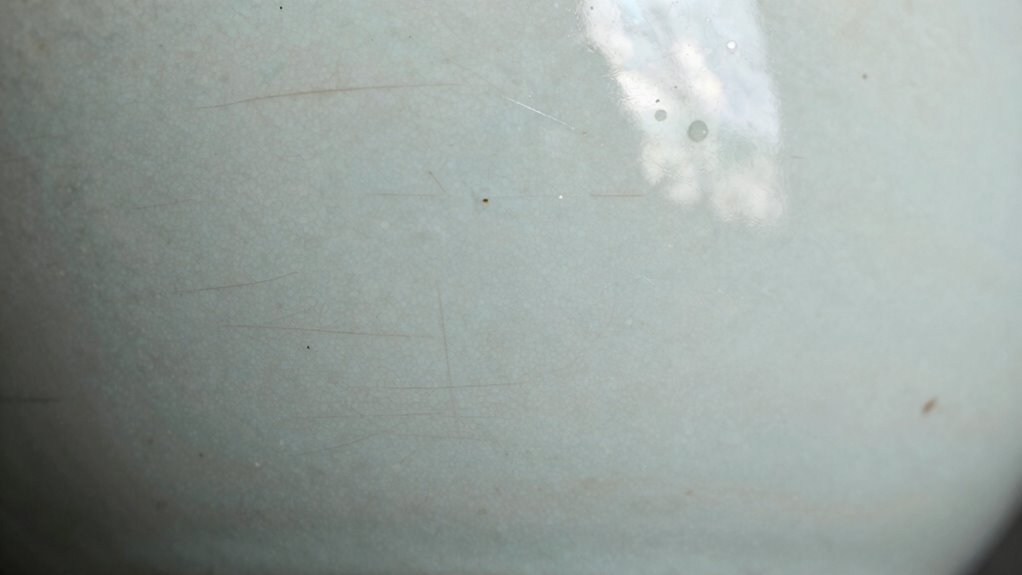
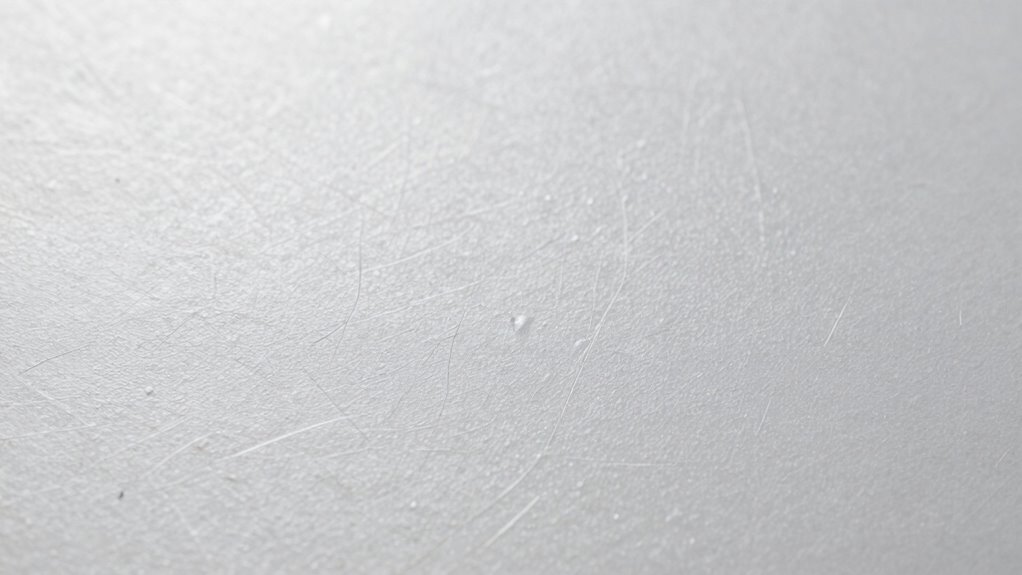
When evaluating collectible items, surface imperfections often catch your eye first, but understanding what they are and how they affect value can make all the difference. These imperfections—scratches, chips, discoloration, or etching—can tell you a lot about an item’s history, condition, and potential worth. Recognizing the types of surface flaws helps you decide whether they diminish the item’s value or if they’re minor enough to be overlooked. Furthermore, knowing about restoration techniques and preservation methods allows you to maintain or even enhance your collection’s integrity. Understanding surface imperfections involves not only identifying flaws but also appreciating how they can contribute to an item’s character and authenticity. Restoration techniques are valuable tools if you’re aiming to improve an item’s appearance. For example, gentle cleaning, filling small chips with compatible materials, or carefully polishing surfaces can restore a piece’s original look without damaging it. However, it’s vital to approach restoration with caution. Over-restoring can sometimes devalue an item, especially if it alters or obscures its authenticity. Using appropriate restoration methods ensures that you preserve the item’s original character while improving its visual appeal. When in doubt, consulting a professional conservator can help you decide which techniques will be beneficial without risking damage. Preservation methods are equally important for maintaining your collection’s value over time. Proper storage conditions—such as controlled humidity, consistent temperature, and minimal light exposure—prevent further surface imperfections from developing. Handling items carefully and using protective coverings can shield them from scratches or accidental damage. Regular inspection is also key; catching minor imperfections early allows you to address issues before they worsen. Implementing proper preservation techniques can significantly extend the lifespan of your collectibles and safeguard their value. Applying preservation methods consistently ensures your collectibles stay in top condition, retaining their appeal and worth for years to come. Understanding surface imperfections requires not only recognizing what is unavoidable and what can be improved but also appreciating how they can tell a story behind each flaw, enriching your connection to the piece. Sometimes, surface imperfections can reveal authentic aging signs, adding to the item’s historical significance. Not every flaw reduces value—some add character or prove authenticity. When imperfections do detract, employing appropriate restoration techniques can often improve the appearance without compromising the item’s integrity. Simultaneously, adopting sound preservation methods helps prevent new flaws from forming. Combining these approaches empowers you to make informed decisions, ensuring your collection remains valuable and visually appealing. In the end, appreciating the story behind each surface imperfection can deepen your connection to your collectibles, turning flaws into features that tell a unique story.
collectible surface flaw magnifier
As an affiliate, we earn on qualifying purchases.
As an affiliate, we earn on qualifying purchases.
Frequently Asked Questions
How Do Surface Imperfections Affect an Item’s Value?
Surface imperfections can lower an item’s value because they affect surface durability and overall appearance. Collectors often use imperfection grading to assess how noticeable or severe these flaws are. If imperfections are minor, the item’s value might stay high, but significant flaws can decrease desirability and price. You should always consider surface durability and imperfection grading when evaluating an item’s worth, as they directly influence its market value.
Are Some Imperfections More Acceptable Than Others?
Some imperfections are more acceptable than others, especially if they blend into the item’s surface perception, like a tiny scratch barely noticeable in certain lighting. These minor flaws often have minimal aesthetic impact, allowing the piece to retain its beauty and value. You might find that small, less obvious imperfections are forgiven, while prominent ones, disrupting the surface harmony, can considerably lower an item’s desirability and worth.
Can Surface Imperfections Be Repaired or Restored?
Yes, surface imperfections can often be repaired or restored. Restoration techniques like polishing, filling, or chemical treatments help improve appearance. The repair costs vary depending on the severity of the imperfection and the method used. You should consider these factors to decide if restoration is worth it. Keep in mind that some imperfections may be more challenging or expensive to fix, but many surface flaws are repairable with proper techniques.
Do Different Materials Show Imperfections Differently?
Yes, different materials show imperfections differently. Material-specific defects, like scratches on metal or cracks on ceramics, stand out uniquely. Texture variations are more noticeable on textured surfaces like wood or fabric, where imperfections disrupt the pattern or feel. You’ll find that understanding these differences helps you identify and assess surface flaws more accurately, whether you’re inspecting antiques, collectibles, or everyday items, ensuring you recognize what’s genuine or damaged.
How Can I Prevent Surface Imperfections in My Collection?
You can prevent surface imperfections by mastering cleaning techniques and choosing the right storage solutions. Use gentle cleaning methods—no harsh scrubbing—that protect your collection from scratches and stains. Store items carefully in padded, dust-proof containers, keeping them away from humidity and temperature fluctuations. Regularly inspect and handle your pieces with clean hands. These simple, proactive steps will save your collection from disaster-level damage, keeping it pristine and perfect for years to come.
As an affiliate, we earn on qualifying purchases.
Conclusion
So, now that you’re armed with the grand secrets of surface imperfections, go forth and impress your friends with your newfound expertise. Remember, every flaw is just a hidden story waiting to be uncovered — or a charming trait that adds character. Don’t fret over perfection; embrace those quirks and imperfections like a true connoisseur. After all, who needs flawless when you can have fascinating? Happy collecting, and may your imperfections be ever intriguing!
collectible preservation storage
As an affiliate, we earn on qualifying purchases.
As an affiliate, we earn on qualifying purchases.
professional conservation supplies
As an affiliate, we earn on qualifying purchases.
As an affiliate, we earn on qualifying purchases.
Fall Picks
fall essentials
As an affiliate, we earn on qualifying purchases.