When searching for a wifi router high speed, performance, coverage, and future-proof features top the list. The ASUS RT-BE90U WiFi 7 Router stands out as the best overall thanks to its tri-band setup and blazing 9.4 Gbps speed, ideal for demanding households and gaming. The NETGEAR Nighthawk WiFi 7 RS90 is a strong choice for larger spaces, offering high speed over 2,000 sq ft, while the TP-Link AX5400 Archer AX73 provides excellent value for users wanting solid WiFi 6 performance. However, tradeoffs include higher prices for cutting-edge tech or potential complexity for less tech-savvy users. Keep reading for a detailed breakdown of these options to find the perfect high-speed router for your needs.

Prime made for students and young adults
- Fast, free delivery for dorm and study essentials
- Prime Video and Amazon Music included
- Member-only deals
Key Takeaways
- WiFi 7 routers generally offer faster speeds and better future-proofing compared to WiFi 6 models, but come at a higher cost.
- Tri-band setups tend to provide more stable high-speed connections for multiple devices and large households.
- Coverage area varies significantly; larger homes benefit from routers with extended range or mesh capabilities.
- Price often correlates with advanced features; budget options may sacrifice speed or coverage, so prioritize your needs.
- The best high-speed routers balance raw performance with ease of setup and long-term reliability.
| ASUS RT-BE90U WiFi 7 Router – Tri-Band (6GHz), 9.4 Gbps, 2.5G WAN, Mesh |  | Best Overall High-Speed WiFi Router | WiFi Standard: WiFi 7 (802.11be) | Bands: Tri-band (2.4GHz, 5GHz, 6GHz) | Max Speed: 9.4 Gbps | VIEW ON AMAZON | See Our Full Breakdown |
| TP-Link AX5400 WiFi 6 Router (Archer AX73) |  | Best Value High-Speed WiFi 6 Router | Max Speed: 5400 Mbps | Coverage: 2000 sq. ft. | Number of Antennas: 6 | VIEW ON AMAZON | See Our Full Breakdown |
| NETGEAR Nighthawk WiFi 7 Router RS90, Up to 2,000 sq ft, 3.6 Gbps |  | Best for Fast, Reliable WiFi in Medium Homes | Speed: Up to 3.6 Gbps | Coverage: Up to 2,000 sq ft | Bands: Dual-band WiFi 7 | VIEW ON AMAZON | See Our Full Breakdown |
| TP-Link BE6500 Dual-Band WiFi 7 Router (BE400) |  | Best Dual-Band WiFi 7 for Large Homes | Technology: Wi-Fi 7 | Bands: Dual-Band | Maximum Speed: up to 5764 Mbps | VIEW ON AMAZON | See Our Full Breakdown |
| NETGEAR Nighthawk WiFi 7 Router, Up to 2,500 sq ft, 9.3 Gbps | 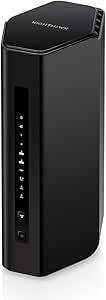 | Best for Extensive Coverage and Speed | Coverage: Up to 2,500 sq ft | Max Speed: 9.3 Gbps | Bands: Tri-band | VIEW ON AMAZON | See Our Full Breakdown |
| TP-Link Tri-Band WiFi 7 Router (Archer BE600) |  | Best Overall for Large, Tech-Savvy Homes | WiFi Technology: WiFi 7 | Tri-Band Speeds: up to 5,765 Mbps | Coverage: up to 2,600 sq. ft. | VIEW ON AMAZON | See Our Full Breakdown |
| NETGEAR Nighthawk WiFi 7 Router RS140, Up to 2,250 sq ft, 5 Gbps |  | Best for Large Homes with Moderate Speed Needs | WiFi Standard: WiFi 7 | Maximum Speed: 5 Gbps | Coverage Area: 2,250 sq ft | VIEW ON AMAZON | See Our Full Breakdown |
| NETGEAR Nighthawk WiFi 6 Router R6700AX, Up to 1,500 sq ft, 1.8 Gbps |  | Best for Small Homes and Apartments | WiFi Standard: WiFi 6 | Max Speed: 1.8 Gbps | Coverage: up to 1,500 sq ft | VIEW ON AMAZON | See Our Full Breakdown |
| TP-Link AX1800 WiFi 6 Router (Archer AX21 V5) |  | Best for Budget-Conscious Users Needing Speed | Technology: Wi-Fi 6 (802.11ax) | Bands: Dual-band | Total Bandwidth: 1.8 Gbps | VIEW ON AMAZON | See Our Full Breakdown |
| TP-Link Tri-Band WiFi 7 Router (Archer BE550) |  | Best for Future-Proof High-Speed Streaming and Gaming | WiFi Technology: WiFi 7 | Speed: up to 9.2 Gbps | Bands: Tri-Band | VIEW ON AMAZON | See Our Full Breakdown |
| GL.iNet GL-MT6000 Flint 2 Wi-Fi 6 Gaming Router Dual 2.5G Ports |  | Best Overall for High-Speed Gaming and Streaming | Wi-Fi Standard: Wi-Fi 6 | Max Speed: 6 Gbps | RAM: 1GB DDR4 | VIEW ON AMAZON | See Our Full Breakdown |
| GL.iNet GL-BE9300 Flint 3 Tri-Band Wi-Fi 7 Router |  | Best for Extensive Coverage with Fast Wi-Fi 7 | Wi-Fi Standard: Wi-Fi 7 | Frequency Band: Tri-Band | Maximum Speed: 9 Gbps | VIEW ON AMAZON | See Our Full Breakdown |
| TP-Link AXE5400 Tri-Band WiFi 6E Router |  | Best for Cutting-Edge WiFi 6E Performance and Security | WiFi Speed: up to 5400 Mbps | WiFi Bands: Tri-Band (6 GHz, 5 GHz, 2.4 GHz) | 6 GHz Speed: 2402 Mbps | VIEW ON AMAZON | See Our Full Breakdown |
| TP-Link Tri-Band WiFi 7 Router, Archer BE770 |  | Best for High-Capacity, Future-Proof Homes | WiFi Bands: Tri-band (6 GHz, 5 GHz, 2.4 GHz) | Maximum Speed: 11,528 Mbps (6 GHz) | Antennas: 10 internal | VIEW ON AMAZON | See Our Full Breakdown |
| Starlink Gen 3 Wi-Fi Router with Wi-Fi 6 and Dual Band WLAN |  | Best for Reliable Satellite Internet with Water Resistance | Compatibility: Starlink Gen 3, Mini Kit | Water Resistance: IP56 | Ethernet Ports: 2 | VIEW ON AMAZON | See Our Full Breakdown |
| wifi router high speed | Ports | Coverage |
|---|---|---|
| ASUS RT-BE90U WiFi 7 Router | Quad 2.5G ports | Up to 2500 sq ft |
| TP-Link AX5400 WiFi 6 Router | — | 2000 sq. ft. |
| NETGEAR Nighthawk WiFi 7 Route | One 2.5 Gbps WAN, four 1 Gbps LAN | Up to 2,000 sq ft |
| TP-Link BE6500 Dual-Band WiFi | 1x 2.5 Gbps WAN, 3x 1 Gbps LAN | up to 2400 sq ft |
| NETGEAR Nighthawk WiFi 7 Route | 1x 2.5G WAN, 2x 2.5G LAN, 2x 1G LAN | Up to 2,500 sq ft |
| TP-Link Tri-Band WiFi 7 Router | 1x 10 Gbps WAN/LAN, 1x 2.5 Gbps WAN/LAN, 3x 2.5 Gbps LAN | up to 2,600 sq. ft. |
| NETGEAR Nighthawk WiFi 7 Route | 1 x 2.5 G WAN, 3 x 1 G Ethernet LAN | — |
| NETGEAR Nighthawk WiFi 6 Route | — | up to 1,500 sq ft |
| TP-Link AX1800 WiFi 6 Router | — | Long-range with Beamforming |
| TP-Link Tri-Band WiFi 7 Router | 1 x 2.5G WAN, 4 x 2.5G LAN | — |
| GL.iNet GL-MT6000 Flint 2 Wi-F | Dual 2.5G ports | — |
| GL.iNet GL-BE9300 Flint 3 Tri- | 5 | 2000 sq ft |
| TP-Link AXE5400 Tri-Band WiFi | — | — |
| TP-Link Tri-Band WiFi 7 Router | 1x 10 Gbps WAN/LAN, 1x 10 Gbps WAN, 4x 1 Gbps LAN | Up to 3,600 sq ft |
| Starlink Gen 3 Wi-Fi Router wi | — | — |
More Details on Our Top Picks
ASUS RT-BE90U WiFi 7 Router – Tri-Band (6GHz), 9.4 Gbps, 2.5G WAN, Mesh
The ASUS RT-BE90U stands out for its cutting-edge WiFi 7 tri-band technology, delivering up to 9.4 Gbps across three bands, which surpasses the speeds of many WiFi 6 options like the TP-Link AX5400. Its support for mesh extendability and 2.5G ports makes it ideal for large homes or users with extensive device needs. However, the setup process can be complex for less tech-savvy users, and its premium price may deter budget-conscious buyers. Compared to NETGEAR’s RS90, it offers higher maximum speeds but requires a more involved installation. This pick makes the most sense for homes demanding maximum speed and future-proofing, who are also comfortable with advanced setup procedures.Pros:- Exceptional WiFi 7 tri-band speeds up to 9.4 Gbps
- Supports extensive coverage with mesh extendability
- Multiple 2.5G ports for fast wired connections
- Advanced security features including AiProtection
Cons:- Setup can be technical and intimidating for beginners
- High price point may be prohibitive for some
Best for: Tech enthusiasts and large households seeking future-proof, ultra-high-speed mesh coverage.
Not ideal for: Casual users or small apartments where simpler, plug-and-play solutions suffice.
- WiFi Standard:WiFi 7 (802.11be)
- Bands:Tri-band (2.4GHz, 5GHz, 6GHz)
- Max Speed:9.4 Gbps
- Ports:Quad 2.5G ports
- Coverage:Up to 2500 sq ft
- Device Capacity:Up to 100 devices
Our verdict“This router is perfect for tech-savvy users who need maximum speed and coverage and are willing to handle complex setup.”
TP-Link AX5400 WiFi 6 Router (Archer AX73)
The TP-Link AX5400 (Archer AX73) provides impressive speeds up to 5400 Mbps, making it a reliable choice for streaming, gaming, and multiple device use. Its MU-MIMO, OFDMA, and beamforming technologies enable efficient device handling, comparable to more expensive WiFi 7 routers like the ASUS RT-BE90U, but at a more accessible price. It covers up to 2,000 sq. ft., which is ideal for medium-sized homes. Still, it requires a separate modem for internet connection, and performance can be affected by obstacles or interference. Unlike the NETGEAR Nighthawk RS90, it doesn’t support WiFi 7 but offers excellent performance for most users on a budget. This router is a smart pick for those who want high speed without paying a premium, but don’t need the latest WiFi 7 tech.Pros:- Fast WiFi 6 speeds up to 5400 Mbps
- Supports multiple devices with MU-MIMO and OFDMA
- Wide coverage for medium-sized homes
- Includes USB 3.0 port for media sharing
Cons:- Requires separate modem, adding extra setup steps
- Performance can vary based on environment
Best for: Gaming and streaming households seeking high speed at a reasonable price.
Not ideal for: Large multi-story homes or users wanting WiFi 7 compatibility, as it only supports WiFi 6.
- Max Speed:5400 Mbps
- Coverage:2000 sq. ft.
- Number of Antennas:6
- USB Ports:1x USB 3.0
- Power:12 V 2.5 A
Our verdict“A great high-speed WiFi 6 router for budget-conscious gamers and streamers in medium homes.”
NETGEAR Nighthawk WiFi 7 Router RS90, Up to 2,000 sq ft, 3.6 Gbps
The NETGEAR Nighthawk RS90 offers reliable WiFi 7 performance with speeds up to 3.6 Gbps and coverage of around 2,000 sq ft, making it suitable for streaming and gaming in medium-sized homes. Its dual-band WiFi 7 surpasses many WiFi 6 models in speed and efficiency, but it doesn’t reach the ultra-high 9.4 Gbps of the ASUS RT-BE90U. Its setup and app management are straightforward, and multi-gig ports support fast wired connections. Compared with the NETGEAR Armor security, it offers similar protection but requires a subscription. This router strikes a balance between speed and simplicity, ideal for users who want solid WiFi 7 performance without extra complexity. Larger multi-story homes may need additional nodes for full coverage, though.Pros:- Fast WiFi 7 speeds up to 3.6 Gbps
- Wide coverage for medium homes
- Easy setup and management via app
- Multi-gig Ethernet ports for wired speed
Cons:- Limited to 2,000 sq ft coverage, may need mesh for larger homes
- Security features require subscription after free trial
Best for: Home users wanting fast WiFi 7 coverage for streaming and gaming without complex setup.
Not ideal for: Very large or multi-story homes where mesh systems are necessary for complete coverage.
- Speed:Up to 3.6 Gbps
- Coverage:Up to 2,000 sq ft
- Bands:Dual-band WiFi 7
- Ports:One 2.5 Gbps WAN, four 1 Gbps LAN
- Security:NETGEAR Armor (subscription required)
Our verdict“A reliable WiFi 7 router for users who prioritize speed and ease of use in medium-sized homes.”
TP-Link BE6500 Dual-Band WiFi 7 Router (BE400)
The TP-Link BE6500 delivers high-speed dual-band WiFi 7, supporting up to 5764 Mbps on 5GHz and 688 Mbps on 2.4GHz, making it suitable for streaming, gaming, and smart devices. Its support for Multi-Link Operation and MU-MIMO allows efficient handling of multiple connections, comparable to the ASUS RT-BE90U but with a simpler setup via the Tether app. Its coverage of up to 2,400 sq. ft. makes it a good fit for larger homes, yet it doesn’t support mesh systems—limiting expandability. Advanced features like Airtime Fairness and Guest Networks are helpful, but may be overwhelming for casual users. Unlike the ASUS, it’s more straightforward to set up but less flexible in network expansion. This router suits those who want high speed and coverage without the complexity of mesh integration.Pros:- Supports high-speed WiFi 7 up to 5764 Mbps on 5GHz
- Easy setup with Tether app
- Large coverage area suitable for big homes
- Strong security features including WPA3 and HomeShield
Cons:- No mesh support, limiting expandability
- Requires separate modem for internet connection
Best for: Large households needing high-speed dual-band WiFi 7 with straightforward setup.
Not ideal for: Users seeking mesh support or multi-story coverage, as it isn’t compatible with mesh systems.
- Technology:Wi-Fi 7
- Bands:Dual-Band
- Maximum Speed:up to 5764 Mbps
- Coverage:up to 2400 sq ft
- Ports:1x 2.5 Gbps WAN, 3x 1 Gbps LAN
- Security:WPA3, HomeShield
Our verdict“Ideal for large homes that need fast, dual-band WiFi 7 with minimal setup complexity.”
NETGEAR Nighthawk WiFi 7 Router, Up to 2,500 sq ft, 9.3 Gbps
The NETGEAR Nighthawk WiFi 7 Router offers impressive speeds up to 9.3 Gbps with tri-band WiFi 7, covering large homes up to 2,500 sq ft. It’s comparable to the ASUS RT-BE90U in speed but emphasizes ease of setup and management via the Nighthawk app. Its multi-gig ports support fast wired connections, making it suitable for busy households with multiple devices and high bandwidth needs. However, similar to other high-end routers, real-world speeds depend on your connected devices and plan. Its security features, including a free trial of NETGEAR Armor, add value but require subscription renewal. This router is best suited for users who want a combination of high speed, large coverage, and simple management, though it may be overspending for smaller or less demanding environments.Pros:- High-speed WiFi 7 with up to 9.3 Gbps
- Extensive coverage up to 2,500 sq ft
- User-friendly app management
- Multi-gig wired ports for fast internet plans
Cons:- Speeds depend on connected devices and plans
- Requires subscription for continued security features
Best for: Large households or small offices needing fast WiFi 7 with broad coverage.
Not ideal for: Small apartments or users with modest internet needs, as it may be more than necessary.
- Coverage:Up to 2,500 sq ft
- Max Speed:9.3 Gbps
- Bands:Tri-band
- Ports:1x 2.5G WAN, 2x 2.5G LAN, 2x 1G LAN
- Compatibility:Most cable, fiber, DSL, satellite
- Security:NETGEAR Armor (trial)
Our verdict“A robust choice for large homes that demand high-speed WiFi with easy management and broad coverage.”
TP-Link Tri-Band WiFi 7 Router (Archer BE600)
The TP-Link Archer BE600 stands out for its exceptional tri-band speeds up to 5.77 Gbps, making it ideal for large households with demanding internet needs. Compared with the Netgear Nighthawk RS140, it offers higher maximum speeds and broader coverage—up to 2,600 sq. ft.—but this comes with increased complexity in setup for users unfamiliar with advanced networking. The device’s multiple multi-gig ports and comprehensive security features, including HomeShield, make it suitable for tech-savvy users who want both speed and security. However, newcomers may find its configuration intimidating, and the premium price reflects its high-end capabilities. This router is best suited for households with multiple high-bandwidth devices and a need for extensive coverage.
Pros:- Tri-band WiFi 7 with speeds up to 5.77 Gbps for demanding applications
- Coverage up to 2,600 sq. ft. suitable for large homes
- Multiple multi-gig ports for fast wired connections
- Advanced security features including HomeShield
Cons:- Complex setup process may challenge non-technical users
- Premium price may be prohibitive for budget-conscious buyers
Best for: Large, tech-savvy households requiring high-speed, extensive coverage, and advanced security.
Not ideal for: Casual users or those unfamiliar with networking who prefer a simple setup without advanced features.
- WiFi Technology:WiFi 7
- Tri-Band Speeds:up to 5,765 Mbps
- Coverage:up to 2,600 sq. ft.
- Number of Devices:up to 120
- Ports:1x 10 Gbps WAN/LAN, 1x 2.5 Gbps WAN/LAN, 3x 2.5 Gbps LAN
- Security:HomeShield security suite, parental controls, IoT security
- Setup:Tether app, web interface
- VPN Support:Yes
Our verdict“This router is best for large, tech-savvy homes seeking top-tier speed and coverage, accepting a steeper learning curve and price.”
NETGEAR Nighthawk WiFi 7 Router RS140, Up to 2,250 sq ft, 5 Gbps
The NETGEAR Nighthawk RS140 delivers reliable WiFi 7 performance with speeds up to 5 Gbps and coverage of 2,250 sq. ft., making it a strong choice for active households needing fast internet across multiple devices. Unlike the TP-Link BE600, it offers slightly lower maximum speeds but emphasizes user-friendly management via the Nighthawk app and broad compatibility with most ISPs. Its quad-core processor and MU-MIMO support ensure stable connections, yet it requires a separate modem or gateway, adding complexity for some users. The security features are solid but may necessitate a subscription for full protection after a trial period. This router fits well for households that prioritize dependable speed and easy management over maximum coverage and advanced features.
Pros:- Fast WiFi 7 speeds up to 5 Gbps for streaming and gaming
- Coverage of 2,250 sq. ft. suitable for large homes
- User-friendly Nighthawk app for setup and management
- Supports multiple devices with MU-MIMO and OFDMA
Cons:- Requires a separate modem or gateway for internet access
- Security features may need a subscription after trial
Best for: Large homes seeking reliable, high-speed internet with straightforward management.
Not ideal for: Users needing the absolute highest speeds or advanced security without additional subscription costs.
- WiFi Standard:WiFi 7
- Maximum Speed:5 Gbps
- Coverage Area:2,250 sq ft
- Number of Devices Supported:up to 80
- Ports:1 x 2.5 G WAN, 3 x 1 G Ethernet LAN
- Processor:Quad-core 2.0 GHz
Our verdict“Ideal for large homes that need dependable WiFi 7 performance with easy setup and management, accepting some extra equipment requirements.”
NETGEAR Nighthawk WiFi 6 Router R6700AX, Up to 1,500 sq ft, 1.8 Gbps
The NETGEAR Nighthawk R6700AX offers solid WiFi 6 speeds up to 1.8 Gbps and reliable coverage up to 1,500 sq. ft., making it suitable for small homes, apartments, or single-story dwellings. Compared to WiFi 7 routers like the Archer BE600, it provides less speed but is more accessible for users with simpler needs or limited budgets. Its easy setup via the Nighthawk app and support for multiple devices with OFDMA enhance everyday streaming and gaming. However, in larger or multi-story homes, its coverage may fall short, and the security features require a subscription after the trial period. This model makes the most sense for users with modest speed demands and smaller spaces.
Pros:- Fast WiFi 6 speeds up to 1.8 Gbps for streaming and gaming
- Easy setup and management via mobile app
- Supports multiple devices with OFDMA technology
- Reliable coverage in small spaces
Cons:- Limited coverage for larger or multi-story homes
- Requires subscription for full security features post-trial
Best for: Small home or apartment dwellers needing reliable WiFi 6 performance without complex features.
Not ideal for: Large households or users with high-speed demands who need broader coverage and faster speeds.
- WiFi Standard:WiFi 6
- Max Speed:1.8 Gbps
- Coverage:up to 1,500 sq ft
- Number of Devices:up to 20
- Ethernet Ports:4 Gigabit LAN, 1 Gigabit WAN
Our verdict“Best for small homes or apartments seeking reliable WiFi 6 speeds with simple setup and management, accepting limited coverage.”
TP-Link AX1800 WiFi 6 Router (Archer AX21 V5)
The TP-Link AX1800 Archer AX21 V5 provides dual-band WiFi 6 speeds up to 1.8 Gbps, supporting multiple devices across a broad area thanks to Beamforming and four high-gain antennas. Compared with higher-end WiFi 6 options, it offers a more affordable entry into fast wireless performance, making it ideal for budget-conscious users. Its compatibility with all major ISPs and security features like WPA3 support add value, but it doesn’t include the newer 6 GHz band found in WiFi 6E routers. Its performance can vary depending on device placement and environmental interference, which might limit its effectiveness in larger or complex spaces. This router makes sense for users who want solid WiFi 6 performance without paying for premium features.
Pros:- Affordable WiFi 6 speeds up to 1.8 Gbps
- Supports multiple devices with OFDMA and Beamforming
- Easy setup and compatibility with all major ISPs
- Strong security features including WPA3
Cons:- No support for WiFi 6E or 6 GHz band
- Performance varies based on environment and placement
Best for: Budget-conscious households or small offices needing reliable WiFi 6 coverage for everyday tasks.
Not ideal for: Environments requiring ultra-high speeds or extensive coverage for multiple high-demand devices.
- Technology:Wi-Fi 6 (802.11ax)
- Bands:Dual-band
- Total Bandwidth:1.8 Gbps
- Max Speed (5 GHz):1200 Mbps
- Max Speed (2.4 GHz):574 Mbps
- Antennas:4 high-gain antennas
- Security:WPA3, VPN support
- Coverage:Long-range with Beamforming
Our verdict“Best for budget-minded users wanting reliable WiFi 6 speeds for smaller spaces and everyday use, with some environmental limitations.”
TP-Link Tri-Band WiFi 7 Router (Archer BE550)
The TP-Link Archer BE550 offers impressive speeds up to 9.2 Gbps across three bands, making it one of the fastest WiFi 7 routers available. Its support for Multi-Link Operation and full 2.5G ports positions it as a future-proof choice for streaming, gaming, and smart home integration. Compared with the Archer BE600, it emphasizes speed over coverage, providing full 2.5G ports for high-speed wired connections. Its security features, including WPA3 and TP-Link HomeShield, add a layer of protection. However, achieving full speeds depends heavily on your modem and ISP plan, and the high price may be a barrier for some users. The added complexity of advanced features might be unnecessary for casual users. This router is ideal for users seeking cutting-edge speed and extensive device support in a future-ready setup.
Pros:- Blazing speeds up to 9.2 Gbps across tri-bands
- Full 2.5G ports for high-speed wired devices
- Supports Multi-Link Operation for seamless coverage
- Enhanced security with WPA3 and HomeShield
Cons:- Actual speeds depend on modem and ISP plan
- Price may be high for average users
Best for: Gamer, streamer, or tech enthusiast seeking maximum speeds and future-proofing.
Not ideal for: Casual users or those with limited budgets who don’t need ultra-high speeds or advanced features.
- WiFi Technology:WiFi 7
- Speed:up to 9.2 Gbps
- Bands:Tri-Band
- Channels:320 MHz
- Maximum Speed (6 GHz):5760 Mbps
- Maximum Speed (5 GHz):2880 Mbps
- Maximum Speed (2.4 GHz):574 Mbps
- Ports:1 x 2.5G WAN, 4 x 2.5G LAN
Our verdict“Perfect for speed-focused users who want cutting-edge WiFi 7 capabilities and future-proof wired connections, accepting higher cost and setup complexity.”
GL.iNet GL-MT6000 Flint 2 Wi-Fi 6 Gaming Router Dual 2.5G Ports
This router stands out for delivering blazing Wi-Fi 6 speeds up to 6 Gbps with low latency, making it ideal for gamers and streamers who need reliable, fast connections. Compared with the TP-Link AXE5400, it offers competitive speeds but emphasizes gaming-specific features like low latency and support for a large device count, supporting over 100 devices simultaneously. The dual 2.5G ports enable fast wired connections, beneficial for LAN parties or high-bandwidth devices. However, performance can vary based on your internet service and network setup, and initial setup requires a firmware update, which might be a hurdle for less tech-savvy users. This pick makes the most sense for dedicated gamers or streamers who prioritize speed and device capacity but are okay with some setup complexity.
Pros:- High-speed Wi-Fi 6 with low latency ideal for gaming and streaming
- Supports over 100 devices simultaneously
- Fast VPN options for secure browsing
- Easy setup with tutorial included
Cons:- Performance depends heavily on internet service and network environment
- Requires firmware update upon initial setup
Best for: Gamers and streamers needing high-speed, low-latency internet with multiple device support
Not ideal for: Casual users with simple browsing needs or limited technical experience, due to setup complexity and variability in performance
- Wi-Fi Standard:Wi-Fi 6
- Max Speed:6 Gbps
- RAM:1GB DDR4
- Storage:8GB eMMC
- VPN Speed:OpenVPN up to 880Mbps, Wireguard up to 900Mbps
- Ports:Dual 2.5G ports
- Device Capacity:Over 100 devices
Our verdict“This router is best suited for serious gamers and streamers who need high-speed, reliable connections and are comfortable with some technical setup.”
GL.iNet GL-BE9300 Flint 3 Tri-Band Wi-Fi 7 Router
This model makes the most sense for households demanding extensive coverage and ultra-fast speeds up to 9 Gbps, thanks to its tri-band Wi-Fi 7 technology and four antennas. Compared to the Archer BE770, it offers a more streamlined setup process via app, but the increased complexity of Wi-Fi 7 setup and higher cost might be unnecessary for smaller or less demanding homes. Its ability to connect over 100 devices and support advanced security protocols makes it ideal for large families or smart homes. Still, the setup process can be tricky for those unfamiliar with Wi-Fi 7 and firmware updates are recommended to optimize performance. This choice is well-suited for users seeking top-tier speed and coverage, willing to handle a more involved setup.
Pros:- Ultra-fast Wi-Fi 7 speeds up to 9 Gbps
- Supports over 100 devices concurrently
- Includes parental controls and VPN support
- Wide coverage up to 2000 sq ft
Cons:- Complex setup process requiring detailed tutorials
- High-end features may be unnecessary for basic needs
Best for: Large households or smart home enthusiasts needing extensive coverage and ultra-fast Wi-Fi 7 speeds
Not ideal for: Users with small apartments or limited technical skills who don’t need tri-band Wi-Fi or the latest standards
- Wi-Fi Standard:Wi-Fi 7
- Frequency Band:Tri-Band
- Maximum Speed:9 Gbps
- Coverage:2000 sq ft
- Antenna Count:4
- Ports:5
- Security Protocols:wpa2-psk, wpa3, wpa2-enterprise, wpa-enterprise, wps
Our verdict“This router is ideal for tech-savvy users seeking maximum speed and coverage in large or device-heavy environments.”
TP-Link AXE5400 Tri-Band WiFi 6E Router
Compared with the GL.iNet Flint 2, this router offers a broader spectrum with Wi-Fi 6E’s 6 GHz band, enabling faster and more responsive connections, ideal for busy households or small offices. It supports speeds up to 5400 Mbps across three bands, making it a powerful choice for streaming, gaming, and extensive device use concurrently. Its support for EasyMesh allows for expanded coverage, but setting up and managing this router might be challenging for less technical users, especially since it often requires a modem for internet connectivity. The robust security features with TP-Link HomeShield add peace of mind, but the premium price and complexity could deter casual users. This model fits those who want the latest Wi-Fi technology with strong security and are comfortable handling detailed setup procedures.
Pros:- High-speed tri-band WiFi with 5400 Mbps total
- Supports Wi-Fi 6E for less congestion and faster speeds
- EasyMesh compatibility for larger coverage
- Advanced security with HomeShield
Cons:- Requires a compatible modem for most ISPs
- Premium features may need subscription or extra setup steps
Best for: Tech-savvy users seeking the latest Wi-Fi 6E speeds and secure, multi-device connectivity in busy environments
Not ideal for: Casual users who prefer simple plug-and-play setups or have basic browsing needs
- WiFi Speed:up to 5400 Mbps
- WiFi Bands:Tri-Band (6 GHz, 5 GHz, 2.4 GHz)
- 6 GHz Speed:2402 Mbps
- 5 GHz Speed:2402 Mbps
- 2.4 GHz Speed:574 Mbps
- CPU:1.0 GHz dual-core
- Memory:512 MB
- Compatibility:EasyMesh
Our verdict“This router is best for advanced users wanting top-tier Wi-Fi 6E performance with enhanced security features.”
TP-Link Tri-Band WiFi 7 Router, Archer BE770
The Archer BE770 stands out for its massive speeds up to 11,528 Mbps on the 6 GHz band and extensive coverage up to 3,600 sq ft, making it a prime choice for demanding households or small offices. Its 10 internal antennas and multiple 10 Gbps ports support high-bandwidth activities like 4K streaming and large file transfers simultaneously. Compared to the GL-BE9300, it offers even more high-speed ports and a higher capacity for connected devices, but its setup can be complex for non-technical users, and it requires a separate modem. The advanced security features and mesh compatibility make it suitable for future-proofing your network. This router is best for users who need maximum speed, coverage, and capacity, and are comfortable managing a sophisticated device.
Pros:- Extremely high speeds up to 11,528 Mbps
- Coverage up to 3,600 sq ft with 10 antennas
- Multiple 10 Gbps ports for multi-gig internet plans
- Supports mesh for expanded coverage
Cons:- Complex setup process requiring technical knowledge
- Needs a separate modem for internet connectivity
Best for: Power users with demanding bandwidth needs in large homes or small offices
Not ideal for: Individuals seeking a simple, plug-and-play Wi-Fi solution or with limited technical expertise
- WiFi Bands:Tri-band (6 GHz, 5 GHz, 2.4 GHz)
- Maximum Speed:11,528 Mbps (6 GHz)
- Antennas:10 internal
- Ports:1x 10 Gbps WAN/LAN, 1x 10 Gbps WAN, 4x 1 Gbps LAN
- Coverage:Up to 3,600 sq ft
- Device Capacity:Up to 150 devices
Our verdict“This router is ideal for high-demand users seeking future-proof performance and extensive coverage with advanced features.”
Starlink Gen 3 Wi-Fi Router with Wi-Fi 6 and Dual Band WLAN
This router offers dependable Wi-Fi 6 performance tailored for Starlink satellite users, supporting dual-band WLAN with speeds suitable for streaming and browsing. Its water-resistant (IP56) design adds durability for outdoor or rugged environments. Compared to the high-performance routers like the Archer BE770, its speeds and device capacity are more modest, but it excels in providing stable satellite internet with wired Ethernet ports for reliable wired connections. However, it’s not compatible with third-party systems, and maximum performance hinges on the Starlink connection quality, not the router alone. This model suits those who rely on Starlink satellite internet and need a durable, water-resistant device for reliable outdoor or mobile setups.
Pros:- Supports Wi-Fi 6 for fast wireless speeds
- Water-resistant IP56 rated for durability
- Includes two Ethernet LAN ports for wired devices
Cons:- Limited to Starlink systems, not compatible with third-party providers
- Performance depends on satellite connection quality
Best for: Starlink satellite users seeking durable, water-resistant Wi-Fi 6 connectivity for outdoor or mobile use
Not ideal for: Users with traditional broadband connections who want the latest Wi-Fi 7 features or more extensive device support
- Compatibility:Starlink Gen 3, Mini Kit
- Water Resistance:IP56
- Ethernet Ports:2
Our verdict“This router is best for Starlink satellite users needing a rugged, reliable outdoor Wi-Fi 6 device for consistent internet access.”

How We Picked
We evaluated each router based on maximum theoretical speed, real-world performance potential, coverage area, and future-proofing features like WiFi 6E and WiFi 7. Ease of setup and build quality were also considered, along with value for the price. The ranking reflects a combination of technological capability, user versatility, and long-term usability, aiming to guide buyers toward options that best fit different needs—from casual streaming to intensive gaming or large households. We prioritized models that demonstrate a clear advantage in speed and coverage, but also highlighted those that offer good value for their feature set.Factors to Consider When Choosing Wifi Router High Speed
Choosing a high-speed WiFi router involves balancing several factors beyond just raw speed. Understanding coverage needs helps prevent dead zones, while considering future technology compatibility ensures your investment remains relevant. Additionally, ease of setup and management can save time and frustration, especially for less tech-savvy users. Price can vary widely, so knowing what features are essential versus optional helps avoid overspending. Finally, assessing how many devices you’ll connect ensures you select a router that won’t bottleneck your network, delivering consistent high-speed performance across your home or office.Speed and Technology Standards
While high maximum speeds are attractive, they often depend on your internet plan and device capabilities. WiFi 6 and WiFi 6E offer significant improvements over older standards, including better handling of multiple devices and lower latency, which is essential for gaming and streaming. WiFi 7, still emerging, promises even faster speeds and enhanced efficiency, but may come at a premium. Consider whether your devices support these standards or if a WiFi 6 router suffices for your needs, since paying for WiFi 7 may not offer immediate benefits for all users.
Coverage Area and Scalability
Understanding your home’s size and layout is key. Larger spaces or multi-story homes often require routers with extended range or mesh capabilities, rather than a single unit. Mesh systems or routers with multiple antennas can mitigate dead zones, ensuring high-speed connectivity throughout. Overlooking coverage needs can lead to frustrating slowdowns or dropped connections. Remember, higher speeds are only meaningful if your entire space can access them reliably.
Device Compatibility and Future-Proofing
Investing in a router that supports WiFi 6E or WiFi 7 ensures your network stays relevant as new devices come out. However, compatibility with existing devices is equally important; a high-speed router is less useful if most of your gadgets only support older standards. Think about your current and future device ecosystem. Future-proofing might mean spending more upfront, but it could save you from needing an upgrade soon.
Ease of Setup and Management
Advanced features like parental controls, guest networks, and QoS settings enhance usability but can complicate setup. Many modern routers offer smartphone apps that simplify configuration, making high-speed networks accessible even for non-technical users. Consider how much control and customization you need, balanced against your comfort level with technology. A straightforward setup process can prevent headaches and ensure your network is optimized without extra effort.
Price and Value
High-speed routers come at a broad range of prices, often reflecting their feature set. Premium models equipped with WiFi 7 or extensive coverage tend to cost more, but may be worth the investment if you rely heavily on fast, reliable connections. Conversely, budget options may suffice for light usage, streaming, or smaller homes. Focus on features that matter most for your use case, and beware of paying extra for capabilities you won’t utilize.
Frequently Asked Questions
Is WiFi 6E worth the extra cost over WiFi 6?
WiFi 6E offers access to the 6 GHz band, which can significantly reduce congestion and provide higher speeds, especially in dense environments. If you have multiple devices supporting WiFi 6E or plan to upgrade soon, investing in a WiFi 6E router can future-proof your network. For most average users, WiFi 6 provides ample speed and coverage, making WiFi 6E more of a premium feature for those needing the best performance in crowded settings.
Do I need a tri-band router for my home?
A tri-band router can distribute bandwidth more effectively across multiple devices, reducing congestion and maintaining high speeds. If you have many smart devices, gaming consoles, or 4K streaming setups, a tri-band model helps keep everything running smoothly. However, for smaller households with fewer devices, a dual-band or even a WiFi 6 router may deliver sufficient speed and coverage without the added cost.
How much speed do I actually need for high-speed internet?
Your actual internet speed depends on your service plan, but for most high-speed plans, a router capable of delivering at least 1.5 Gbps is advisable to avoid bottlenecks. If you have a gigabit connection, choose a router that can handle or exceed that speed to maximize your plan. Keep in mind that real-world speeds vary based on device capabilities, network congestion, and environmental factors, so matching your router’s specs to your internet plan ensures optimal performance.
Can a high-speed router improve my online gaming experience?
Yes, a high-speed router with low latency, Quality of Service (QoS) features, and support for WiFi 6 or 7 can significantly improve gaming performance. These features prioritize gaming traffic, reduce lag, and handle multiple devices efficiently. However, your actual gaming experience also depends on your internet connection’s speed and stability. Investing in a router tailored for gaming can make a noticeable difference, especially in busy households or competitive scenarios.
Is mesh WiFi necessary for high-speed coverage?
Mesh systems are ideal if you need seamless coverage across a large or multi-story home, preventing dead zones and maintaining high speeds everywhere. They work by connecting multiple nodes to create a unified network, often with better performance than a single router in complex layouts. For small apartments or homes, a high-quality single router may suffice, but for larger spaces, mesh systems provide reliable high-speed coverage without sacrificing performance.
Conclusion
For buyers seeking the best overall high-speed router, the ASUS RT-BE90U WiFi 7 Router is the top choice, offering cutting-edge WiFi 7 technology and robust performance. Those prioritizing value should consider the TP-Link AX5400 Archer AX73, which balances speed and affordability. If you’re after premium features and future-proofing, a WiFi 7 mesh system like the NETGEAR Nighthawk RS90 suits larger homes well. Beginners or less tech-savvy users will find setups easier with models like the Starlink Gen 3 Wi-Fi Router. Finally, households with many devices or large spaces should focus on routers with extensive coverage and mesh options, ensuring high speeds across your entire home without bottlenecks.