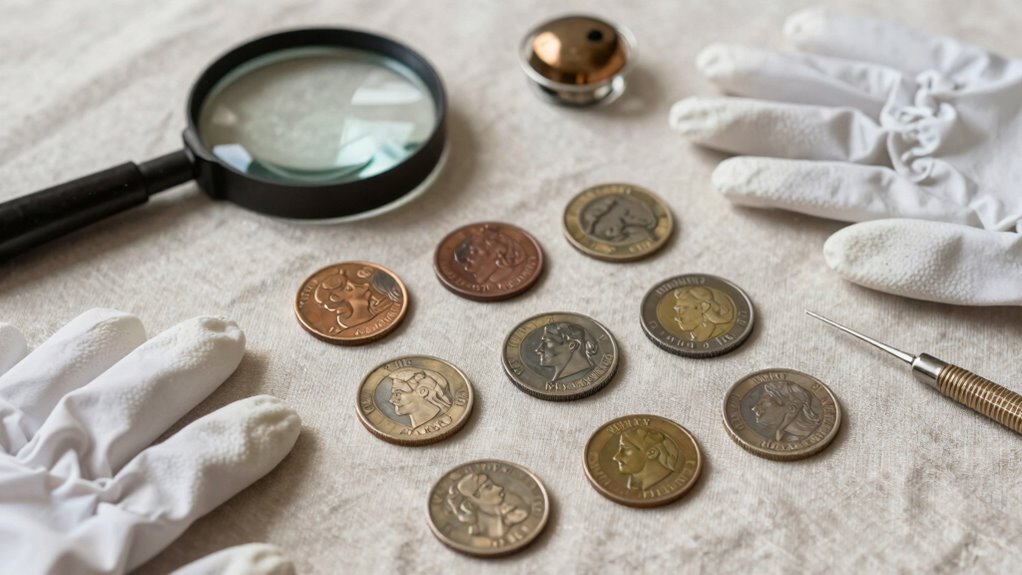

As a new collector, you should focus on proper storage by using acid-free boxes and non-reactive display cases, and keep items away from light, humidity, and pollution. Handle collectibles with care—wash your hands or wear gloves for fragile pieces—and control environmental factors like temperature and humidity to prevent damage. Keep detailed records of your collection’s history and repairs. Following these basics helps preserve your items’ value and beauty for the future—there’s much more to discover as you continue.

Prime made for students and young adults
- Fast, free delivery for dorm and study essentials
- Prime Video and Amazon Music included
- Member-only deals
Key Takeaways
- Use acid-free storage materials and protective sleeves to prevent deterioration of collectibles.
- Handle items with clean hands or gloves to avoid oils and dirt transfer.
- Maintain stable environmental conditions, including temperature and humidity, to prevent damage.
- Regularly inspect and document the condition and provenance of your collection.
- Choose environmentally friendly preservation methods that support sustainability and biodiversity.
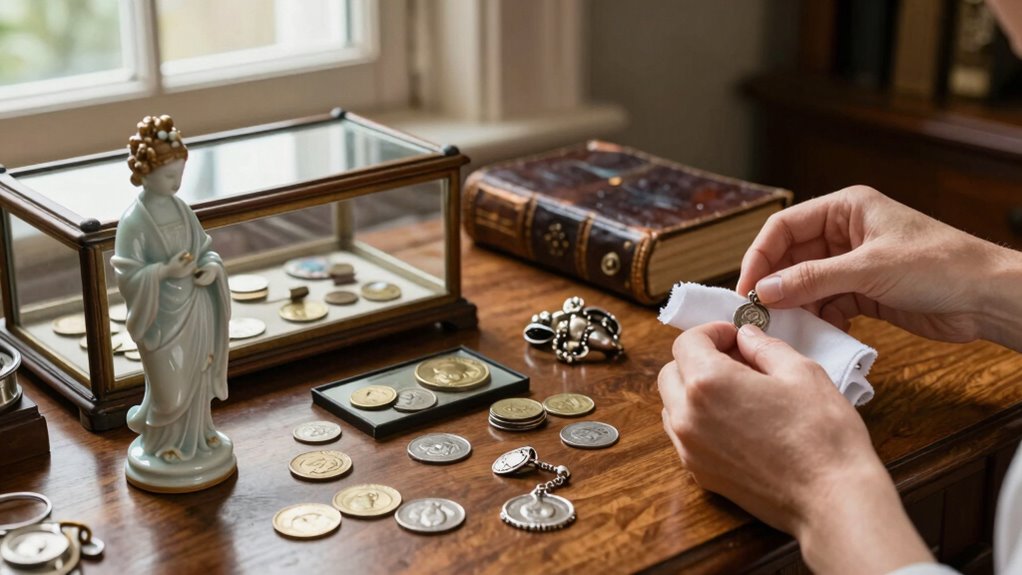
Starting your journey as a collector is exciting, but understanding basic conservation practices is essential to preserving your treasures. Whether you’re collecting vintage toys, rare books, or antique jewelry, knowing how to care for and maintain your items ensures they stay in good condition for years. One of the first steps is familiarizing yourself with the right preservation materials. Using proper storage solutions, like acid-free boxes, protective sleeves, and display cases made from non-reactive materials, helps prevent deterioration caused by environmental factors such as light, humidity, and pollution. Proper storage not only protects your collection but also makes it easier to appreciate and handle your items safely. Additionally, understanding the importance of biodiversity in conservation practices can help you adopt environmentally friendly methods in your preservation routine. Incorporating sustainable and eco-friendly preservation practices can also minimize your collection’s environmental impact over time.
Using acid-free storage and non-reactive materials is key to preserving your collectibles for years to come.
In addition to storage, understanding simple restoration techniques can greatly extend the lifespan of your treasures. Restoring items doesn’t mean returning them to factory condition but rather stabilizing and cleaning them without causing damage. For example, gentle cleaning with soft brushes or specialized cleaning solutions can remove surface dirt without harming the item’s integrity. When more delicate repairs are needed, like fixing a torn paper or a chipped ceramic, use appropriate restoration techniques that prioritize minimal intervention. It’s important to research and select suitable restoration methods to avoid unintentionally damaging your collection. Developing a basic understanding of restoration techniques can help you make informed decisions and protect your items effectively. Being aware of the proper handling procedures is also crucial in preventing accidental damage during these processes. Educating yourself about proper conservation tools and supplies can further enhance your ability to maintain your collection safely and effectively.
Handling your items correctly is another key aspect. Always wash your hands before touching your collectibles to prevent oils and dirt from transferring. Use gloves when necessary, especially with fragile or valuable pieces, to reduce the risk of damage. Be mindful of how you move or display items; avoid exposing them to direct sunlight, which can fade colors or weaken materials over time. Controlling room humidity and temperature is equally important, as fluctuations can cause warping, cracking, or mold growth. Keeping your environment stable and within recommended parameters helps preserve your collection’s original condition. Regularly inspecting your items for signs of deterioration can also help catch issues early before they become difficult to repair.
Lastly, keep detailed records of your items, including photographs, provenance, and any restoration work done. This documentation not only helps track your collection’s history but also guides future preservation efforts. If you’re ever unsure about how to care for a specific item, consult with professionals who specialize in conservation. They can provide expert advice and perform advanced restoration techniques when necessary. Proper documentation enhances the overall conservation process and ensures your collection remains well-preserved for future generations.
acid-free storage boxes for collectibles
As an affiliate, we earn on qualifying purchases.
As an affiliate, we earn on qualifying purchases.
Frequently Asked Questions
How Often Should I Clean My Collectibles?
You should clean your collectibles based on their material and how often they’re handled. For most, a gentle dusting every few weeks works well, but delicate or rare items might need less frequent cleaning. Incorporate maintenance routines like proper storage and gentle cleaning methods to preserve their condition. Avoid over-cleaning, as it can damage the piece. Regular, careful cleaning keeps your collectibles looking their best and maintains their value over time.
What Are the Best Storage Conditions for Fragile Items?
Did you know that improper storage can cause up to 80% of damage to fragile collectibles? To protect your items, keep them in display cases with controlled climate conditions, avoiding direct sunlight and humidity fluctuations. Maintain a stable temperature of around 65-75°F and relative humidity of 40-50%. Good climate control minimizes deterioration, while display cases shield your collectibles from dust, handling, and environmental damage, ensuring they stay pristine for years.
How Can I Identify if My Item Needs Professional Conservation?
You can tell if your item needs professional conservation by spotting signs like discoloration, cracks, or surface deterioration. Don’t rely on preservation myths that suggest all damage can be fixed easily—restoration techniques require expertise. When in doubt, consult a professional conservator to assess whether specialized treatment is necessary. Proper identification guarantees you preserve your item’s integrity and value, avoiding further damage from improper handling or DIY fixes.
Are There Any Common Mistakes to Avoid in Conservation?
Did you know that nearly 60% of collectors unknowingly damage their items by neglecting preservation myths? To avoid common mistakes, steer clear of inappropriate restoration techniques that can devalue your piece. Always research thoroughly and consult professionals instead of relying on DIY solutions. Misguided efforts can cause irreversible harm, so understanding proper conservation methods is key. Protect your collection by learning what to do—and what not to do!
What Materials Should I Use for Safe Cleaning?
For safe cleaning, use gentle cleaning agents like distilled water or specialized conservation solutions, avoiding harsh chemicals that can damage items. Always handle your collectibles with proper handling techniques—wear gloves to prevent oils and dirt transfer, and use soft brushes or cloths. Test cleaning methods on small areas first, and never scrub aggressively. These precautions help preserve your collection’s integrity and prevent accidental damage during cleaning.
non-reactive display cases for antiques
As an affiliate, we earn on qualifying purchases.
As an affiliate, we earn on qualifying purchases.
Conclusion
Now that you’ve grasped the basics of conservation, you’re better equipped to protect your collection’s value and beauty. Remember, a little care goes a long way, and it’s better to be safe than sorry. Treat your treasures like gold—handle them gently, store them wisely, and stay vigilant. The more you nurture your collection, the more it will reward your dedication. After all, it’s the little things that make a big difference in preserving history for generations to come.
gloves for handling fragile collectibles
As an affiliate, we earn on qualifying purchases.
As an affiliate, we earn on qualifying purchases.
humidity and temperature control devices for collections
As an affiliate, we earn on qualifying purchases.
As an affiliate, we earn on qualifying purchases.
Halloween Picks
halloween
As an affiliate, we earn on qualifying purchases.