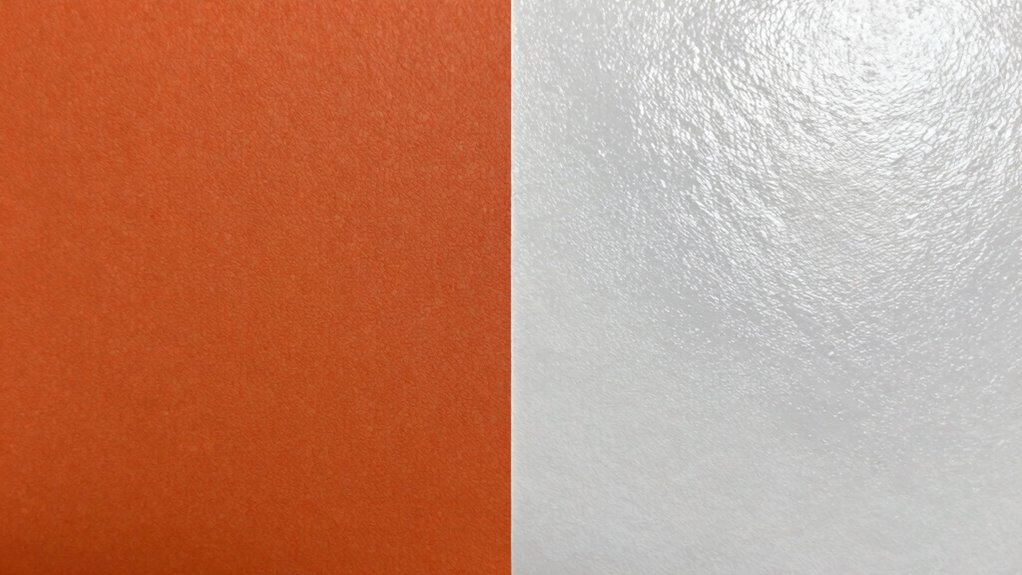

When you compare pigment and dye-based printing, you’ll find big differences under the surface. Pigment prints sit on top of the fabric, forming a resistant layer that stays vibrant longer and uses less water and chemicals. Dye prints penetrate deeply into fibers, offering bright colors but often fading faster and requiring more fixing chemicals. Understanding these differences helps you choose the best method for durability and eco-friendliness—explore further to discover the full picture.

Prime made for students and young adults
- Fast, free delivery for dorm and study essentials
- Prime Video and Amazon Music included
- Member-only deals
Key Takeaways
- Pigment printing deposits solid particles on fabric surface, while dye-based printing allows dyes to penetrate fibers for vibrant, seamless colors.
- Pigment inks are more resistant to washing and wear, offering better durability than dyes, which may fade without proper fixation.
- Pigment printing uses less water and chemicals, making it more environmentally friendly compared to dye-based methods.
- Dyes tend to have deeper fiber penetration, providing natural appearance but lower resistance to fading over time.
- Advances in eco-friendly inks are narrowing sustainability gaps between pigment and dye-based printing methods.
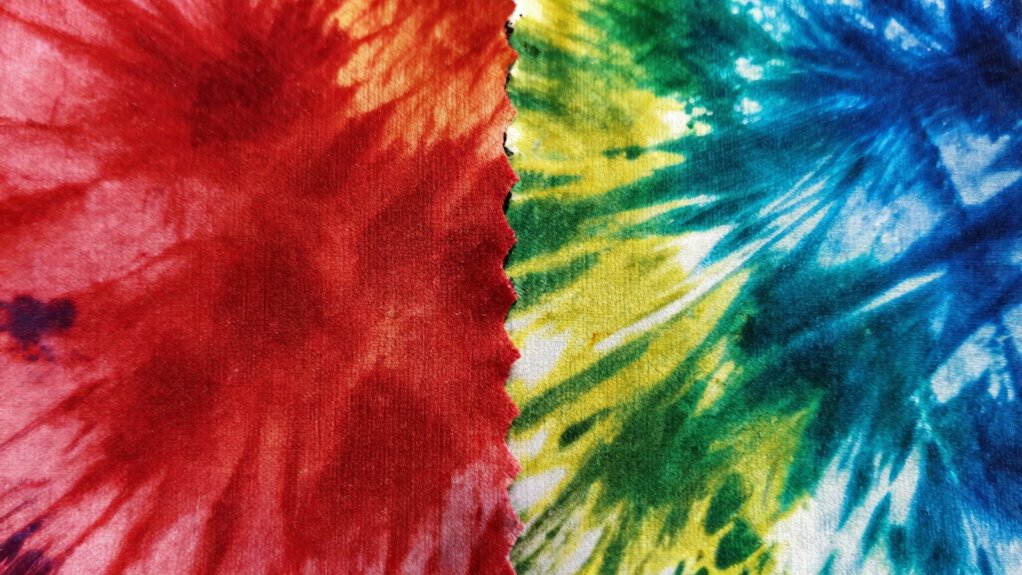
When choosing between pigment and dye printing, understanding their fundamental differences can considerably impact the quality and durability of your final product. You need to evaluate how each method interacts with fabrics and the environment, as these factors influence not just appearance but also longevity and sustainability. Pigment printing involves applying tiny solid particles that sit on the fabric’s surface, creating a layer that’s often more resistant to washing and wear. This layer of pigment can be more difficult to remove or alter once set, contributing to its durability. This makes it a solid choice if you want better colorfastness issues, especially for items exposed to frequent washing or harsh conditions. Dyes, on the other hand, penetrate deeply into the fabric fibers, resulting in vibrant, rich colors that often feel more natural and seamless. However, dyes tend to be more susceptible to fading over time, especially if they aren’t fixed properly, which can translate into colorfastness issues. If your primary concern is durability and maintaining color vibrancy over time, pigment printing generally offers an advantage. Additionally, fabric interaction plays a crucial role in determining which printing method is best suited for a particular project. Environmental impact is another essential factor to weigh. Pigment inks typically contain fewer harmful chemicals and produce less wastewater during the printing process. Since they sit on the surface, they require less water for fixing and washing out excess ink, making them more eco-friendly in terms of water consumption and chemical runoff. Dyes, especially some synthetic variants, can be more problematic because they often involve toxic substances, require extensive washing to fix the colors, and generate larger amounts of wastewater laden with chemicals. Moreover, the production process for pigment inks tends to be less energy-intensive, further enhancing their sustainability profile. In addition, advances in eco-friendly inks are continually improving the environmental footprint of both printing methods. Consequently, if sustainability is a priority for your project, pigment printing often aligns better with environmentally conscious practices. It’s also important to consider the lifecycle impacts of different inks and fabrics, as these can significantly influence the overall environmental footprint.
As an affiliate, we earn on qualifying purchases.
Frequently Asked Questions
How Do Pigment and Dye Prints Compare in Environmental Impact?
Pigment prints are generally more eco-friendly because they use less harmful chemicals and produce less waste, making them a better choice for the environment. They also exhibit greater chemical stability, meaning they last longer without fading or needing frequent reprints. Dye prints, on the other hand, often involve more chemicals that can be less eco-friendly and may degrade faster over time, impacting their environmental footprint.
Can Pigment and Dye Prints Be Combined in One Image?
Sure, you can combine pigment and dye prints in one image—irony at its finest, blending vibrant color vibrancy with impressive print longevity. While dyes offer bright, eye-catching hues, pigments guarantee your artwork lasts decades. Mixing these might create a stunning, textured effect, but watch out for potential issues like color inconsistency or longevity challenges. It’s a clever way to harness the strengths of both, though it requires skill and precision.
What Are the Best Applications for Each Printing Type?
You should use dye-based printing for vibrant, high-color fidelity images, especially in indoor displays where longevity isn’t critical. Pigment-based printing is best for projects demanding superior ink longevity and color stability, like outdoor banners or fine art prints. While dye prints excel in bright, vivid colors, pigment prints offer durability and fade resistance. Choose based on your needs for color fidelity and long-term durability to get the best results.
How Do Pigment and Dye Inks Behave Over Long-Term Exposure?
You’ll notice that pigment inks generally offer better ink longevity and color stability over long-term exposure. They resist fading and environmental damage more effectively than dye inks, which tend to fade faster when exposed to light, heat, or moisture. If you want your prints to maintain their vibrant colors and sharpness for years, pigment inks are the better choice, especially for archival or display purposes.
Are There Differences in Cost Between Pigment and Dye Printing?
You’ll find that pigment inks tend to be more expensive than dye inks upfront, mainly due to their complex production. However, their durability reduces long-term costs through fewer replacements and repairs. When considering cost comparison, pigment printing often offers better production efficiency because it produces longer-lasting prints, meaning less rework. Ultimately, while initial costs are higher, pigment inks can be more economical over time thanks to their longevity.
dye-based textile printing supplies
As an affiliate, we earn on qualifying purchases.
As an affiliate, we earn on qualifying purchases.
Conclusion
In the battle between pigment and dye printing, understanding their differences is like discovering the secret to eternal vibrancy or fleeting beauty. If you want colors that last a lifetime, go pigment—it’s practically immortal! But if you prefer quick, vibrant results, dye might be your go-to. Remember, choosing the right method isn’t just a decision; it’s the difference between creating art that endures for centuries or fades away like a passing breeze. Choose wisely—your prints depend on it!
As an affiliate, we earn on qualifying purchases.
waterless fabric printing machines
As an affiliate, we earn on qualifying purchases.
As an affiliate, we earn on qualifying purchases.
Halloween Picks
halloween
As an affiliate, we earn on qualifying purchases.