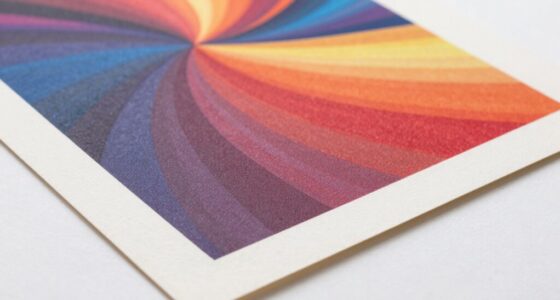
Varnish is a clear coating made from resins, oils, solvents, and drying agents that you apply to artwork to enhance its appearance and protect it. It offers different finishes like matte, gloss, or satin, which can bring out vibrant colors and add depth. The main purpose is to shield your art from dust, dirt, scratches, and UV rays, helping it stay vibrant and intact longer. If you’re curious about the details, keep exploring how it all works.
Key Takeaways
- Artists use varnish to protect artwork from dust, dirt, scratches, and UV damage, ensuring longevity.
- Varnish enhances colors’ vibrancy and depth, giving paintings a polished, professional appearance.
- It provides options for matte, gloss, or satin finishes to achieve desired aesthetic effects.
- Proper application and environmental control are essential for a smooth, durable, and even protective layer.
- Regular maintenance and reapplication help preserve the artwork’s appearance and prevent deterioration over time.

MCTRHG Gloss Varnish for Acrylic Painting, Artist's Acrylic Varnish, Non-Yellowing, Non-Toxic, Anti-Crazing, High Gloss Finish, Clear Coat for Artwork, for Pro & Hobby Artists
Professional Acrylic Gloss UV Varnish: MCTRHG Gloss Varnish for Acrylic Painting protects artworks for longevity, protecting the painting…
As an affiliate, we earn on qualifying purchases.
As an affiliate, we earn on qualifying purchases.
What Is Varnish and How Is It Made?

Have you ever wondered what varnish actually is and how it’s made? Varnish is a transparent film or coating formed by a specific chemical composition that protects and enhances surfaces. Its chemical makeup typically includes resins, oils, solvents, and drying agents, which work together to create a durable finish. During the manufacturing process, raw ingredients are carefully mixed and heated to produce a liquid that can be easily applied. This process often involves dissolving resins in solvents to achieve the desired consistency. Once applied, the solvents evaporate, leaving behind a solid, protective layer. Understanding this process helps you appreciate how varnish provides a glossy, protective finish that preserves artwork and furniture alike. Additionally, color accuracy in the formulation can influence how well the varnish enhances the true appearance of the underlying surface. Modern advancements in chemical formulation have led to more environmentally friendly varnishes that emit fewer volatile organic compounds (VOCs), making them safer for both users and the environment. Knowing about drying agents also helps in selecting the right varnish for different projects, ensuring a proper and lasting finish.
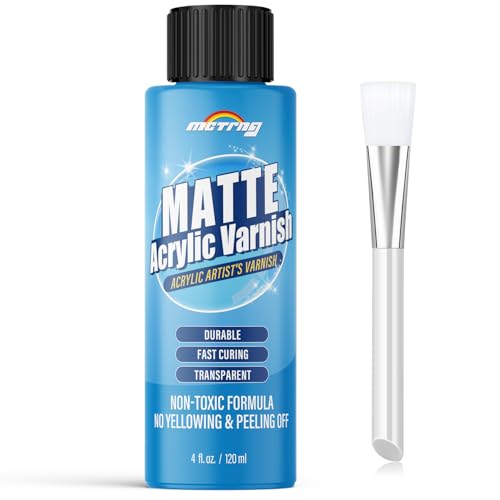
Matte Varnish for Acrylic Painting, Satin & Matte Acrylic Varnish, Non-Yellowing, Non-Toxic, Anti-Crazing, Satin & Matte Finish, Clear Coat for Artwork, for Pro, Hobby Artists
Professional Acrylic Satin & Matte UV Varnish: MCTRHG Matte Varnish for Acrylic Painting & Miniatures protects artworks for…
As an affiliate, we earn on qualifying purchases.
As an affiliate, we earn on qualifying purchases.
The Main Reasons Artists Apply Varnish

When you apply varnish, you protect your artwork from damage and wear over time. It also allows you to adjust how your piece looks, whether by enhancing colors or adding a subtle gloss. Understanding these main reasons helps you choose the right varnish for your artistic goals. Additionally, selecting the appropriate free floating varnish type can influence the longevity and appearance of your finished piece.
Enhances Artwork Durability
Applying varnish considerably boosts the durability of your artwork by protecting it from environmental damage and physical wear. This surface protection is essential for long-term art preservation, ensuring your piece withstands time and handling. To maximize durability, consider these benefits:
- Shield against UV rays — Preventing fading and discoloration caused by sunlight exposure.
- Resist dirt and dust — Making cleaning easier and reducing surface contamination.
- Guard against scratches and abrasions — Minimizing damage from accidental contact or handling.
Alters Visual Appearance
Ever wonder why artists choose to apply varnish over their work? Varnish dramatically alters the artwork’s visual appearance. A glossy finish enhances colors, making them appear richer and more vibrant, drawing viewers in with a sleek, shiny surface. Conversely, a matte effect softens the image, reducing glare and creating a subdued, velvety look. This choice allows artists to control how their work is perceived, emphasizing different moods or styles. Applying varnish can also unify the surface, giving a consistent appearance regardless of underlying texture. Whether seeking a luminous shine or a muted, understated tone, varnish offers a simple way to modify the visual impact of your art. It’s a powerful tool for customizing how your artwork is experienced.

Krylon K01375000 Gallery Series UV Archival Varnish Aerosol Spray, Gloss, 11 Ounce
Give your fine art projects the maximum inUV protection
As an affiliate, we earn on qualifying purchases.
As an affiliate, we earn on qualifying purchases.
Types of Varnish and Their Differences

Are you aware that there are several types of varnish, each suited for different projects and finishes? Understanding these differences helps you choose the right one. First, a matte finish offers a non-reflective surface, ideal for reducing glare and hiding imperfections. Second, a gloss sheen creates a shiny, vibrant look that enhances colors and details, perfect for highlighting artwork. Third, there are satin finishes, which strike a balance between matte and gloss, providing a soft sheen without too much reflectivity. The choice depends on your desired aesthetic and protection needs. Matte varnishes are great for a subdued look, while gloss sheens make colors pop. Knowing these options helps you protect your work effectively while achieving your preferred visual effect. Proper patch testing and skin care is essential for maintaining the integrity of your artwork’s protective coatings. Additionally, selecting the appropriate varnish can extend the longevity of your artwork by safeguarding it against environmental damage.
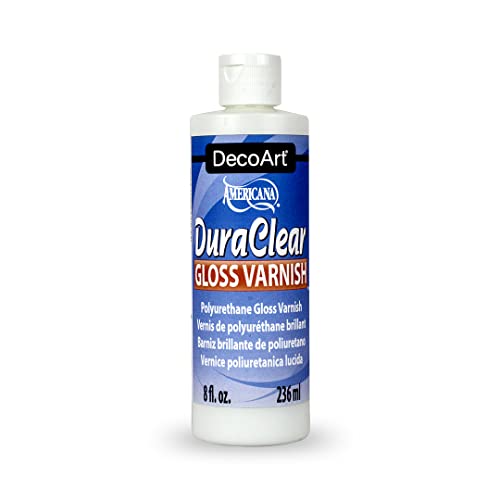
Decoart DuraClear Varnish, Gloss DS19-9, 8 fl oz Bottle
As an affiliate, we earn on qualifying purchases.
As an affiliate, we earn on qualifying purchases.
How Varnish Enhances Artwork Appearance

Varnish substantially enhances the appearance of artwork by adding depth, richness, and vibrancy to the colors. It amplifies color saturation, making hues more vivid and appealing. Additionally, varnish boosts gloss enhancement, giving your piece a polished, professional look. You can visualize the difference with this table:
| Without Varnish | With Varnish |
|---|---|
| Duller colors, less vivid | Bright, saturated colors |
| Flat surface, matte finish | Glossy, reflective surface |
| Colors appear muted | Colors pop with vibrancy |
This visual enhancement transforms the overall presentation, making the artwork more striking and engaging. Proper application of varnish also helps protect the artwork from dust, dirt, and UV damage, preserving its beauty over time.
Protecting Against Dust, Dirt, and Physical Damage

Have you considered how easily your artwork can be damaged by dust, dirt, or accidental contact? Applying varnish provides a vital dust protection layer, making it easier to clean without harming the surface. It also offers a physical safeguard that prevents scratches, smudges, and minor impacts. To maximize protection, focus on these key aspects:
- Seal the surface thoroughly to prevent dust from settling into cracks or textures.
- Use a durable varnish to resist physical damage from accidental bumps.
- Maintain a clean environment to reduce dirt accumulation and ensure ongoing dust protection.
Shielding Art From Environmental Factors and UV Rays

Environmental factors and UV rays pose significant threats to your artwork’s longevity, causing fading, discoloration, and deterioration over time. UV protection is essential to prevent these effects, as prolonged exposure accelerates damage. Varnish acts as a barrier, providing environmental shielding that blocks harmful UV rays and shields your art from environmental pollutants and humidity. By applying a suitable varnish, you create a protective layer that minimizes the impact of sunlight, air pollution, and moisture, all of which can lead to premature aging. This shielding helps preserve your artwork’s vibrancy and detail, ensuring it remains visually striking for years. Proper varnishing offers an effective defense against the elements, safeguarding your masterpiece from the gradual toll of environmental exposure. Additionally, choosing the right type of varnish can enhance art durability and extend the lifespan of your work. Understanding the different varnish options available allows artists to select the most appropriate protective coating for their specific needs, incorporating UV protection to further enhance preservation. Incorporating environmental shielding methods into your preservation routine can significantly improve your artwork’s resilience over time, especially when combined with other protective techniques that promote long-term preservation.
Tips for Applying and Maintaining Varnish

Applying varnish correctly is key to guaranteeing long-lasting protection for your artwork. To achieve a smooth, durable finish, focus on proper application and maintenance. First, use a gentle brush technique: keep your brush feathered and avoid pressing too hard to prevent streaks and bubbles. Second, pay attention to drying time; allow each layer to fully dry before applying another, usually 24 hours, to prevent smudging or unevenness. Third, regularly inspect your varnish and clean your brushes with appropriate solvents to maintain their performance. Proper application and upkeep ensure your artwork remains protected and vibrant over time. Remember, patience during drying and careful brushwork are essential for a flawless, lasting varnish finish. Additionally, understanding home charging options can help keep your electric vehicle ready for the road, just as proper varnish application preserves your artwork. Ensuring a dust-free environment during application also helps to achieve a smooth finish and prevent debris from marring the surface.
Frequently Asked Questions
How Long Does Varnish Typically Last Before Needing Reapplication?
Varnish typically lasts between 1 to 5 years before needing reapplication, depending on its durability and exposure to elements. You should inspect your artwork regularly for signs of wear, such as yellowing or cracking. To maintain protection and appearance, reapply varnish every few years or when you notice it’s no longer effective. Proper reapplication guarantees your artwork stays vibrant and well-protected over time.
Can Varnish Be Removed Once Applied Without Damaging the Artwork?
You can remove varnish without harming your artwork by carefully performing varnish stripping. Gentle techniques like solvent cleaning or specialized varnish removers are effective, but you must proceed with patience and precision. Use soft brushes or cotton swabs, and test a small area first. This delicate process allows you to refresh your piece without damage, keeping your artwork’s beauty intact while giving you the chance for a fresh start.
Is There an Environmentally Friendly or Non-Toxic Varnish Option?
Yes, you can choose eco friendly varnish or non toxic options for your artwork. These alternatives are made from natural ingredients and contain fewer harmful chemicals, making them safer for the environment and your health. Look for products labeled as non toxic varnish or eco friendly varnish, and always follow the application instructions. This way, you protect your art while minimizing environmental impact.
How Does Varnish Affect the Color Accuracy of the Artwork?
Varnish can cause a slight color shift, often intensifying or muting certain hues, so your artwork’s colors may look different after applying it. It also enhances gloss, giving your piece a richer, more vibrant finish. To maintain color accuracy, choose a varnish compatible with your medium and test it on a small area first. Proper application guarantees your artwork’s colors stay true while benefiting from the gloss boost.
What Are Common Mistakes to Avoid When Applying Varnish?
When applying varnish, avoid common mistakes like using too much or rushing, which causes uneven brush strokes. Always guarantee proper surface preparation by cleaning and drying your artwork thoroughly. Use a smooth, even coat with a soft brush, working in one direction to prevent streaks. Skipping surface prep or applying thick layers can lead to bubbles or an uneven finish, compromising your artwork’s appearance and protection.
Conclusion
Varnish is essential for preserving your artwork’s beauty and longevity. Did you know that a well-applied varnish can extend your piece’s lifespan by up to 30%? It shields against dust, dirt, UV rays, and physical damage, keeping your art vibrant over time. By choosing the right type and applying it carefully, you guarantee your masterpiece remains protected and stunning for years to come. Don’t overlook varnish — it’s the key to lasting artwork.