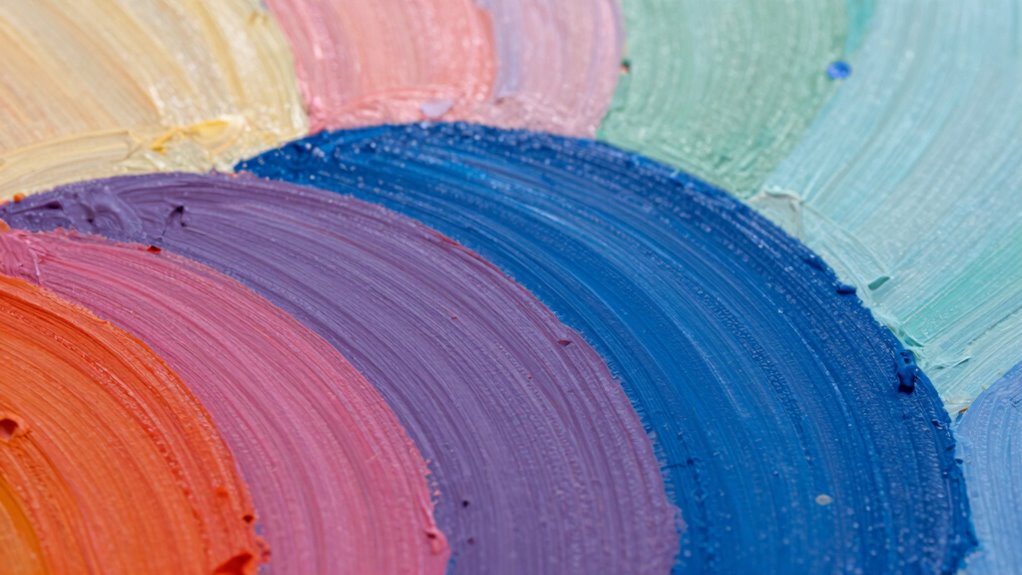
Gouache is a traditional, water-based painting medium that creates bold, matte colors with a velvety finish. Its high opacity and smooth layering make it look almost digital, but it’s really made with mineral and organic pigments on paper or surfaces. Unlike digital tools, gouache offers tactile control and physical texture that can be built up for vibrant, expressive artworks. Keep exploring, and you’ll discover how this versatile medium can transform your creative projects.
Key Takeaways
- Gouache is a traditional opaque watercolor medium known for its velvety, matte finish and vibrant colors.
- Its ability to layer and blend creates rich, detailed, and visually striking artworks similar to digital effects.
- Gouache’s quick drying time and re-wettable nature allow for easy corrections and complex layering, mimicking digital editing.
- The medium emphasizes bold contrast and smooth gradients, giving artworks a polished, digital-like appearance.
- Despite its digital look, gouache is a physical, tactile paint with historical roots and unique textural qualities.
gouache paint set for artists
As an affiliate, we earn on qualifying purchases.
As an affiliate, we earn on qualifying purchases.
The History and Origins of Gouache
Have you ever wondered where gouache originated? It traces back to ancient pigments used in early civilizations, where artists sought vibrant, durable colors for their work. These pigments were made from mineral and organic sources, laying the foundation for many painting mediums. Over centuries, the artistic evolution of materials led to the development of what we now recognize as gouache. Artists appreciated its opaque quality, allowing for bold, solid colors that could be layered easily. During the Renaissance and beyond, similar water-based paints gained popularity, eventually evolving into the modern gouache we know today. Its rich history highlights a continuous quest for versatile, expressive art tools, blending ancient techniques with modern innovation. This deep-rooted past underscores gouache’s enduring appeal among artists, especially given its water-based nature, which makes it easy to manipulate and clean up. Additionally, advancements in pigment technology have improved its color vibrancy and stability, ensuring its relevance in contemporary art. Moreover, the development of pigment technology has contributed to the durability and intensity of colors in gouache.
professional gouache colors
As an affiliate, we earn on qualifying purchases.
As an affiliate, we earn on qualifying purchases.
How Gouache Differs From Other Painting Mediums
Gouache stands out from other painting mediums primarily because of its unique opacity and matte finish. Unlike watercolor, gouache offers high color opacity, allowing you to cover previous layers completely and create vibrant, solid colors. This makes layering techniques easier and more forgiving, as you can add details without disturbing underlying colors. Compared to acrylics or oils, gouache dries quickly and remains matte, giving you a smooth, non-reflective surface. The table below highlights key differences:
| Aspect | Gouache | Watercolor |
|---|---|---|
| Color Opacity | High; covers underlying layers easily | Transparent; layered for depth |
| Drying Time | Fast; workable for short periods | Slow; allows blending |
| Finish | Matte, non-reflective | Glossy or matte depending |
| Layering Techniques | Easy, due to opacity | Difficult; relies on transparency |
| Flexibility | Re-wetable, reworkable | Less reworkable |
This makes gouache ideal for bold, precise work with vibrant colors. Additionally, opacity control is a key advantage that sets gouache apart from other mediums. Furthermore, its ease of reworking makes it popular among artists who prefer adjustable opacity during their creative process.
gouache brushes for detailed work
As an affiliate, we earn on qualifying purchases.
As an affiliate, we earn on qualifying purchases.
The Unique Visual Qualities of Gouache
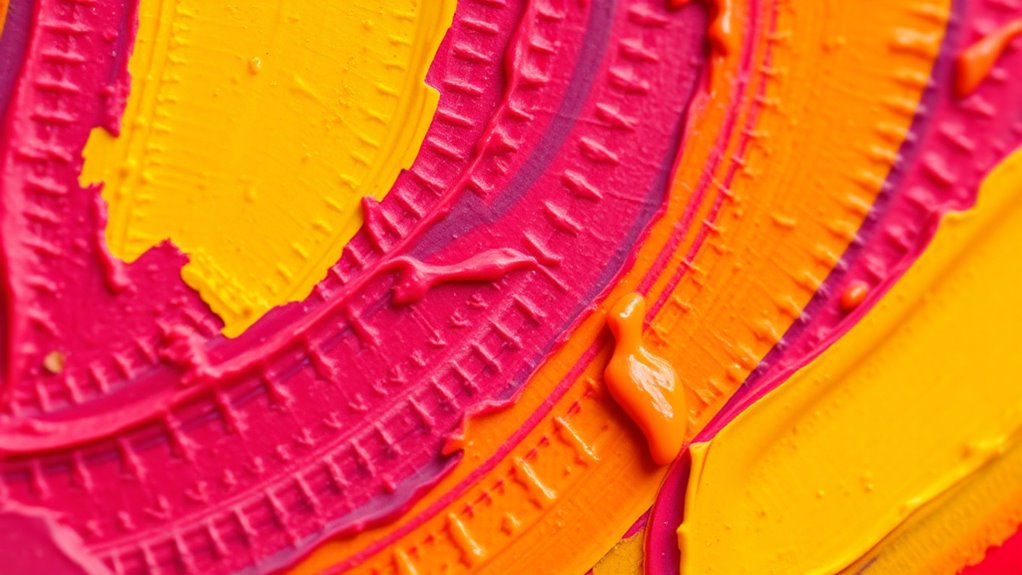
The visual impact of gouache lies in its vibrant, velvety appearance and ability to produce bold, eye-catching colors. Its unique color opacity allows you to layer hues with precision, creating depth without losing luminosity. Unlike watercolor, gouache maintains its richness even when layered, giving your artwork a striking, solid look. You can achieve a variety of texture effects—smooth, matte finishes or textured, expressive strokes—depending on your technique. The matte surface enhances color vibrancy and adds a soft, velvety feel that mimics digital aesthetics. Additionally, the high color opacity and versatile texture effects make gouache a powerful tool for artists seeking bold visuals that retain their clarity and richness, even when layered or altered. Its ability to layer hues with precision makes it especially popular for creating detailed and vibrant compositions, allowing artists to experiment with different painting techniques to achieve their desired effects. Many artists also appreciate its quick-drying nature, which facilitates rapid layering and adjustments during the creative process, and the durability of gouache ensures that artworks maintain their vibrant appearance over time.
artistic gouache paper pad
As an affiliate, we earn on qualifying purchases.
As an affiliate, we earn on qualifying purchases.
Techniques and Tips for Using Gouache Effectively
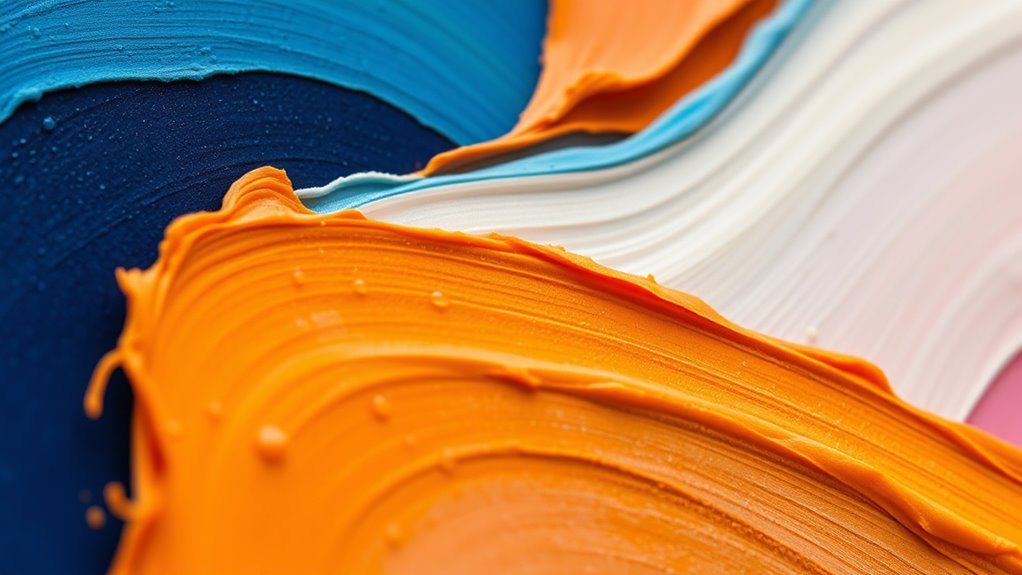
To achieve the best results with gouache, start by preparing your workspace and materials carefully. Use high-quality, smooth paper to prevent unwanted texture from affecting color blending. When applying paint, work in thin layers, allowing each to dry completely before adding the next. This layering technique enhances depth and vibrancy. To blend colors smoothly, keep your brushes moist but not soaked, and work quickly while the paint is still wet. Experiment with color blending directly on the paper to create seamless transitions. Remember, gouache dries quickly, so plan your strokes and layering accordingly. Proper surface preparation and understanding layering techniques will help you achieve vibrant, clean results and reveal the medium’s full potential. Additionally, controlling pigment saturation can help you avoid muddiness and maintain bright, crisp colors throughout your work. Developing an understanding of opacity and transparency in gouache allows you to manipulate layering and achieve various visual effects. Mastering color mixing techniques further expands your creative possibilities and helps you produce more nuanced and complex compositions. Exploring layering strategies can also aid in building depth and texture in your artwork.
Digital Art vs. Traditional Gouache: Similarities and Differences
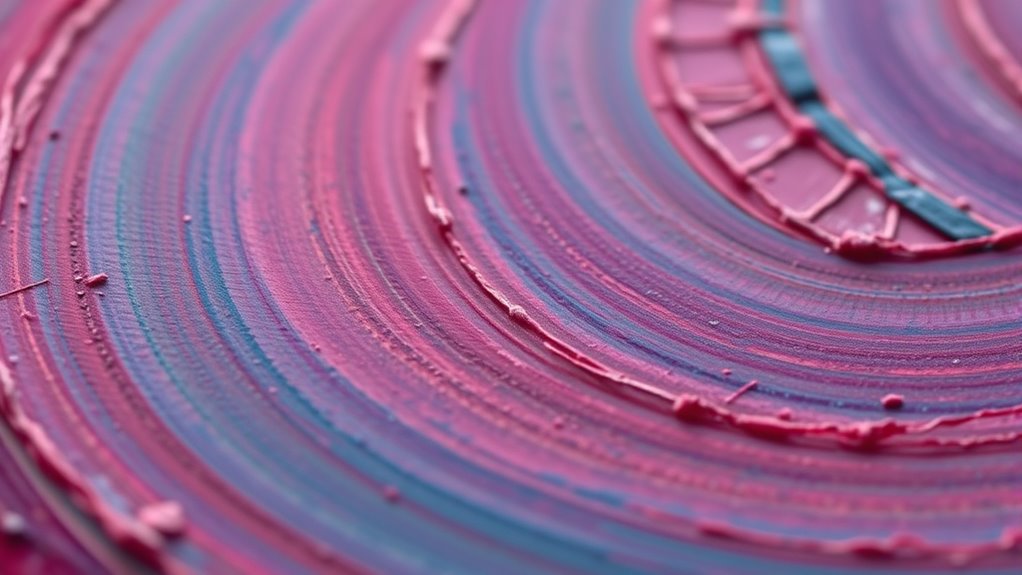
While digital art and traditional gouache may seem worlds apart, they share several fundamental qualities that bridge the gap between the two. Both mediums emphasize color blending, allowing you to create smooth progressions and nuanced shades. They also encourage texture exploration, giving depth and tactile quality to your work—whether through brushstrokes or digital brushes mimicking traditional effects. Here are some key similarities and differences:
- Color blending is crucial in both, requiring technique to achieve seamless gradations. Digital tools often provide precise color control, making blending more accessible and consistent. Mastering color management techniques can further refine your work across both mediums. Additionally, understanding color theory can enhance your ability to create harmonious blends in either medium.
- Texture exploration is central, with gouache offering physical texture, while digital tools simulate it.
- Layering enhances depth in both mediums, though digital layering is more flexible.
- Control over details varies, with digital offering undo options and gouache demanding deliberate brushwork.
- Color management plays a vital role, with digital tools providing precise color control and traditional gouache relying on pigment mixing.
Both methods reward patience and skill, offering unique artistic experiences.
Why Artists Are Embracing Gouache in Contemporary Creativity
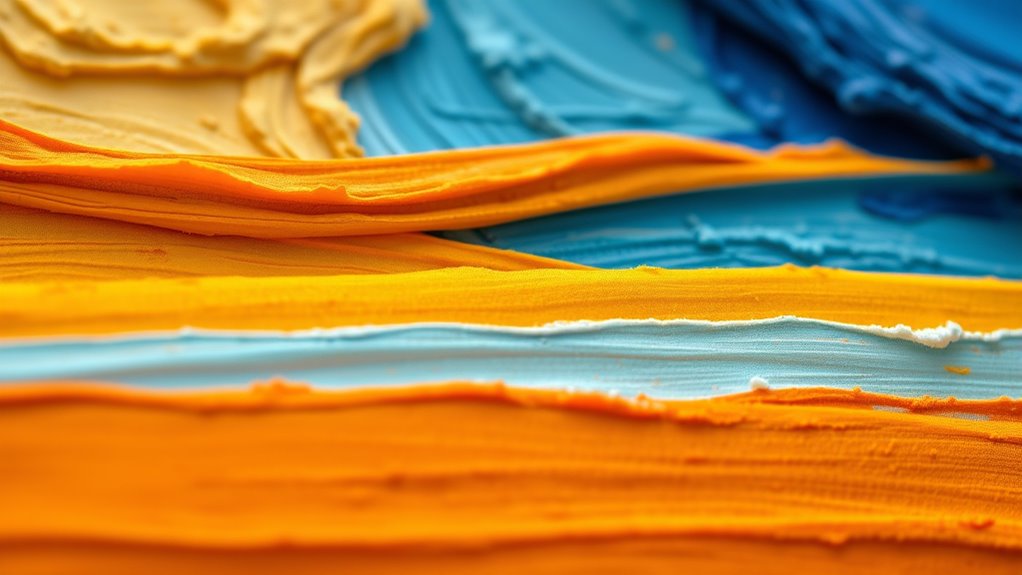
Artists are turning to gouache because of its remarkable versatility in techniques, allowing for everything from detailed work to bold washes. Its vivid colors and matte finish create striking visuals that stand out in contemporary art. This combination of qualities makes gouache a favorite for artists exploring new creative horizons.
Versatility in Techniques
Gouache’s remarkable versatility allows artists to experiment with a wide range of techniques, making it a popular choice in contemporary art. You can master layering techniques to build depth or create subtle progressions. Its ability to produce textural effects adds dimension and interest to your work. Here are some ways you might explore this versatility:
- Use thick, opaque strokes for bold textures.
- Blend colors seamlessly for smooth gradients.
- Apply dry brush techniques for rough surfaces.
- Layer translucent washes over dry layers to enhance depth.
This flexibility enables you to adapt gouache to various styles, from detailed illustrations to abstract compositions. Its quick drying time supports spontaneous experimentation, making it perfect for pushing creative boundaries.
Vivid, Matte Finish
Have you noticed how gouache’s vivid, matte finish instantly commands attention in modern artworks? Its rich, opaque colors create striking visuals through skillful color layering, producing depth and vibrancy. The matte texture absorbs light, giving your work a smooth, velvety appearance that feels contemporary and bold. Artists love this finish because it emphasizes color contrasts without glare, allowing details to stand out sharply. The matte surface also enhances the sense of tactile quality, making each piece feel more intimate and genuine.
| Emotion | Visual Impact | Artistic Expression |
|---|---|---|
| Confidence | Bold, eye-catching hues | Vibrant storytelling |
| Calm | Soft, muted tones | Subtle nuance |
| Passion | Intense, layered shades | Deep personal meaning |
| Serenity | Smooth, even finishes | Tranquil mood |
| Excitement | Dynamic color contrasts | Energetic compositions |
Frequently Asked Questions
Can Gouache Be Used for Mixed Media Artworks?
Yes, you can definitely use gouache for mixed media artworks. It’s excellent for layer blending and color layering, allowing you to build vibrant, textured effects. You can combine gouache with pencil, ink, or collage to create dynamic compositions. Its versatility and matte finish make it a popular choice for artists exploring mixed media, giving you endless possibilities to experiment and develop unique, visually appealing pieces.
How Long Does Gouache Paint Last Without Fading?
Gouache paint typically lasts for decades without fading if you use high-quality, lightfast pigments. Its fading resistance guarantees your artwork remains vibrant over time, especially when protected with proper sealing or framing. To maximize paint longevity, avoid prolonged exposure to direct sunlight and store your pieces in a cool, dry place. This way, your gouache art maintains its original brilliance and color integrity for many years.
Is Gouache Suitable for Outdoor or Outdoor Mural Work?
Gouache isn’t ideal for outdoor mural work because it doesn’t offer the best outdoor durability. If you’re planning urban murals exposed to weather, you might want to think about acrylics or outdoor-specific paints. Gouache can fade or crack when exposed to rain, sun, and temperature changes. For long-lasting outdoor murals, choose a medium designed for outdoor durability to guarantee your artwork stays vibrant and intact over time.
What Are the Best Tools for Applying Gouache Smoothly?
Think of your tools as magic wands for smooth gouache application. Use soft, high-quality brushes like sable or synthetic flats for even strokes. Employ gentle brush techniques to blend colors seamlessly, mimicking digital finesse. A damp brush can help achieve smooth gradients, while a dry one adds texture. Keep your brush strokes light, and you’ll master the art of color blending, creating a flawless, polished finish that looks digitally perfected.
Can Gouache Be Reactivated With Water After Drying?
Yes, gouache can be reactivated with water after drying, thanks to its unique composition. During the drying process, a thin layer of dried pigment forms, but if you add water later, you can rehydrate it and blend colors again. Keep in mind, however, that reactivation works best when the paint hasn’t been left to dry for too long, and the water reactivation may become less effective over time.
Conclusion
Now that you understand gouache’s rich history and unique qualities, you can see why it’s a favorite among artists. Its vibrant opacity and versatility make it feel almost like digital art—yet, it’s beautifully tactile and real. So, next time you pick up a brush, remember: gouache is your bridge between tradition and innovation, proving that sometimes, the most timeless things can look surprisingly modern—like a secret whisper from the past in a digital world.