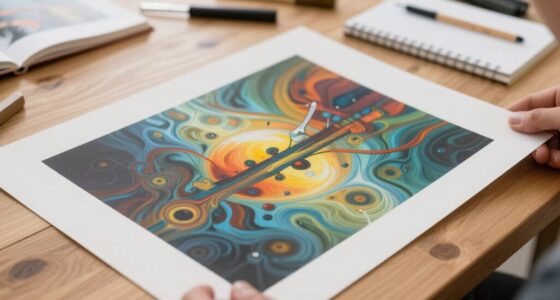

One of the most overlooked details in home art display is height. You might focus on picking beautiful pieces or lighting, but proper placement at eye level—around 57 to 60 inches from the floor—makes a big difference. Hanging artwork too high or low can diminish its impact and disrupt the room’s balance. If you keep these tips in mind, you’ll see how the right height enhances your space—and there’s more to discover that can transform your setup even further.

Prime made for students and young adults
- Fast, free delivery for dorm and study essentials
- Prime Video and Amazon Music included
- Member-only deals
Key Takeaways
- Many overlook eye level as the optimal height, which is crucial for natural viewing and engagement.
- Incorrect height placements can diminish artwork’s impact, regardless of lighting or wall color.
- Wall color and texture influence how artwork should be positioned for maximum visual harmony.
- Proper lighting requires artwork to be hung at the right height to avoid shadows and glare.
- Achieving the right height creates a balanced, cohesive look that enhances the overall aesthetic.
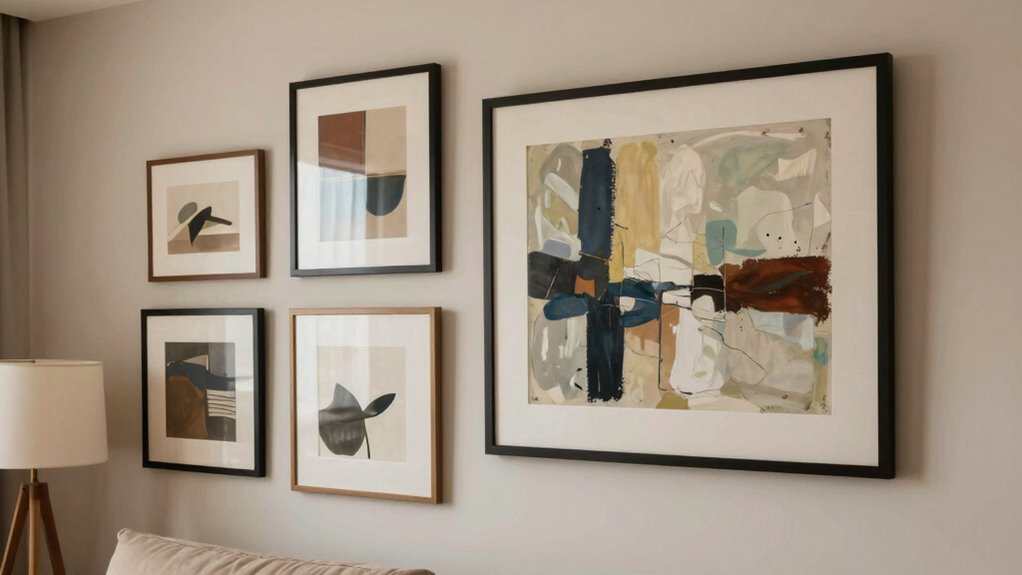
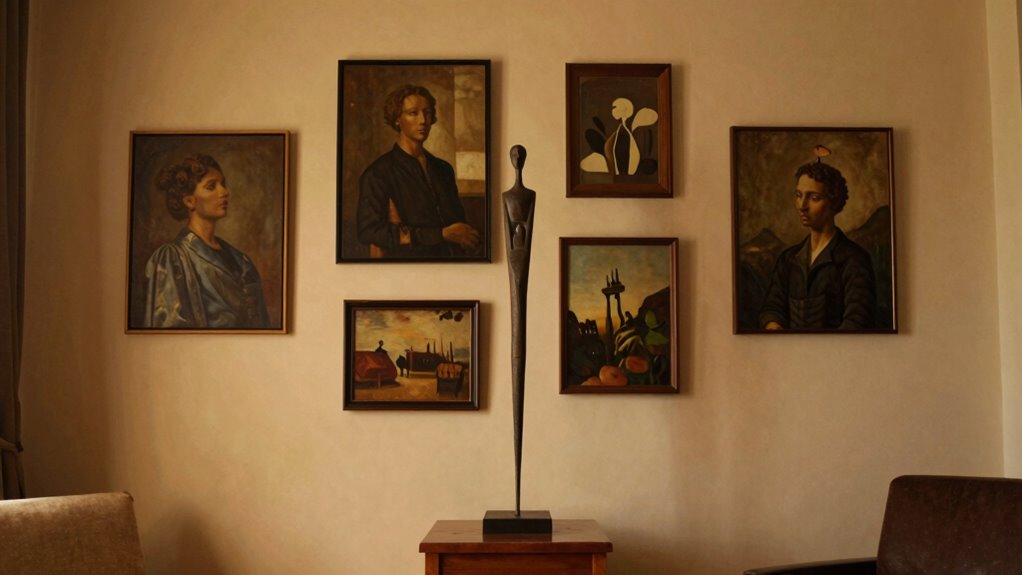
When it comes to showcasing your artwork at home, choosing the right display height makes all the difference. It’s a subtle detail that often gets overlooked but can dramatically influence how your art is perceived. The key is to think about the eye level, which generally falls around 57 to 60 inches from the floor. Positioning your artwork at this height ensures it feels natural and engaging, drawing viewers in without awkwardly tilting their heads or forcing them to look up or down. This is especially crucial when you consider lighting placement, as proper lighting can emphasize the artwork’s details and colors, but only if it’s positioned correctly. When you hang art too high or too low, even the best lighting can’t compensate, and the piece might lose its impact. Additionally, considering the art display height can help you achieve a balanced and harmonious look in your space. Your wall color choices also play a significant role in determining the ideal height. Light, neutral walls tend to make artwork pop and give you more flexibility in placement, while bold or dark walls might call for a slightly different approach to height—either raising or lowering the piece—to ensure it stands out without overwhelming the space. If you’re working with textured or patterned walls, you’ll want to consider how the artwork interacts with the wall’s design. Proper height placement can help your art become a focal point rather than competing with the background. Lighting placement works hand-in-hand with your art’s height. If your display is too high, light sources like picture lights or wall-mounted fixtures might cast uneven shadows, diminishing the artwork’s visual appeal. Conversely, if your art is too low, it might be lost against furniture or clutter, making lighting less effective. Adjusting both the height and lighting placement ensures the piece is illuminated evenly and showcases its details beautifully. When you align these elements—proper height, thoughtful lighting, and complementary wall color choices—you create a harmonious display that enhances the overall aesthetic. Ultimately, paying close attention to the height at which you hang your artwork isn’t just about aesthetics; it’s about creating a space where your art can thrive. When you consider how lighting placement and wall color choices influence the perception of your art, you set the stage for a cohesive, visually pleasing environment. It’s a simple adjustment that makes a significant difference in transforming your home into a curated gallery. Proper art placement not only elevates the visual appeal but also enhances the overall ambiance of your living space. To optimize your display, understanding the importance of visual balance can help you create a more unified and appealing arrangement.
As an affiliate, we earn on qualifying purchases.
Frequently Asked Questions
How Do Ceiling Height Variations Affect Art Placement?
Ceiling height variations greatly influence your art placement, as taller ceilings let you hang larger pieces higher, emphasizing space and proportion. You should consider ceiling proportions to maintain balance, especially in rooms with high or uneven ceilings. Wall texture also matters—rough textures can complement oversized art, while smooth surfaces suit delicate pieces. Adjusting art height based on these factors ensures your display feels harmonious and enhances your room’s overall aesthetic.
What Are the Best Height Guidelines for Different Art Types?
Think of art placement like tuning a musical instrument—you want harmony. For most art styles, hang pieces so their center is about 57 to 60 inches above the floor, matching eye level. Larger artworks benefit from being slightly lower, while smaller pieces can be higher. Match your wall color to the art style for contrast or cohesion, and always consider height variations to create visual balance in your space.
How Can Lighting Influence the Optimal Art Display Height?
Lighting effects profoundly influence the ideal art display height by highlighting key features and creating mood enhancement. You should position lights to accentuate the artwork without causing glare or shadows, which can distort perception. Adjusting lighting angles and intensities can make pieces appear more dynamic or calming, guiding viewers’ focus. Proper lighting not only enhances visibility but also complements the chosen height, ensuring your art makes the desired visual and emotional impact.
Are There Specific Height Tips for Small or Large Art Pieces?
For small art pieces, you want to keep them at eye level to create an intimate gallery arrangement, drawing viewers in close. Large pieces demand a strategic wall spacing, giving them room to breathe and ensuring they don’t overpower the space. When arranging, consider the height that best showcases each piece’s detail and presence, and don’t be afraid to experiment—sometimes, the perfect height reveals itself unexpectedly.
How Does Furniture Placement Impact Art Display Height Choices?
Furniture placement directly influences your art display height choices by creating visual harmony. When placing art, consider color coordination between the artwork and furniture to unify the space. Wall texture also matters; a textured wall can make artwork appear more dynamic, so you might want to hang pieces slightly higher or lower to balance these elements. Adjusting height based on furniture placement guarantees your art complements your room’s overall aesthetic seamlessly.
As an affiliate, we earn on qualifying purchases.
Conclusion
Remember, when it comes to displaying art at home, height isn’t just a detail—it’s the secret ingredient that transforms your space. Don’t let your masterpieces hang too high or too low; instead, find that perfect eye-level sweet spot. Think of your walls as a stage, and your art as the star. When you get the height right, your decor will sing, making every glance feel like a standing ovation.
As an affiliate, we earn on qualifying purchases.
As an affiliate, we earn on qualifying purchases.
Fall Picks
fall essentials
As an affiliate, we earn on qualifying purchases.